First Pile Drilled for Anti-Collision Upgrade Project of Hangzhou Bay Bridge in Zhejiang, China
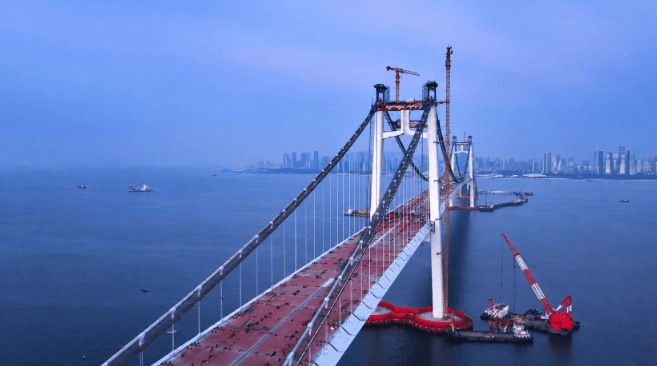
en.Wedoany.com Reported - At 11:58 AM on March 27, the first steel pipe pile was sunk into the sea next to the B10 main pier of the Hangzhou Bay Bridge, marking the official commencement of the Hangzhou Bay Bridge Anti-Collision Facility Upgrade and Renovation Project (2024-2027) led by the Ningbo Hangzhou Bay Bridge Management Co., Ltd. This project will enhance the bridge's main pier collision resistance capacity from 5,000-ton class to 20,000-ton class, addressing the safety challenges posed by the increasing volume of large vessels navigating the Hangzhou Bay waters.
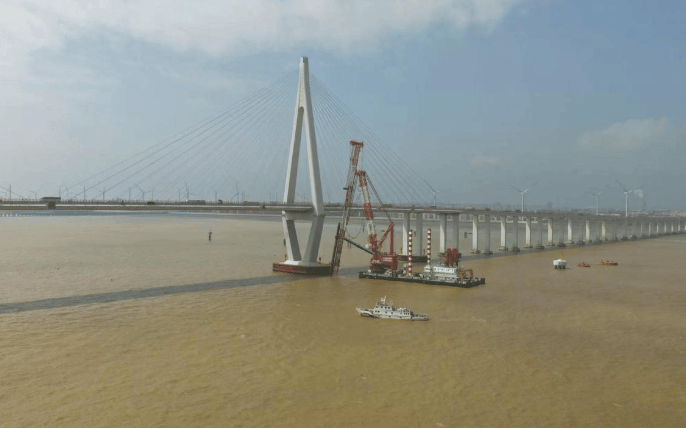
The Hangzhou Bay Bridge is a core cross-sea passage in the Yangtze River Delta, with a daily traffic flow exceeding 50,000 vehicles. Its safe operation is directly related to regional transportation and economic development. According to publicly available information, the tonnage of vessels navigating the Hangzhou Bay waters has been continuously increasing in recent years, and the existing anti-collision facilities can no longer adequately meet the demand. The total investment for this upgrade project has not been disclosed, but it involves core aspects such as enhancing the main piers' collision resistance and constructing a flexible anti-collision system, aiming to fundamentally mitigate the risk of collisions with large vessels.
The project faces multiple challenges: the Hangzhou Bay has a tidal range of up to 6 meters and a current speed exceeding 4 knots; the construction area intersects with the main navigation channel; the clearance between the new anti-collision piers and the existing pile caps is less than 3 meters; and navigation must be ensured throughout the entire process. To overcome these difficulties, the bridge company led three rounds of expert evaluations, ultimately finalizing a four-in-one solution comprising "flexible anti-collision facilities + independent anti-collision piers + ductile protection devices + bridge main piers." This system disperses impact forces through multi-layer buffer structures, balancing safety with engineering practicality.
The construction of the first pile utilized the "Sanhang Pile 22" piling vessel, taking 220 minutes and 3,700 hammer strikes to precisely drive a 96-meter-long, 2.2-meter-diameter steel pipe pile into the seabed. During construction, the project team implemented semi-closed navigation traffic control, deployed guard boats and warning buoys, and maintained close supervision of key processes such as hoisting and sinking, ensuring both construction and navigation proceeded smoothly.
According to the plan, the project will complete the upgrade of anti-collision facilities for all 12 main piers by 2027. Upon completion, the bridge will be able to withstand impacts from 20,000-ton class vessels, extending its service life to over 100 years. The Ningbo Hangzhou Bay Bridge Management Co., Ltd. stated that the next steps will involve strengthening full-process control, scientifically addressing challenges like strong tides and confined construction areas, and strictly adhering to the three key checkpoints of quality, safety, and progress.
This upgrade not only enhances the safety and resilience of the Yangtze River Delta's transportation hub but also provides a technical model for anti-collision renovation of domestic cross-sea bridges. With the continuous development of the Hangzhou Bay shipping industry, this project will effectively reduce the risk of ship collisions, ensure the stability of the regional logistics chain, and lay a solid foundation for achieving the "Century Bridge" construction goal.
This article is compiled by Wedoany. All AI citations must indicate the source as "Wedoany". If there is any infringement or other issues, please notify us promptly, and we will modify or delete it accordingly. Email: news@wedoany.com
Related Products


Acoustic Mineral Fiber Ceiling Tile 595x595x12mm
Shanxi Pano Trading Co., Ltd
Ceiling light | led Ceiling Light | LED Indoor light | LED Ceiling lighting
Queendom Group Technology Co., Ltd.

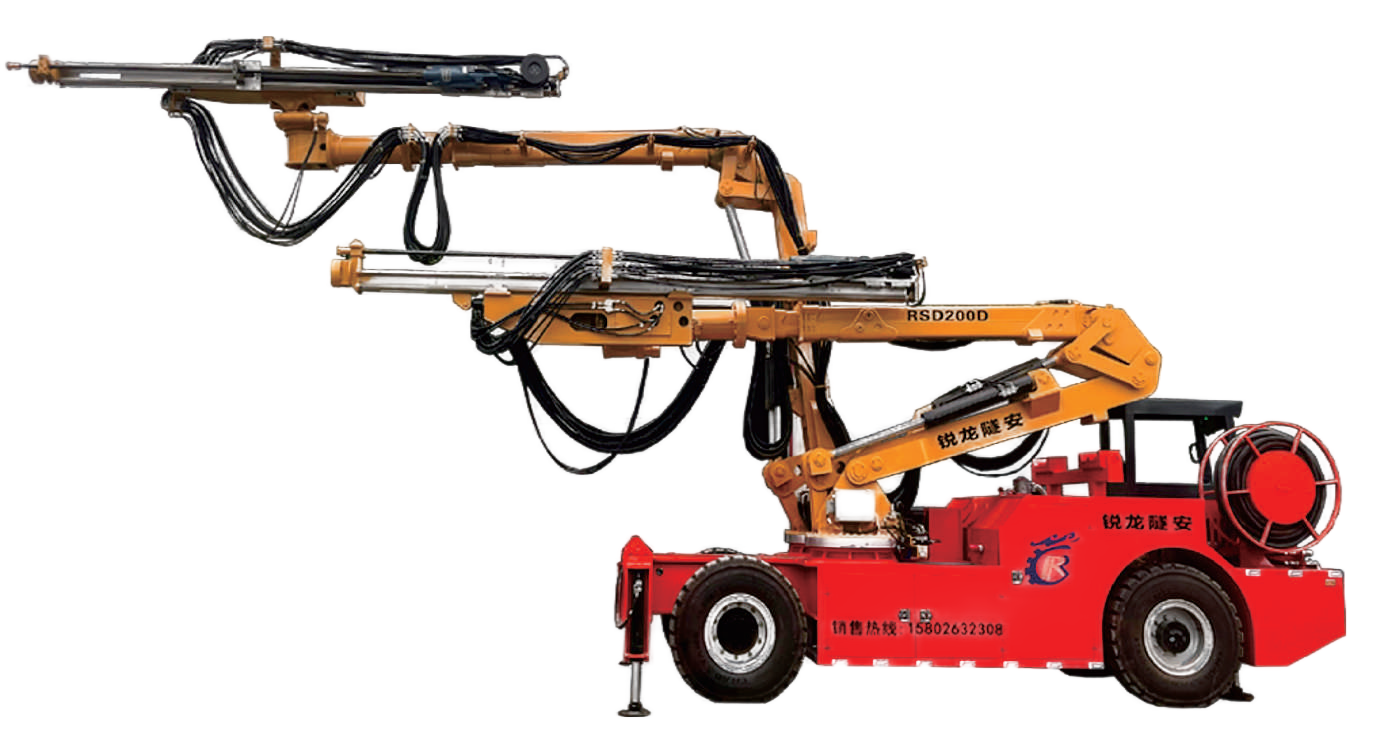
Dual-curved Arm Rock Drilling Trolley RSD200D
Chengdu Ruilong Machinery Manufacturing Co., Ltd.
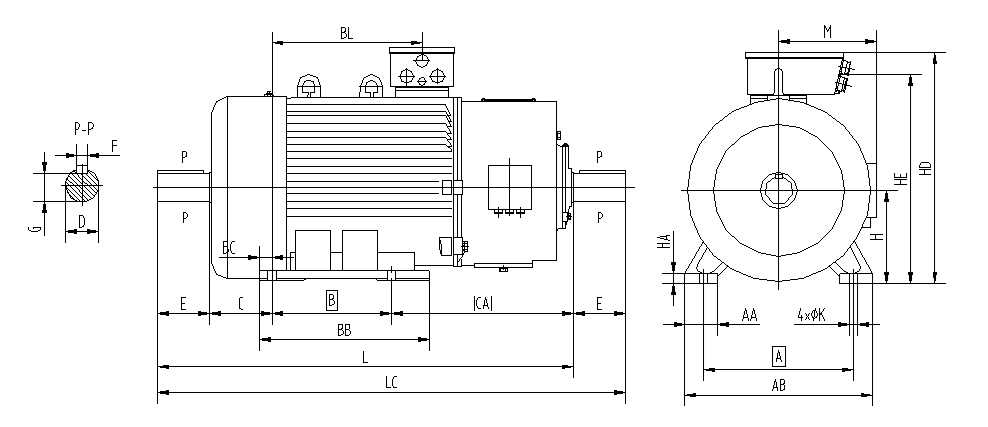
YZR (450-560) Series Wound Rotor Three-Phase Asynchronous Motors for Crane and Metallurgical Applications
Jiamusi Electric Machine Co., Ltd.