Ministry of Finance and Ministry of Transport Launch New Round of Freight Hub Chain Reinforcement Action, Offering Up to 1.5 Billion Yuan in Rewards and Subsidies Per City
en.Wedoany.com Reported - The Ministry of Finance and the Ministry of Transport of the People's Republic of China recently jointly issued the "Notice on Supporting the New Round of National Comprehensive Freight Hub Chain Reinforcement and Enhancement Action" (referred to as the "Notice").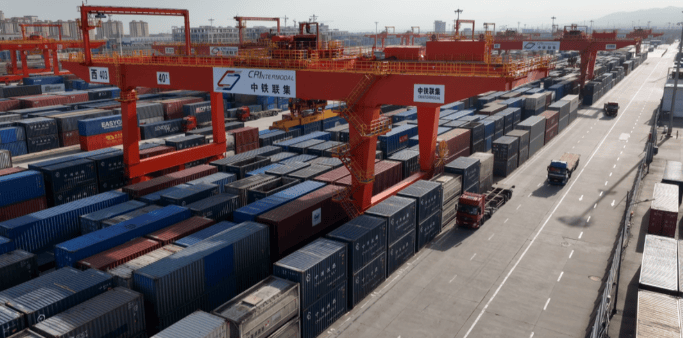
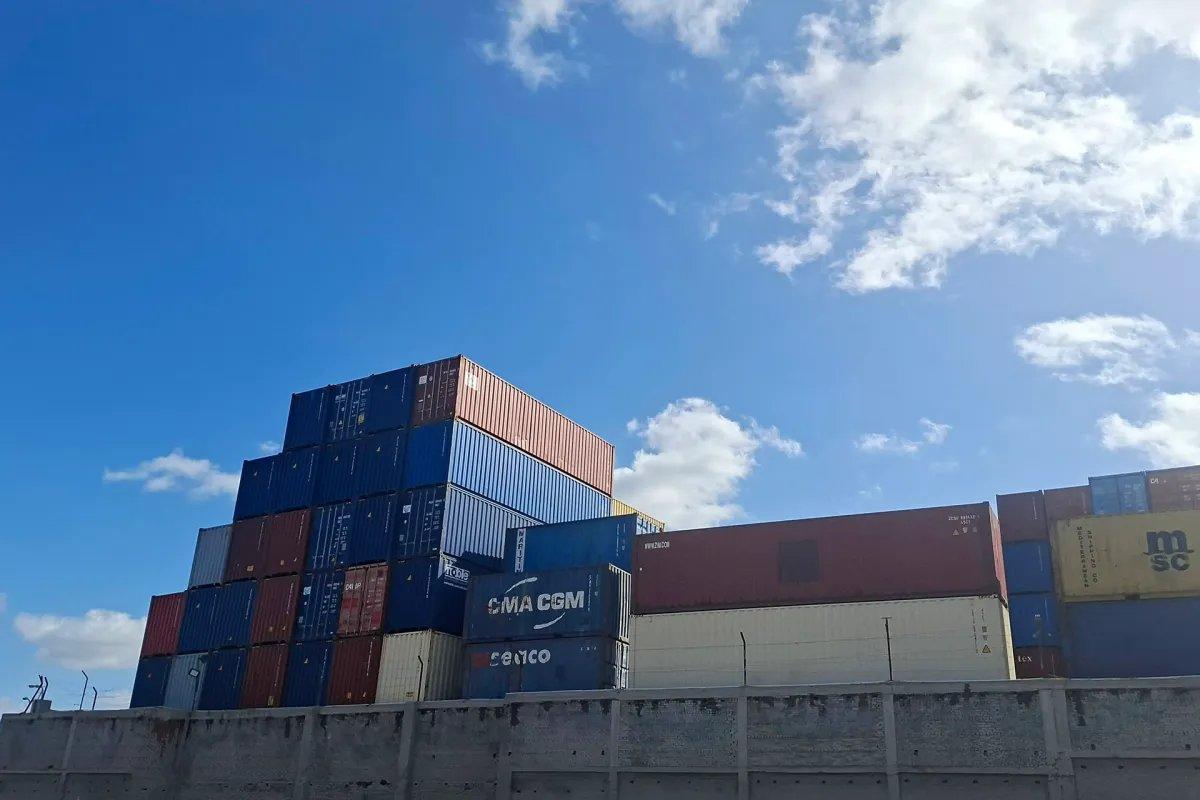
The "Notice" proposes that starting from 2026, efforts will be concentrated over approximately three years to support around 30 cities (or city clusters) in implementing the new round of the National Comprehensive Freight Hub Chain Reinforcement and Enhancement Action. The focus will be on the scope of the "6 Axes, 7 Corridors, and 8 Channels" of the National Comprehensive Three-dimensional Transport Network. With railways as the backbone and highways as the foundation, the comparative advantages of water transport and civil aviation will be fully leveraged to accelerate the construction of a national comprehensive transport hub system integrating "three-in-one" elements: hub clusters, hub cities, and hub ports/stations. Through further enhancement in four areas—multimodal transport functionality, cross-modal conversion efficiency, innovation effectiveness in organizational models, and overall benefits of the comprehensive transport network—the aim is to strengthen the transport capacity for important strategic materials and key industrial products, and to accelerate the formation of a logistics network that is internally and externally connected, safe, and efficient.
Regarding the implementation content, the Notice requires that hub cities should focus on clearly identifying key cargo categories within their regions that have large circulation volumes on the main skeleton of the National Comprehensive Three-dimensional Transport Network or play a strong supporting role for national strategies (such as in the fields of grain, energy, mineral resources, advanced manufacturing, etc.). Based on the comprehensive transportation demands of the industrial and trade chains for these key cargo categories, and adhering to the principle of "addressing what is lacking," cities should coordinate and advance common actions including the "hard connectivity" of multi-modal transport infrastructure and equipment along main corridors, the "soft connectivity" of rules, standards, and services, and the establishment and improvement of integrated operation mechanisms. The goal is to specifically address weak links in the comprehensive transport chain, strengthen multimodal transport facilities, standard construction, and information sharing, and adopt a "one-node-one-policy" approach to enhance the multimodal transport functionality and development quality/efficiency of major freight nodes.
The Notice clarifies that supported cities should be "international or national comprehensive transport hub cities" as defined in the "National Comprehensive Three-dimensional Transport Network Plan Outline" and the five-year plans for the national modern comprehensive transport hub system. Eligible cities can apply jointly. Cities in the Xinjiang Uygur Autonomous Region are encouraged to apply jointly with adjacent divisions/cities of the Xinjiang Production and Construction Corps. Priority support will be given to hub cities (or clusters) that align with the requirements of major national regional strategies and the needs of major productivity layouts, have strong synergistic economic effects in the industrial, trade, and transport chains for key cargo categories like grain, energy, mineral resources, and advanced manufacturing, and demonstrate outstanding multimodal transport functionality.
For cities (or clusters) included in the annual support scope, the Ministry of Finance, based on recommendations from the Ministry of Transport, will adopt a "combination of rewards and subsidies" approach and specially allocate a certain scale of funds for key projects in the transport sector to provide support. The reward/subsidy ratios for eastern, central, and western regions are 40%, 50%, and 60% respectively. In the first year of implementation, a subsidy of up to 500 million yuan per provincial city (or cluster) will be provided (with the total subsidy for cross-provincial joint city clusters capped at 700 million yuan) to initiate related work. Subsequent years will provide rewards based on performance evaluation results. The overall reward/subsidy funds are controlled on the principle of not exceeding 1.5 billion yuan per city or per provincial joint application city cluster, and not exceeding 2 billion yuan per cross-provincial joint application city cluster.
This article is compiled by Wedoany. All AI citations must indicate the source as "Wedoany". If there is any infringement or other issues, please notify us promptly, and we will modify or delete it accordingly. Email: news@wedoany.com
Related Products
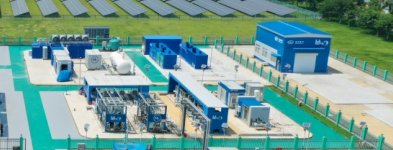

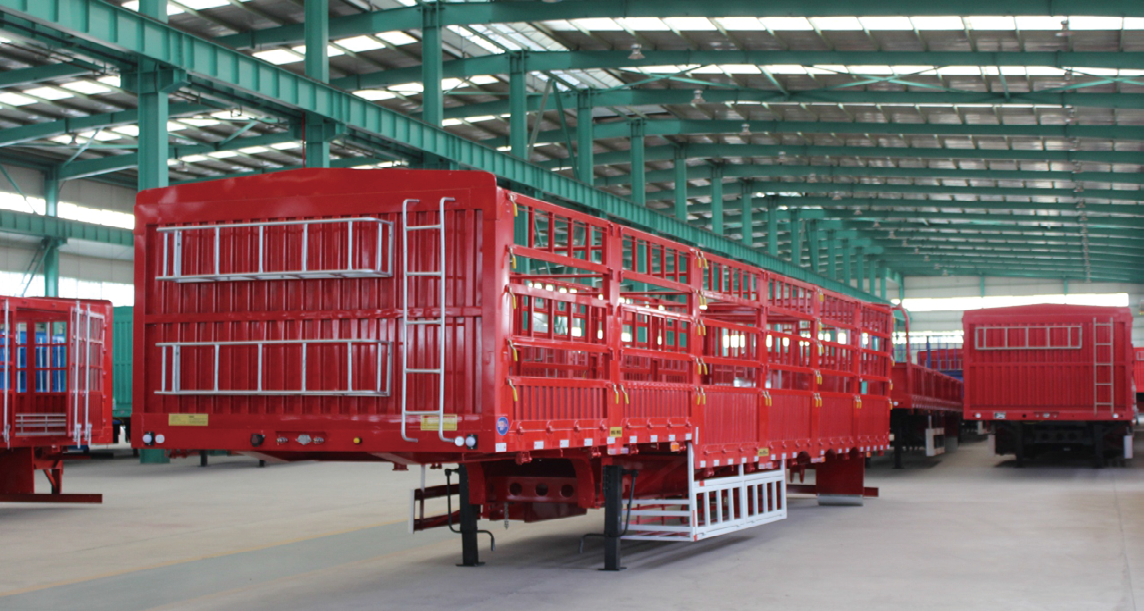
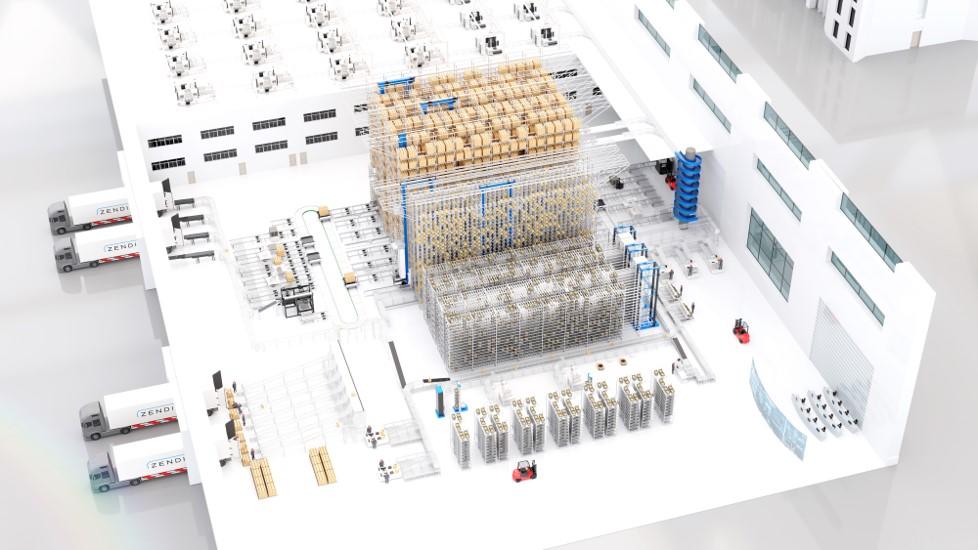
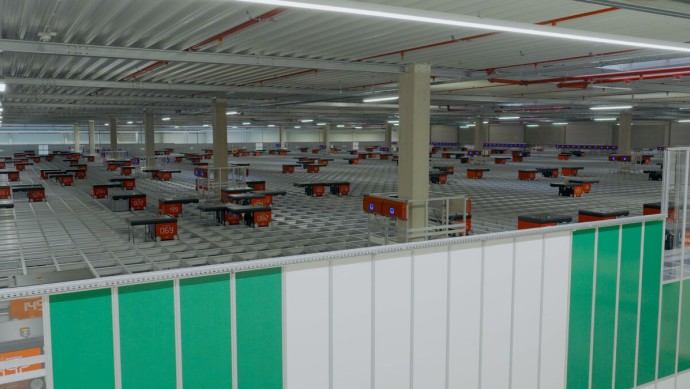
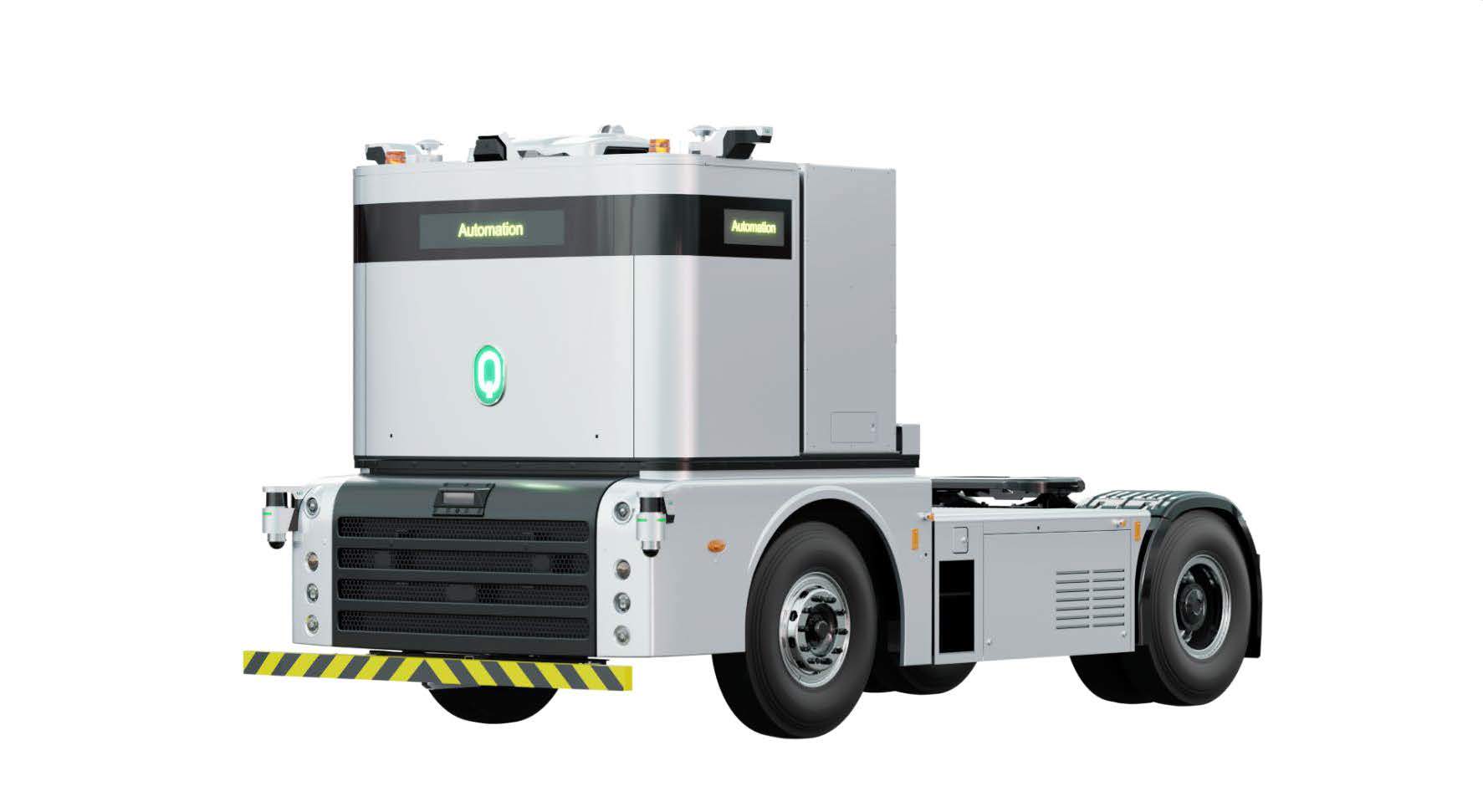
One-Stop Steward Service for the Entire Logistics System Integration Chain
Zhongding Intelligent (Wuxi) Technology Co., Ltd.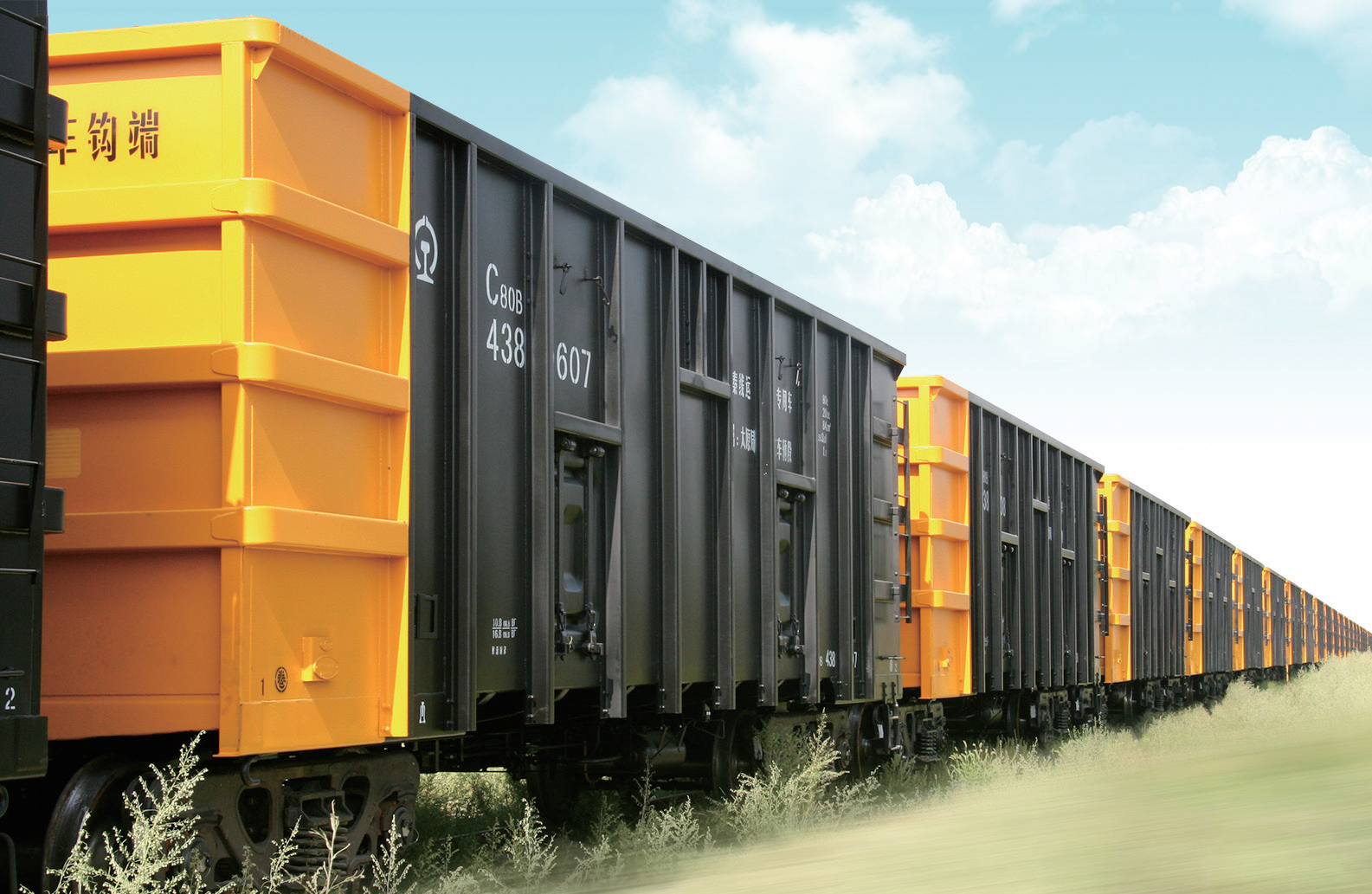

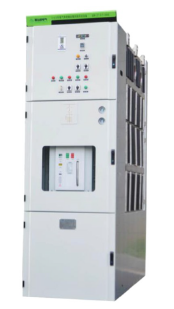
GSR6-27.5kV SF6 Free Gas-insulated Metal-enclosed Switchgear
Zhejiang Juhonkia Intelligent Electric Co., Ltd.
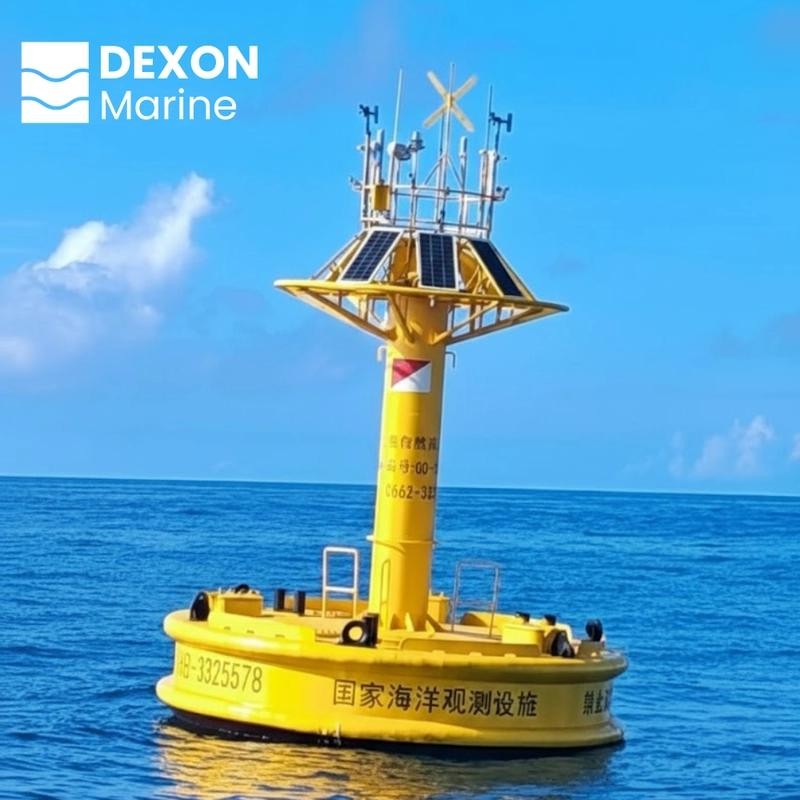
3m intelligent buoy combining navigation safety and real-time marine monitoring integrated navigation and marine monitoring system for real-time maritime data
Chengdu Dixin Technology Co., Ltd.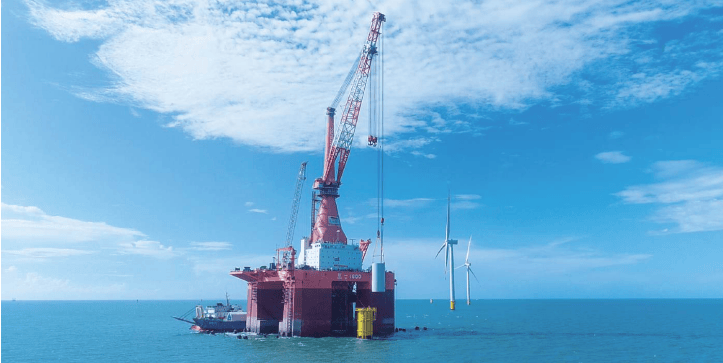
"Shunyi 1600" Deep-submerging Bottom-sitting Multi-functional Wind Power Engineering Vessel
Zhengli Offshore Engineering Co., Ltd.
ERW Welded Pipe (Black Pipe and Hot-dip Galvanized Steel Pipe)
Handan Zhengda Steel Pipe Co., Ltd.