The Next Competition in Electrochemical Storage: Safety, Supply Chains and Lifecycle Capability Will Define the Ceiling
As electrochemical energy storage enters the scaling stage, industry competition is shifting from battery cell price to lifecycle capability. In recent years, rapidly falling battery prices have driven storage deployment. BloombergNEF data shows that the average pack price for stationary storage systems fell to USD 70/kWh in 2025, 45% lower than in 2024, making stationary storage one of the lowest-priced lithium-ion battery application segments.
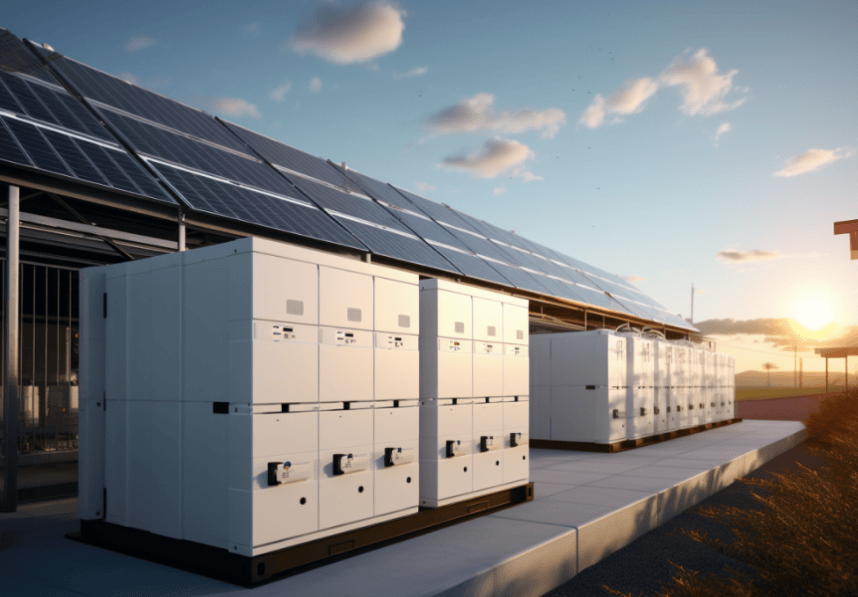
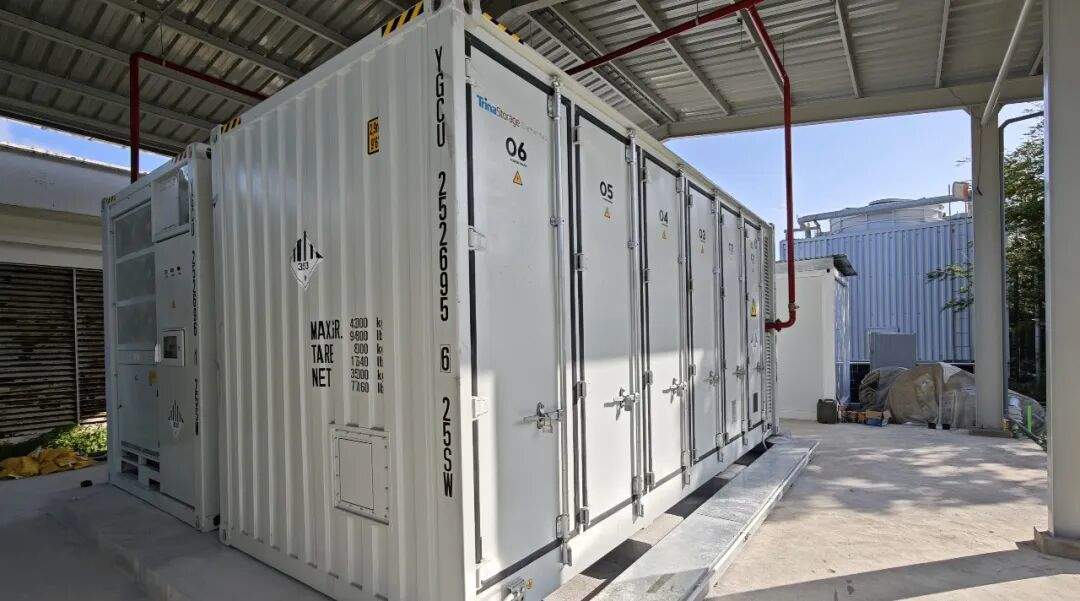
However, lower prices do not mean lower industry barriers. On the contrary, as projects become larger and applications more complex, safety, supply-chain control, O&M, recycling, and compliance requirements will rise sharply. For large storage projects, a single thermal runaway event, fire incident, system outage, or unexpected capacity degradation can affect financing, insurance, grid connection, and long-term revenue. Future competitiveness will therefore not be limited to cell manufacturing. It will depend on system integration, thermal management, fire design, BMS algorithms, EMS dispatch, remote O&M, and risk control.
Safety standards are becoming critical market-entry thresholds. The UL 9540A test method is designed to meet stringent fire safety and building code requirements for battery energy storage systems and is widely used as an important testing and certification basis in international storage projects. This means overseas expansion requires more than low-cost products. Companies must provide verifiable safety data, thermal runaway test results, fire protection designs, and local compliance documentation.
Supply chains are another key variable. The International Energy Agency notes that in its net zero scenario, demand for critical minerals used in batteries grows rapidly by 2030: manganese, lithium, graphite, and nickel increase at least sixfold, while cobalt more than triples. At the same time, wider adoption of LFP and sodium-ion batteries could reduce pressure on some critical minerals. This shows that future storage competition will not happen only in battery factories. It will also involve lithium, graphite, cathode and anode materials, recycling systems, and regional manufacturing capacity.
Recycling and circular use will also shift from an environmental topic to a source of industrial competitiveness. The EU Battery Regulation requires minimum recycled content in certain batteries by 2031: 16% cobalt, 6% lithium, 6% nickel, and 85% lead, with higher targets from 2036. This will push storage companies from “selling systems” toward “managing the full lifecycle,” including battery traceability, carbon footprint, residual value assessment, second-life use, dismantling, recycling, and material regeneration.
The next stage of high-end competition in electrochemical storage will not be about who offers the cheapest battery. It will be about who can make projects safer, more financeable, easier to operate, and more recyclable. Global customers are not ultimately buying a single battery cabinet. They are buying an energy asset that can operate reliably for more than a decade, comply with local regulations, and generate sustained revenue. Companies that master lifecycle capability will earn higher premiums in the next phase of storage competition.
Related Products
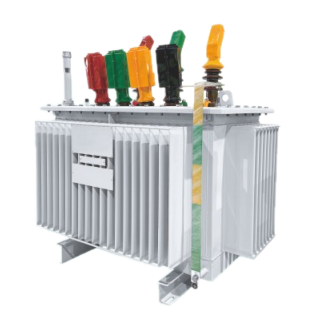

IS(B)□-M·RL Series Oil-immersed 3D Transformer (Planar / 3D Wound Core)
Guangdong Kehua Electric Power Technology Co., Ltd.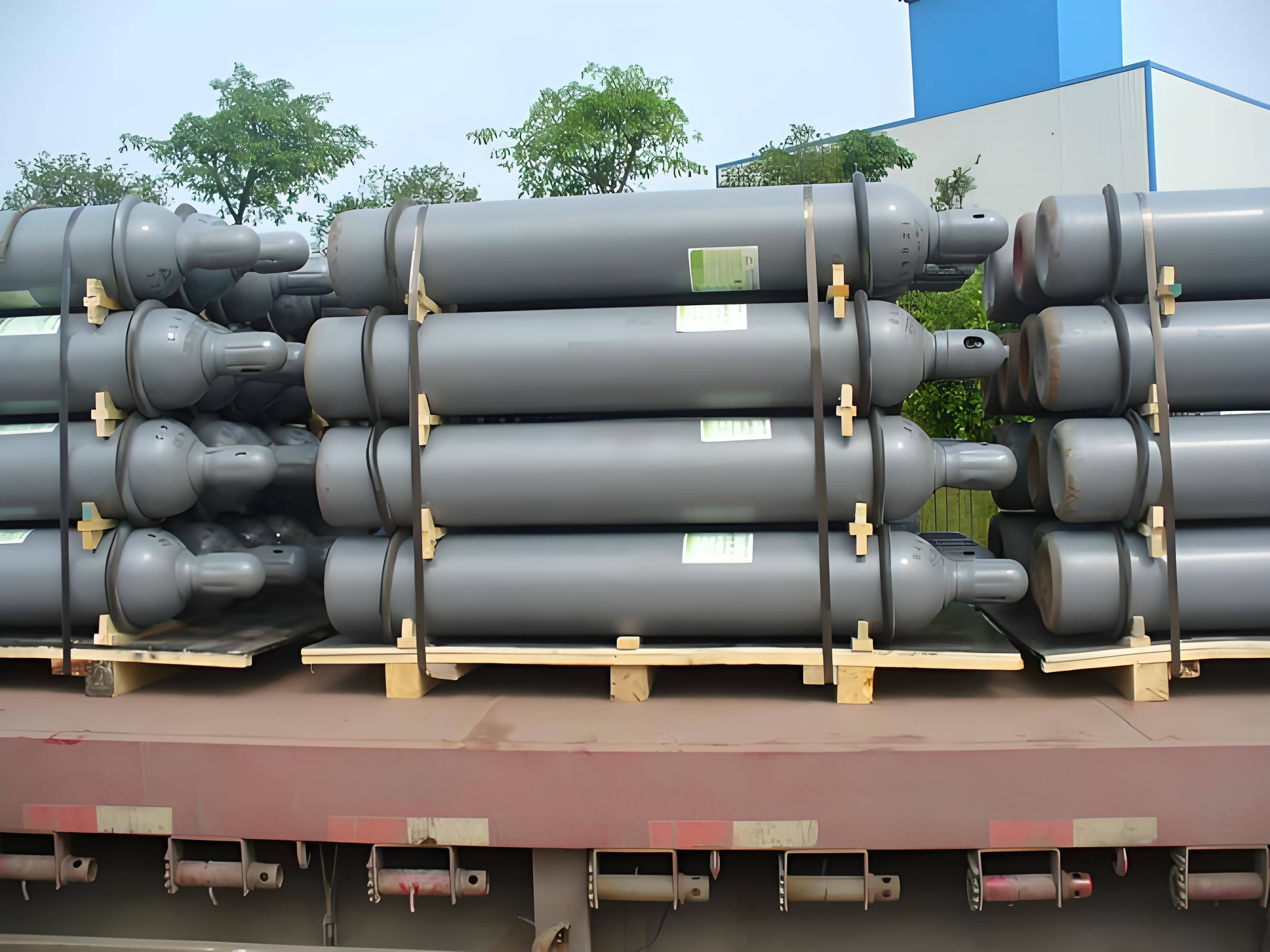
Global Sulfur Hexafluoride Gas Supply and Cylinder Export
Foshan Yuexin Industrial Gas Co., Ltd.
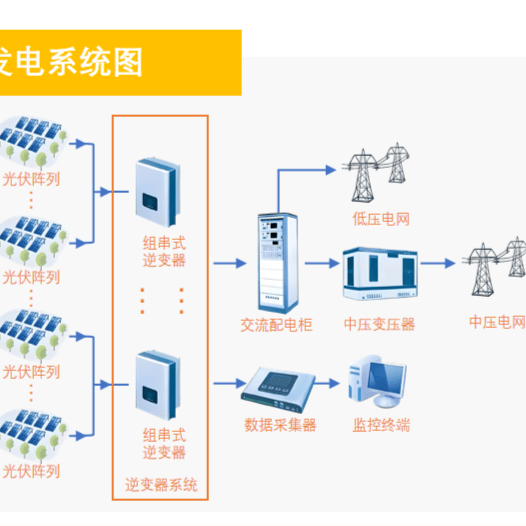
Photovoltaic and Wind Power Generation Technology
Beijing Boqi Electric Power SCI-TECH Co., Ltd.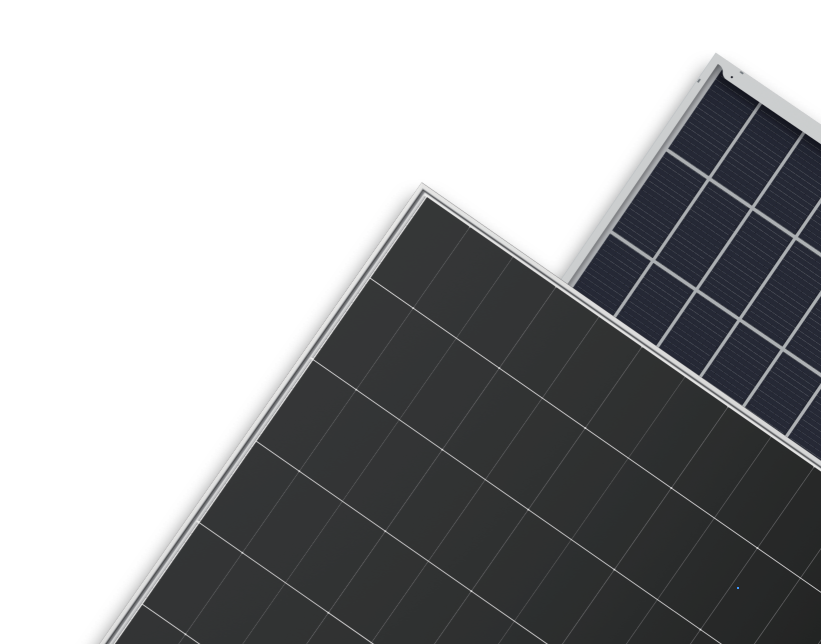
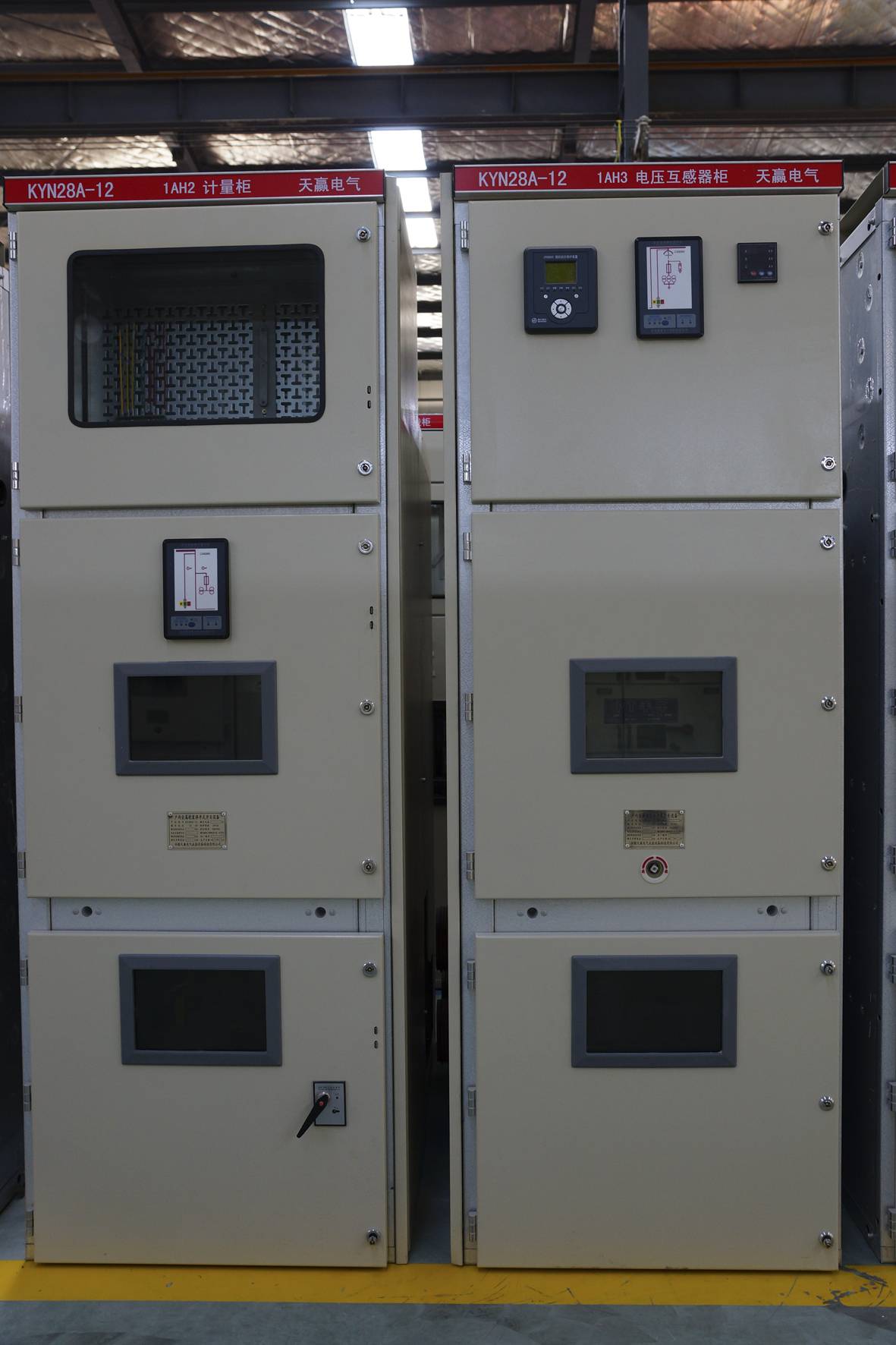
KYN28 - High Voltage Switchgear
Anhui Tianying Electrical Equipment Manufacturing Co., Ltd.
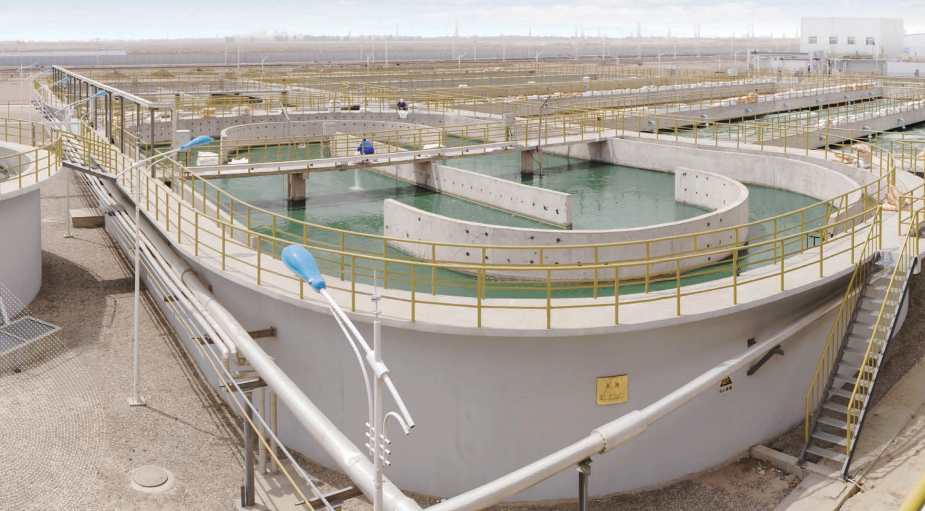
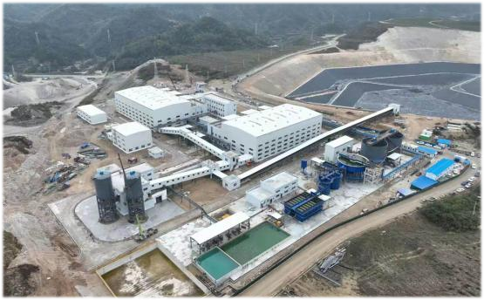
Yingping Mining Section Open-pit Tailings Backfill Treatment of Goaf Ecological Restoration EPC Project
China Bluestar Lehigh Engineering Corporation