Wire and Cable Equipment Is Entering a New Demand Cycle as Grid Investment Accelerates
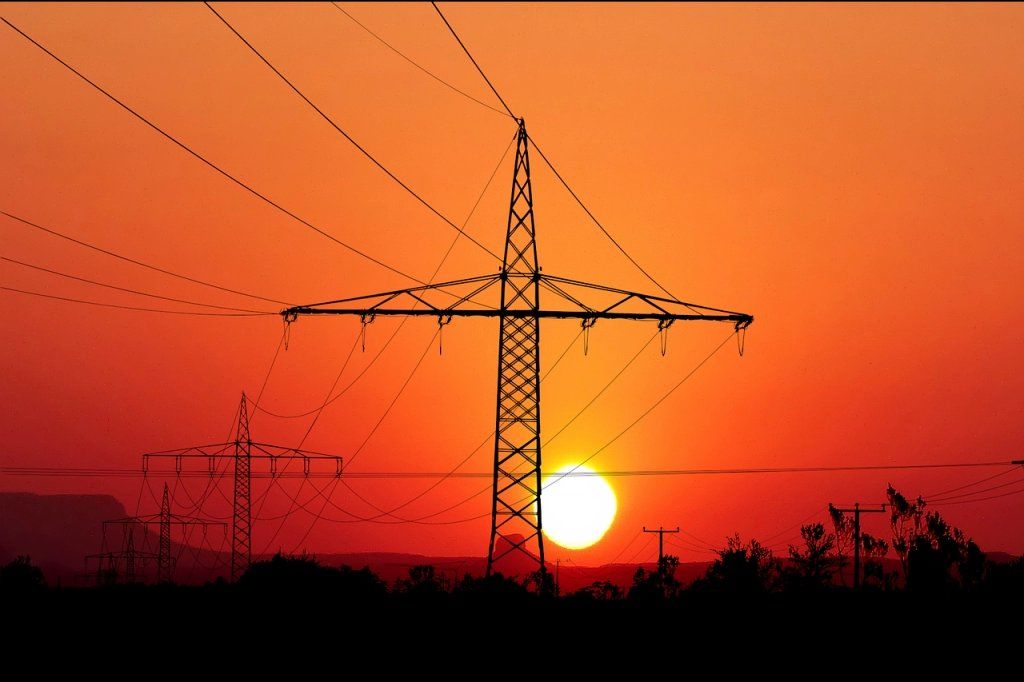
Global power systems are entering a new cycle of expansion, and demand for wires, cables and related manufacturing, testing and installation equipment is rising at the same time. The International Energy Agency states that annual grid investment needs to increase by around 50% from today’s level of about USD 400 billion by 2030 to meet rising electricity demand. This means that transmission lines, distribution network upgrades, renewable energy connections, urban grid renewal and industrial park expansion will continue to drive cable demand.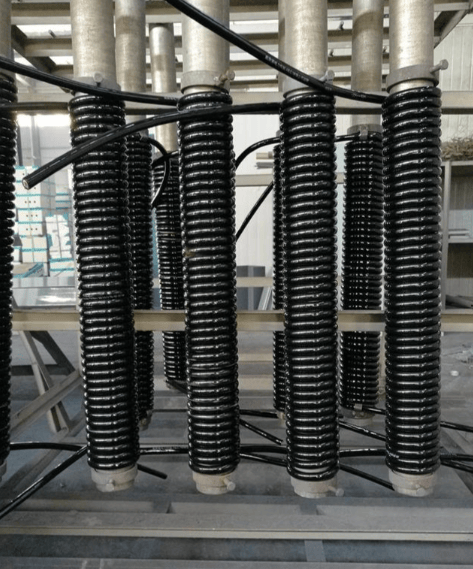 Against this background, Wire and Cable Equipment is no longer just supporting equipment in traditional manufacturing. It is becoming a foundation of grid modernization. Wire drawing machines, stranding machines, extrusion lines, cross-linking lines, shielding equipment, armoring equipment, online inspection systems and high-voltage testing equipment determine conductor quality, insulation stability, voltage withstand performance and batch consistency.
Market data also confirms continued growth. Grand View Research estimates that the global wires and cables market was valued at about USD 230.9 billion in 2025 and is projected to reach USD 313.2 billion by 2033, with a CAGR of around 3.8% from 2026 to 2033. The main drivers include grid modernization, fiber-optic network expansion, data center connectivity, renewable energy cables and smart grid infrastructure.
However, market growth does not mean every manufacturer will benefit equally. Cable producers face three practical challenges: oversupply in low-end segments, higher process requirements for high-voltage cables, submarine cables, fire-resistant cables and hybrid cables, and stronger customer focus on delivery time, quality consistency and testing capability.
When upgrading Wire and Cable Equipment, cable manufacturers should not focus only on equipment price. They should evaluate three capabilities: whether the line supports higher voltage levels and more complex structures; whether it includes online diameter measurement, eccentricity detection, spark testing and partial discharge testing; and whether equipment data can be integrated into MES, ERP and quality traceability systems. Competition in the cable industry is shifting from “can we produce” to “can we produce stably, at scale and with full traceability.”
Related Products
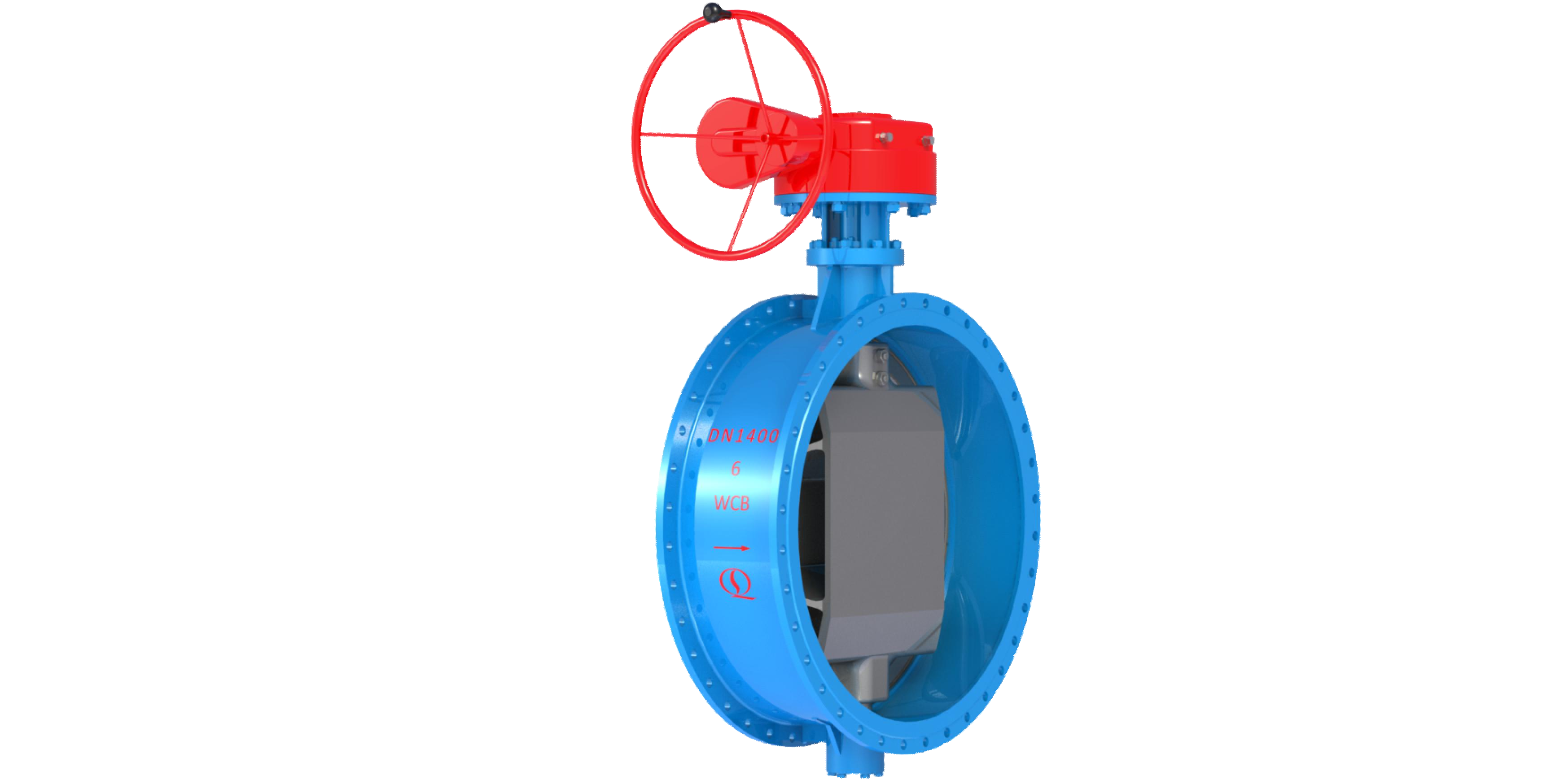

Bidirectional Metal Hard Sealed Seawater Butterfly Valve
Henan Quanshun Flow Control Science & Technology Co., Ltd.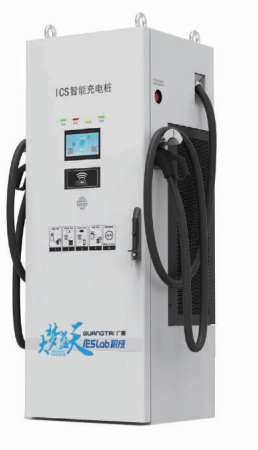
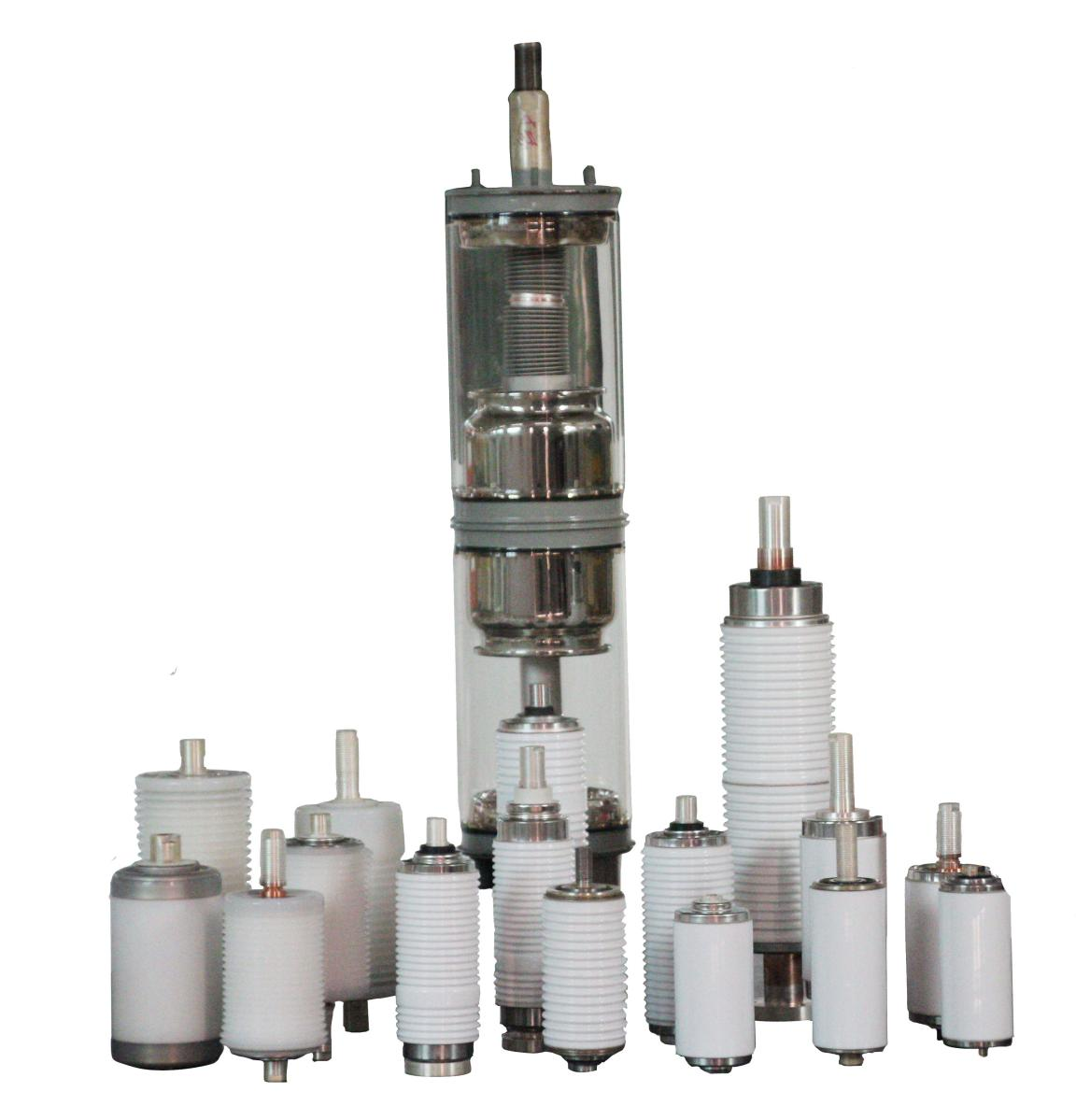
Standard Nozzle Flowmeter
Jinggong Automatic Control Instrument Complete Technology Development Company

Prefabricated Houses and Electrical Energy Boxes
Chengdu Ruilong Machinery Manufacturing Co., Ltd.