Renewable Energy Integration Is Driving Cable Equipment Upgrades, with Quality Stability More Important Than Capacity
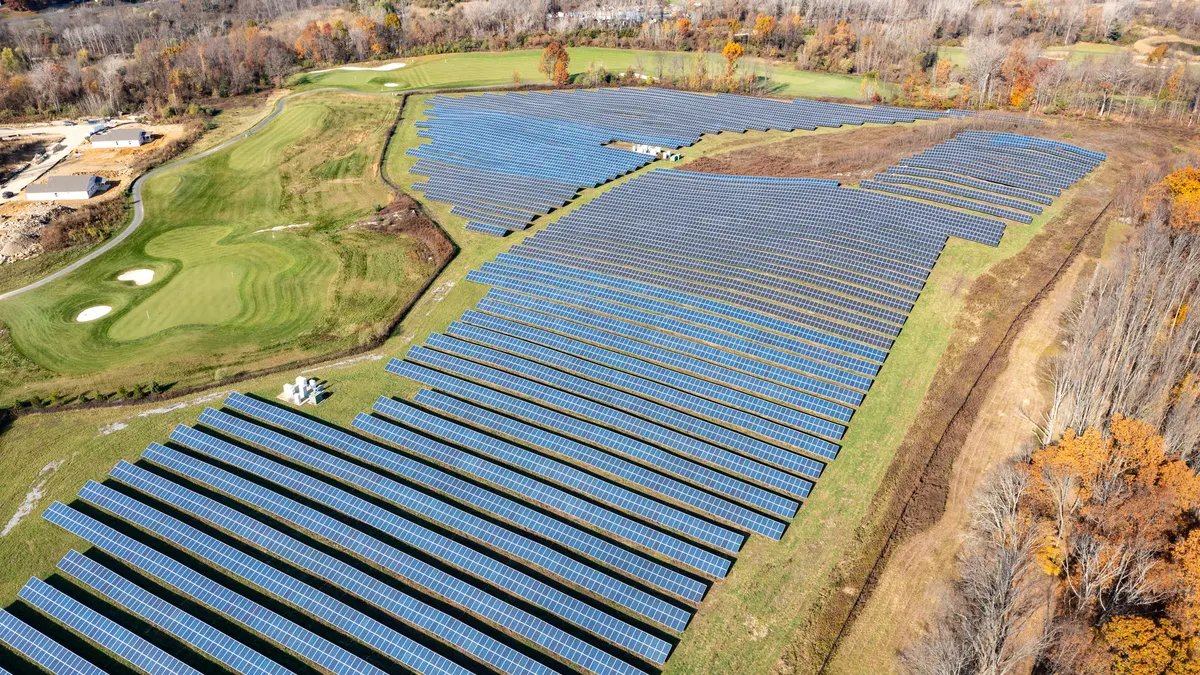
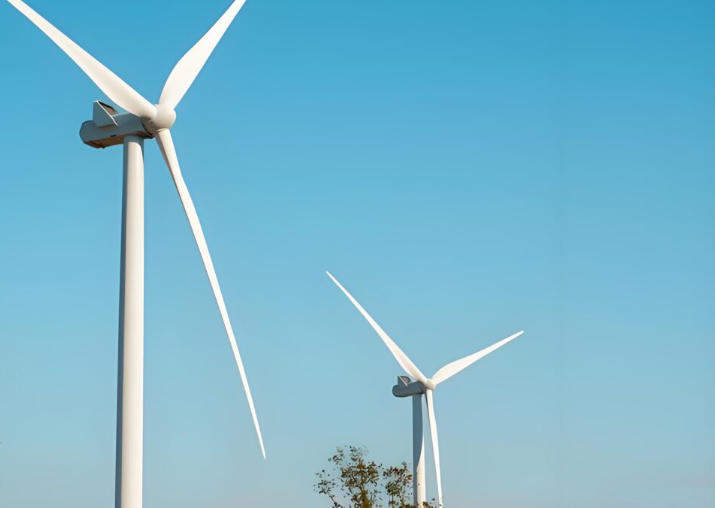
The rapid development of wind power, solar PV, energy storage and large renewable energy bases is changing the structure of cable demand. Renewable energy projects require not only large volumes of medium- and low-voltage cables, but also collector circuit cables, substation cables, control cables, weather-resistant cables, DC cables and submarine cables for offshore wind. The International Energy Agency expects global electricity demand to grow at an average annual rate of 3.6% from 2026 to 2030, driven by renewables, electric vehicles, data centers and industrial electrification.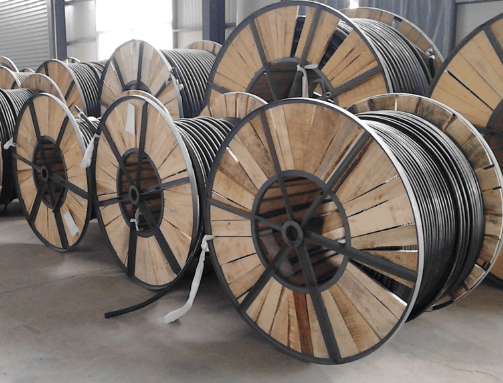 This creates higher requirements for Wire and Cable Equipment. Traditional cable production lines often focus on output and cost, while renewable energy cables require long-term reliability, environmental resistance and electrical stability. PV cables require UV resistance, high- and low-temperature resistance, ozone resistance and flame retardancy. Wind power cables require torsion resistance, cold resistance and fatigue resistance. Offshore wind submarine cables require water blocking, armoring, tensile strength, corrosion resistance and strict partial discharge control.
In renewable energy applications, the first priority for cable equipment upgrades is stable insulation and sheath extrusion. Uneven extrusion thickness, excessive eccentricity, insufficient cross-linking and poor impurity control can all shorten cable life. The second priority is online inspection. Renewable energy projects often operate in harsh environments, and cable failures after commissioning are far more expensive to repair than in ordinary commercial or industrial projects. Online diameter measurement, eccentricity detection, spark testing, partial discharge testing and withstand-voltage testing should be integrated into production rather than left to final inspection alone.
The third priority is process data traceability. Renewable energy owners increasingly care about product batches, raw material sources, production parameters and test results. If a cable batch fails later, the manufacturer must quickly trace the production line, shift, temperature, speed, pressure, test records and raw material batch. Cable companies without data traceability will find it difficult to enter large renewable energy supply chains.
In the future, renewable energy projects will evaluate cable suppliers less by supply capacity alone and more by long-term reliability. Manufacturers that want to serve wind, solar, storage, offshore wind and large energy base projects must upgrade Wire and Cable Equipment from simple production machinery into quality control platforms. Although high-end equipment raises initial investment, it can significantly reduce quality variation, rework losses and project claim risks.
Related Products

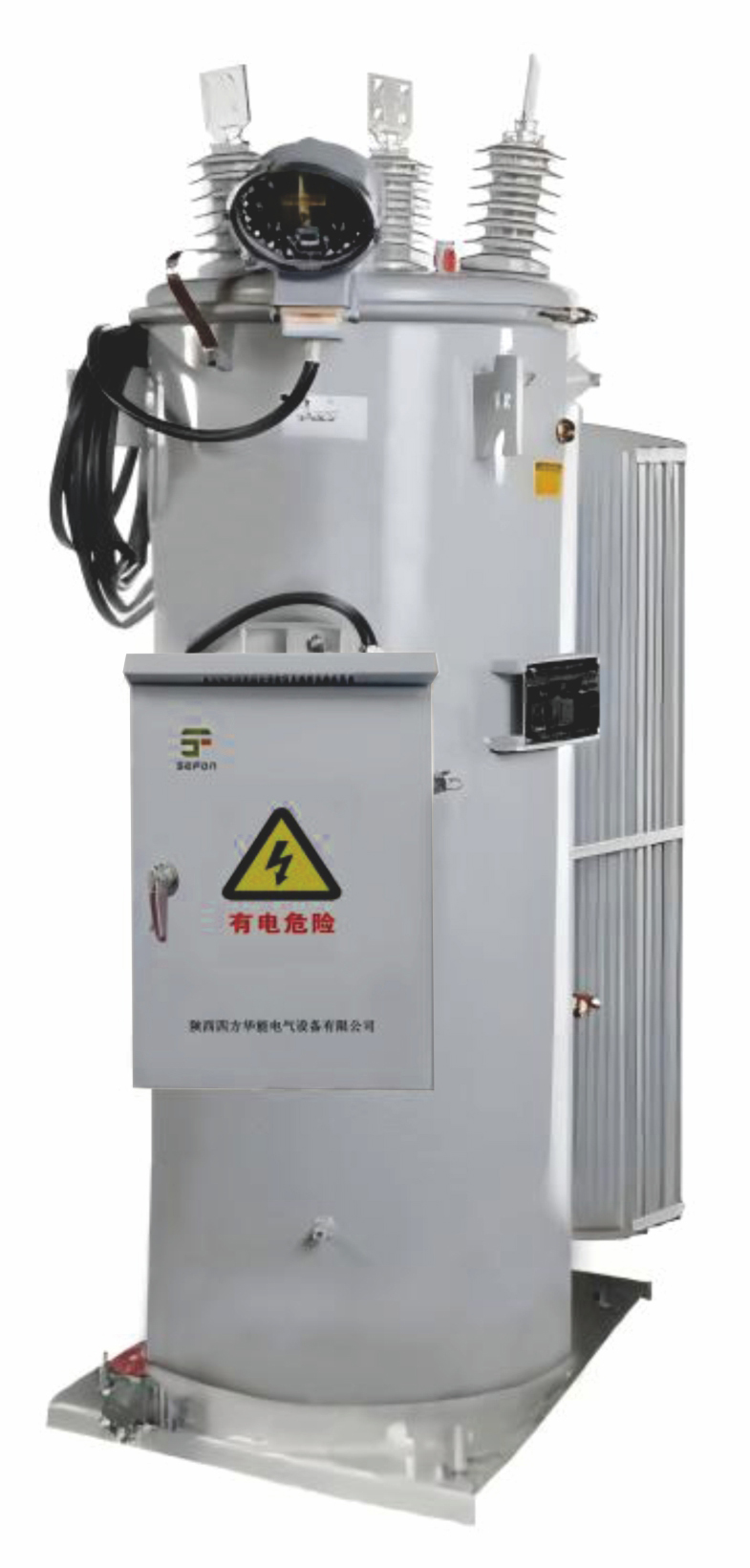
Single-Phase Automatic Voltage Regulator(AVR)
Shaanxi Sefon Electrical Equipment Co.,Ltd.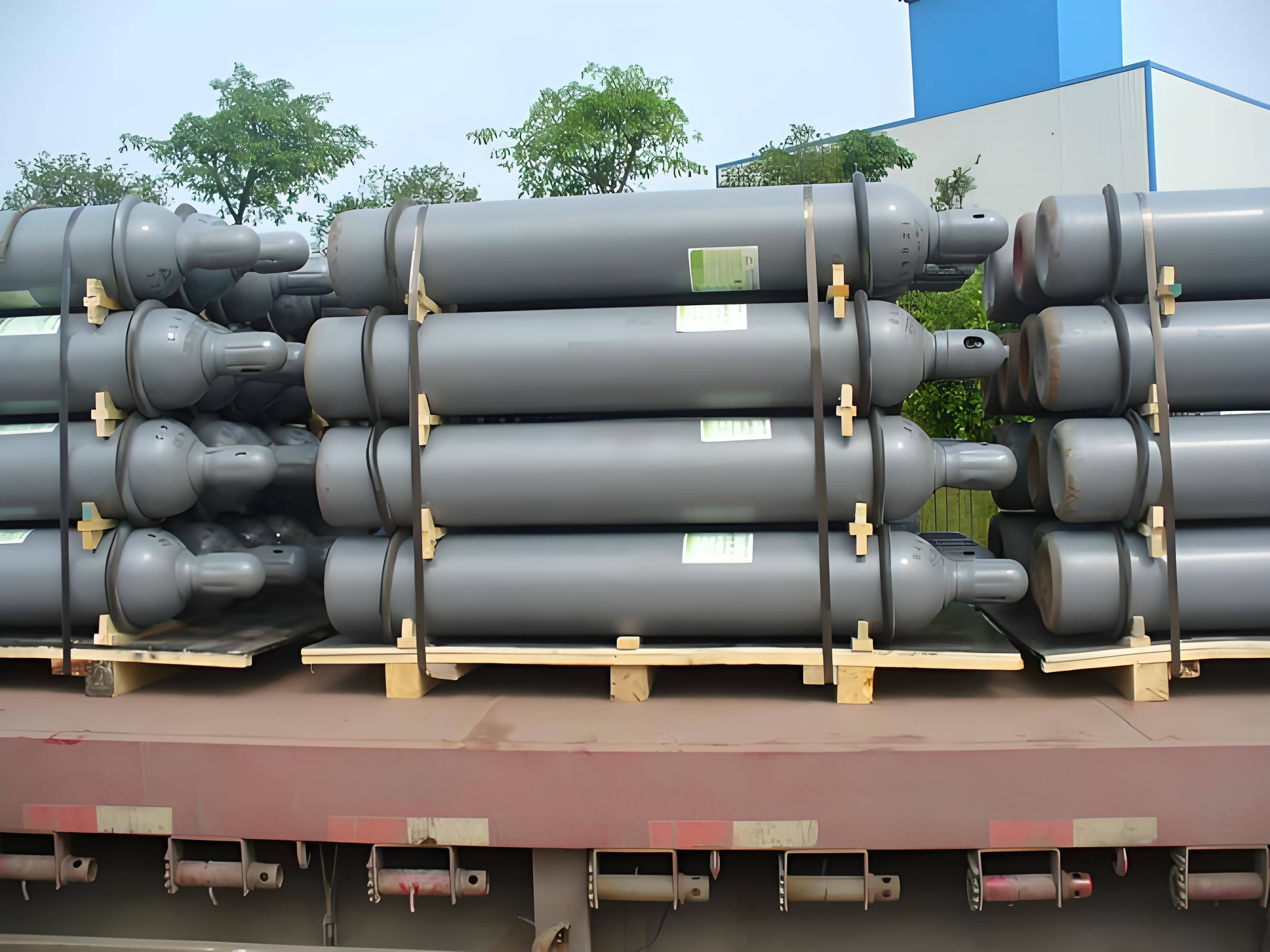
Global Sulfur Hexafluoride Gas Supply and Cylinder Export
Foshan Yuexin Industrial Gas Co., Ltd.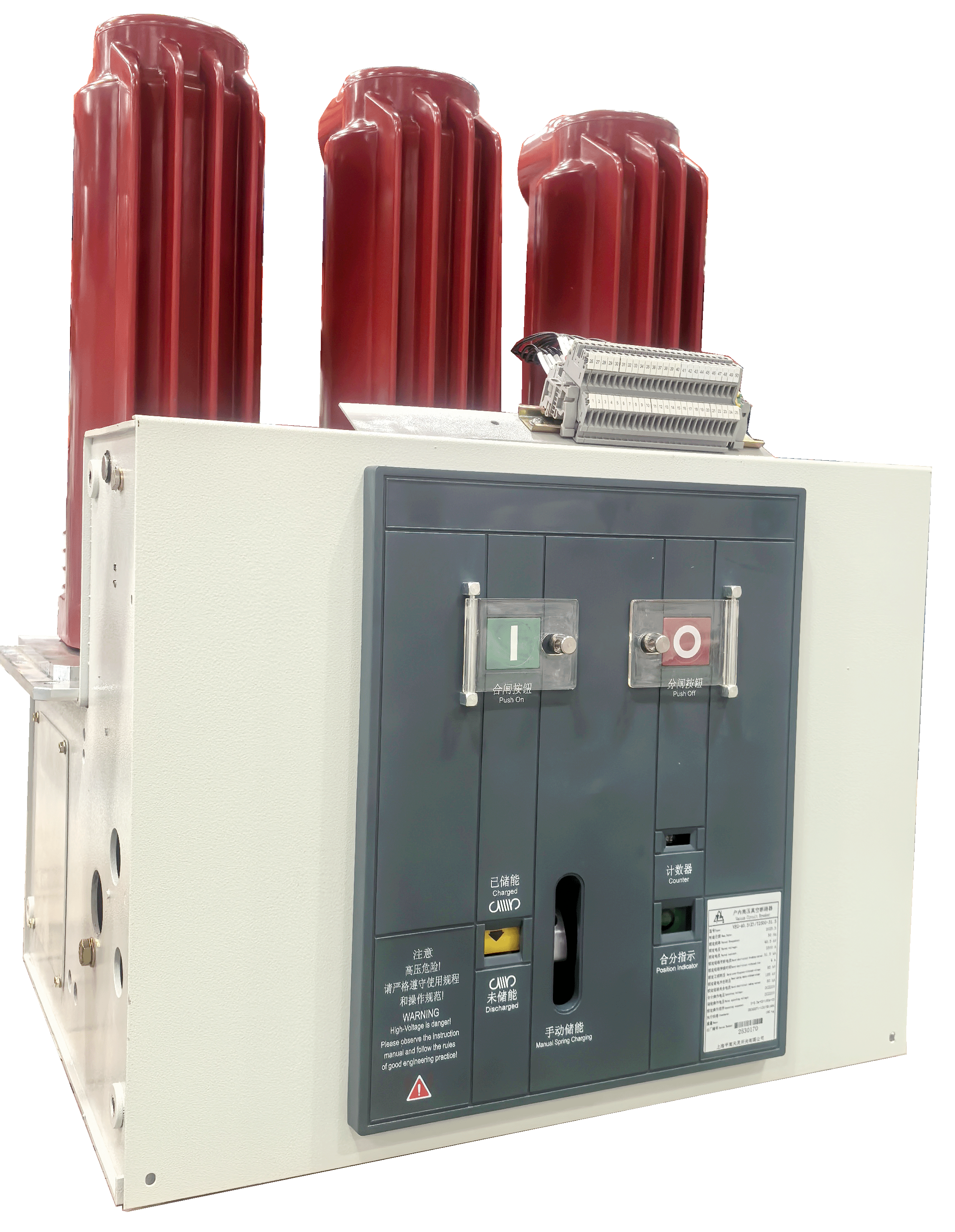
VEG-12/24/40.5 Series Vacuum Circuit Breaker
SHANGHAI PINGGAO TIANLING SWITCHGEAR CO., LTD.

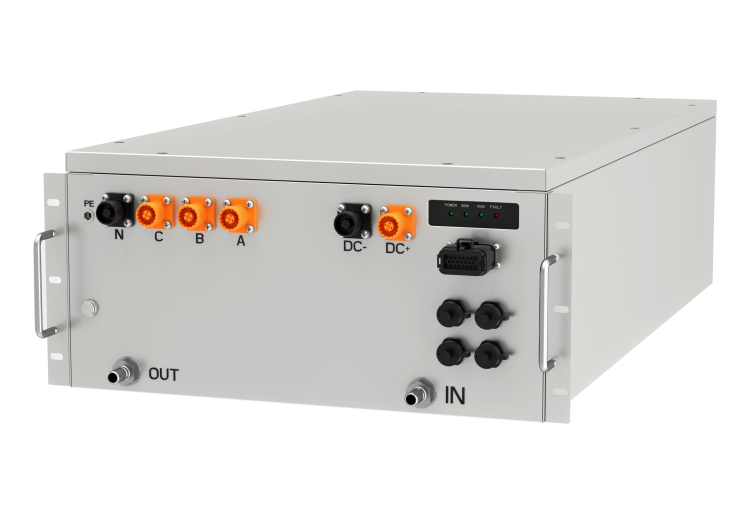
Mars (Liquid Cooling) Series Industrial and Commercial Energy Storage Converter High Protection Module
Shenzhen Winline Technology Co., Ltd.
Standard Nozzle Flowmeter
Jinggong Automatic Control Instrument Complete Technology Development Company