Submarine and DC Cables Are Growth Hotspots, Requiring High-End Wire and Cable Equipment
As offshore wind, cross-regional transmission, island power supply and long-distance renewable energy delivery expand, submarine cables and DC cables are becoming high-growth segments with strong technical barriers. The IEA’s report on transmission grid supply chains shows that cable procurement now takes two to three years, while waiting times for specialized components such as direct current cables can exceed five years. This indicates a clear bottleneck in global high-end cable supply chains.
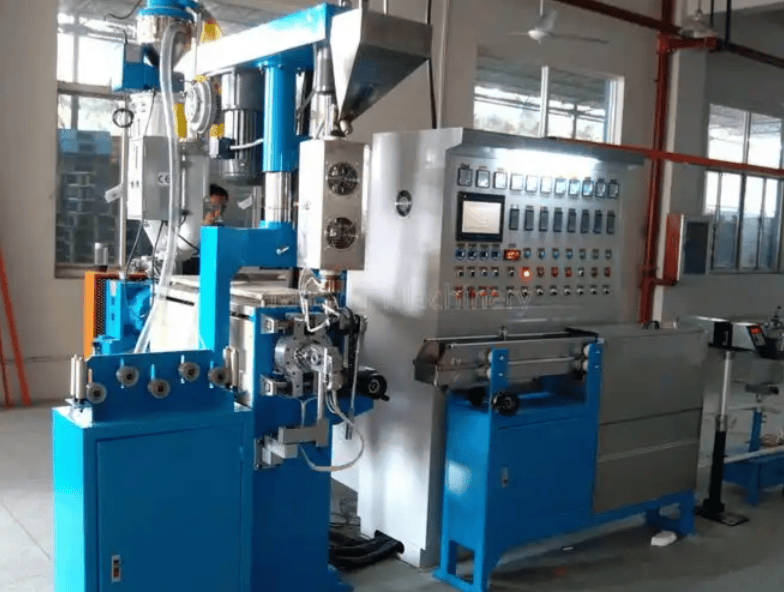 This trend is pushing Wire and Cable Equipment toward higher precision, longer production lengths, continuous operation and greater intelligence. Submarine cable production is different from ordinary power cable manufacturing. A single cable length can be extremely long, the structure is complex, and production continuity is critical. Any quality fluctuation during production may cause a whole section to be scrapped. DC cables require higher insulation cleanliness, space charge control, extrusion uniformity and partial discharge performance.
Submarine cable equipment involves more than extrusion lines. It includes conductor stranding, triple-layer co-extrusion, metallic sheathing, water-blocking structures, armoring, take-up and pay-off systems, turntable capacity, online inspection and final testing. For high-voltage DC cables, production lines need stricter cleanliness control, temperature control, tension control and long-term stable operation. Equipment weaknesses directly translate into product defects, and failures in high-voltage submarine cables are costly, slow to repair and highly disruptive.
From an industry perspective, submarine and DC cables are changing the rules of cable competition. Ordinary cable companies can still compete through cost and scale, but high-end cable markets emphasize manufacturing equipment, process databases, testing capability, project references and quality stability. Without advanced Wire and Cable Equipment, even companies that win orders may struggle to pass long-term reliability verification and strict owner audits.
Before entering submarine and DC cable markets, manufacturers should evaluate three issues. First, can the equipment support long-duration continuous stable production? Second, does the testing system cover key indicators such as insulation, partial discharge, withstand voltage, water blocking and mechanical performance? Third, can the process team build a repeatable database linking materials, equipment parameters and quality results? High-end cables cannot be produced simply by purchasing equipment. They require the combined capability of equipment, materials, process control, testing and engineering experience.
Related Products

Electromagnetic Fluid Seawater Floating Oil Separation and Recover Equipment
Huate Magnet Group Co., Ltd.
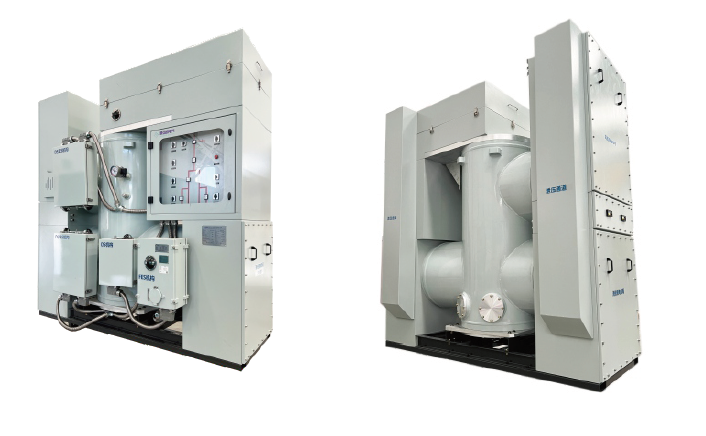
72.5kV 1250A 31.5kA SF6 free Gas-insulated Metal-enclosed Switchgear
Zhejiang Juhonkia Intelligent Electric Co., Ltd.
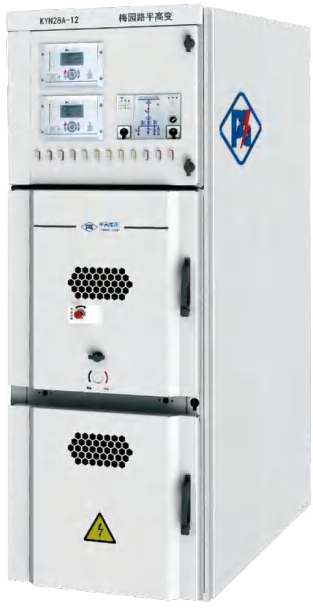
KYN28A-12 Metal Armored Removable Switchgear
Tianjin Ping Gao Intelligent Electric Co., Ltd.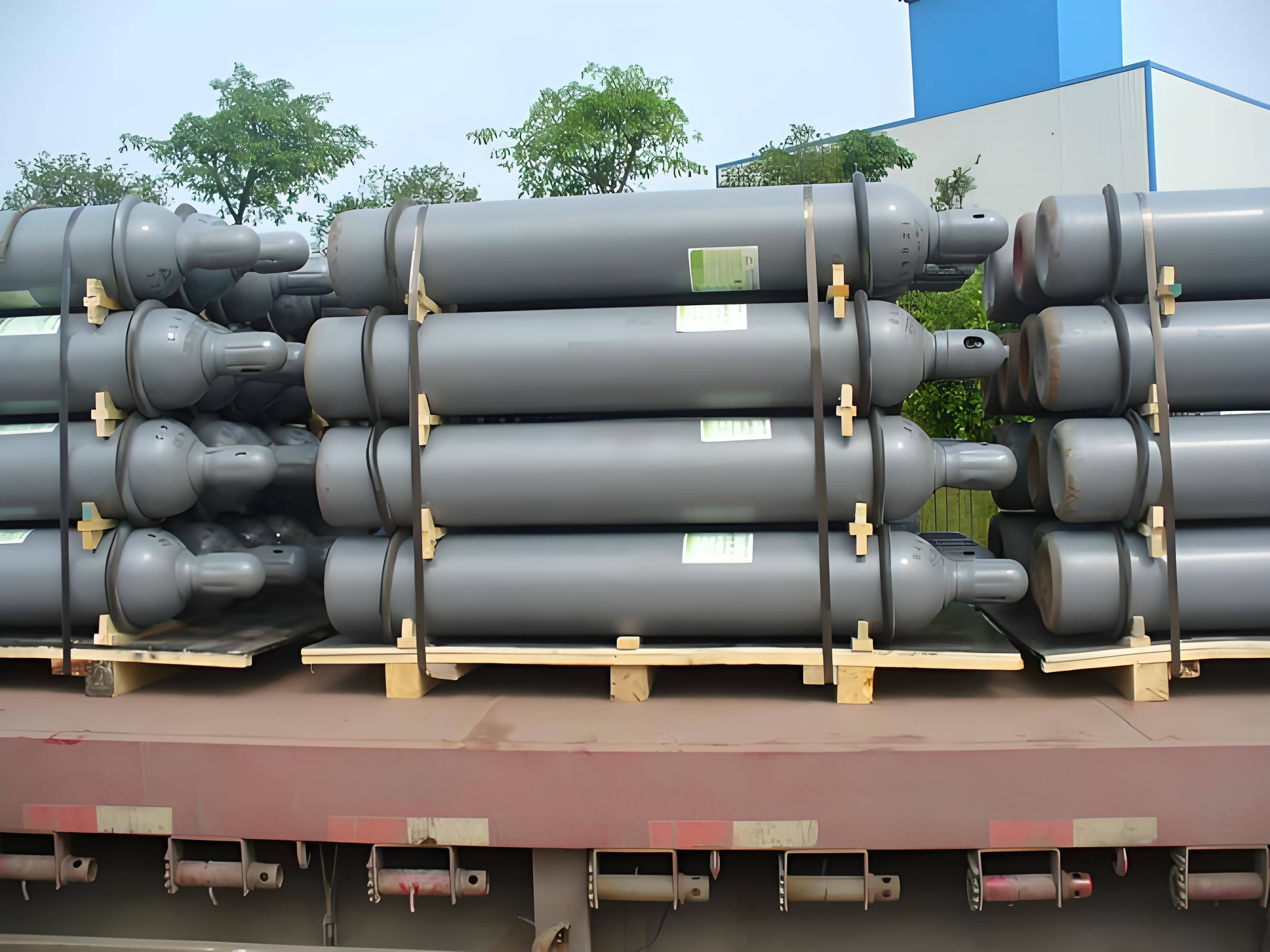
Global Sulfur Hexafluoride Gas Supply and Cylinder Export
Foshan Yuexin Industrial Gas Co., Ltd.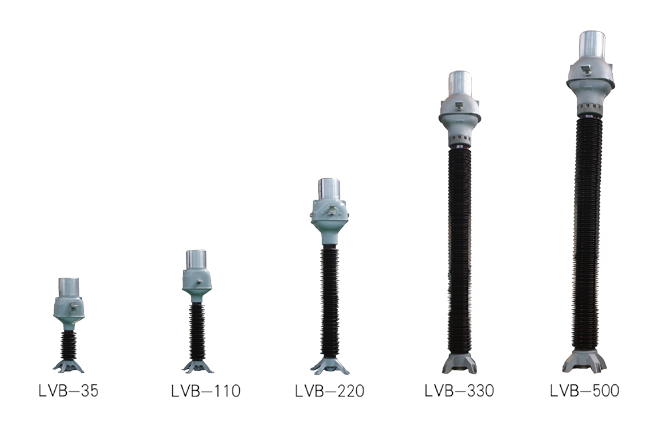
LVB Series 35-500kV Oil-immersed Inverted Current Transformer
Shandong TaiKai Instrument Transformer Co., Ltd.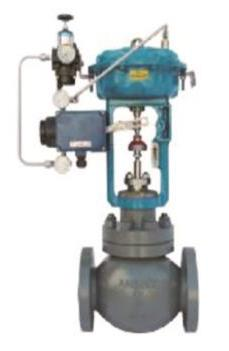
Quick-Change Single-Seat Control Valve / Quick-Change High-Pressure Single-Seat Control Valve
Beijing Consen Automation Technology Co., Ltd.