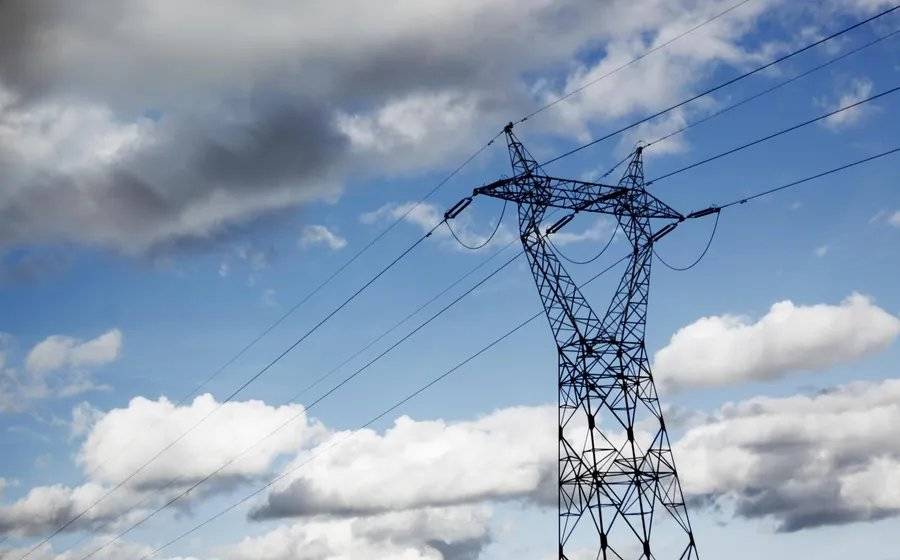
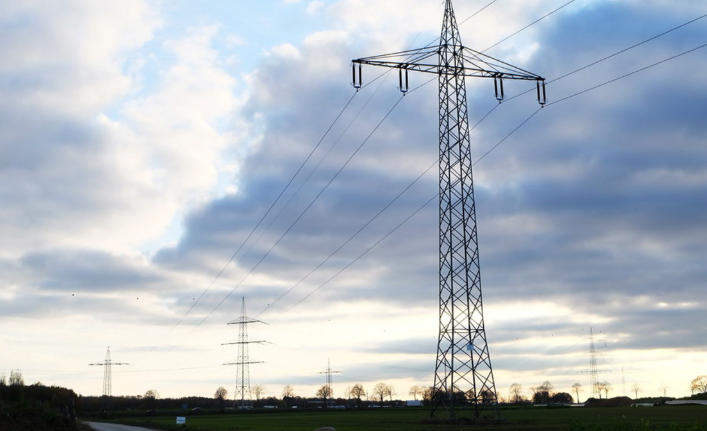
Global grid upgrades, renewable energy development and industrial electrification are creating new export opportunities for cable equipment. In Southeast Asia, the Middle East, Latin America, Africa and parts of Europe, power infrastructure construction is accelerating, raising demand for local production capacity in power cables, communication cables, building wires and renewable energy cables. Expansion of cable factories will naturally drive export demand for Wire and Cable Equipment.
However, exporting cable equipment is not simply about selling machines overseas. International customers care about whether the equipment can stably produce products that meet local standards. Entering the European market requires attention to CE, electrical safety, machinery safety and environmental requirements. North American markets focus on UL and CSA systems. Projects in the Middle East and Southeast Asia often reference IEC, BS and ASTM standards at the same time. If equipment cannot support the required cable structures, test items and certification needs, customers will hesitate to purchase.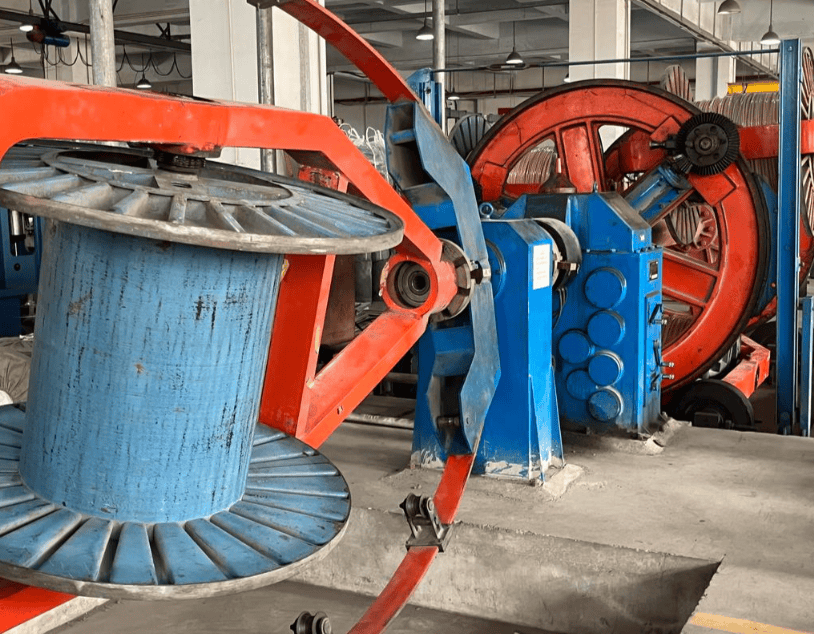 Local service is another key factor. Cable equipment installation takes time and involves mechanical systems, electrical systems, process tuning, dies, materials and testing. If commissioning is slow, training is insufficient or spare parts are unavailable, customer losses can be significant. Companies with overseas installation teams, remote diagnosis capability, English technical documentation, spare parts systems and process support are more likely to build long-term customer relationships.
Exported equipment must also adapt to local production conditions. In some markets, power supply stability is weak, operator skill levels vary and raw material supply is inconsistent. Equipment must therefore be tolerant, maintainable and user-friendly. Overly complex equipment without strong service support may not be suitable for emerging market customers.
In the future, Wire and Cable Equipment exporters should move from simple equipment sales to integrated services covering equipment, process know-how, training and certification support. Truly competitive suppliers do not merely ship equipment to customer factories; they help customers produce qualified cables stably and continuously improve quality and efficiency.