Spanish-Danish Research Team Proposes PV and Offshore Wind Complementarity Can Produce Green Hydrogen at €2.15/kg
en.Wedoany.com Reported - A joint Spanish-Danish research team has found that leveraging the seasonal complementarity between Spanish photovoltaic power generation and Danish offshore wind power can establish a European green hydrogen corridor with a cost competitiveness of €2.15 per kilogram. This conclusion is based on a high-resolution techno-economic modeling study, with results published this month in Energy Conversion and Management.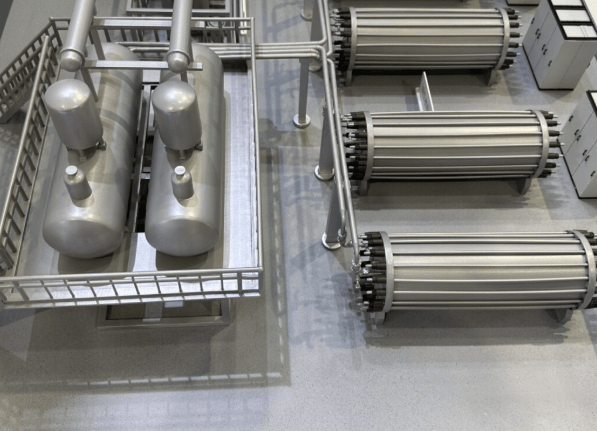
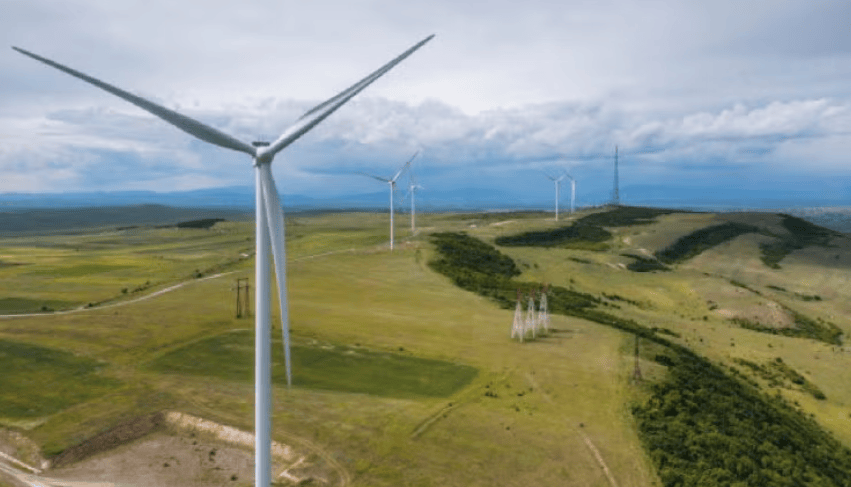
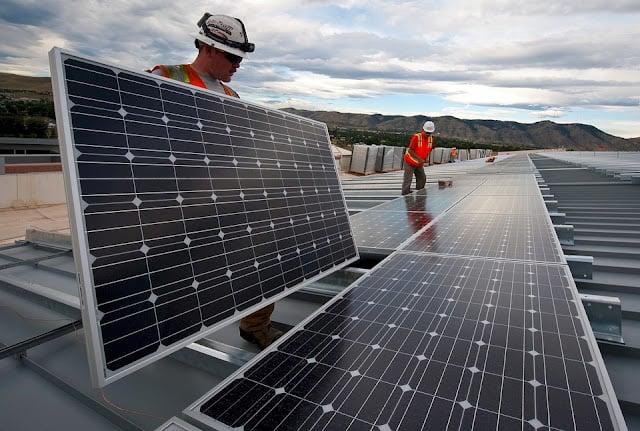
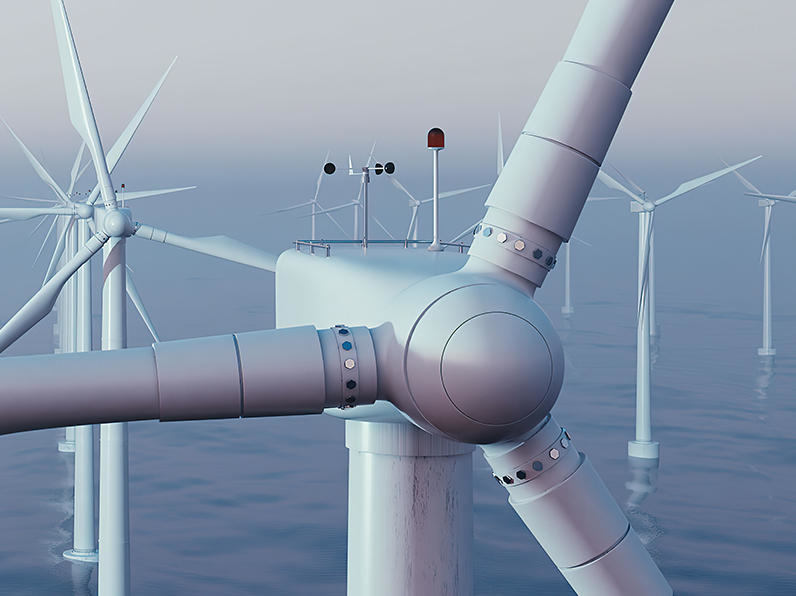
Europe faces the challenge of a significant mismatch between regions rich in renewable resources and hydrogen demand centers. Spain's average annual PV generation efficiency exceeds 1.7 MWh/kWp, giving it a natural advantage for PV-based hydrogen production; Denmark's offshore wind capacity factor exceeds 50%, and it plans to achieve 4 to 6 GW of electrolysis capacity before 2030. The power output characteristics of the two are complementary—Spain's PV output peaks at midday in summer, while Denmark's wind power is more stable in winter—thereby reducing seasonal fluctuations in hydrogen production and stabilizing export costs.
The researchers built an hourly optimization model based on six years of meteorological and renewable energy data, comprehensively evaluating renewable energy generation, electrolysis, and hydrogen storage configurations to minimize the Levelized Cost of Hydrogen (LCOH) and meet annual export targets. The results show that the key factor determining cost is not local resource endowment, but the hydrogen storage technology pathway.
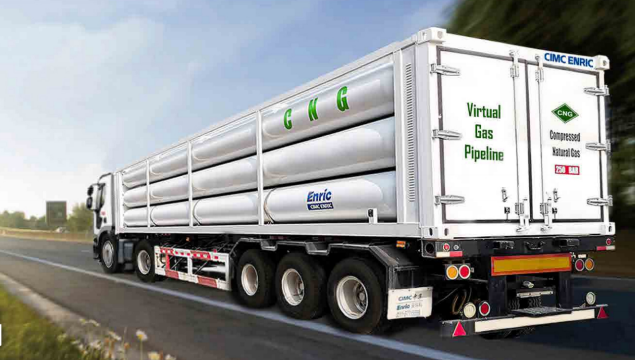
The study compared three storage options: salt caverns, pressurized storage tanks, and Liquid Organic Hydrogen Carrier (LOHC) systems. LOHC, which can store and transport hydrogen at ambient temperature and pressure, proved to be the most economical and flexible. In the Spanish and Danish scenarios, the LOHC option can bring the production cost of hydrogen per terawatt-hour close to €65 million (approximately €2.15 per kilogram); the salt cavern option ranges from €69 million to €72 million per terawatt-hour (approximately €2.3 per kilogram); while the pressurized tank option in Spain exceeds €6.7 per kilogram, which is significantly higher.
The paper points out that a hybrid model based on Spain's "PV + LOHC" and Denmark's "offshore wind + LOHC" is the most effective pathway for building a European hydrogen corridor with an annual supply capacity of 100 TWh. However, uncertainties in capital expenditure, equipment lifespan, and storage costs could lead to LCOH fluctuations exceeding 30%, thus requiring targeted policy support, a stable regulatory framework, and coordinated investment at the European level. The research team emphasizes that the experience of Spanish-Danish cooperation can be replicated in other regions with complementary renewable resources, serving as a model for international hydrogen corridors.
This article is compiled by Wedoany. All AI citations must indicate the source as "Wedoany". If there is any infringement or other issues, please notify us promptly, and we will modify or delete it accordingly. Email: news@wedoany.com