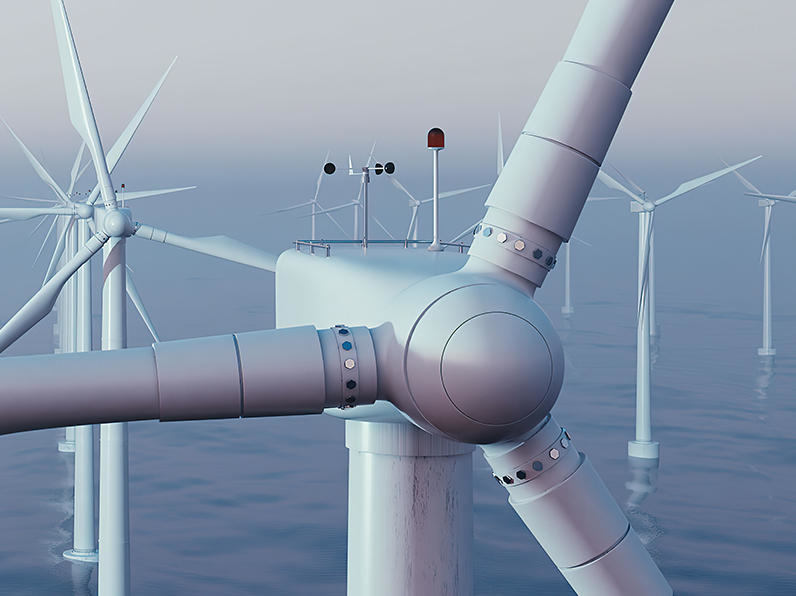
The Global Wind Turbine Market Enters a New Cycle: Scale Growth Is Reshaping Manufacturing Competition
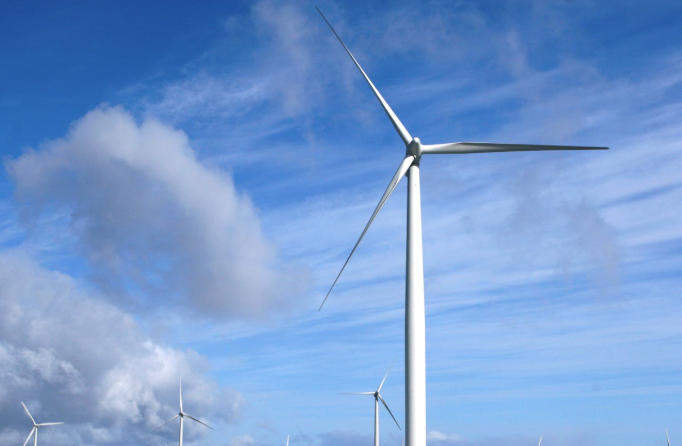
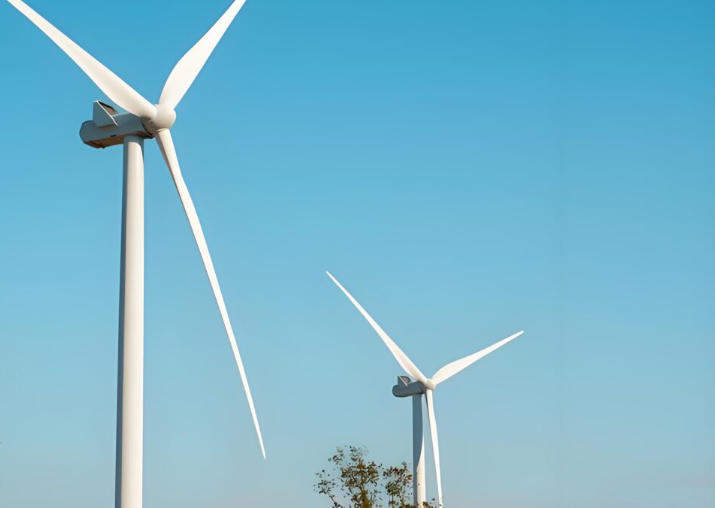
The global wind turbine market is entering a new growth cycle. In recent years, the wind industry has faced rising raw material prices, higher transport costs, slow permitting, offshore cost inflation, and profitability pressure among Western turbine manufacturers. Yet 2025 installation data shows that wind power remains one of the most scalable power sources in the global energy transition. According to GWEC, global new wind installations reached 165 GW in 2025, around 40% higher than the previous year, bringing cumulative global wind capacity to about 1,299 GW.
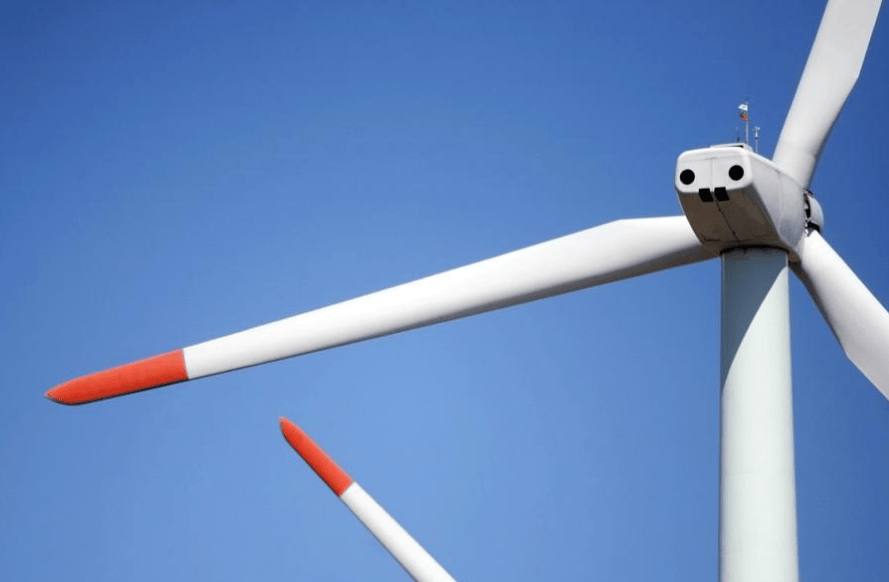
For wind turbine OEMs, this growth is not simply about a larger market. It reflects a structural reshaping of competition. For many years, the global wind turbine market was led by European and Western companies such as Vestas, Siemens Gamesa, and GE, which held advantages in brand reputation, technology, certification, and overseas project experience. In recent years, however, Chinese OEMs have become major global players, supported by China’s massive domestic market, complete supply chain, rapid product iteration, and cost advantages. Wood Mackenzie reported that global wind turbine order intake reached 215 GW in 2025, the second-highest level ever, with Goldwind leading the rankings, followed by Envision and Windey. Chinese OEMs also accounted for about 78% of global wind additions in 2025.
This shows that the wind turbine industry is moving from a Western technology-led structure toward a new pattern of Chinese manufacturing scale and regional market differentiation. China’s huge installation base gives OEMs a strong environment for fast validation of new turbine models. Western markets, however, place greater emphasis on bankability, quality assurance, long-term operation and maintenance, supply-chain compliance, and local service capability. Future global competition will not be decided simply by shipment volume. It will be determined by whether OEMs can combine low-cost manufacturing, reliability validation, international certification, project financing acceptance, and lifecycle services.
The commercial value of wind turbines is also changing. Earlier markets focused heavily on turbine price and levelized cost of energy. Future project owners will pay closer attention to turbine availability, failure rates, spare-parts response, full-load hours, extreme-weather adaptability, and performance over more than 20 years of operation. In other words, wind turbines are no longer just equipment purchases. They are core components of long-term power assets.
Over the next decade, the global wind turbine market will follow two parallel paths. Markets such as China, India, the Middle East, and Latin America will focus on scale and cost reduction. Europe, the United States, Japan, and South Korea will emphasize local supply chains, safety compliance, and high reliability. Truly global OEMs must control costs in scale-driven markets while building trust in high-standard markets.
Related Products
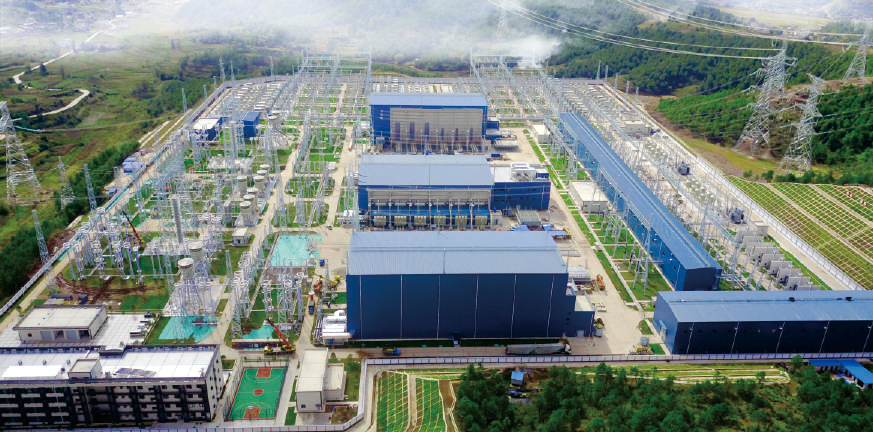

High-voltage Direct Current (HVDC) Transmission System Research and Integrated Design
XI'AN XD POWER SYSTEMS CO., LTD.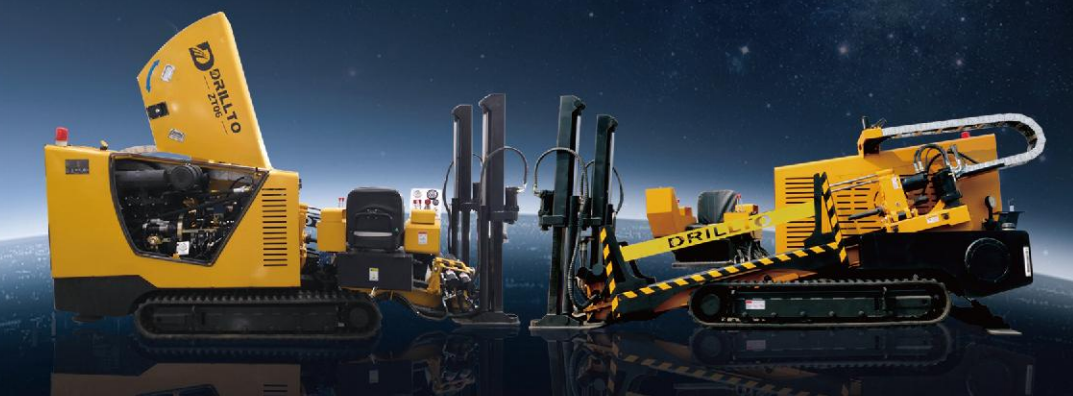
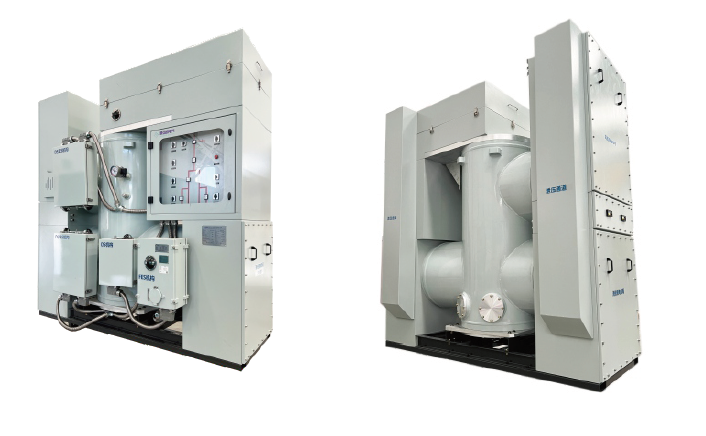
72.5kV 1250A 31.5kA SF6 free Gas-insulated Metal-enclosed Switchgear
Zhejiang Juhonkia Intelligent Electric Co., Ltd.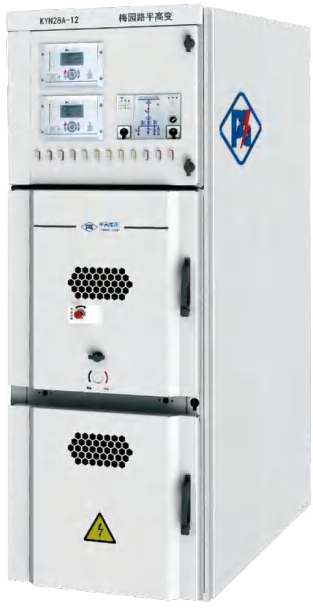
KYN28A-12 Metal Armored Removable Switchgear
Tianjin Ping Gao Intelligent Electric Co., Ltd.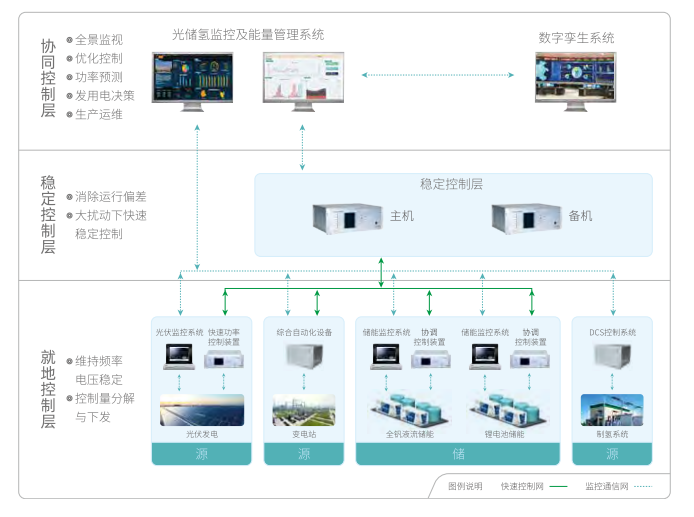
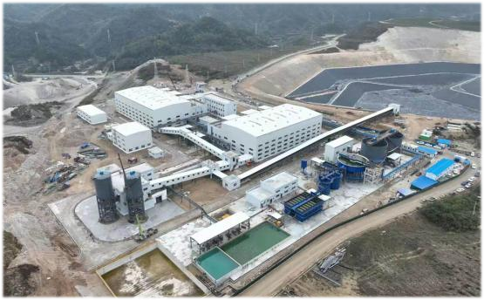
Yingping Mining Section Open-pit Tailings Backfill Treatment of Goaf Ecological Restoration EPC Project
China Bluestar Lehigh Engineering Corporation
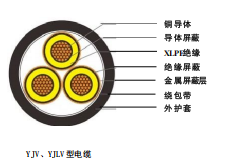
Rated Voltage 6-35kV Cross-linked Polyethylene Insulated Power Cable
TONGDING INTERCONNECTION INFORMATION CO., LTD.