Heavy-Icing and Strong-Wind Lines Require Higher Fatigue Resistance from Power Line Fittings
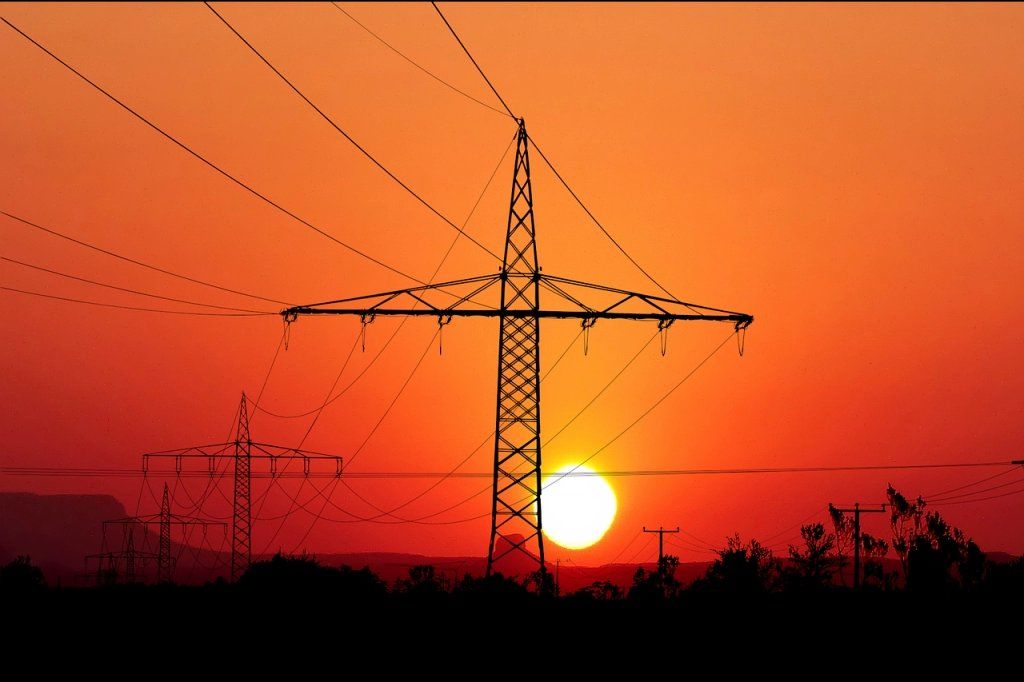
Heavy-icing and strong-wind regions are among the most typical high-risk environments for overhead transmission lines. Icing significantly increases vertical loads on conductors, ground wires and insulator strings, while strong winds cause conductor vibration, galloping and long-term fatigue at fitting connection points. In these regions, line safety depends not only on conductor and tower design, but also heavily on the grip strength, mechanical strength, wear resistance and fatigue resistance of Power Line Fittings.
As renewable energy delivery and cross-regional transmission demand grow, more lines need to cross mountain valleys, wind corridors, freezing rain regions and high-altitude areas. The IEA notes that annual grid investment must increase by around 50% from today’s level of about USD 400 billion by 2030, meaning more new and upgraded lines will enter complex climate zones.
In heavy-icing lines, tension clamps, suspension clamps, connecting fittings and insulator-string fittings experience much higher loads as ice thickness increases. If selection is based only on normal meteorological conditions, extreme icing may cause clamp slippage, fitting deformation, connection damage or even conductor failure. In strong-wind areas, aeolian vibration and sub-span oscillation are more likely. The proper configuration of vibration dampers, spacers, anti-galloping devices and protective fittings directly affects conductor and fitting service life.
Selection for wind and icing areas should follow three principles. First, fittings should be designed by line section, rather than applying one uniform configuration across the entire route. Second, dynamic load and fatigue life should be emphasized, not only static breaking load. Third, maintenance feedback should be used to optimize configuration based on historical icing, wind speed, broken strands, wear and fitting looseness.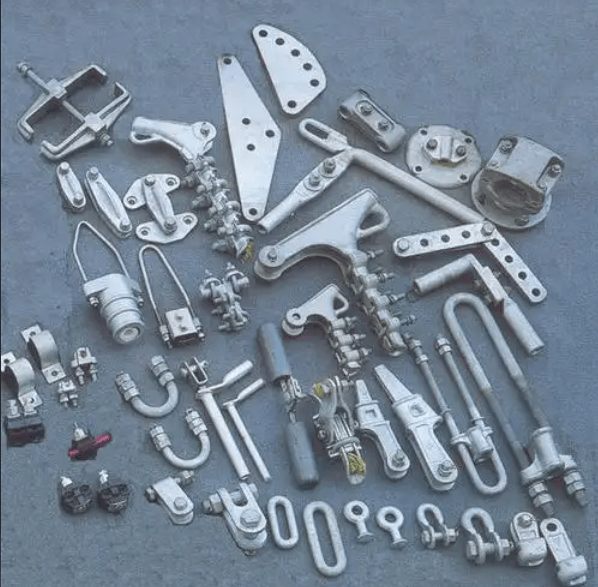 Problems often occur when design parameters appear adequate but real conditions are underestimated. Some lines operate normally in ordinary weather but experience damper displacement, clamp wear, jumper overheating or loose bolts after extreme events. This indicates that selection and inspection did not fully consider long-term fatigue. A better approach is to combine meteorological data, span length, conductor type, terrain wind field and historical fault data in one verification system.
As extreme weather becomes more frequent, fitting design and procurement must move from “meeting normal requirements” to “remaining controllable under extreme conditions.” In heavy-icing and strong-wind areas, the real value of Power Line Fittings lies not in appearance or price, but in their reliability after years of complex alternating loads.
Related Products

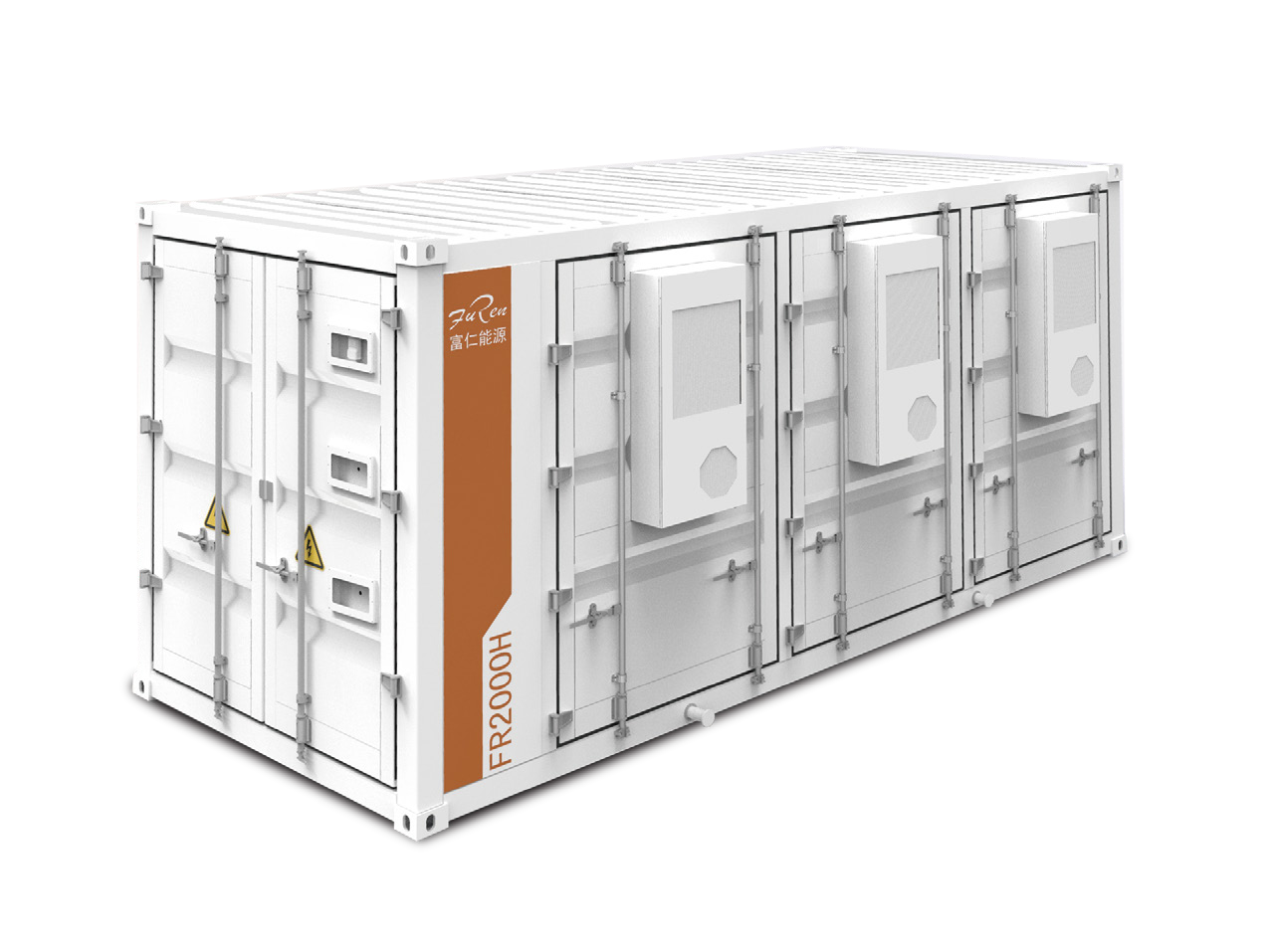
FR2000H 2.15MWh (Air-cooled) 20-foot Containerized Energy Storage System
Jiangyin Furen High-tech Co., Ltd.

G.652.D Wavelength-extended Non-dispersion Shifted Single-mode Optical Fiber
HONGAN GROUP CO., LTD.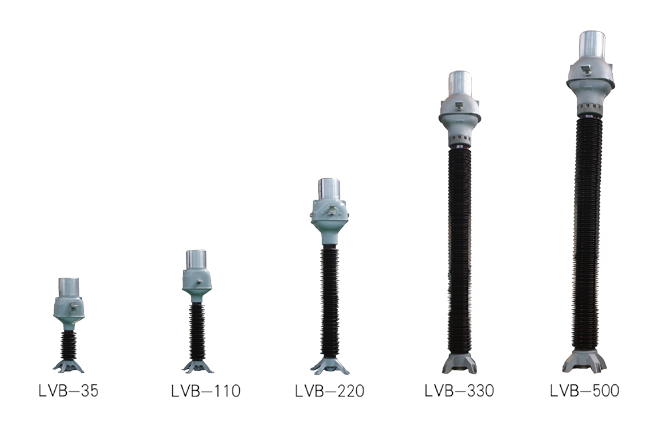
LVB Series 35-500kV Oil-immersed Inverted Current Transformer
Shandong TaiKai Instrument Transformer Co., Ltd.