Renewable Energy Delivery Is Upgrading Power Line Fittings, with Environmental Adaptability Becoming Critical
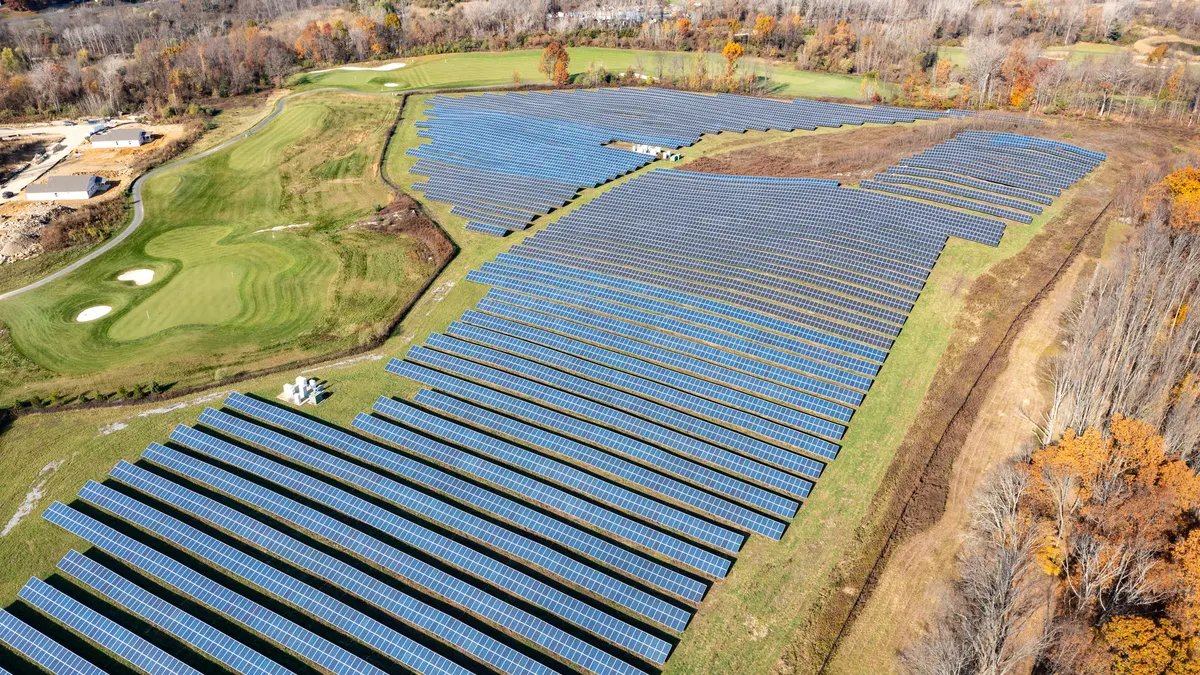
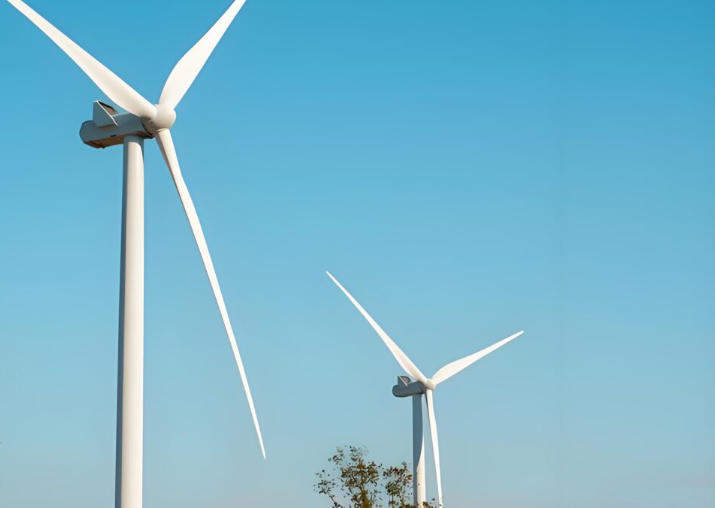
The large-scale development of renewable energy bases is changing the operating environment for power line fittings. Traditional transmission lines were often built around load centers and conventional power sources, while wind and solar bases are increasingly located in deserts, Gobi regions, plateaus, mountains and coastal areas. These regions often face strong winds, sand, salt fog, low temperatures, icing, high altitude and large day-night temperature differences. Line fittings must therefore meet not only basic mechanical connection requirements, but also more complex environmental stress conditions.
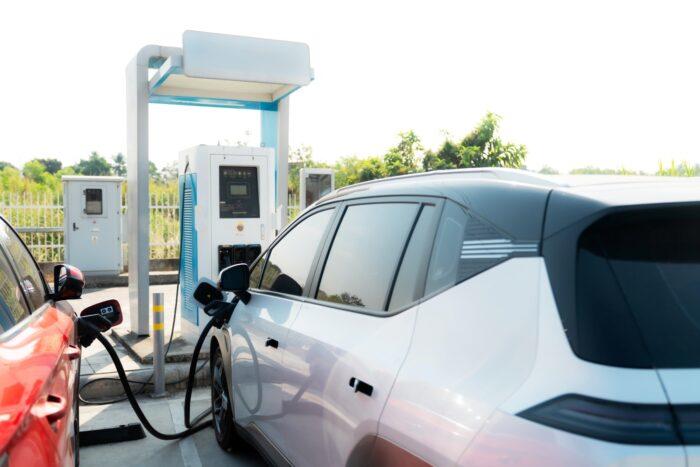
In Electricity 2026, the IEA notes that global electricity demand will grow strongly through 2030, driven by renewables, electric vehicles, data centers and industrial electricity use. At the same time, many renewable energy and large-load projects face connection queues or delays due to insufficient grid capacity, making grid expansion and renewable energy delivery capability a key bottleneck.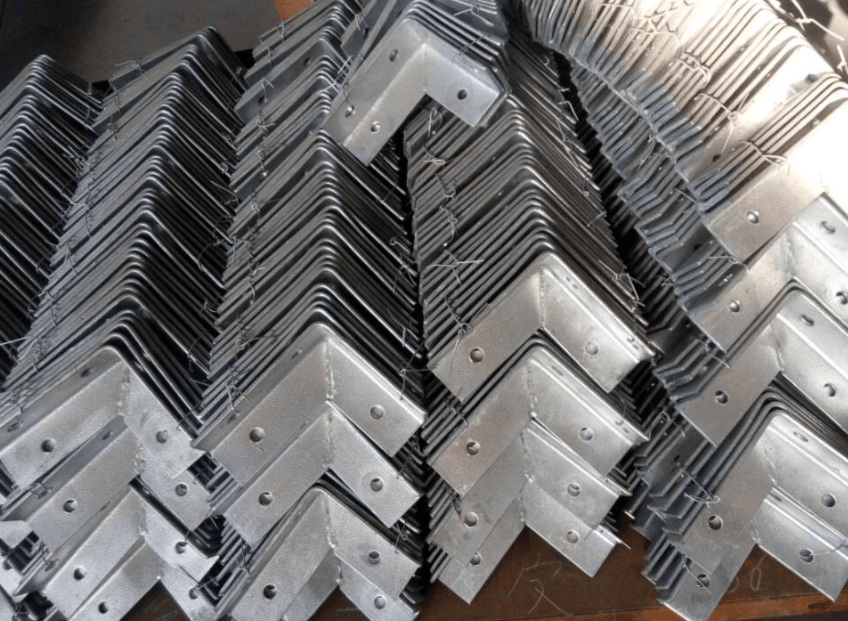 In renewable energy delivery projects, Power Line Fittings should be selected not only to meet basic load requirements, but to adapt to complex environments. In deserts and Gobi regions, fittings should be evaluated for abrasion resistance, sand protection and temperature-difference performance. In coastal and offshore wind delivery lines, salt-fog corrosion and material protection are critical. In high-altitude areas, corona, discharge and insulation coordination require attention. In heavy-icing regions, mechanical load, clamp grip strength and fatigue resistance must be carefully checked.
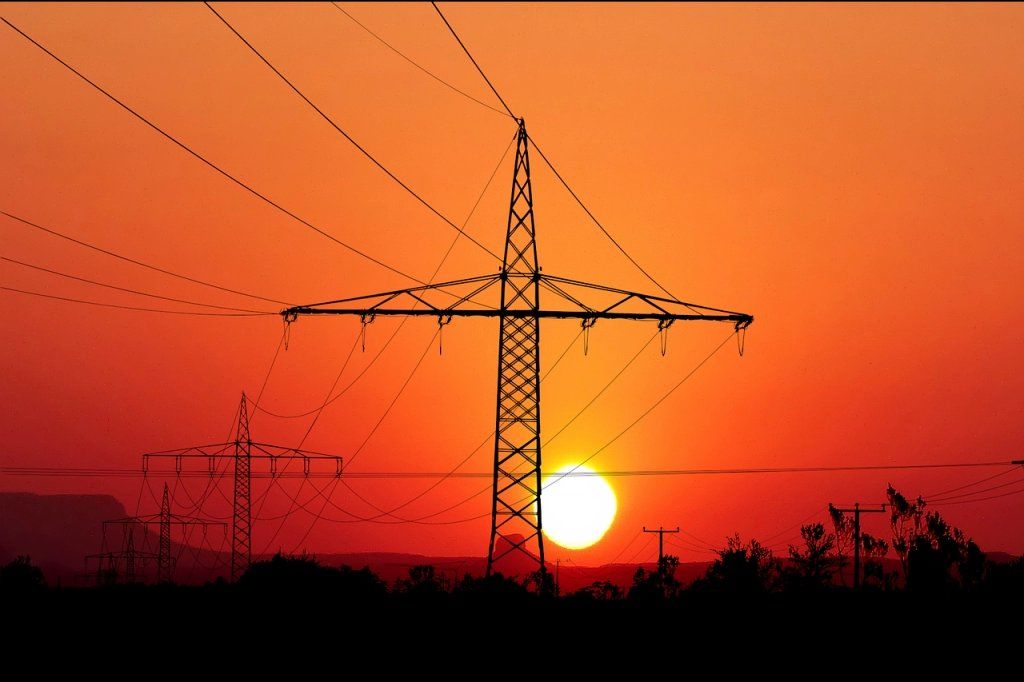
Renewable energy lines also tend to be long, remote and difficult to maintain. Some tower sites have poor access conditions. If fittings are unstable, later replacement costs can be much higher than on ordinary lines. Therefore, project owners should not reduce procurement to unit-price comparison. Suppliers should provide environmental adaptation tests, salt spray tests, fatigue tests, vibration-control calculations and project references. For wind and icing areas, fittings should be configured according to microclimate data rather than using identical standard parts across the entire line.
Future renewable energy competition will not only be about installed capacity. It will also be about the reliability of delivery lines. Power fittings may be small, but they directly affect conductor stability, insulator-string stress, vibration control, galloping prevention and long-term safety. High-quality Power Line Fittings will be critical for renewable energy bases to move from fast construction to stable delivery.
Related Products

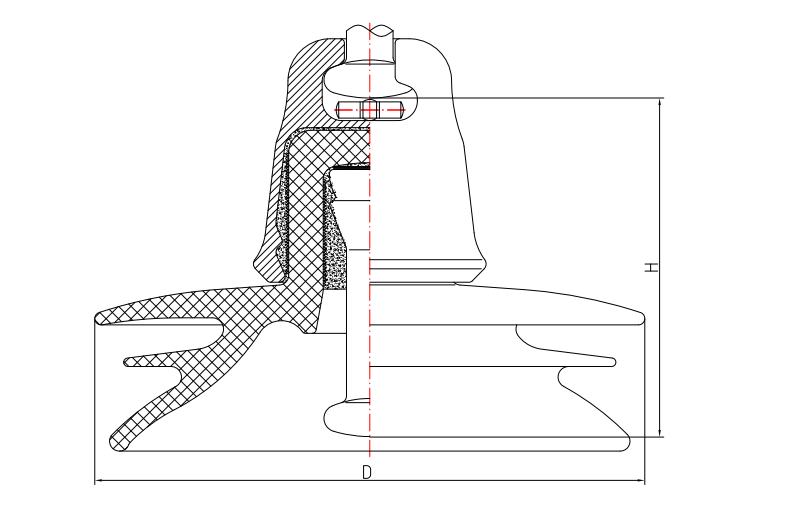
Post-type AC Pollution-resistant Disc Suspension Porcelain Insulator (Triple Umbrella Type)
Shandong High Voltage Insulator Co., Ltd.
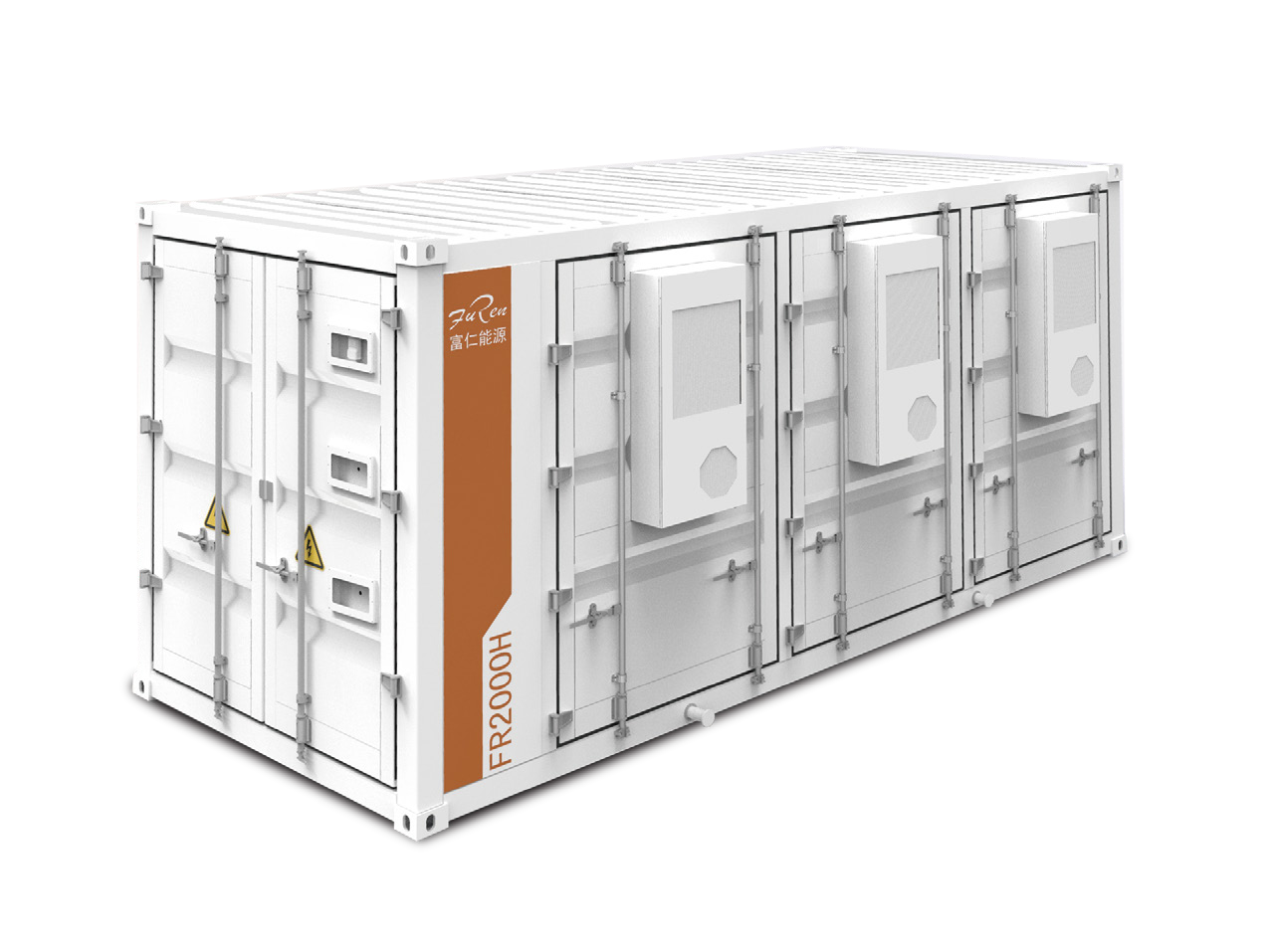
FR2000H 2.15MWh (Air-cooled) 20-foot Containerized Energy Storage System
Jiangyin Furen High-tech Co., Ltd.
Oil-immersed Amorphous Alloy Core Distribution Transformer
Pinggao Group Smart Electric Co., Ltd.