Distribution Network Upgrades Are Shifting Demand from Low-Cost to High-Reliability Power Line Fittings
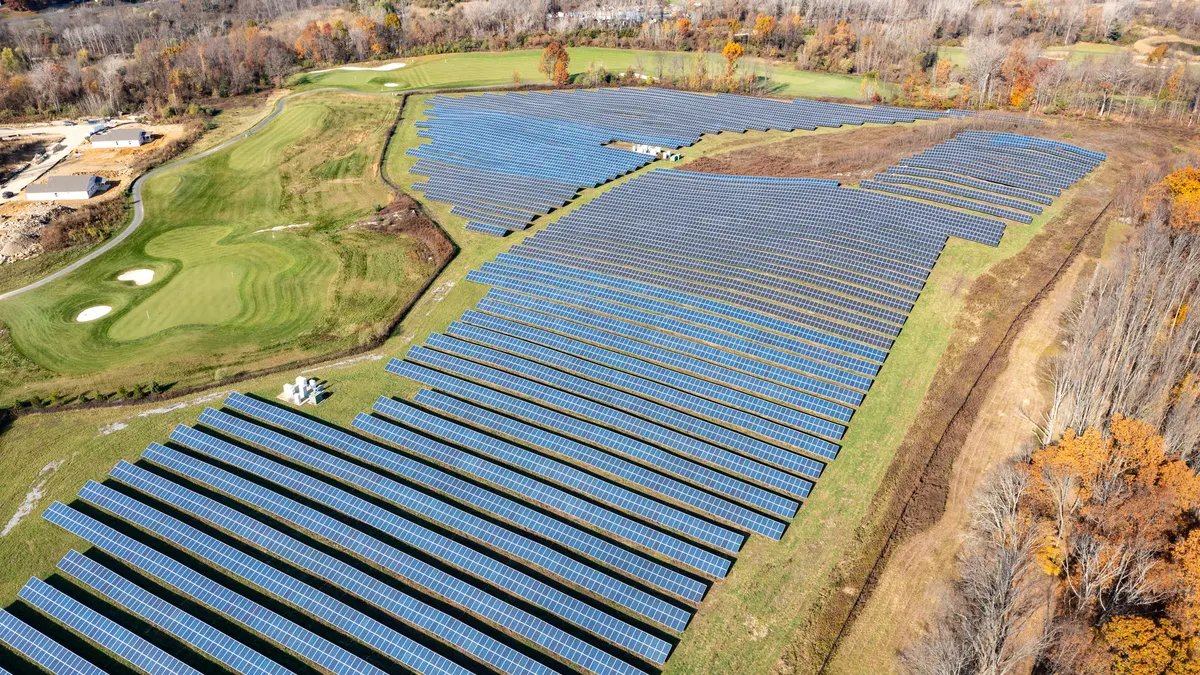
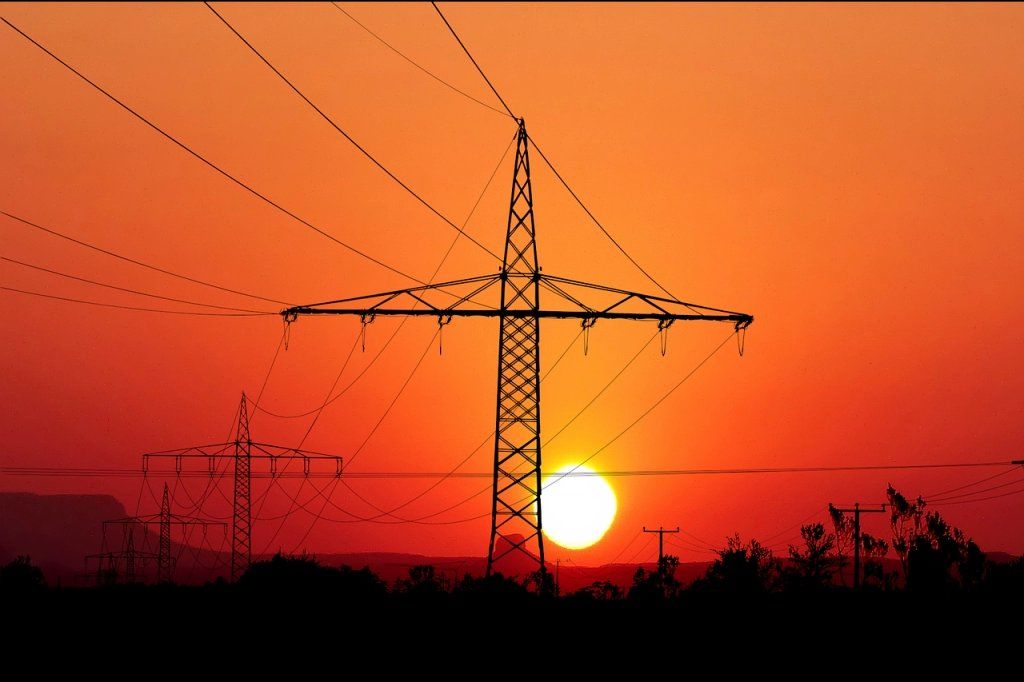
Distribution networks are the final link between power sources and end users, and they are becoming one of the most stressed parts of the electricity system. Electric vehicle charging, distributed PV, commercial and industrial storage, heat pumps, data centers and smart manufacturing loads are increasing rapidly, creating more complex operating conditions for medium- and low-voltage lines and distribution areas. The IEA highlights the need for significantly higher grid investment, with distribution grid digitalization, aging network upgrades and improved connection capacity as key priorities.
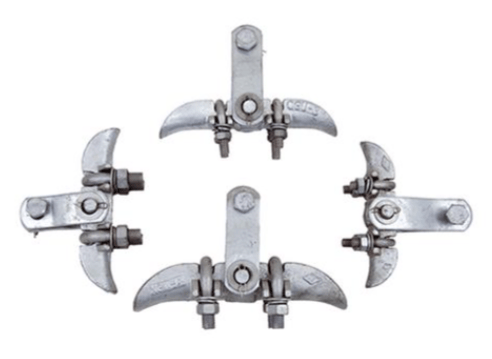
In distribution network upgrades, the importance of Power Line Fittings is often underestimated. Distribution lines use large quantities of parallel groove clamps, insulation piercing connectors, tension clamps, suspension fittings, grounding fittings, guy wire fittings and fittings for covered conductors. Because unit prices are low, many projects treat fittings as ordinary auxiliary materials, which can lead to high contact resistance, overheating, looseness, corrosion, insulation damage and poor joints.
 The main risk in distribution systems is scale and dispersion. A single poor connection can cause low-voltage line overheating, abnormal voltage, customer outages or even fire risk. In areas with high distributed PV penetration, reverse power flow and load fluctuations make the thermal stability and contact reliability of connection fittings even more important.
Future selection of distribution line fittings should focus on three indicators. The first is electrical contact performance, including contact resistance, temperature rise and long-term stability. The second is environmental adaptability, including corrosion resistance, waterproofing, UV resistance and aging resistance. The third is installation consistency. For insulation piercing connectors, parallel groove clamps and covered-conductor fittings, torque, installation process and workmanship directly affect performance.
Distribution network upgrade projects should establish fitting quality blacklists and typical fault databases, linking overheating, burnout, loosening, corrosion and poor contact cases to product models, manufacturers and construction teams. Procurement should not be based only on the lowest bid. Operating failure rates, sampling inspection results and after-sales response should be included in evaluation. As distribution network upgrades deepen, Power Line Fittings must shift from low-cost consumables to high-reliability standard components.
Related Products

Perfluorinated Ionic Membrane-CM-10N Series Membrane
Guizhou Juneng Century Technology Co., Ltd
MESS8201-2507/5015-BN Prefabricated Liquid-cooled Energy Storage Battery Container
Xuchang Xuji Electric Science Energy Storage Technology Co., Ltd.
IGBT Hydrogen Production Power Supply - High Power Air Cooling
Beijing Zhengzhuo Engineering Technology Co., Ltd.
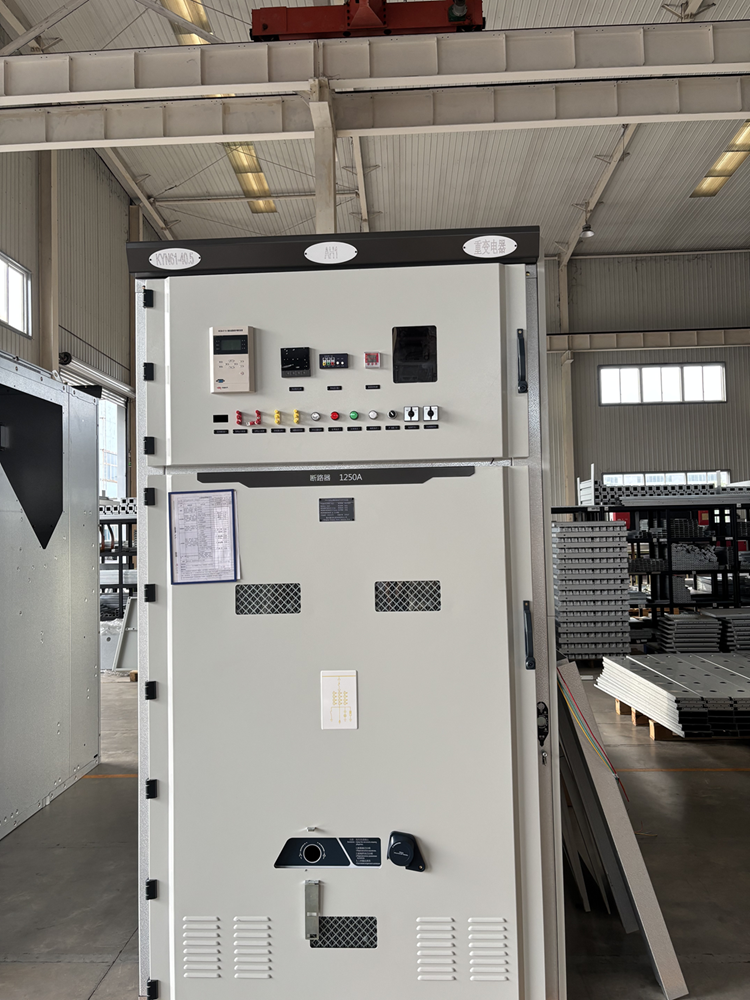
KYN61-40.5 Indoor AC Metal-clad Removable Switchgear
Chongqing Transformer Co., Ltd.
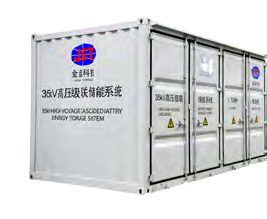
6kV-35kV Medium and High Voltage Direct-Connected Energy Storage System
Hainan Jinpan Smart Technology Co., Ltd.