Brazil's 2025/2026 Grain Production Expected to Reach 350 Million Tons, Storage Capacity Shortfall Exceeds 124 Million Tons
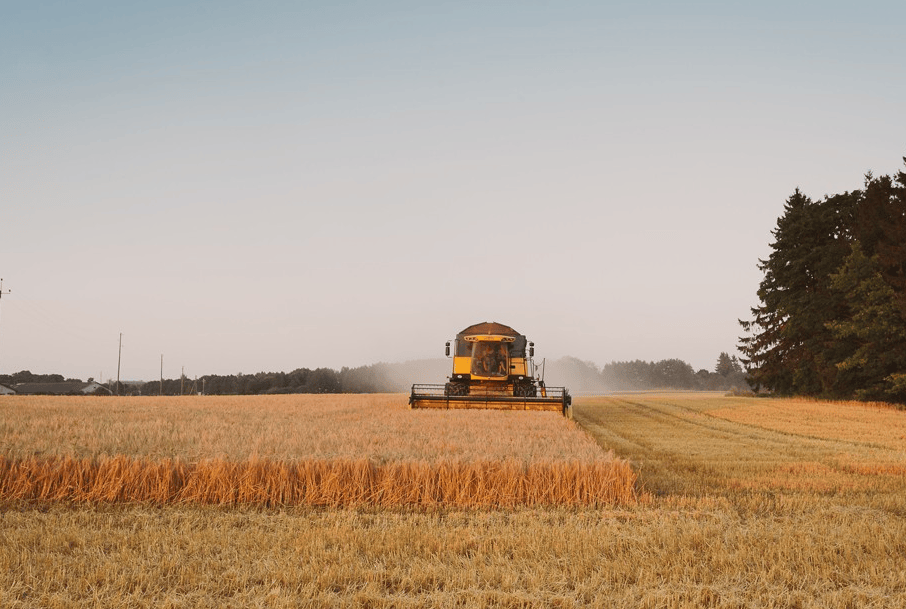
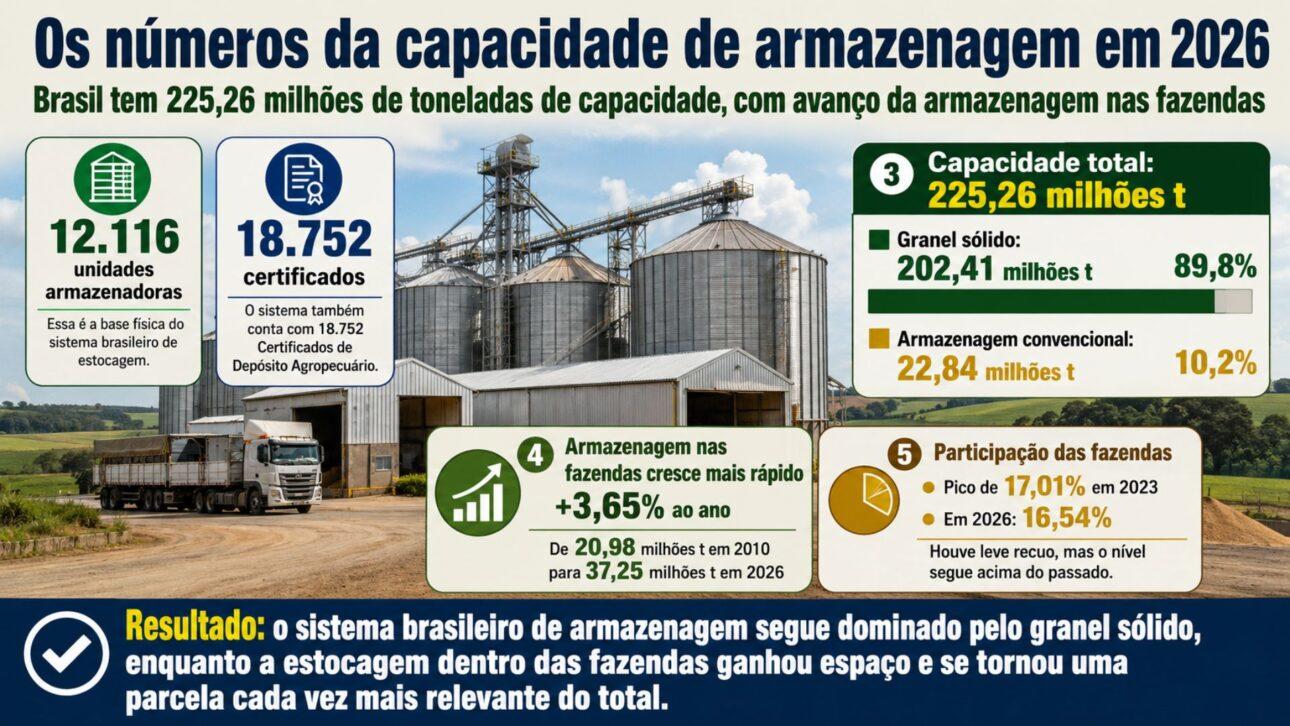
en.Wedoany.com Reported - Data from Brazil's National Supply Company (Conab) shows that the country's grain production for the 2025/2026 harvest is expected to reach 350 million tons, but the existing storage capacity is only 225.26 million tons, covering just 59% of the output. The shortfall exceeds 124 million tons, a gap equivalent to almost the entire agricultural production of Argentina.
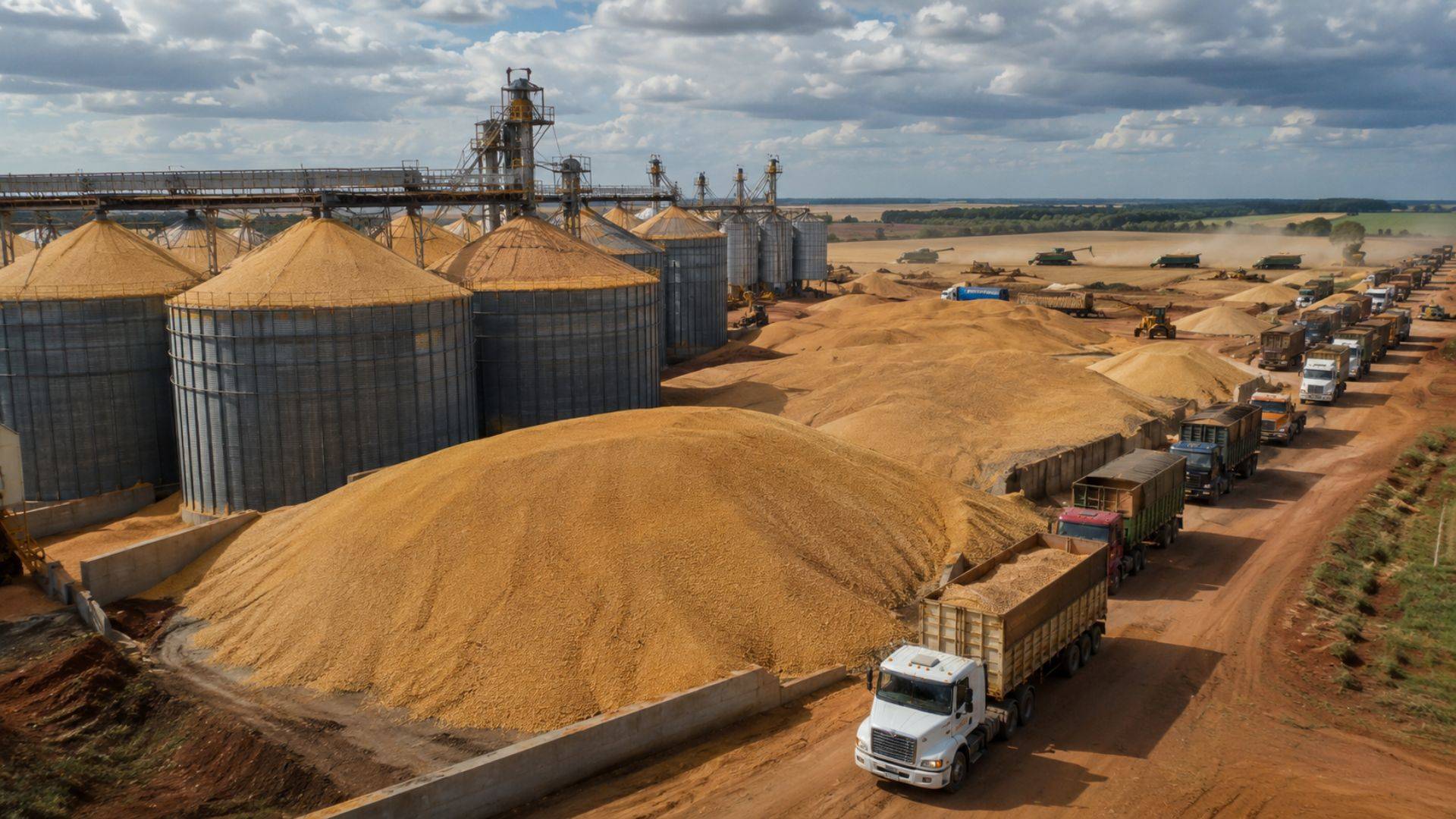
Data from Conab's National Registry System of Storage Units shows that Brazil's storage system consists of 12,116 storage units and 18,752 agricultural storage certificates. Of the total storage capacity of 225.26 million tons, the bulk solid system accounts for 202.41 million tons, and conventional storage accounts for 22.84 million tons. Since 2010, storage capacity has increased from 140.55 million tons to 225.26 million tons, an average annual growth of 2.99%; during the same period, grain production doubled, causing the gap between harvest volume and storable quantity to continuously widen.
The development of on-farm storage capacity has outpaced the national average, with an average annual growth of 3.65%. Rural property stockpiles jumped from 20.98 million tons in 2010 to 37.25 million tons in 2026. The share of farms in total storage capacity peaked at 17.01% in 2023, before slightly retreating to 16.54% in 2026.
Storage infrastructure is concentrated in the main producing regions. The Central-West region leads with 92.63 million tons and 3,158 storage units; the South region has a storage capacity of 74.21 million tons and the highest number of storage units in the country at 5,526. The Southeast has a storage capacity of 33.1 million tons, the Northeast 16.61 million tons, and the North 8.69 million tons. Among the states, Mato Grosso leads with 57.9 million tons, followed by Paraná with 35.9 million tons and Rio Grande do Sul with 33.4 million tons.
The storage capacity shortfall forces producers to sell their grain immediately after harvest, unable to wait for more favorable market timing. Supply pressure during the harvest period depresses prices, shifting bargaining power to buyers. Furthermore, improper storage conditions expose grain to moisture, pests, and contamination, causing physical losses and reducing product value. The lack of storage also concentrates logistics in the harvest months, overloading roads, railways, and ports and driving up freight costs.
Conab points out that the average annual storage capacity growth of 2.99% is insufficient to keep pace with the rate of production expansion. To prevent the gap from widening, the pace of constructing new silos and warehouses needs to at least double, requiring investments that the private sector alone cannot complete at the necessary speed. The federal government maintains subsidized credit lines for the construction of on-farm warehouses, and Conab recommends an ideal static storage capacity of at least 120% of production. The share of farms in total storage capacity increased from 14.93% in 2010 to 16.54% in 2026, indicating some growth but far from resolving the shortfall issue.
This article is compiled by Wedoany. All AI citations must indicate the source as "Wedoany". If there is any infringement or other issues, please notify us promptly, and we will modify or delete it accordingly. Email: news@wedoany.com
Related Products
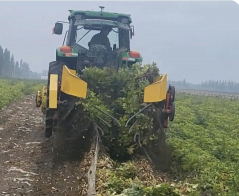

4HS-8 High-efficiency Peanut Inverted-laying Harvester
Hebei Yongfa Hongtian Agricultural Machinery Manufacturing Co., Ltd.
714CD Series C-Band Weather Radar
Chengdu Zhongdian Jinjiang Information Industry Co., Ltd.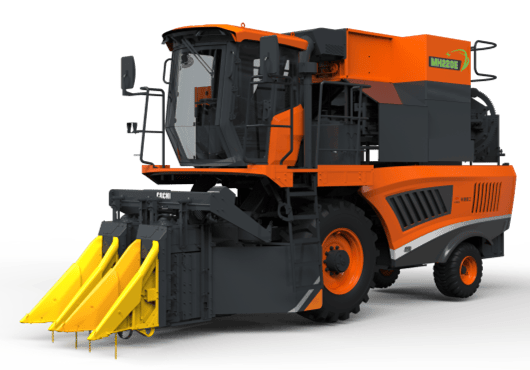
MH220E Two-Row Hybrid Packaged Cotton Picker
CHINA RAILWAY CONSTRUCTION HEAVY NDUSTRY XINJIANG CO., LTD.
Industrial and Commercial Point-Type Gas Detector
Jinan Benan Technology Development Co., Ltd.