ETH Zurich Students Successfully Ignite 3D-Printed Copper Rotating Detonation Rocket Engine
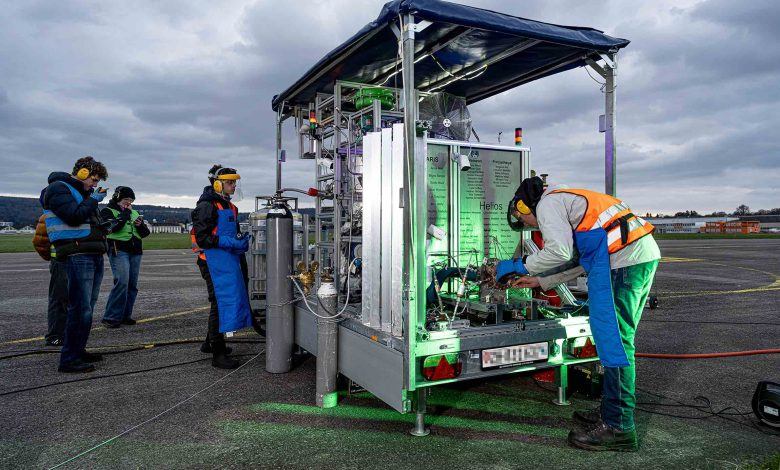
en.Wedoany.com Reported - A student team from the Aris Swiss Student Space Program at ETH Zurich has successfully generated stable detonation waves during ground testing of their Rotating Detonation Rocket Engine (RDRE), whose combustion chamber and injector were both manufactured using metal 3D printing. The 20-person team, named Pegasus, achieved three confirmed detonation waves on their second attempt during an ignition test at Dübendorf Airfield.
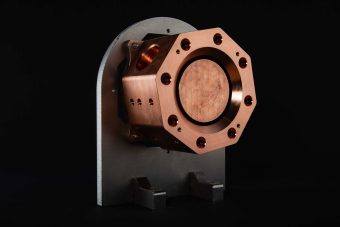
The hexagonal combustion chamber, roughly the size of a dinner plate, was printed from copper and equipped with an iterative injector prototype. The Pegasus team stated that Aris's successful ignition makes them the first student team globally to successfully ignite a liquid-fueled RDRE, a type of engine previously tested in only about a dozen countries.
The injector was developed by Mattia Röösli, a third-year mechanical engineering student, as part of ETH Zurich's Focus project course. Metal 3D printing technology enabled the team to rapidly transition from the sketching and calculation phase to physical hardware production. Röösli explained that the process begins with sketching and team discussions, where others point out unconsidered issues, followed by further calculations and drawings, breaking down large problems into smaller, solvable ones. When the first prototypes are on the table, new challenges emerge.
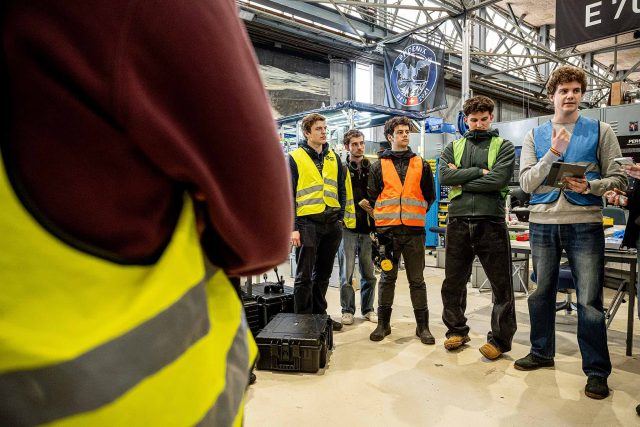
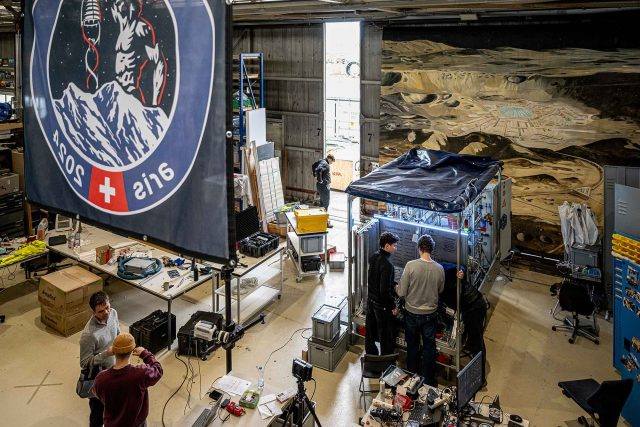
RDREs are expected to deliver 10% to 20% more power than conventional combustion engines using the same amount of fuel, with detonation waves cycling up to 20,000 times per second in the annular combustion chamber. The resulting pressure and temperature place stringent demands on materials, but printed copper can meet these constraints through geometric complexities unattainable with traditional manufacturing. NASA has successfully fired an RDRE on a ground test stand, a Polish institute has tested a liquid-fueled variant, and Japan has ignited such an engine in outer space. Röösli noted that engaging with the forefront of RDRE research is feasible even at the undergraduate level, requiring no extraordinary talent; one can develop a rocket engine after two years of study, simply by proceeding step by step and helping each other.
This article is compiled by Wedoany. All AI citations must indicate the source as "Wedoany". If there is any infringement or other issues, please notify us promptly, and we will modify or delete it accordingly. Email: news@wedoany.com
Related Products


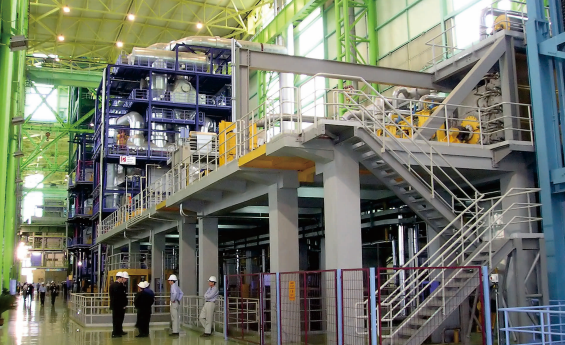
Strip Coating and Plating Production Line Equipment
MCC-SFRE HEAVY INDUSTRY EQUIPMENT CO., LTD.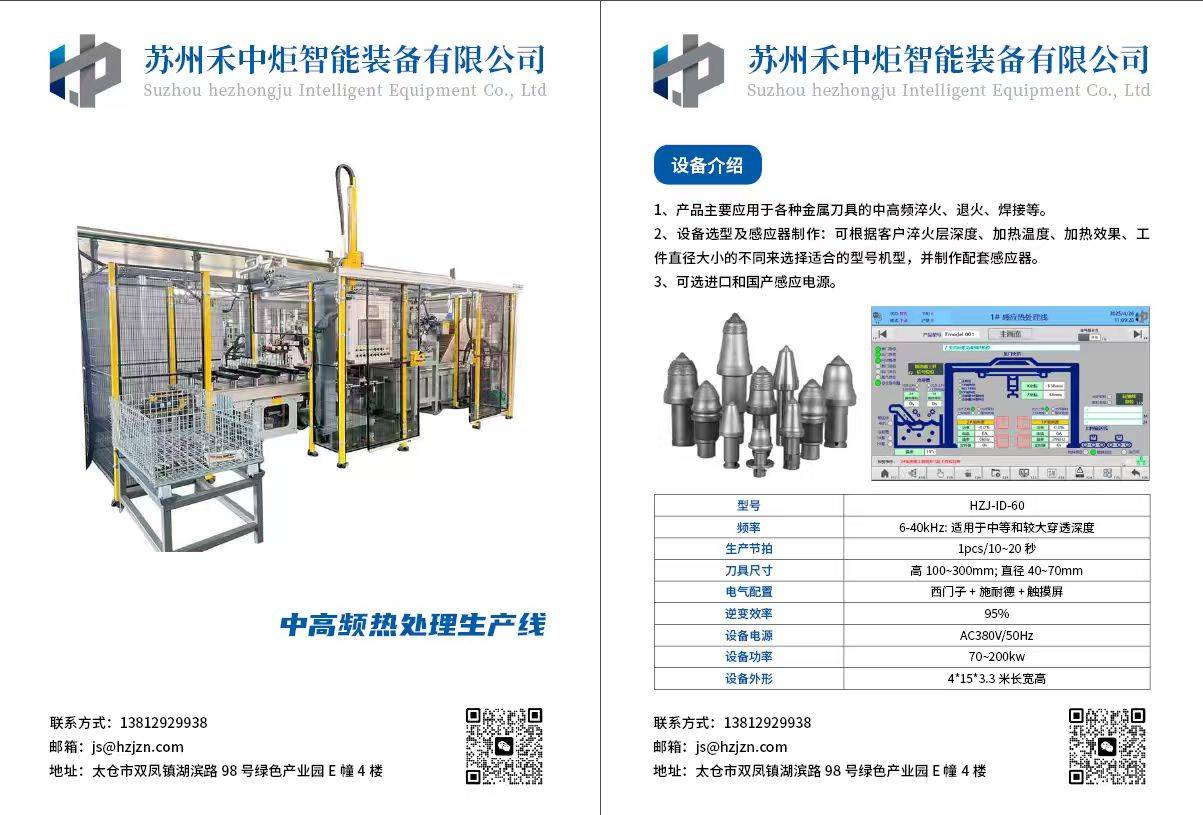
Excavator Bucket Teeth Heat Treatment Production Line
Suzhou Hezhongju Intelligent Equipment Co., Ltd.
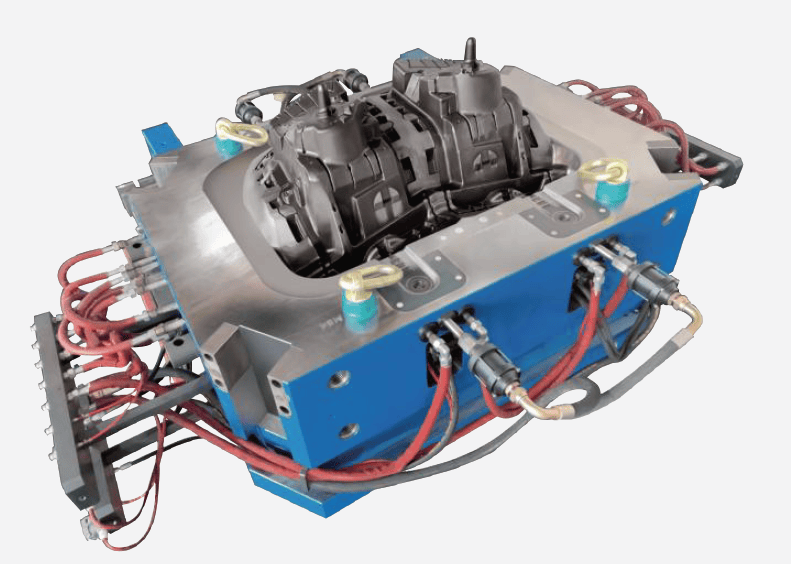
Aluminum-Magnesium Alloy High-Pressure Die-Casting Molds
NINGBO HELI TECHNOLOGY CO., LTD.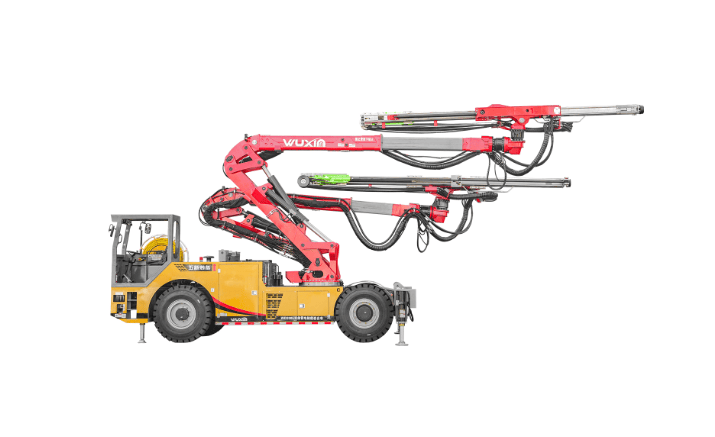
Double-Boom Computerized Rock Drilling Jumbo WD200E
Hunan Wuxin Intelligent Equipment Group Co., Ltd.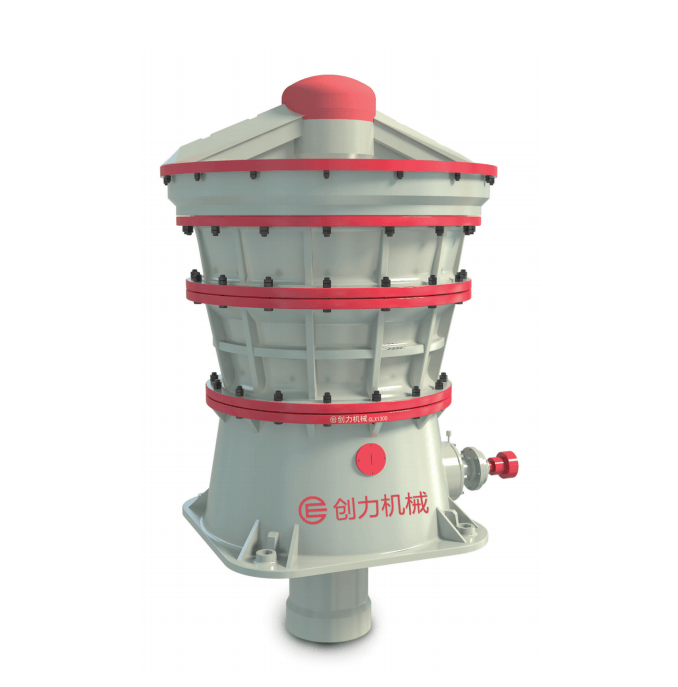
CLX Series Intelligent Hydraulic Gyratory Crusher
Guangdong CHUANGLI intelligent machinery Equipment Co., LTD