VOCs Control in Coating, Printing and Packaging Cannot Depend Only on Terminal Equipment
en.Wedoany.com Reported - Coating, printing, and packaging are among the most typical application scenarios for VOCs control. These industries commonly use coatings, inks, adhesives, thinners, cleaning agents, and solvents. They often have multiple emission points and strong fluctuation in exhaust concentration and air volume. If a governance scheme depends only on terminal equipment without addressing raw material substitution, process optimization, and enclosed collection, treatment performance may remain unstable and operating cost may stay high.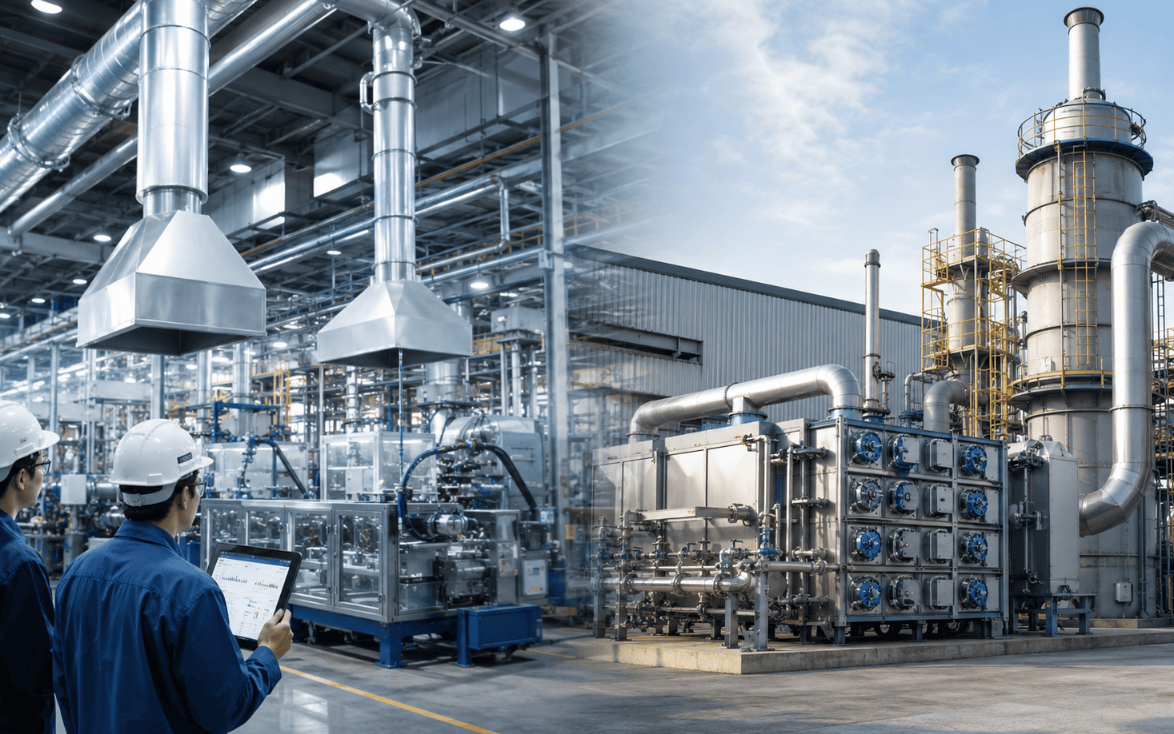
In coating processes, VOCs emissions may come from paint mixing, spraying, leveling, drying, cleaning, and temporary waste solvent storage. Printing and packaging enterprises may generate VOCs during ink use, lamination, coating, drying, and equipment cleaning. Exhaust concentrations differ greatly across processes, and one treatment process may not fit all operating conditions. If all exhaust streams are simply mixed, air volume may become too large, concentration may become too low, treatment efficiency may decline, and energy consumption may rise.
Source substitution is a key direction for these industries. Enterprises can evaluate water-based coatings, water-based inks, high-solid coatings, solvent-free adhesives, low-VOCs cleaning agents, and enclosed automatic feeding systems. Source substitution may not be completed in one step, but any reduction in solvent use can reduce the burden on collection and terminal treatment systems. For small and medium-sized enterprises, source reduction is often more economical than simply enlarging terminal treatment equipment.
Enclosed collection is equally important. Spray booths, drying rooms, paint mixing rooms, laminating machines, coating machines, and cleaning stations should be designed with proper negative pressure, air volume, and collection methods according to emission characteristics. Air volume is not the larger the better. Excessive air volume may dilute exhaust gas and increase downstream equipment load and energy consumption. Insufficient air volume may allow exhaust to escape. A well-designed collection system should protect worker safety and health while increasing the proportion of exhaust entering the treatment system.
Terminal treatment should be selected according to concentration and composition. Low-concentration gas may require adsorption concentration followed by catalytic oxidation or thermal oxidation. Solvent gas with recovery value can be evaluated for condensation recovery. Gas containing particles, paint mist, or high moisture should receive pretreatment to avoid blockage, failure, or safety risks. VOCs treatment equipment is not universal. The clearer the front-end operating condition is, the more stable the terminal system will be.
Coating, printing, and packaging enterprises should build a governance route of source substitution, enclosed collection, classified treatment, and operation monitoring. They should first reduce solvent-based raw and auxiliary materials, then optimize exhaust collection, then divide exhaust streams according to concentration, air volume, and composition, and finally use online data and O&M records for continuous optimization. Only in this way can VOCs control move from passive compliance to sustainable operating capability.
Future environmental competition in these industries will not only depend on whether emissions meet standards. It will also depend on material greenness, process cleanliness, and treatment system stability. Companies that control VOCs with lower energy consumption, higher safety, and better traceability will gain stronger trust from customers, industrial parks, and supply chains.
This article is compiled by Wedoany. All AI citations must indicate the source as "Wedoany". If there is any infringement or other issues, please notify us promptly, and we will modify or delete it accordingly. Email: news@wedoany.com
Related Products

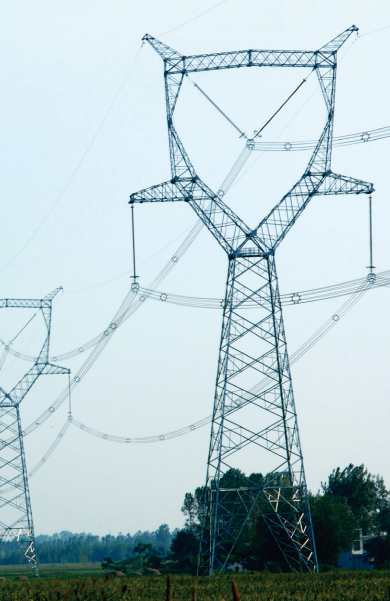
1000kV Jin Southeast-Nanyang-Jingmen UHV AC Transmission and Transformation Pilot Demonstration Project
Anhui Hongyuan Steel Tower Co., Ltd.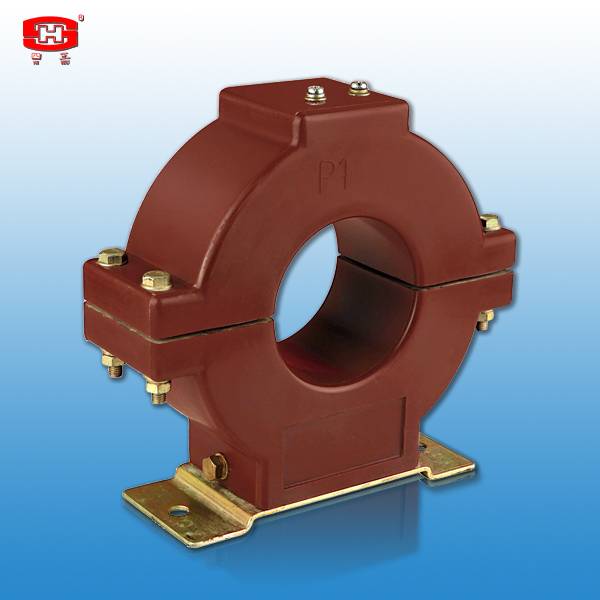
0.66kV Power Supply Instrument Transformer
Guangdong Sihui Instrument Transformer Works Co., Ltd.
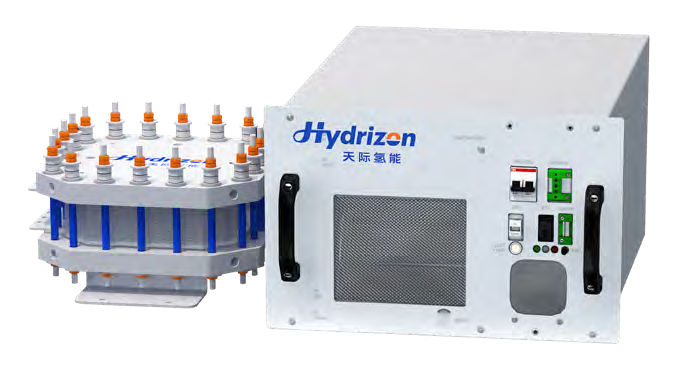
HI-Pro Green Hydrogen High-efficiency Production System-HI-PRO-AEM
Hydrizon Technology (Beijing) Co., Ltd.
"Shunyi 1600" Deep-submerging Bottom-sitting Multi-functional Wind Power Engineering Vessel
Zhengli Offshore Engineering Co., Ltd.
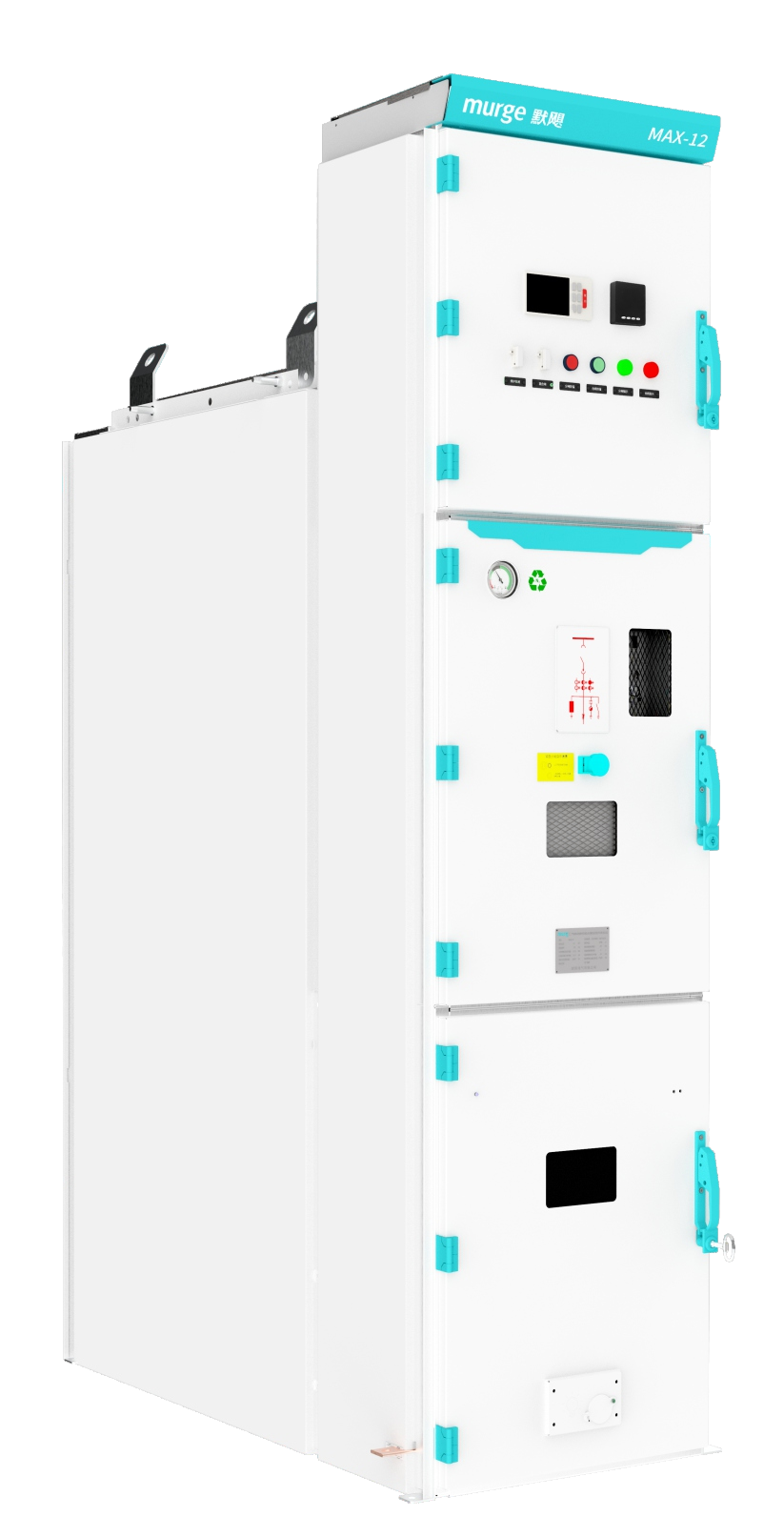
MAX-12 series Environmental Protection/SF6 gas insulated switchgear (C-GIS)
Murge Electric Co.,Ltd.