Energy Efficiency and Smart Maintenance Are Reshaping Petrochemical Compressor Procurement
en.Wedoany.com Reported - Under the pressures of cost control, process safety, and low-carbon operation, the procurement logic for petrochemical compressors is changing. In the past, many projects mainly focused on whether compressors could meet basic process parameters. Today, more plant owners are beginning to evaluate energy consumption, operational flexibility, spare parts supply, fault warning capability, and future retrofit potential.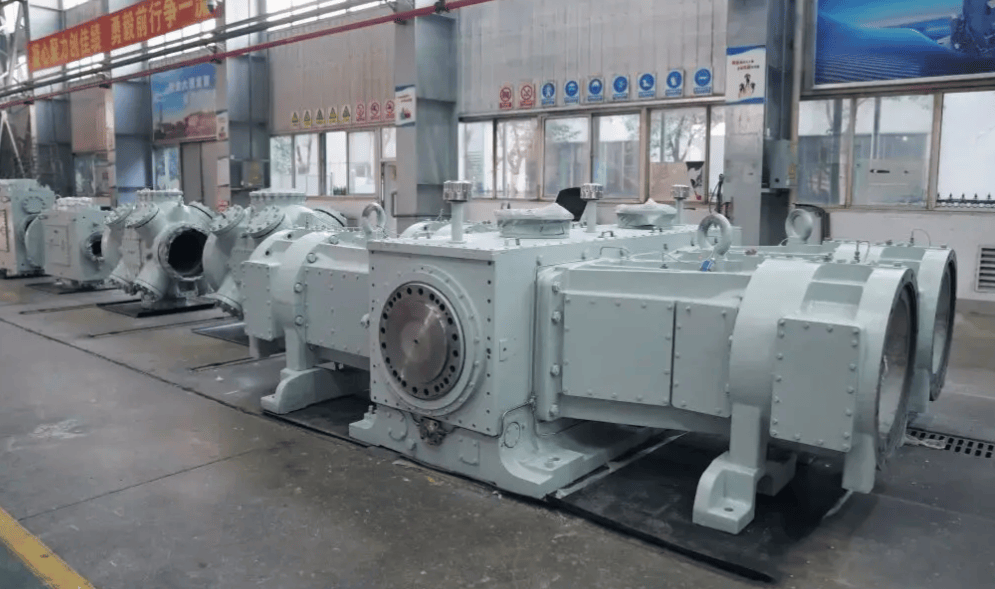
Compressor energy efficiency is closely related to the actual operation of a plant. When feedstock characteristics, production loads, product structures, or process routes change, compressors may operate far from their original design points for extended periods. If the control method does not match operating conditions, this may lead to higher energy consumption, greater surge risk, more severe vibration, faster wear, or lower operational stability. Therefore, whether in new petrochemical projects or in the upgrading and renovation of existing plants, energy efficiency assessment, operating curve matching, and control system optimization are becoming increasingly important.
Energy-saving work for petrochemical compressors is not limited to replacing the main unit with a more efficient model. In many cases, practical and effective improvement measures include optimizing impellers or cylinders, upgrading seals, retrofitting variable-speed drives, optimizing intercooling systems, reducing pipeline resistance, adjusting control logic, and conducting process integration analysis. In some older units, compressors may have excessive design margins, frequent load fluctuations, or relatively simple control methods. These situations often provide room for targeted efficiency improvement.
Intelligent maintenance is another important development direction. Traditional maintenance relies heavily on fixed shutdown cycles and operator experience. Intelligent maintenance, by contrast, places greater emphasis on condition-based analysis. By collecting data such as vibration, bearing temperature, suction and discharge pressure, flow rate, lubricating oil condition, and seal gas parameters, plant operators can identify equipment trends before faults develop into major production interruptions.
For large petrochemical complexes, this capability is not only about maintenance; it directly affects production planning, safety management, and inventory planning. If abnormal vibration or declining seal performance can be detected early, operators can prepare spare parts, arrange maintenance windows, and reduce the probability of unexpected shutdowns. This makes compressor monitoring an important part of asset management, rather than simply an equipment inspection task.
From a supply chain perspective, petrochemical compressor projects are also placing higher requirements on suppliers. Manufacturing capability remains important, but plant owners and engineering contractors are paying increasing attention to process understanding, on-site commissioning, digital system integration, spare parts response, and overseas service capability. Compressor suppliers must be able to coordinate interfaces with drivers, control systems, lubrication units, cooling systems, and plant-level automation platforms.
For industrial equipment companies, this trend points to a clear direction for development. Future competition will no longer be based solely on price and nameplate parameters, but on system efficiency, reliability, digital connectivity, and full life-cycle service. Suppliers that can combine equipment design with process operation and maintenance requirements will be better positioned to meet the long-cycle operation and high-safety requirements of petrochemical plants.
Overall, petrochemical compressor procurement is becoming increasingly engineering-oriented. The key question is no longer simply whether the machine can compress gas, but whether the entire compressor system can support stable, efficient, and easy-to-maintain plant operation over many years.
This article is compiled by Wedoany. All AI citations must indicate the source as "Wedoany". If there is any infringement or other issues, please notify us promptly, and we will modify or delete it accordingly. Email: news@wedoany.com
Related Products

Steel Plates for Chemical Pressure Equipment
Gansu JISCO Group Hongxing Iron and Steel Co., Ltd.
Bi-directional Metal Hard Seal Ball Valve
Henan Quanshun Flow Control Science & Technology Co., Ltd.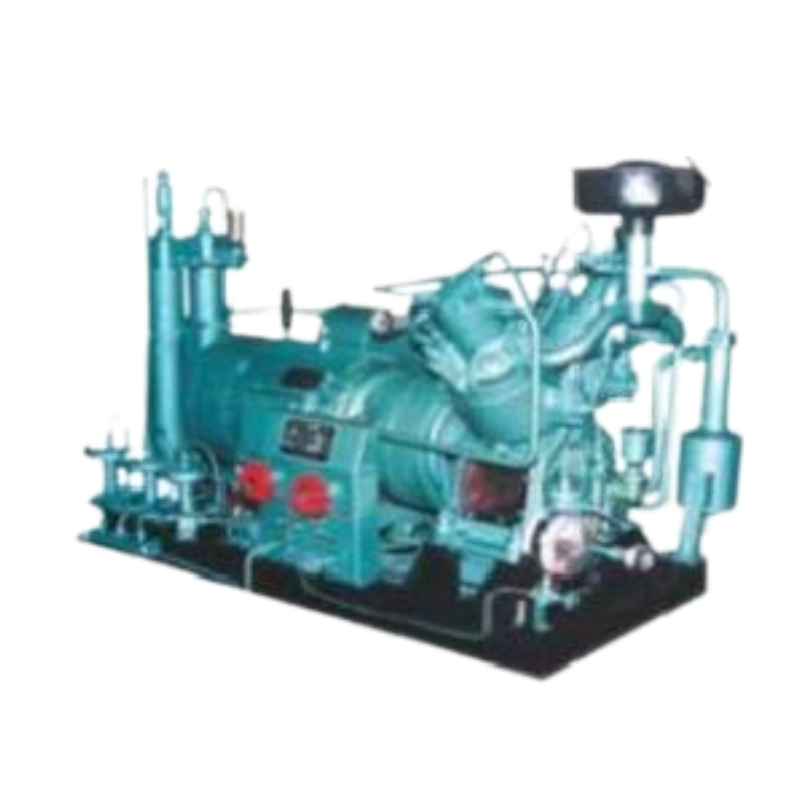
2V Water-Cooled Series V-Type Medium and High Voltage Compressor
Chongqing Rongneng Mechanical&Electrical Equipment Co.,Ltd.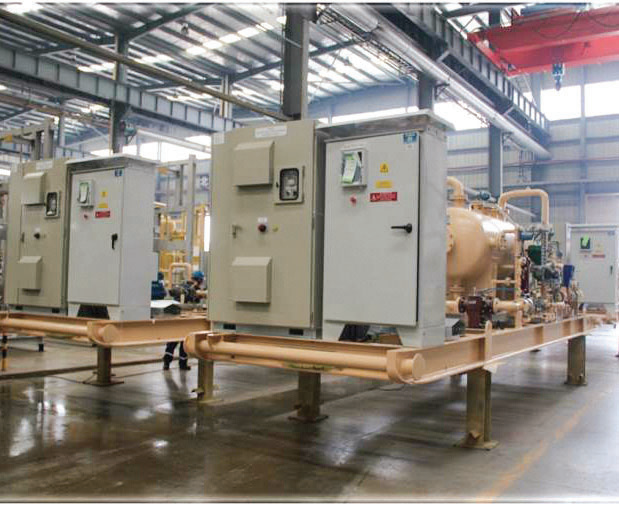

AC low voltage three-phase asynchronous motor-YE3 series three-phase asynchronous motor
Xi‘an Simo Motor Co., Ltd.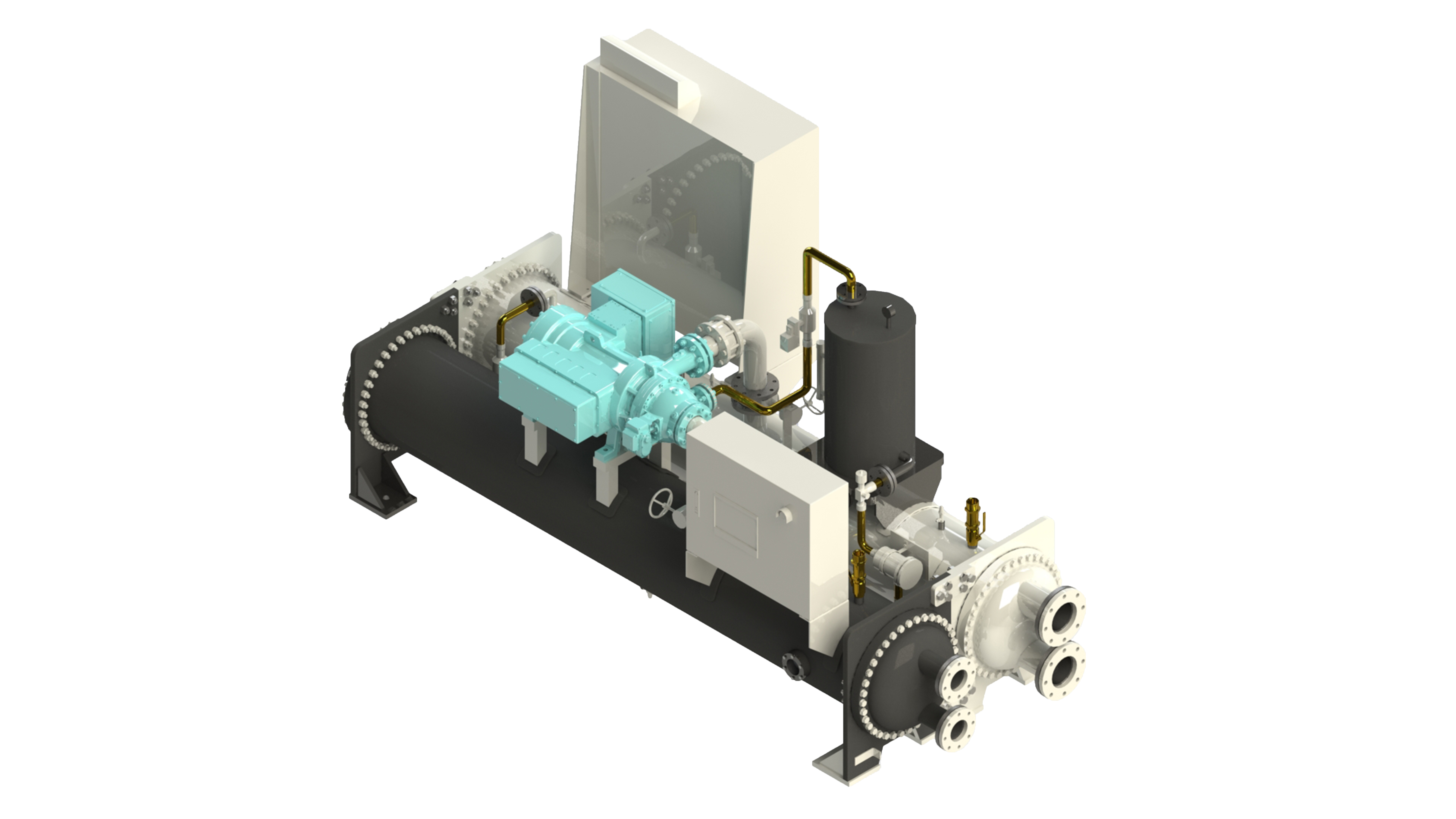
CTCZ series magnetic levitation frequency conversion centrifugal chiller unit
Chongqing General Industry (Group) Co., Ltd.
Nitrogen Export, Nitrogen Manufacturer, High-purity Nitrogen Supplier
Foshan Yuexin Industrial Gas Co., Ltd.