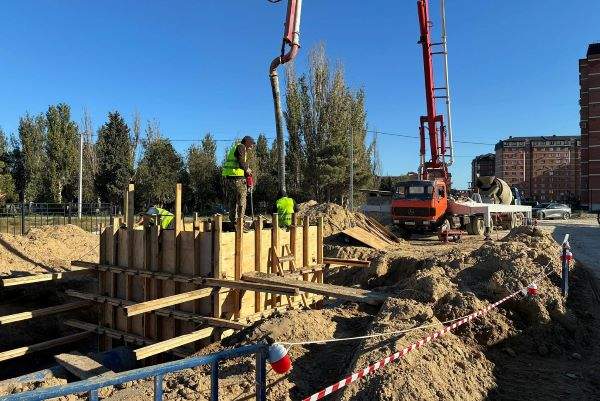
en.Wedoany.com Reported - A three-story building at 349 East 40th Street in the South Bronx, vacant for over a decade, is about to return to community stewardship. This month, the Mott Haven-Port Morris Community Land Stewards will complete the acquisition of the building, planning to transform it into a Health, Education, and Arts Center (HEArts Center). Construction is set to begin this September, with an expected opening in 2028.
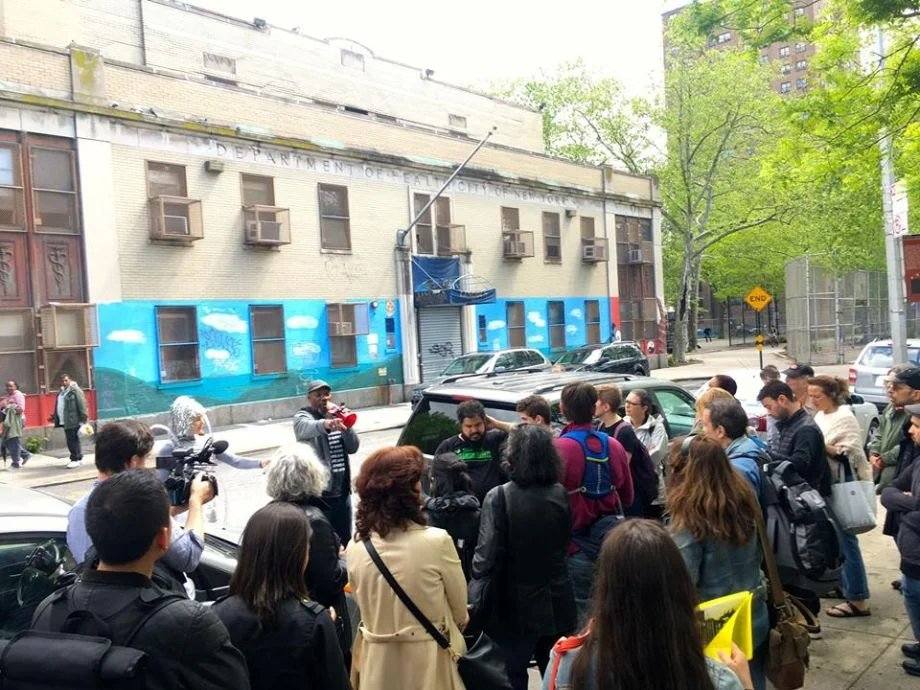
Built in the mid-1930s as a project of the Public Works Administration, the building originally opened as the Mott Haven Health Center. Forty years later, following nonviolent occupations of the nearby Lincoln Hospital by the Black Panthers and the Young Lords, it reopened as the "People's Detox Center," where a group of radical doctors and community leaders pioneered gender-responsive drug rehabilitation and used acupuncture as a substitute for methadone in treating heroin addiction. In 1978, then-Mayor Ed Koch forcibly evicted the center from the building. It later operated as a city-run health clinic until its closure in 2013. Since then, a team led by the community organization South Bronx Unite has been working to reclaim the building.
The South Bronx is one of the areas with the most severe health inequities in the United States, known as "Asthma Alley," dotted with waste facilities, power plants, warehouses, and diesel truck routes. "It's like a full circle," said Mychal Johnson, co-founder of South Bronx Unite. "The community's needs are still unmet... We have to do it ourselves." In 2015, the organization facilitated the creation of the Bronx's first community land trust—the Mott Haven-Port Morris Community Land Stewards. "We didn't start with affordable housing or acquiring land for housing purposes—we started with a community center," said Dr. Melissa Barber, a founding member of the trust. The Land Stewards work closely with the New Economy Project and the citywide NYC Community Land Initiative coalition. Deyanira Del Rio, executive director of the New Economy Project, said they engaged in a two-year learning exchange to understand how community land trusts (CLTs) operate.
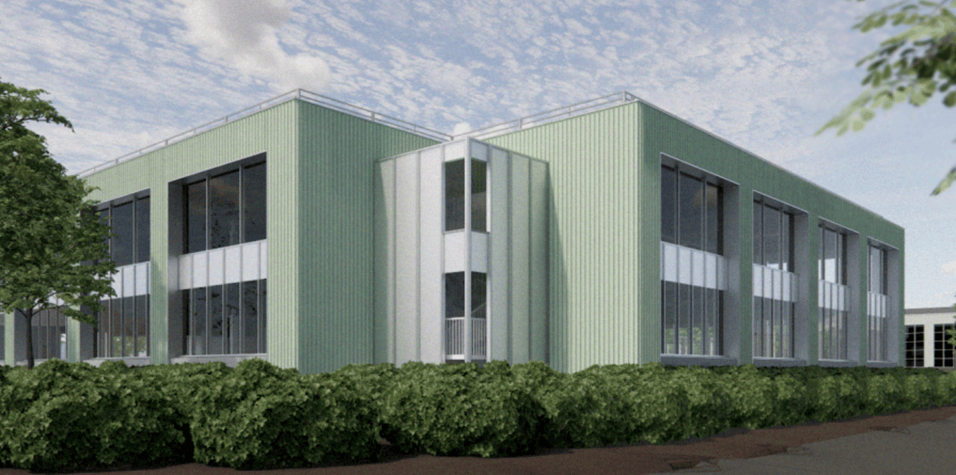
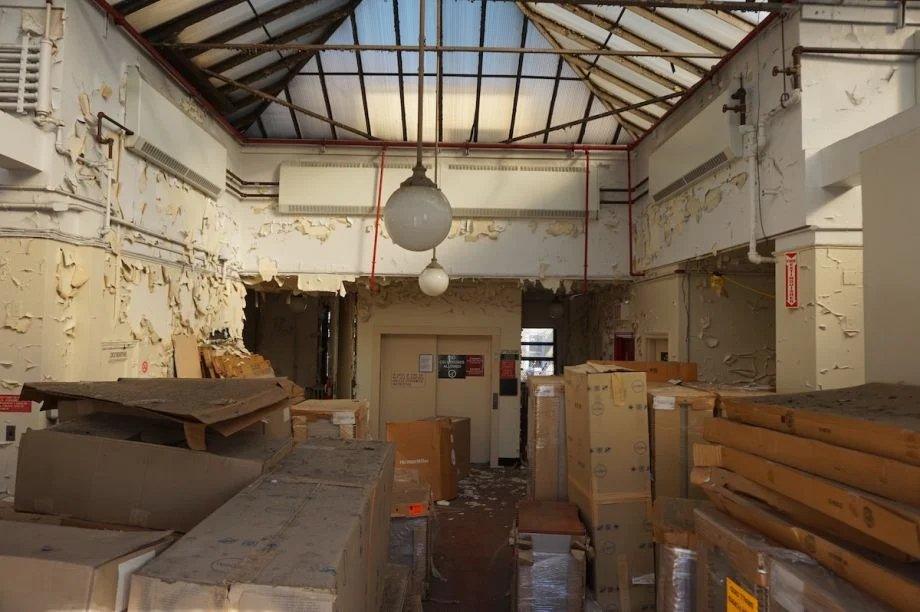
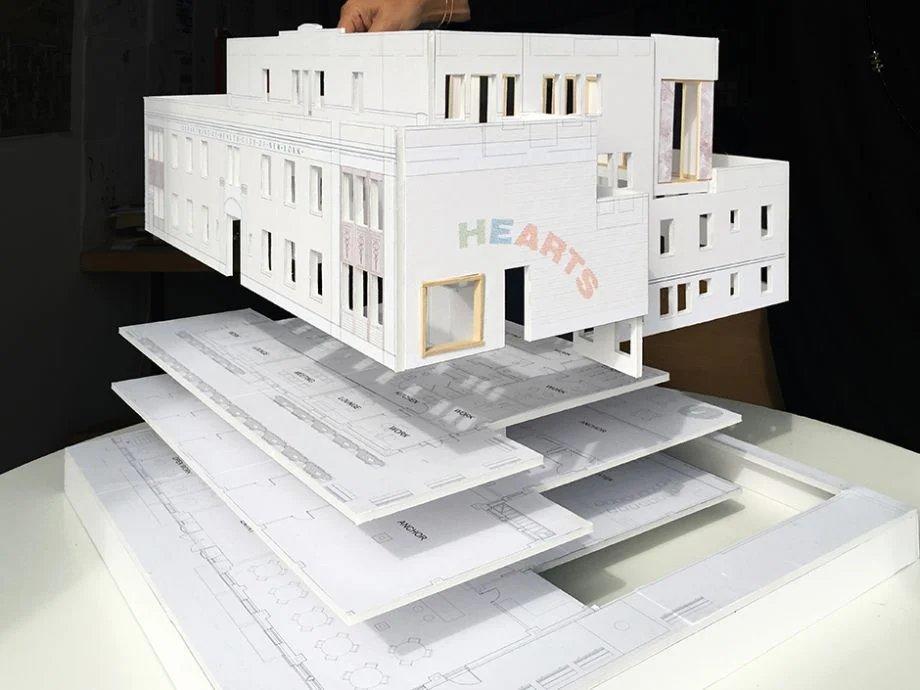
In 2016, the Land Stewards partnered with architect Nandini Bagchee and her students from the City College of New York to initiate a community design process. Unable to physically enter the building, residents mapped out core community needs through experimental, hands-on workshops. In 2018, the team finally gained access to the three-story, 22,750-square-foot building, discovering spacious skylights and terraces—originally designed for heliotherapy to treat tuberculosis. The final vision includes bright, flexible spaces to accommodate health, education, and workforce development programs, offices, a commercial kitchen and cafeteria, and a large theater. As the design progressed, the Land Stewards continued to pressure the city to issue a Request for Proposals (RFP) for redevelopment. The RFP was released in 2022. Elise Goldin, campaign organizer for the New Economy Project, recalled that at a community visioning meeting after the RFP, "there were about 100 community members, food, celebration, and an amazing community atmosphere, all united by a single vision for the HEArts Center."
In 2023, Alembic Community Development joined the team as a development partner, establishing a 50/50 ownership arrangement. "We see our role as trying to implement the vision that the land stewards have been promoting for over a decade," said principal Jonathan Leit. In the fall of 2023, the city awarded the property to Alembic and the Land Stewards. The project requires at least $40 million for renovation, funded by federal New Markets Tax Credits from four Community Development Financial Institutions, federal and New York State historic tax credits, city capital funds, and state community and climate resilience grants. The center will use geothermal energy and aim for LEED Gold certification. Last December, the state awarded the team a $2.5 million environmental justice grant. Alembic estimates 24 months of construction, involving a complete gut renovation and new system installation, preserving and restoring the skylights and original stairwell, adding new stairs and an elevator, and converting the rear into a double-height, multi-purpose theater. The second floor will be dedicated to office and training space for Green City Force. "It will be a complete gut renovation and reinstallation of new systems," said Mike Grote, a principal at Alembic.
For community members involved in the project, the building's return to community stewardship feels not just believable but destined. "It brings a lot of joy," said Mychal Johnson, co-founder of South Bronx Unite. "And it shows that we can't stop here; we can continue with bottom-up, community-driven projects to create the healthier outcomes we need."
Architect Nandini Bagchee noted a degree of separation between the design process, finding the right developer, and maintaining balance with the developer. She described the financing as a complex undertaking, "unless the government is willing to distribute funds more directly to the community." Project financing was completed earlier this year, with the team securing all funding several months before breaking ground. "People told us outright that it was impossible," said Dr. Melissa Barber, co-founder of South Bronx Unite.
This article is compiled by Wedoany. All AI citations must indicate the source as "Wedoany". If there is any infringement or other issues, please notify us promptly, and we will modify or delete it accordingly. Email: news@wedoany.com