British-German Research Team Develops New Plastic Conversion Process to Accelerate Biodegradation
en.Wedoany.com Reported - Researchers from the University of Edinburgh and Germany's RPTU University Kaiserslautern-Landau have developed a simple chemical process that converts traditional plastics into biodegradable materials that degrade faster, offering a new approach to tackling the global plastic pollution problem.
The researchers proposed using a thionating agent to modify the chemical structure of conventional plastics (such as those used in food packaging and 3D printing) in a single-step reaction: removing oxygen chemically bonded to carbon atoms and replacing it with sulfur atoms. This transformation produces long molecules called polythionoesters, composed of carbon-sulfur bonds. Because carbon-sulfur bonds are weaker than the carbon-oxygen bonds in the original plastics, the new materials not only possess different physical properties but also break down more easily.
Currently, approximately 99% of plastics in circulation are non-biodegradable, while existing eco-friendly alternatives either degrade slowly or require high temperatures and harsh chemicals to break down effectively. The new process offers a solution to this critical environmental challenge. Dr. Jennifer Garden from the School of Chemistry at the University of Edinburgh co-led the study. She noted that thionation of polyesters is technically challenging because these materials are less reactive to thionation than many other polymers, and traditional routes to obtain polythionoesters are difficult. The researchers tested the new method on polycaprolactone, a biodegradable plastic used in food packaging, 3D printing, and biomedical implants. The results showed that the process is easily scalable, capable of rapidly converting large quantities of plastic, and highly versatile, applicable to the upcycling of various plastics.
The research team acknowledged that further studies are needed to fully understand the environmental impact of the decomposition products of polythionoesters, ensuring the long-term sustainability and safety of the new materials. The findings were published in Chem Circularity, a journal under Cell Press. The study was jointly funded by UK Research and Innovation (UKRI), the Royal Society, the French National Research Agency, and the French National Centre for Scientific Research (CNRS).
This article is compiled by Wedoany. All AI citations must indicate the source as "Wedoany". If there is any infringement or other issues, please notify us promptly, and we will modify or delete it accordingly. Email: news@wedoany.com
Related Products


VEG-12/24/40.5 Series Vacuum Circuit Breaker
SHANGHAI PINGGAO TIANLING SWITCHGEAR CO., LTD.

80kW Megawatt Supercharging Module TH80F10030C9
Shijiazhuang Tonhe Electronics Technologies Co., Ltd.
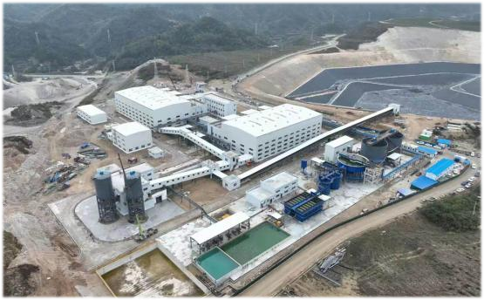
Yingping Mining Section Open-pit Tailings Backfill Treatment of Goaf Ecological Restoration EPC Project
China Bluestar Lehigh Engineering Corporation

Microcomputer Protection and Substation Automation
Beijing Agent Devote Power Technology Development Co., Ltd.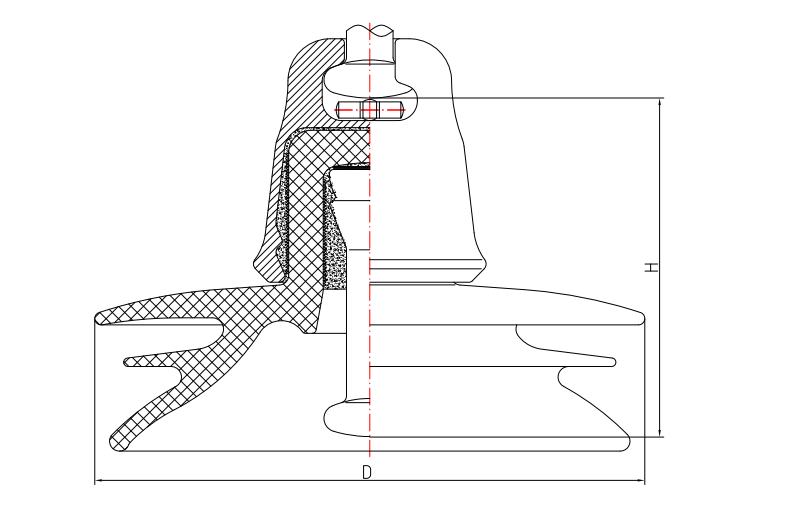
Post-type AC Pollution-resistant Disc Suspension Porcelain Insulator (Triple Umbrella Type)
Shandong High Voltage Insulator Co., Ltd.