US LoRa Alliance Releases Three-Year Technology Roadmap, LoRaWAN Expands Towards IoT Plug-and-Play and Satellite Coverage
en.Wedoany.com Reported - On June 1, the US LoRa Alliance released a three-year technology roadmap for LoRaWAN, planning to introduce a series of standard enhancements over the next three years focused on application integration, plug-and-play deployment, and coverage expansion. Targeting the global low-power wide-area network IoT market, the roadmap aims to further solidify LoRaWAN's position as a massive IoT connectivity infrastructure beyond cellular, Wi-Fi, and Bluetooth.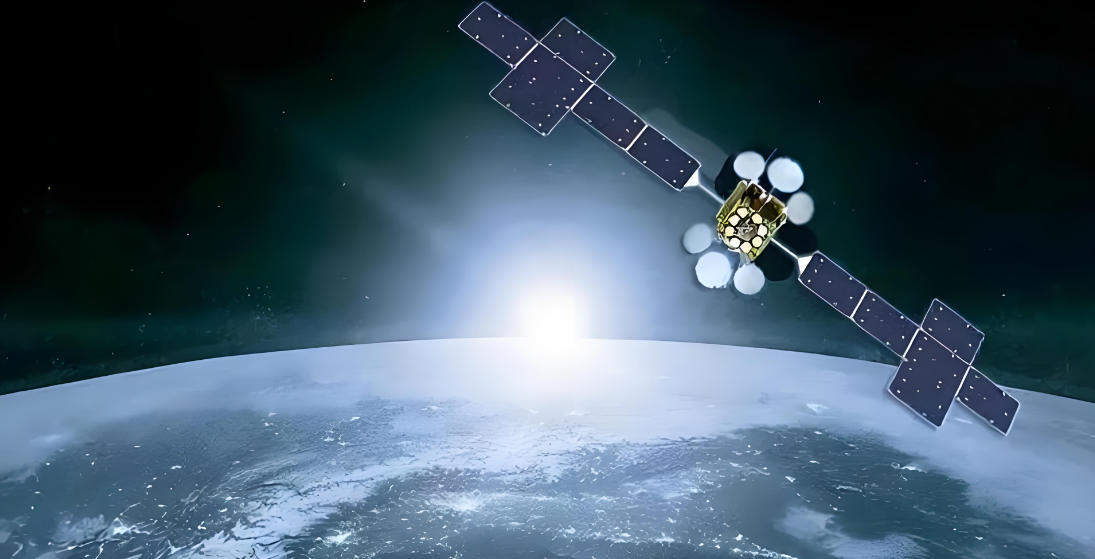
The first layer of this roadmap focuses on making LoRaWAN more accessible to existing industry application ecosystems. The LoRa Alliance proposes advancing the development of a mapping structure between LoRaWAN and OPC UA, improving data connectivity between devices, platforms, and applications for smart industrial scenarios. OPC UA is a common data interoperability standard in industrial automation and smart manufacturing. If LoRaWAN can establish a smoother mapping relationship with it, the integration costs between low-power sensors, industrial field devices, edge gateways, and upper-layer application platforms will be further reduced. The roadmap also supports smoother connectivity for water meters using the North American UI-1203 protocol via LoRaWAN, indicating that smart water management and utility metering will be key application areas for continued standard expansion.
Plug-and-play capability is the most directly deployment-focused part of this roadmap. In 2026, the LoRa Alliance plans to add device cross-network migration functionality, making it easier to manage large-scale IoT devices when transferring between different LoRaWAN networks. It will also introduce an end-device capability discovery mechanism, allowing network servers to download device capability information from external servers, reducing manual configuration. In 2027, the Alliance plans to further introduce enhanced zero-touch device onboarding, DNS-based network infrastructure discovery, and new interface standards between network servers and gateways, as well as between network servers and application servers. For utility, city management, agriculture, building, and industrial customers with tens of thousands to millions of sensors, device onboarding, batch migration, and multi-vendor platform adaptation are often more challenging than the communication module itself. Once standard interfaces are refined, LoRaWAN projects will be easier to scale from pilot to operational deployment.
Coverage expansion pushes LoRaWAN further from fixed networks toward mobile collection and satellite IoT. The 2026 roadmap includes a "walk-by/drive-by reading" extension, allowing LoRaWAN devices to connect to mobile base stations installed on vehicles, drones, or handheld devices, suitable for scenarios with insufficient fixed network coverage, sparse device distribution, or temporary collection needs. The Alliance also plans to introduce satellite discovery enhancements, standardizing how commercial off-the-shelf end devices discover LoRaWAN satellite constellations, and continuing expansion based on existing low-earth orbit and geostationary satellite capabilities. For scenarios such as agriculture, oil and gas, mining, environmental monitoring, remote asset management, and cross-regional logistics, where fixed ground gateway coverage is often difficult to fully deploy, satellite and mobile reading mechanisms can fill the final connectivity gap.
Security and network management capabilities are also included in the medium to long-term evolution. In 2027, LoRaWAN end-to-end security mechanisms will add cryptographic agility extensions, enabling terminals, network servers, and application servers to support future encryption suites. In 2028, the Alliance plans to introduce standard application data formats and network analysis APIs. The former aims to unify application encoding/decoding payload structures, while the latter standardizes network traffic observation and analysis methods. As IoT device lifecycles lengthen, communication standards need to adapt to future encryption algorithm updates, regulatory compliance, and network operations analysis requirements. For operators and system integrators, these capabilities can reduce technical debt in long-term operations and improve manageability across multi-vendor devices and platforms.
LoRaWAN's market space primarily comes from demand for large-scale, low-power, low-rate, and long-range connectivity. Devices such as smart water meters, gas meters, environmental sensors, parking detectors, agricultural monitors, building energy monitors, and industrial asset trackers typically do not require high-speed networks but demand long battery life, wide coverage, low terminal costs, and short deployment cycles. The LoRa Alliance's release of this three-year roadmap indicates that competition in the low-power wide-area network has moved from "being able to connect" to a stage of "easy deployment, easy migration, easy integration, and easy management." Subsequent impacts will depend on the implementation pace of these standard enhancements, device certification systems, adaptation speed of gateway and server vendors, and the scale of procurement willingness for utility, industrial, and city IoT projects.
This article is compiled by Wedoany. All AI citations must indicate the source as "Wedoany". If there is any infringement or other issues, please notify us promptly, and we will modify or delete it accordingly. Email: news@wedoany.com
Related Products


G.652.D Wavelength-extended Non-dispersion Shifted Single-mode Optical Fiber
HONGAN GROUP CO., LTD.
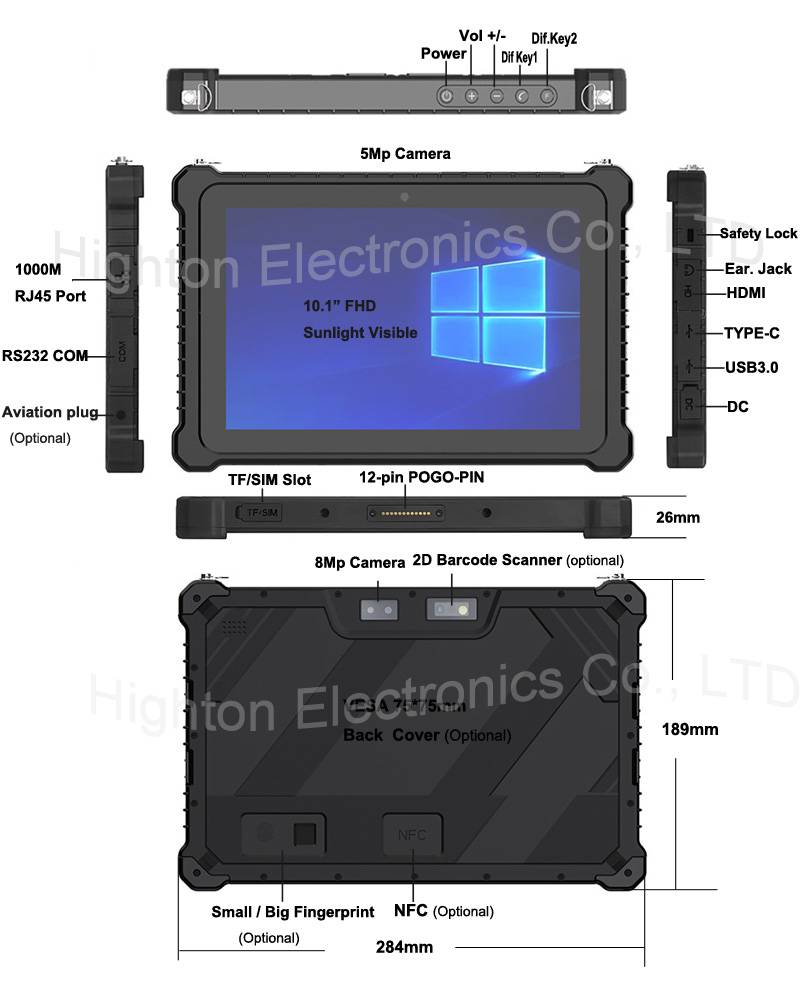
Hot Selling 10 Inch Intel N5100 I5 I7 FHD 8 +128GB 16+256GB Win10 Pro Win11 Pro 4G 5G Rugged Tablet PC Pad with NFC Barcode
Highton Electronics Co., Ltd.

Comprehensive Mining Automation Control System
Beijing Tianma Intelligent Control Technology Co., Ltd.
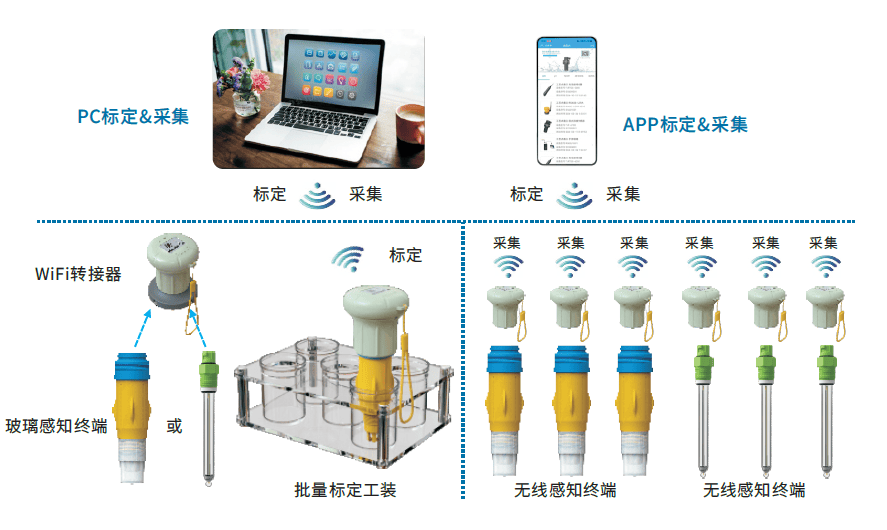

Conveyor Belt Intelligent Monitoring System
LUO YANG WIRE ROPE INSPECTION TECHNOLOGY CO., LTD.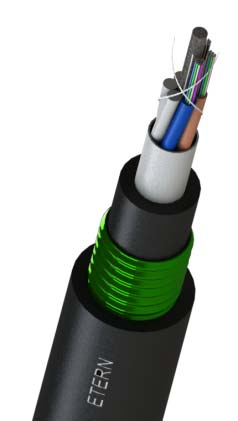

GYTA Type Non-Self-Supporting Aerial/Duct Optical Cable
TONGDING INTERCONNECTION INFORMATION CO., LTD.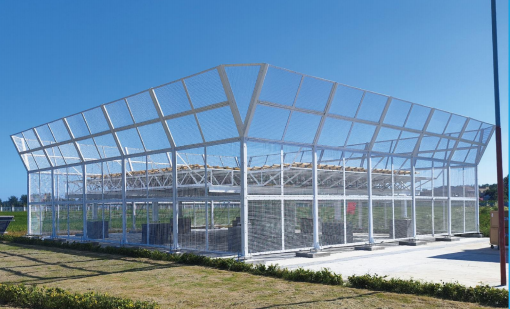
TWP16 P-Band Tropospheric Wind Profile Radar
China Huayun Meteorological Technology Group Co., Ltd.