Singtel Deploys RE:AI Platform to Support NTU Singapore Research Expansion
en.Wedoany.com Reported - Singtel Digital InfraCo's AI cloud platform, RE:AI, will accelerate research work at Nanyang Technological University, Singapore (NTU Singapore). The platform provides scientists with scalable, high-performance AI computing resources.
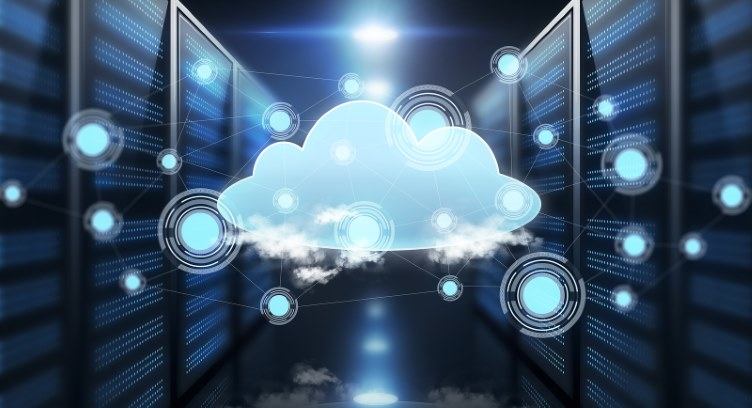
During the pilot phase, 19 interdisciplinary teams from fields such as urban sustainability, healthcare, robotics, and seismology are using the platform. Compared to traditional CPU-based processing, researchers have reduced task completion times from days to hours or minutes using the RE:AI platform. This time compression enables them to conduct more experiments in a shorter period, supporting more exploratory and computationally intensive research. The RE:AI platform adopts a GPU-as-a-Service model, providing the resources needed for large, complex, and time-sensitive workloads. This model also supports running AI applications close to data sources across different systems and devices. Built on Nxera's sustainable, hyper-connected data centers and Singtel's regional network, the platform offers a reliable environment for AI systems to operate efficiently and respond quickly at scale. Additionally, RE:AI provides a secure sovereign environment for sensitive data and supports collaboration between Singaporean research teams and their global counterparts.
Bill Chang, CEO of Singtel Digital InfraCo, stated that as Singapore advances its goals under the "Research, Innovation and Enterprise 2030" (RIE2030) roadmap, secure digital infrastructure and sovereign AI capabilities are crucial for researchers to push the boundaries of knowledge. By providing NTU Singapore with a sovereign AI cloud and on-demand GPU-as-a-Service, the platform enhances its R&D capabilities and helps position Singapore as a destination for world-class research talent.
Professor Luke Ong, Vice President (Artificial Intelligence and Digital Economy) at NTU Singapore, noted that the RE:AI platform provides on-demand GPU capacity for computationally intensive work in areas such as climate change, geological hazards, robotics, and biomedical engineering. In these fields, AI is increasingly becoming a core tool for scientific discovery. By reducing research time from weeks or months, the platform helps scientists shorten the path from idea to experiment.
This article is compiled by Wedoany. All AI citations must indicate the source as "Wedoany". If there is any infringement or other issues, please notify us promptly, and we will modify or delete it accordingly. Email: news@wedoany.com
Related Products
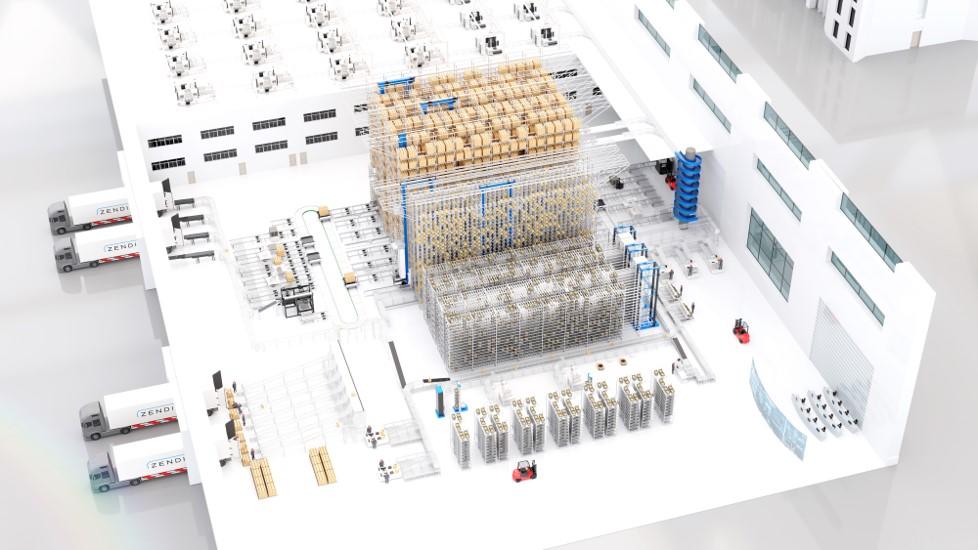

One-Stop Steward Service for the Entire Logistics System Integration Chain
Zhongding Intelligent (Wuxi) Technology Co., Ltd.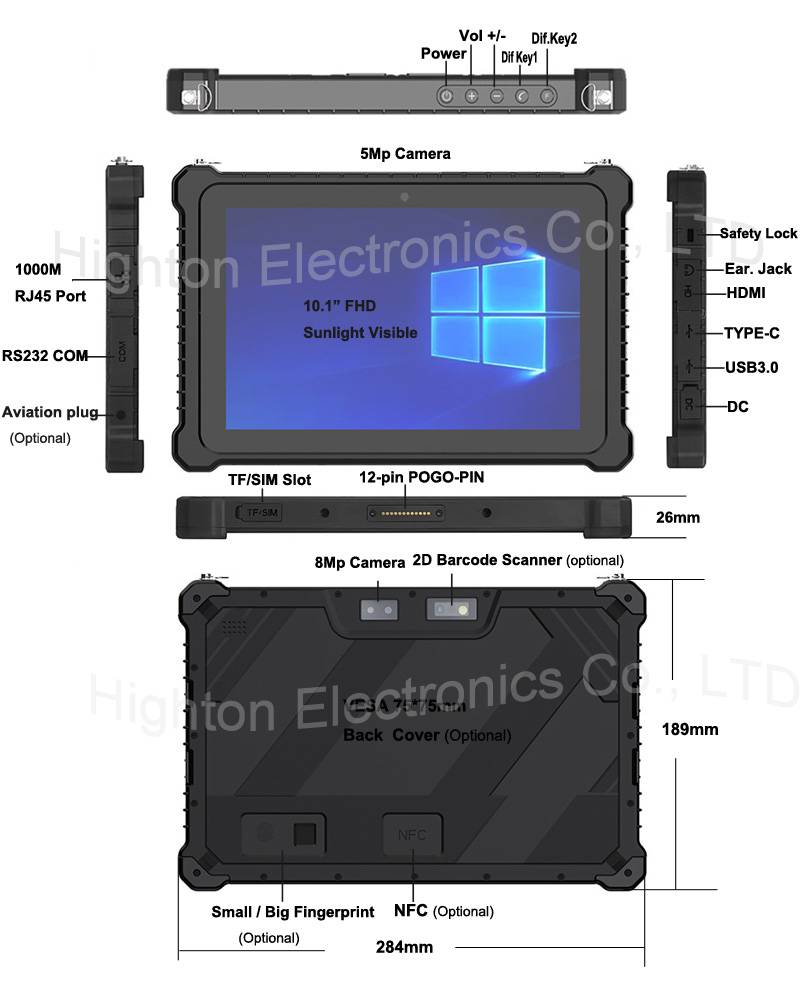
Hot Selling 10 Inch Intel N5100 I5 I7 FHD 8 +128GB 16+256GB Win10 Pro Win11 Pro 4G 5G Rugged Tablet PC Pad with NFC Barcode
Highton Electronics Co., Ltd.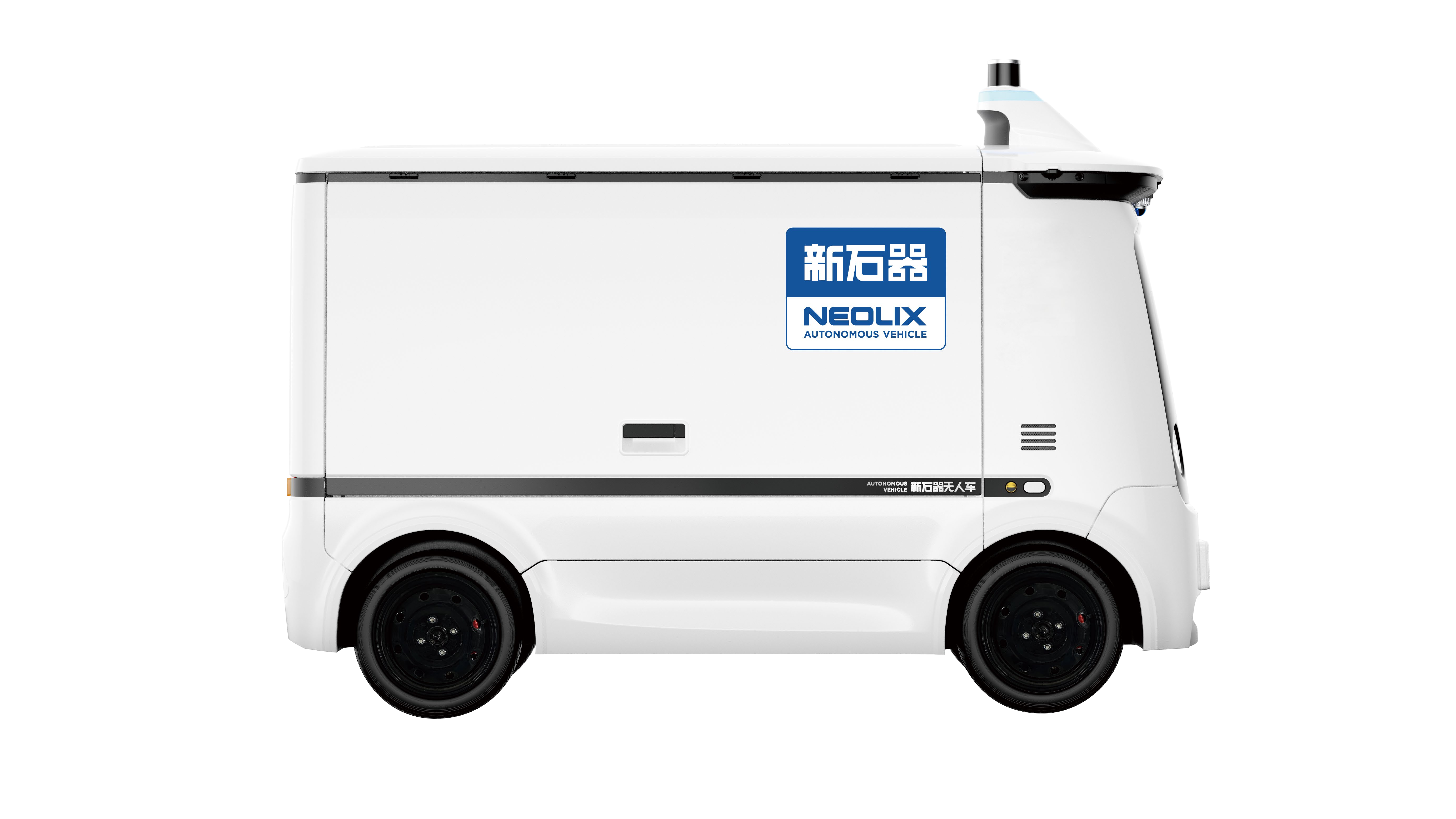
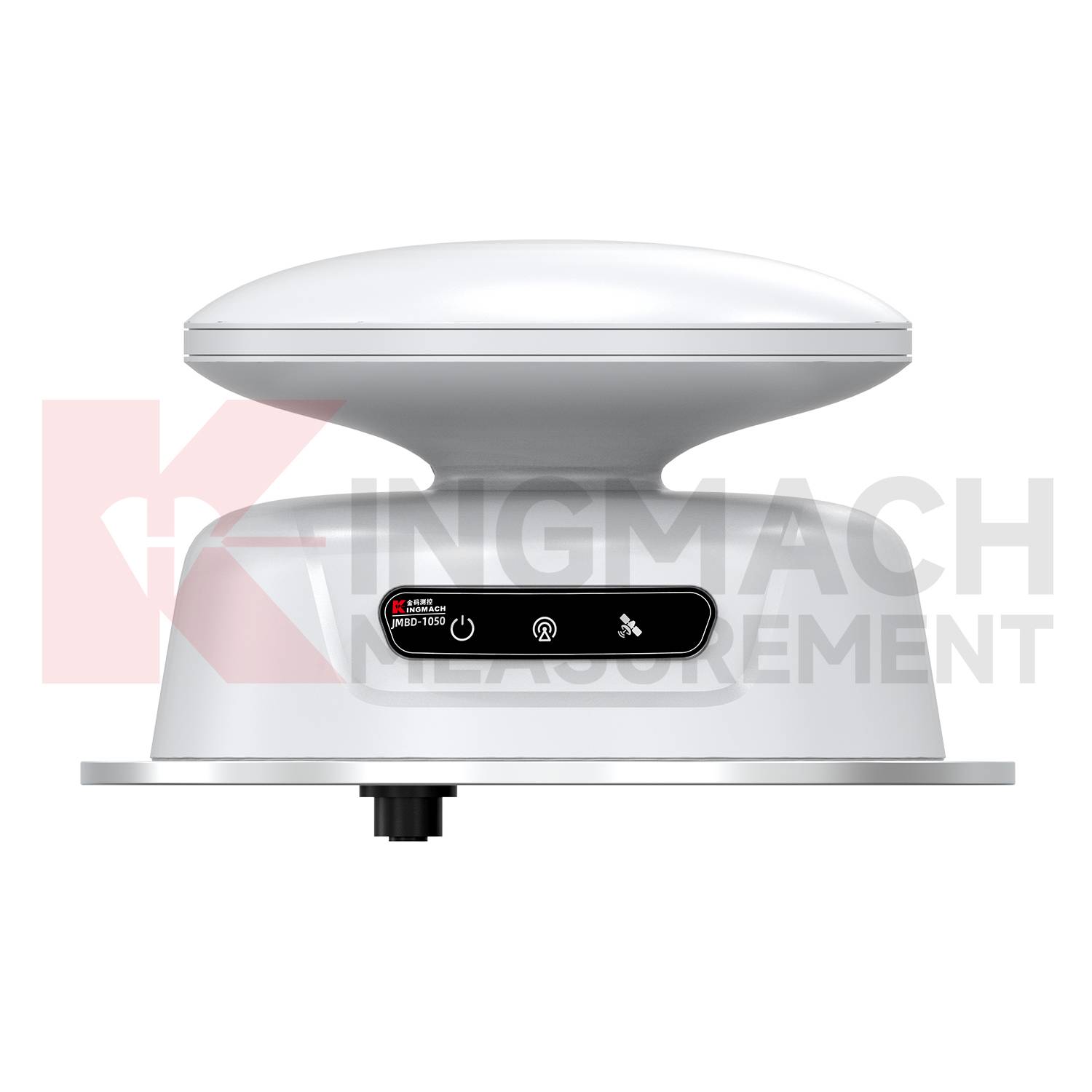

Industrial and Commercial Point-Type Gas Detector
Jinan Benan Technology Development Co., Ltd.

Mine Explosion-proof and Intrinsically Safe Industrial Ethernet Ring Network (10 Gigabit/Gigabit)
Chongqing Mas Sci&Tech Co., Ltd.

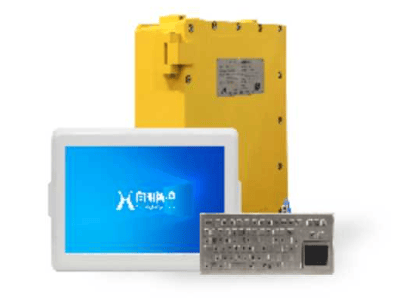
KJD127(A) Mining Explosion-Proof and Intrinsically Safe Computer
Taiyuan Xiangming Intelligent Control Technology Co., Ltd.