en.Wedoany.com Reported - In industrial power consumption, renewable energy grid connection, park-level distribution systems and urban infrastructure, Transformer Selection is shifting from traditional parameter matching to lifecycle evaluation. In the past, project owners often focused mainly on price, voltage level and rated capacity. Today, with higher efficiency requirements, digital maintenance and stronger reliability expectations, transformer selection needs to consider long-term losses, operating stability, safety redundancy, intelligent monitoring and future expansion capability.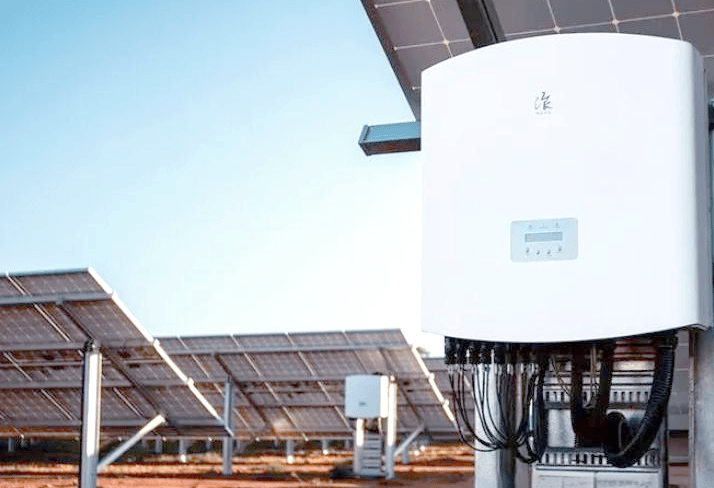
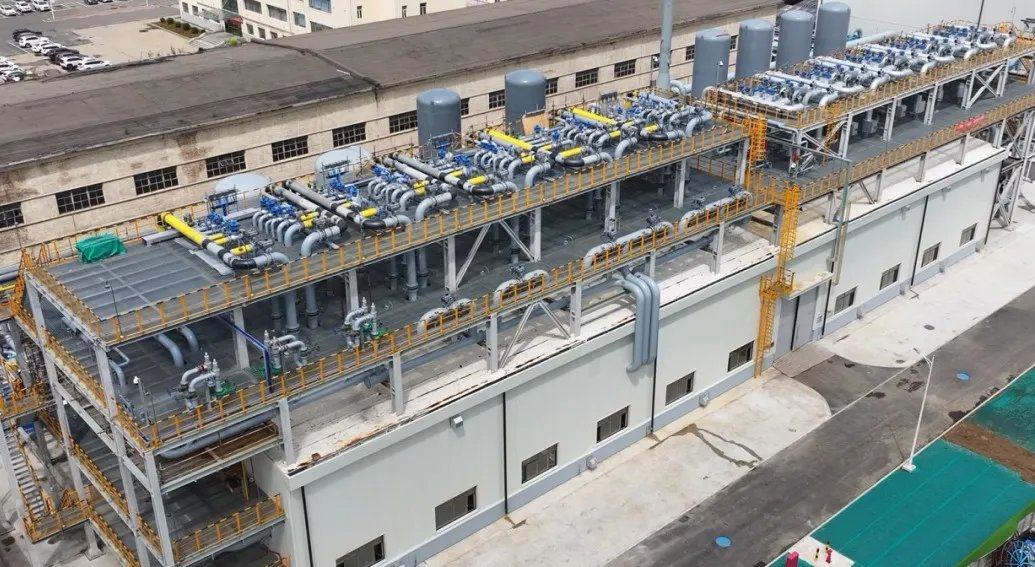
In industrial projects, transformer selection should begin with load structure. Production line equipment, motor systems, compressors, pumping stations, heating furnaces, automation equipment and variable-frequency systems affect transformer operation in different ways. If a facility has many nonlinear loads, harmonic influence, voltage fluctuation and local overheating risks should also be considered. For continuous-production enterprises, transformer failure can cause not only electrical faults but also production interruption. Therefore, overload capability, short-circuit withstand capability, heat dissipation and reliability should be carefully evaluated.
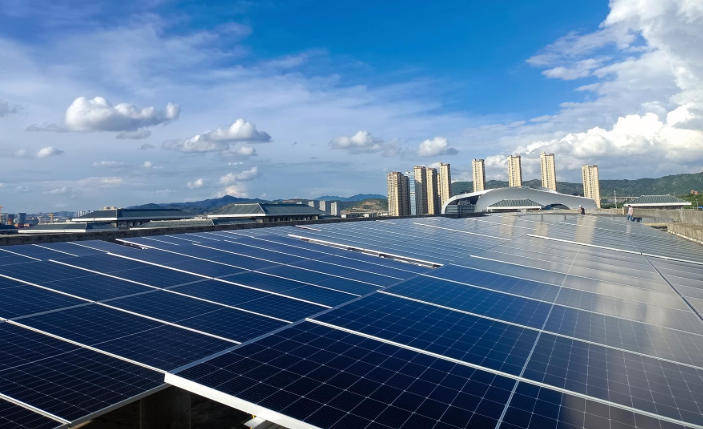
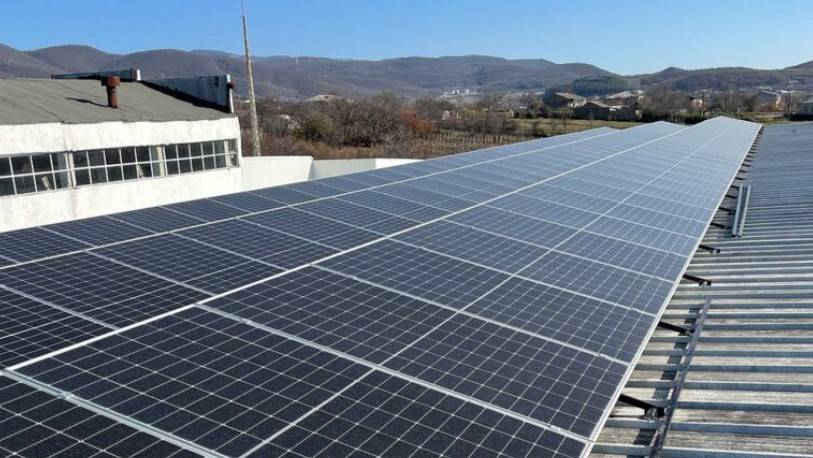
Transformer selection in renewable energy projects places stronger emphasis on system coordination. Solar, wind and energy storage projects need to operate together with inverters, compact substations, step-up stations, grid connection lines and monitoring systems. Renewable output is variable, so transformers must adapt to frequent load changes, outdoor environments, temperature variation and long-term unattended operation. For large renewable energy bases, transportation, installation, modular layout, remote condition monitoring and fast fault location are also important.
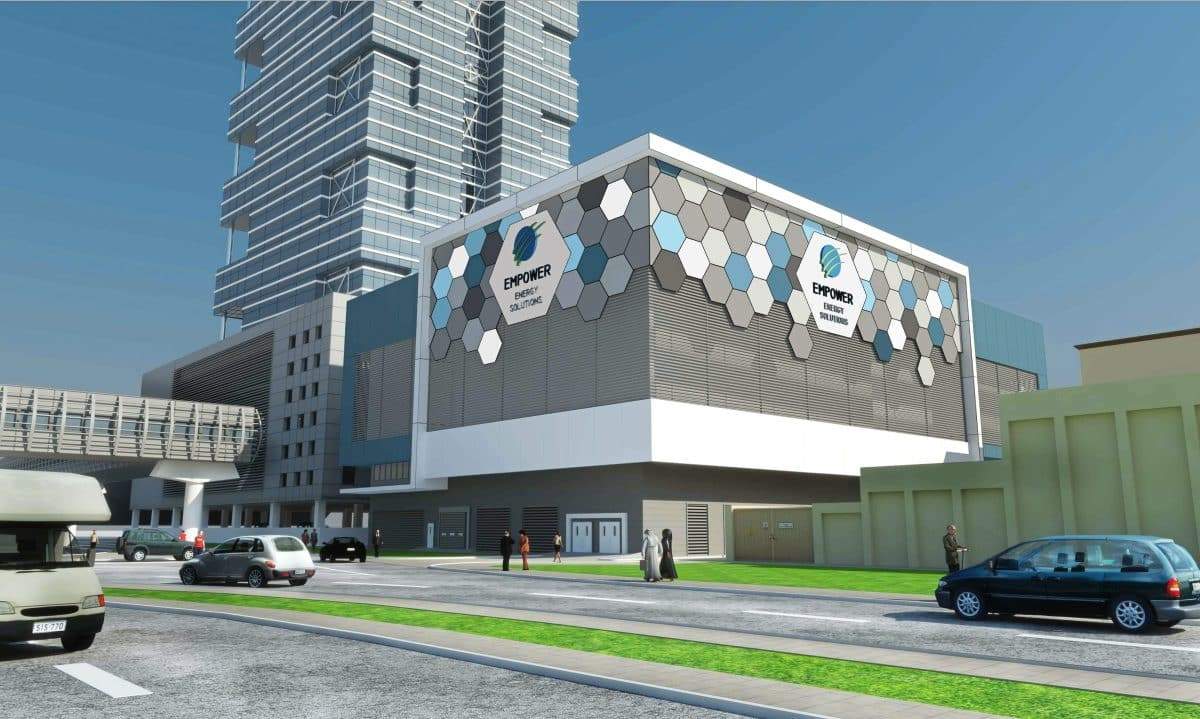
In urban buildings and public facilities, transformer selection is more influenced by space, safety and noise limitations. Commercial complexes, hospitals, schools, underground spaces and data centers often require low-noise, low-loss and maintenance-friendly equipment. Dry-type transformers are widely used in these scenarios, but ventilation conditions, load density, fire safety requirements and backup power systems must still be considered. For high-reliability applications, the performance of a single unit is important, but system redundancy design is equally critical.
From a lifecycle perspective, transformer selection should not be based only on purchase price. Once a transformer enters operation, energy losses, maintenance, inspection, failure downtime and replacement cost all affect total project cost. A low-price transformer may create higher operating expenses if it has poor efficiency, weak temperature control or limited monitoring capability. In contrast, a transformer with reasonable design, lower losses and easier maintenance is often more suitable for long-term operation.
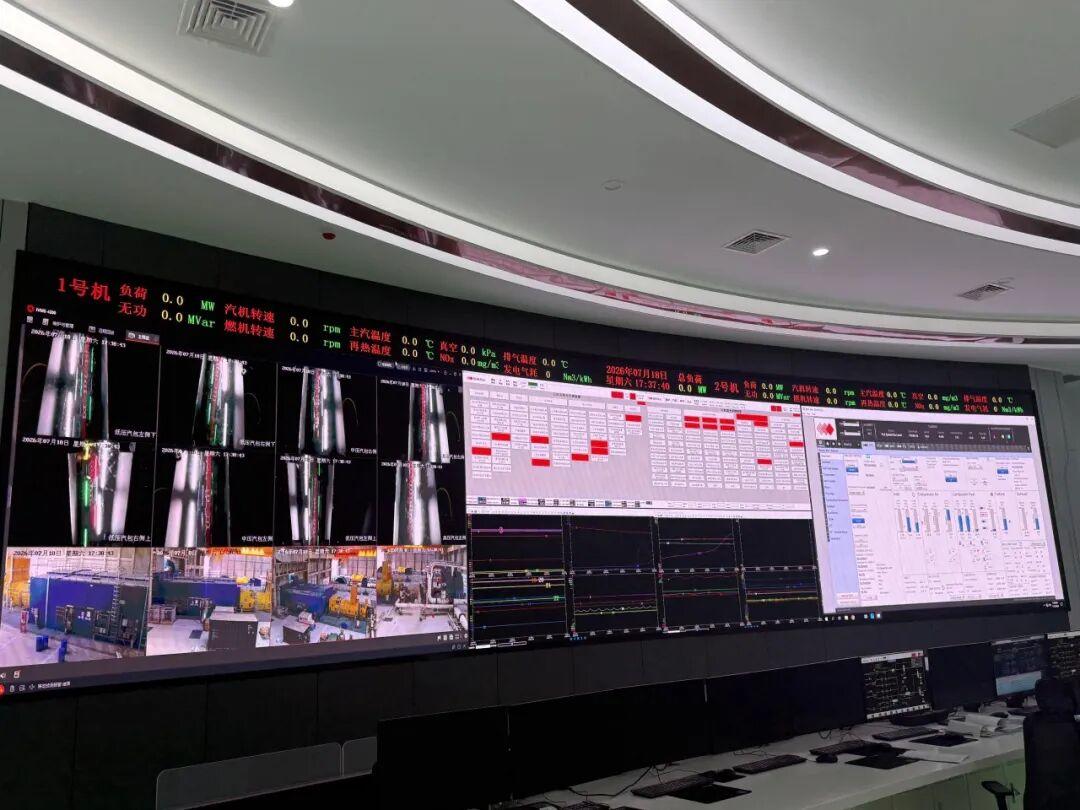
Digitalization is also changing transformer selection logic. As distribution systems become more intelligent, more projects require transformers to support monitoring of temperature, load, oil level, gas, partial discharge or operating status, and to connect with backend management systems. Through online monitoring and data analysis, operators can identify overload, insulation aging, cooling abnormalities and environmental risks earlier, reducing the probability of unexpected failures.
In the future, transformer selection will become more scenario-based and system-oriented. Equipment suppliers need to provide products that meet technical parameters, but they also need to understand user load characteristics, operating modes, installation environments and long-term maintenance needs. For project owners, the selection process should build an evaluation framework covering technical parameters, operating efficiency, safety reliability, maintenance cost and expansion capability.
Overall, transformer selection is no longer only an equipment procurement issue. It is becoming a key decision related to the long-term stable operation of power distribution systems. Projects that consider application scenarios, system requirements and lifecycle cost at the selection stage will be more likely to achieve safe, economical and reliable power supply.
This article is compiled by Wedoany. All AI citations must indicate the source as "Wedoany". If there is any infringement or other issues, please notify us promptly, and we will modify or delete it accordingly. Email: news@wedoany.com