en.Wedoany.com Reported - At 11:00 a.m. on June 2, a sea-rail intermodal train departed from the customs supervision zone of Yiwu (Suxi) International Hub Port, marking that the port's cumulative container throughput has exceeded 200,000 TEUs since its launch on June 27 last year.
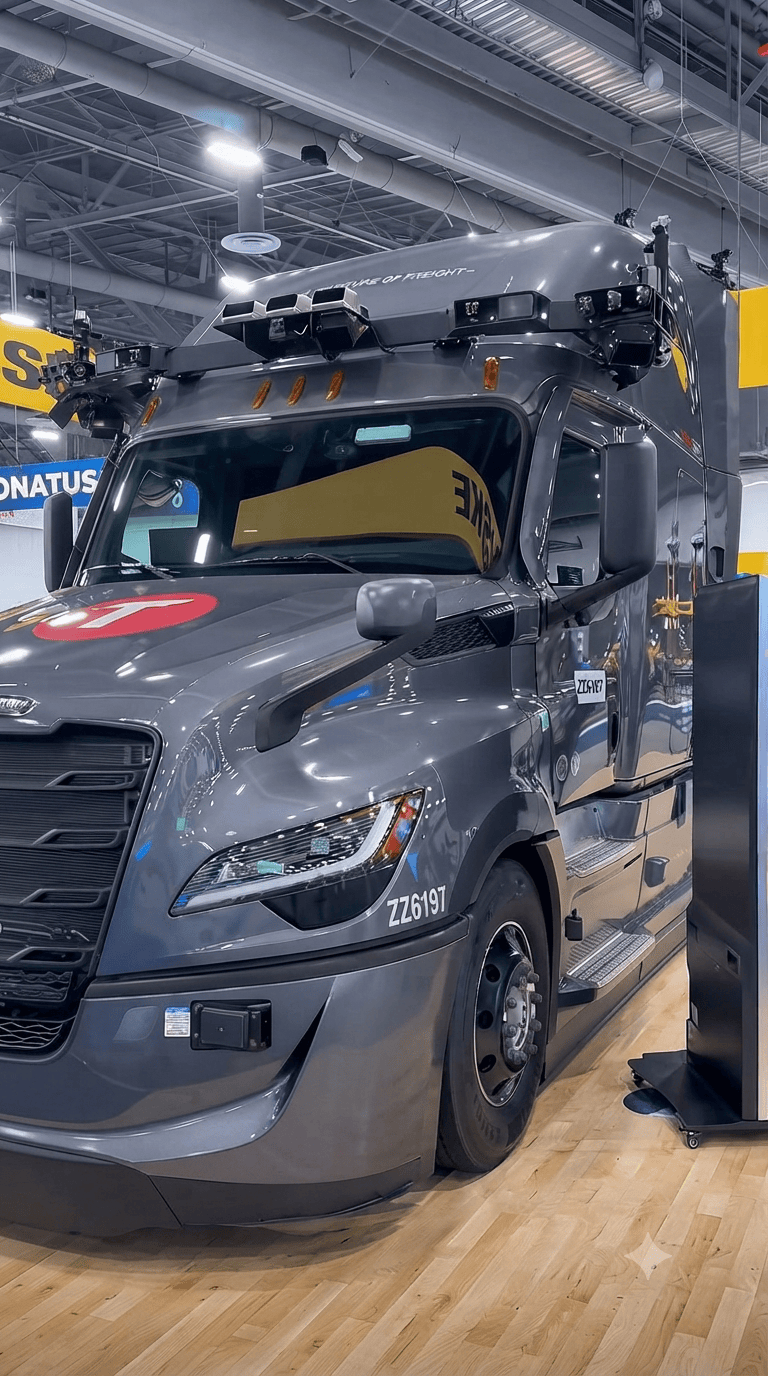
According to reporters, Yiwu (Suxi) International Hub Port serves as the core carrier of the "Sixth Port Area" of Ningbo Zhoushan Port. The port is equipped with six remote-controlled rail-mounted gantry cranes, each 41.5 meters high with a rated lifting capacity of 40.6 tons, capable of double-stack container handling. Combined with manned and unmanned flatbed transport vehicles, it has established a "full-chain intelligent" operational scenario, becoming China's first approved mixed-mode autonomous driving test railway yard.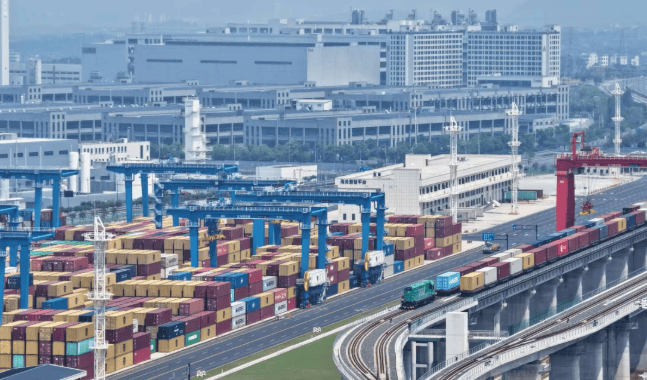
In recent years, Shanghai Railway Group has been advancing the construction of a modern railway logistics system, focusing on strengthening basic logistics capacity, optimizing the logistics product system, improving hub transit efficiency, and further building an efficient logistics network. It has enhanced multimodal transport service capabilities, helping regional enterprises reduce costs and increase efficiency, ensuring stable and smooth industrial chain and supply chain operations, and supporting sustained growth in foreign trade exports. As of now, the sea-rail intermodal services of Yiwu (Suxi) International Hub Port have expanded to three port areas, including Beilun Port Area and Chuanshan Port Area of Ningbo Zhoushan Port, as well as Yueqing Bay Port Area of Wenzhou Port, with six groups of freight trains operating in daily cycles. Customized trains such as "Enterprise Brand Trains," "Double Express Trains," and "E-commerce Trains" operate steadily, becoming a key logistics support for foreign trade enterprises to reduce costs, increase efficiency, expand markets, and ensure smooth industrial and supply chains.
Chen Songdi, Manager of the Multimodal Transport Department of Shanghai Railway Group's Logistics Division, told reporters that in recent years, the group has continuously strengthened the linkage between "railways, customs, port authorities, and enterprise customers," breaking through data bottlenecks and enhancing transport connections to make the "integrated" service system of sea-rail intermodal transport smoother.
This article is compiled by Wedoany. All AI citations must indicate the source as "Wedoany". If there is any infringement or other issues, please notify us promptly, and we will modify or delete it accordingly. Email: news@wedoany.com