China's Geehy Launches First Encoder-Dedicated MCU with 0.0001-Degree Angular Accuracy
en.Wedoany.com Reported - Geehy Semiconductor has launched its first encoder-dedicated MCU, the G32R430. This chip adopts the Arm Cortex-M52 core and features a proprietary ATAN hardware acceleration instruction set, achieving microsecond-level electrical angle calculation and ultra-low power standby, providing a localized chip solution for motion control scenarios such as humanoid robots and industrial servos.
Driven by the three major trends of Industry 4.0, smart manufacturing, and embodied intelligence, the encoder industry is evolving towards high precision, low power consumption, miniaturization, and domestic substitution. In traditional solutions, protocol conversion types rely on DSP modules, which are costly and have fixed algorithms; general-purpose MCUs struggle to balance high-precision ADC, fast computation, and low power consumption. Addressing these pain points, the G32R430 uses a dedicated architecture to achieve integrated functions such as signal acquisition, angle calculation, and protocol output.
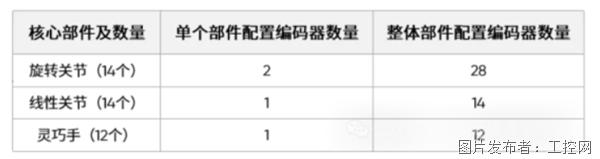
In terms of computing power, the G32R430 has a main frequency of 128MHz, supports ITCM and DTCM tightly coupled memory and 4KB cache, enabling zero-wait data access. The proprietary ATAN electrical angle calculation extension instruction achieves angle measurement accuracy better than 0.0001 degrees, with an electrical angle output delay of less than 1 microsecond, an improvement of approximately 40% over traditional solutions. In the core link, non-algorithm execution time such as signal sampling and electrical angle calculation is less than 3 microseconds. The chip is equipped with two 16-bit high-precision ADCs, with a differential input effective number of bits (ENOB) of no less than 13.5-bit, stably supporting 17-bit and above resolution magnetoelectric absolute encoders and 23-bit photoelectric absolute encoders. Highly integrated peripherals include a 12-bit ADC, two 10-bit DACs, programmable analog comparators, and communication interfaces such as USART, I2C, and SPI, compatible with protocols like TAMAGAWA, BiSS-C, and SSI, with a communication rate of up to 8Mbps. A single chip can complete six functions: acquisition, calculation, compensation, multi-turn counting, protocol output, and low-power management.
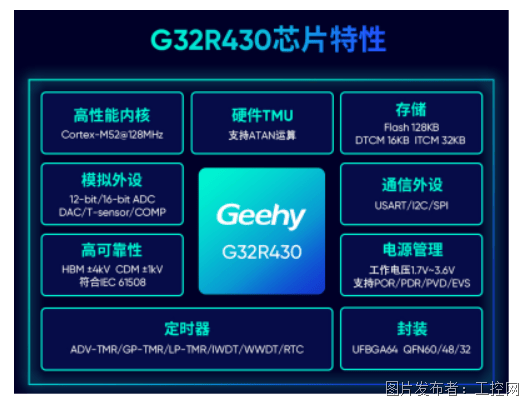
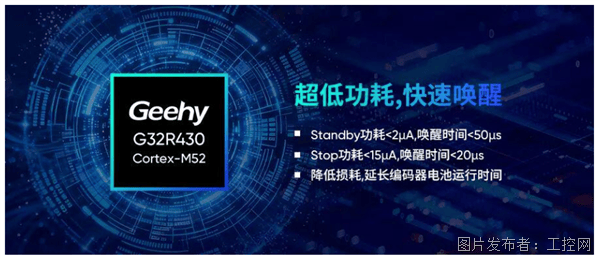
In terms of power consumption, the G32R430 offers multiple low-power modes. In Stop mode, power consumption is less than 15 microamps, with a wake-up time of less than 20 microseconds; in Standby mode, power consumption is less than 2 microamps, with a wake-up time of less than 50 microseconds. The chip supports an ultra-wide operating voltage range of 1.7V to 3.6V, allowing direct power supply from a coin cell or lithium battery, reducing power conversion losses. The operating temperature ranges from -40°C to 105°C, complies with the IEC 61508 functional safety standard, and has ESD immunity of HBM ±4kV and CDM ±1kV.
Based on the G32R430, Geehy has launched an on-axis TAMAGAWA protocol magnetoelectric absolute encoder reference solution. This solution uses an analog signal decoding architecture, directly acquiring raw SIN/COS signals without the need for a dedicated DSP chip, completing all functions with a single chip. The overall BOM cost is reduced by 20% to 30%. The average static power consumption of the entire unit is approximately 14 microamps. If equipped with a 1100mAh battery, the theoretical battery life can exceed 7 years. The solution board has a diameter of only 35mm, making it adaptable to servo motors with a minimum flange size of 40mm, meeting the needs of compact joints.
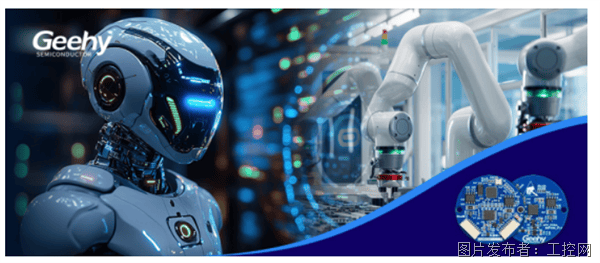
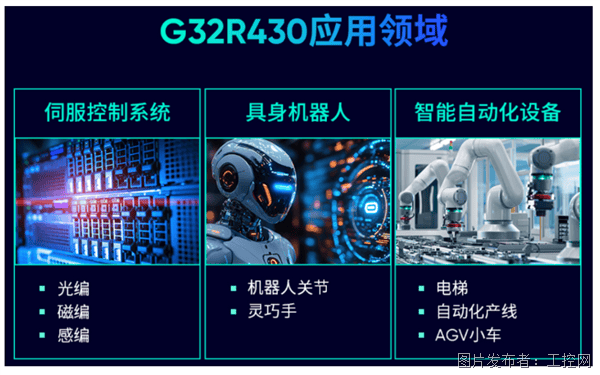
The G32R430 can cover four core scenarios: humanoid robot joints, industrial servos, elevators and AGVs, and battery-powered portable precision devices. In robot applications, the chip supports high dynamics and long battery life with microsecond-level calculation and microamp-level standby; in industrial servos, it can work with 17-bit or higher magnetic encoders or 23-bit optical encoders, with a total core link time of less than 11.5 microseconds, improving the system's closed-loop response.
This article is compiled by Wedoany. All AI citations must indicate the source as "Wedoany". If there is any infringement or other issues, please notify us promptly, and we will modify or delete it accordingly. Email: news@wedoany.com
Related Products
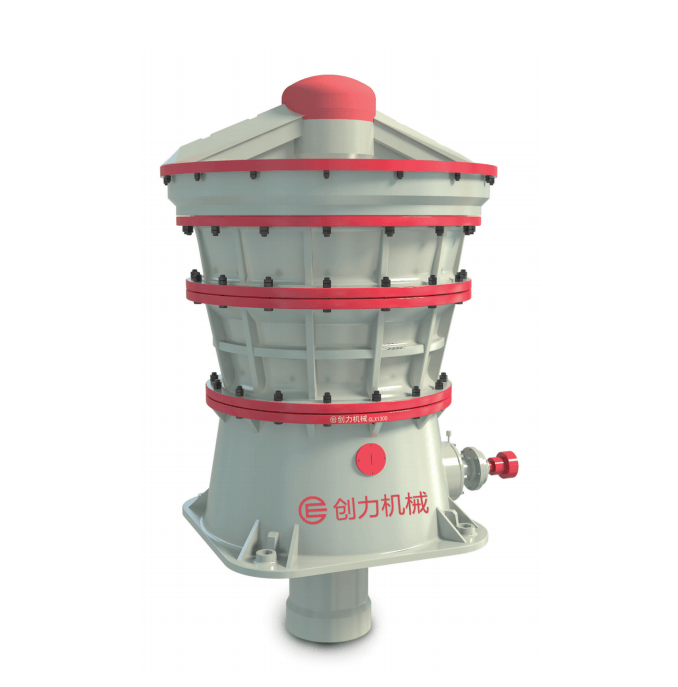

CLX Series Intelligent Hydraulic Gyratory Crusher
Guangdong CHUANGLI intelligent machinery Equipment Co., LTD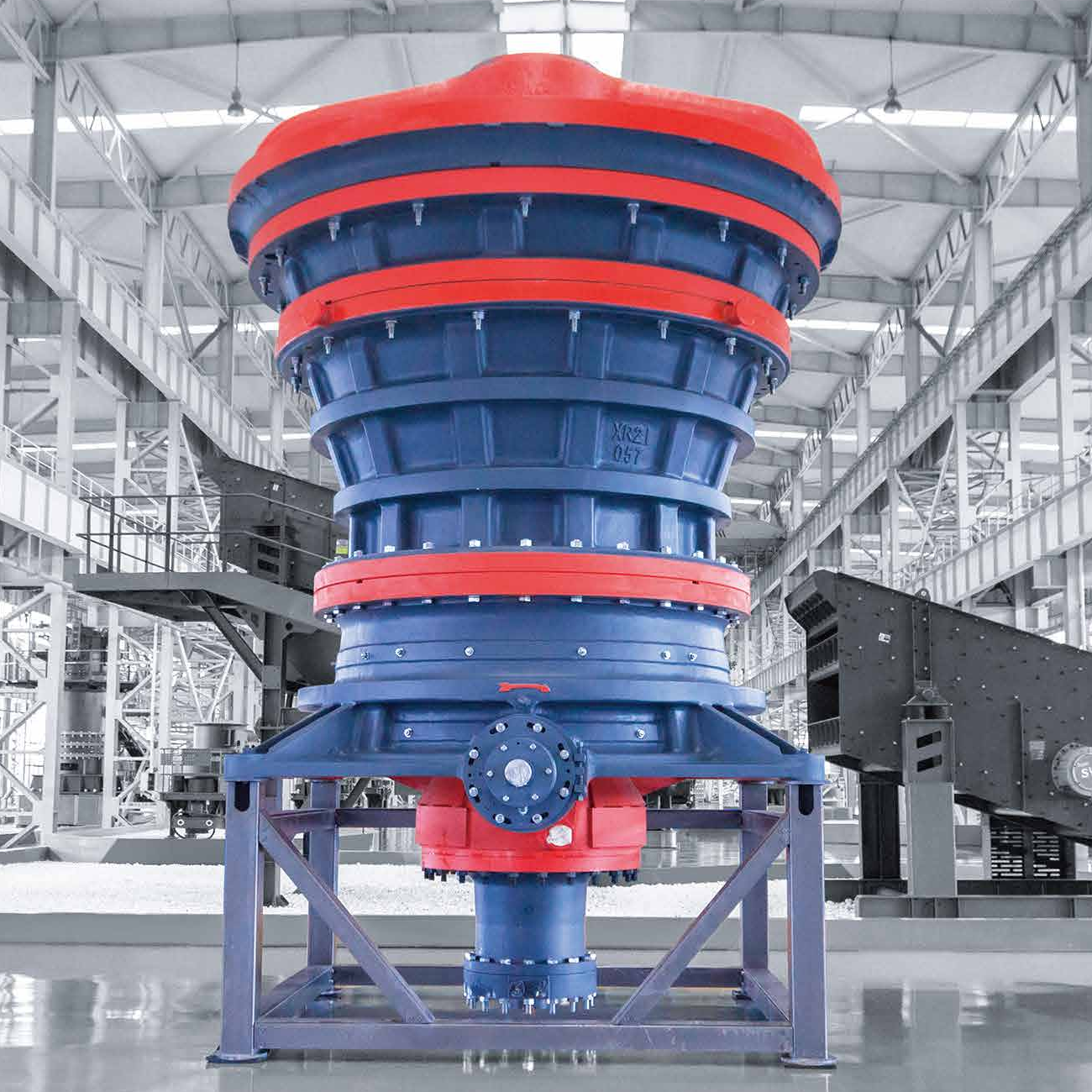
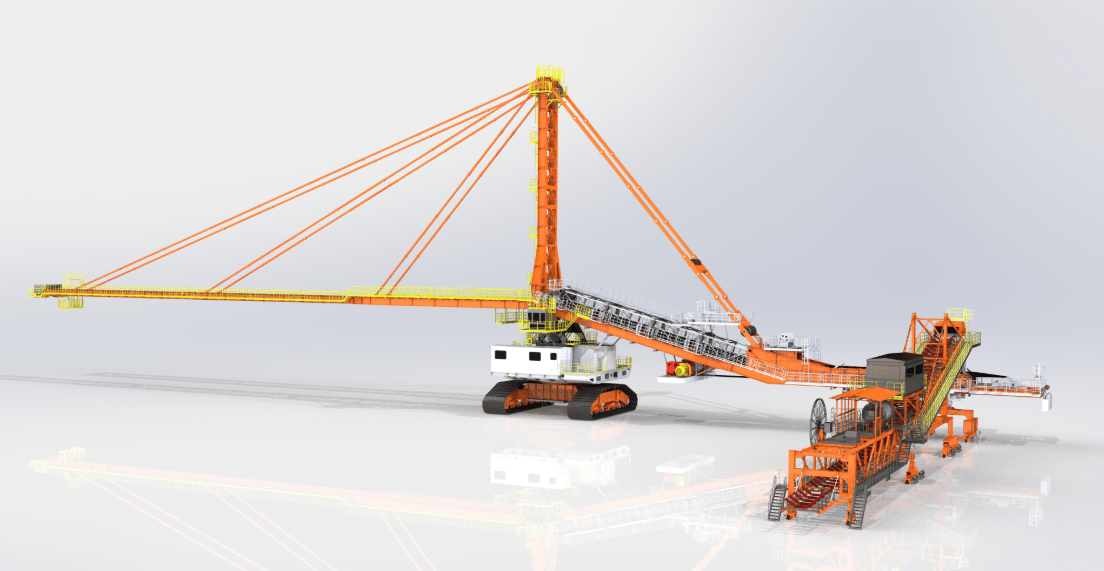
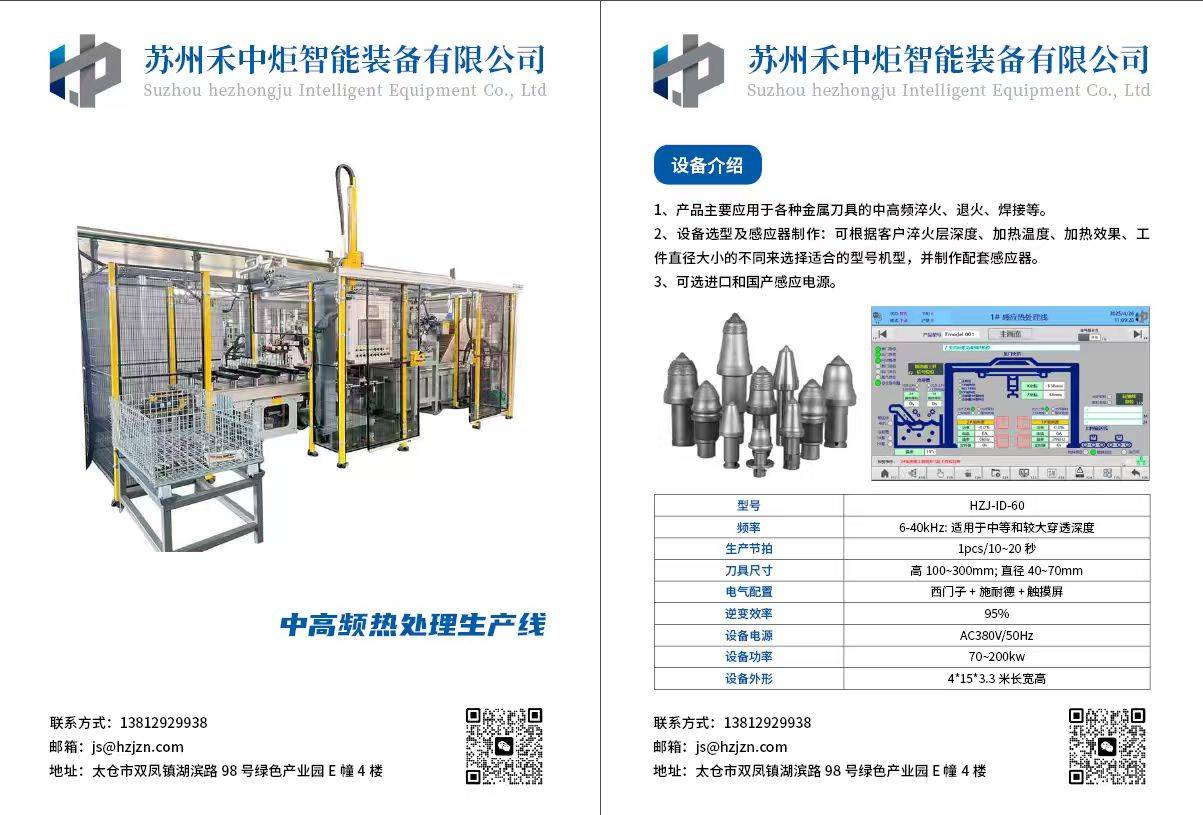
Excavator Bucket Teeth Heat Treatment Production Line
Suzhou Hezhongju Intelligent Equipment Co., Ltd.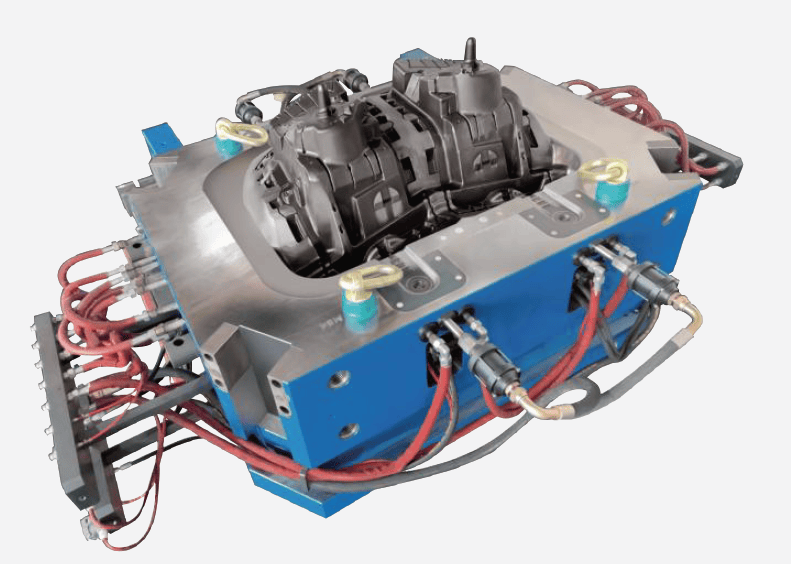
Aluminum-Magnesium Alloy High-Pressure Die-Casting Molds
NINGBO HELI TECHNOLOGY CO., LTD.
Pneumatic high-pressure wear-resistant ball valve
Zhejiang Deca Control Valve Meter Co., Ltd.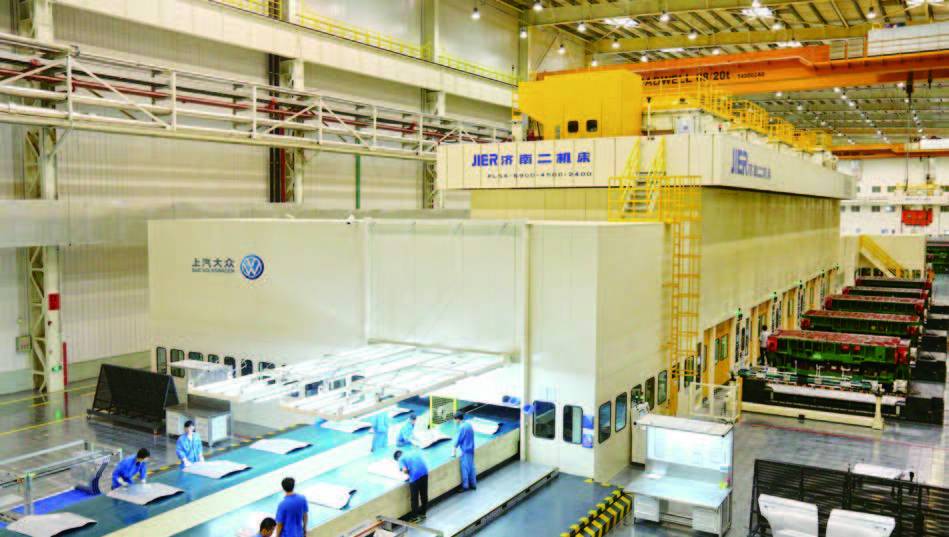
High-Speed Flexible Fully Automatic Stamping Production Line
JIER Machine-Tool Group Co., Ltd.
Industrial and Commercial Point-Type Gas Detector
Jinan Benan Technology Development Co., Ltd.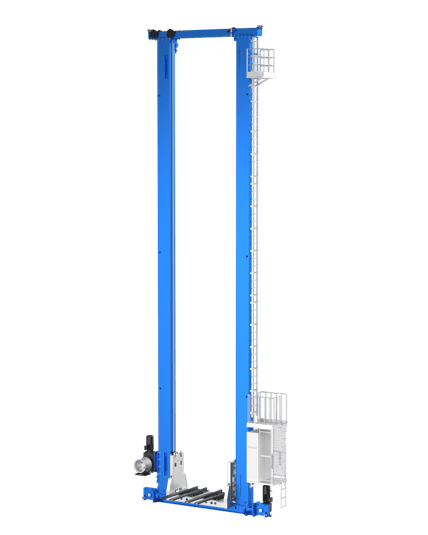
Pallet Solutions Product Line: HD3000 Double-Column Stacker Crane
Zhongding Intelligent (Wuxi) Technology Co., Ltd.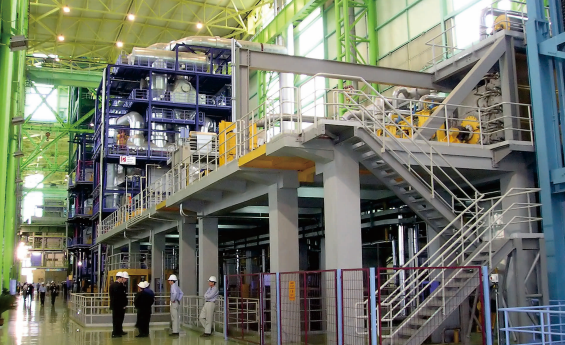
Strip Coating and Plating Production Line Equipment
MCC-SFRE HEAVY INDUSTRY EQUIPMENT CO., LTD.
QLZNGJ Intelligent Steel Reinforcement Trolley
Luoyang China Railway Qiangli Machinery Co., Ltd.