Virginia Expands Shared Solar with New Laws, Adding 625 Megawatts of Capacity
en.Wedoany.com Reported - Virginia has passed two new laws requiring local utility companies to significantly expand shared solar (community solar), with the state's planned new capacity potentially propelling it to fifth place nationally in this sector.
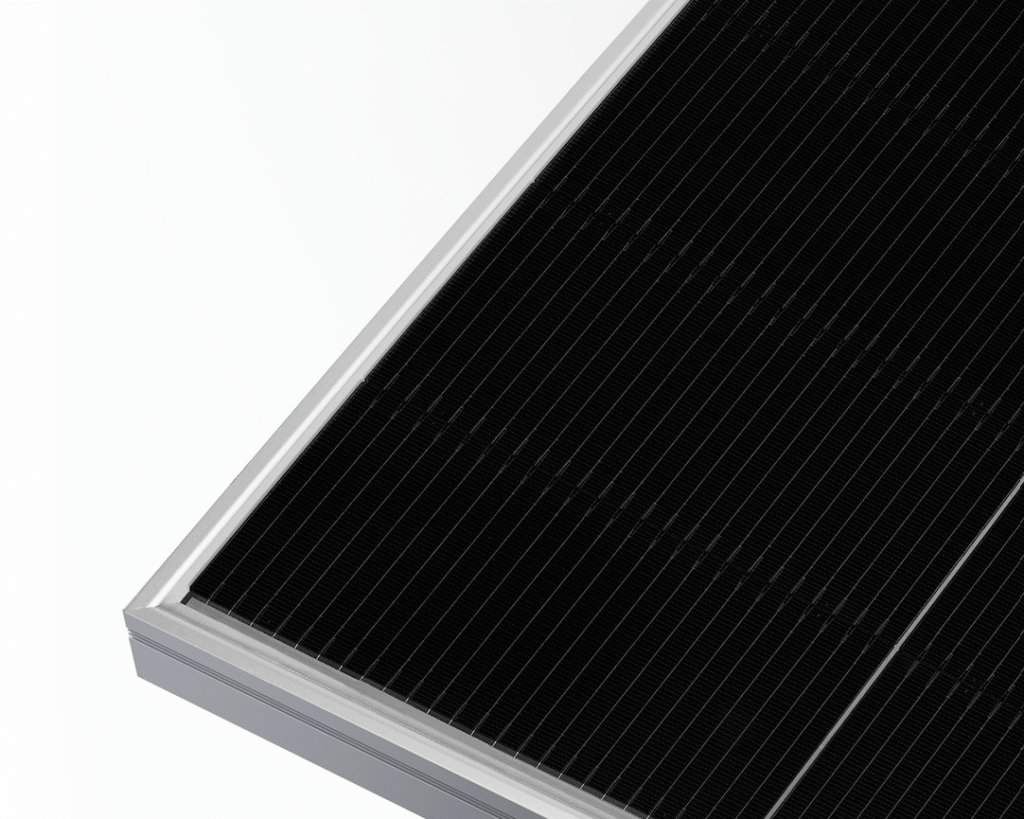
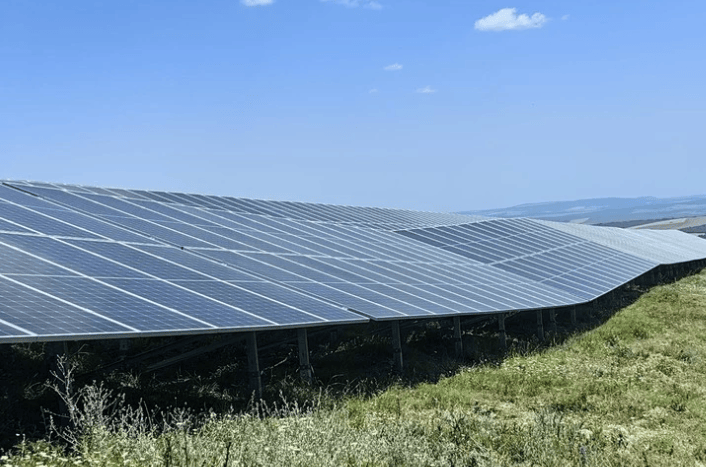
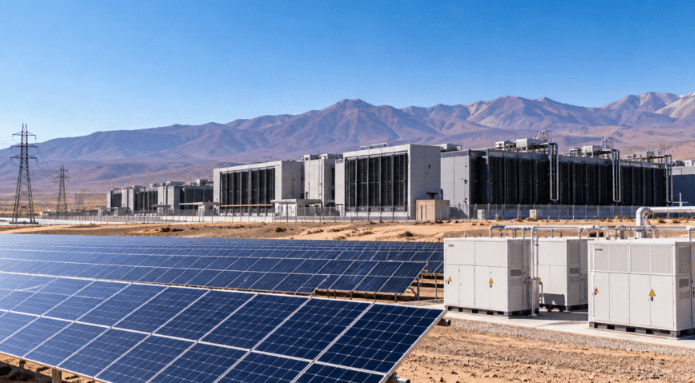
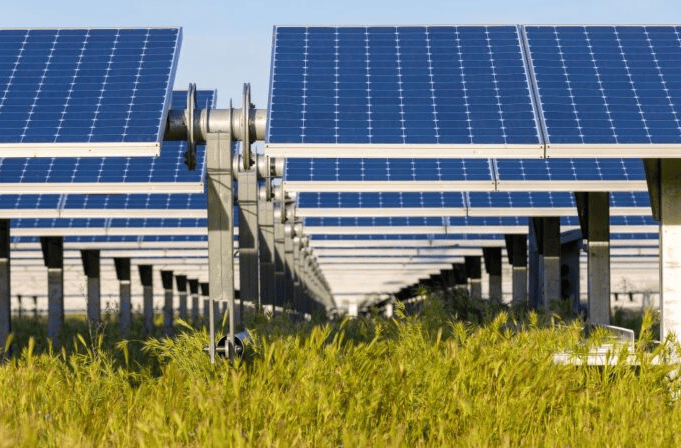
Steve Ault, a farmer in Prince Edward County, and his wife were early participants in a shared solar project. About six years ago, Ault leased 20 acres of pasture from his 100-acre family farm to developer Dimension Energy to build a 5-megawatt small-scale solar array. Since it began supplying power to the grid in February 2024, the array has generated tens of thousands of dollars in annual income for the couple. The grass beneath the solar panels is maintained by a local shepherd using over 50 sheep. Steve says the project has been a win-win.
Two laws signed this spring by Virginia Governor Abigail Spanberger provide policy support for more farmers to participate in similar projects. Sponsored by Northern Virginia Democratic State Senator and Majority Leader Scott Surovell and Delegate Rip Sullivan, these laws require investor-owned utilities Dominion Energy and Appalachian Power to develop more shared solar farms. Such arrays can be up to 5 megawatts in size, partially funded by users who want to use solar energy but cannot install panels on their own homes.
Brandon Smithwood, Vice President of Policy at Dimension Energy, says shared solar helps lower customers' electricity bills because solar power is generally cheaper and less volatile in cost than fossil fuel generation. Small-scale solar farms can be developed relatively quickly, adding valuable generation capacity amid surging regional grid prices and tight data center supply. Such projects can also be tucked away on the back 40 acres of a farm, invisible from the road, like the Aults' solar array.
Virginia already has a foundation for shared solar projects. The Clean Economy Act passed in 2020 required Dominion Energy to develop 200 megawatts of shared solar farms. A follow-up measure in 2024 required Appalachian Power to invest 50 megawatts. According to the Coalition for Community Solar Access, the initial 200 megawatts in Dominion Energy's service area served tens of thousands of residents through 52 projects, and Appalachian Power's version was almost immediately oversubscribed after its launch in 2025.
The new laws will significantly expand this scale. Under Senate Bill 254/House Bill 807, Dominion Energy must provide an additional 525 megawatts of shared solar starting this summer. Under Senate Bill 255/House Bill 809, Appalachian Power will improve billing practices and provide another 100 megawatts. Charlie Coggeshall, Mid-Atlantic Regional Director at the Coalition for Community Solar Access, says affordability has become a key policy focus, and community solar is seen as part of the solution. Data from the Rocky Mountain National Laboratory shows that expanding to 875 megawatts could make Virginia fifth in the nation for shared solar, behind only Minnesota.
Depending on the design, shared solar can save consumers 5% to 15% on electricity bills nationwide, while generating millions of dollars in system-wide benefits by reducing the need for costly investments in generation, transmission, and distribution. Virginia's shared solar program has a key feature distinguishing it from many leading states: subscribers must pay a minimum monthly fee to ensure utilities always receive compensation, meaning users cannot reduce their bills to zero. Additionally, Dominion Energy and Appalachian Power will still be required to serve a certain target of low-income customers. Dimension Energy expects Virginia's expansion to cut bills by at least 10% for an additional 125,000 households in the state.
This article is compiled by Wedoany. All AI citations must indicate the source as "Wedoany". If there is any infringement or other issues, please notify us promptly, and we will modify or delete it accordingly. Email: news@wedoany.com
Related Products


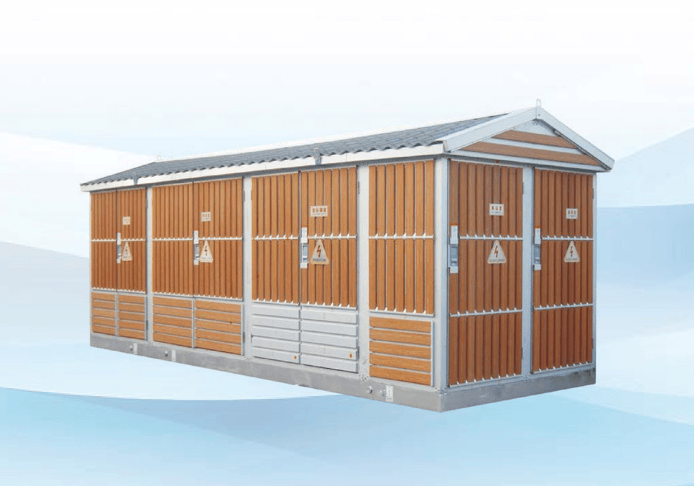
YB □ -12/0.4/1250 Outdoor Prefabricated Substation (European Style)
Shangrao Shangyu Intelligent Electric Co., Ltd.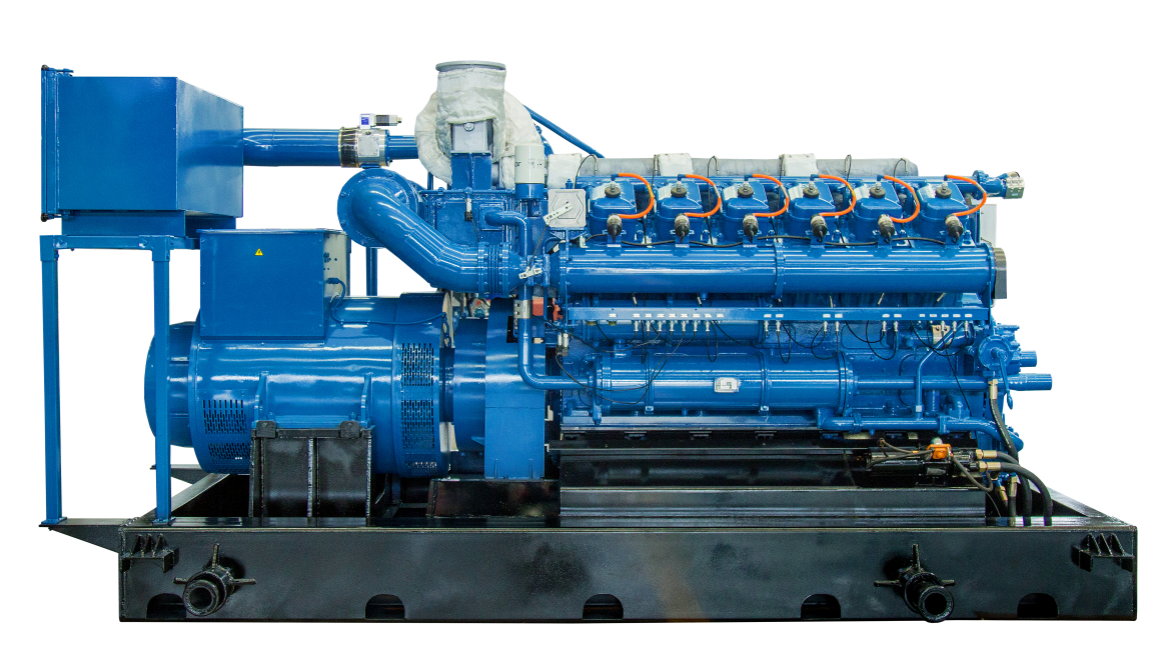
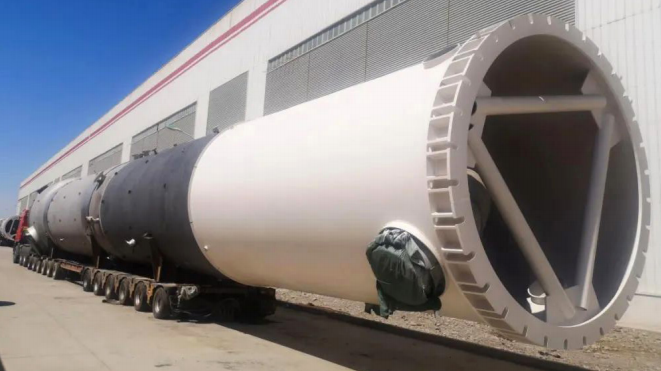
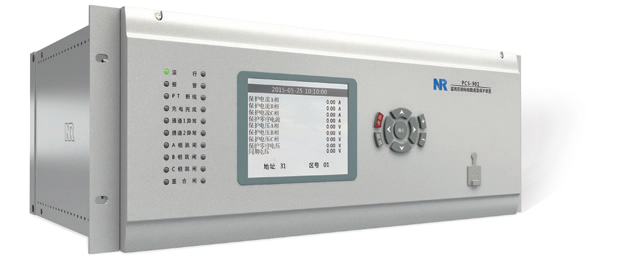
PCS-901 Series Ultra (Extra) High-voltage Transmission Line Complete Protection Device
Nanjing NR Electric Co., Ltd.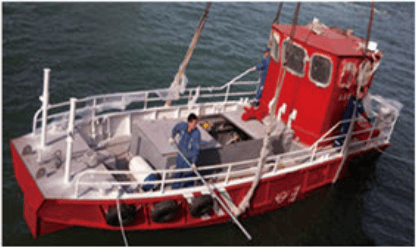
Electromagnetic Fluid Seawater Floating Oil Separation and Recover Equipment
Huate Magnet Group Co., Ltd.