India Approves 375 Billion Rupee Incentive Plan for Coal Gasification to Hydrogen
en.Wedoany.com Reported - The Indian Cabinet has approved an incentive plan totaling 375 billion rupees aimed at promoting coal and lignite gasification to produce syngas and downstream products. This plan is significant for India's hydrogen ecosystem, as molecules such as urea or ammonia for fertilizers and hydrogen required by refineries are highly dependent on this process. India currently consumes approximately 6 million tons of hydrogen annually, and with economic expansion, this consumption is expected to double to 12 million tons per year by 2030. However, challenges lie in the source of hydrogen, production costs, and dependence on imports.
Currently, 96% of global hydrogen is produced through steam methane reforming of natural gas, emitting 9 to 12 kilograms of carbon dioxide per kilogram of hydrogen produced, known as "gray hydrogen." More relevant to India is "brown hydrogen" produced from coal gasification, a thermochemical process where coal or lignite reacts with steam and oxygen for partial oxidation to generate syngas composed of hydrogen and carbon monoxide.
Although the carbon dioxide emissions from coal gasification are comparable to those from natural gas reforming, it produces a high-purity, high-pressure stream of carbon dioxide that is highly suitable for carbon capture, utilization, and storage (CCUS) technology. With CCUS, this pathway can produce "blue hydrogen" with over 90% emission reduction compared to unabated benchmarks. It is on this basis that the budget of 200 billion rupees allocated for CCUS in 2026-2027 is as important as the gasification plan itself, together representing a total investment of 575 billion rupees in the blue hydrogen industrial strategy.
However, India's official hydrogen policy has not yet fully adapted to this logic. The National Green Hydrogen Mission (NGHM) has allocated 197.44 billion rupees over seven years, aiming to achieve an annual production of 5 million tons of green hydrogen by 2030, supported by 125 gigawatts of dedicated renewable energy. Meanwhile, the Bureau of Energy Efficiency launched the Green Hydrogen Certification Scheme of India (GHCI) in April 2025, setting a strict standard of 2 kilograms of carbon dioxide emissions per kilogram of hydrogen over its lifecycle. Currently, eligible production pathways under GHCI are limited to electrolysis driven by renewable energy and biomass conversion, while coal gasification with CCUS is excluded from certification.
Hydrogen produced from Indian coal through gasification and carbon capture, even if its lifecycle carbon emission intensity is below 2 kilograms of carbon dioxide per kilogram of hydrogen, cannot obtain green certification; whereas hydrogen produced by electrolyzers that rely on imported critical minerals and high water consumption can be certified at the same emission level. This is not rational climate policy but an obsession with color labels. India's hydrogen mission is fixated on a color agenda rather than focusing on the molecule itself, its full lifecycle footprint, and most critically, where it comes from and who controls its supply chain. The solution lies in including coal gasification with CCUS in GHCI, adopting the same emission threshold as electrolysis, allowing projects to combine gasification and CCUS incentives, and shifting NGHM's target from solely "green" hydrogen to "clean" hydrogen encompassing blue hydrogen.
Energy sovereignty is the strongest argument for coal-to-hydrogen. In the 2025-2026 fiscal year alone, India's energy import bill amounted to 2.77 trillion rupees, exacerbating geopolitical and sovereign vulnerabilities. India possesses 401 billion tons of coal reserves, a domestic resource and sovereign asset priced domestically, with its supply chain and workforce within the country. In the Indian context, a coal-based blue hydrogen economy is not only cost-advantageous but also more reliable in terms of energy security. Hydrogen produced from Indian coal, with carbon captured using domestic CCUS technology, has a higher self-sufficiency rate than green hydrogen reliant on imported electrolyzer supply chains and scarce freshwater, as well as gray hydrogen dependent on imported liquefied natural gas.
Therefore, India should seriously explore coal gasification for hydrogen production. Although technical and economic challenges remain, the new incentive plan aims to provide financial incentives of up to 20% of plant and machinery costs to address these issues. However, clear policy guidance is still needed on offtake guarantees and granting infrastructure status to projects to enhance economic viability. Beyond clean energy goals, energy security means control over supply, and coal provides that foundation, gasification offers the pathway, and CCUS adds climate credibility. Policy certification needs to adapt to this reality.
(Dr. Akanksha Jain and Ms. Shagun Mamgain are Research Advisors at the Centre for Climate Change and Energy Transition (CCET), Chintan Research Foundation (CRF). The views expressed are personal.)
This article is compiled by Wedoany. All AI citations must indicate the source as "Wedoany". If there is any infringement or other issues, please notify us promptly, and we will modify or delete it accordingly. Email: news@wedoany.com
Related Products

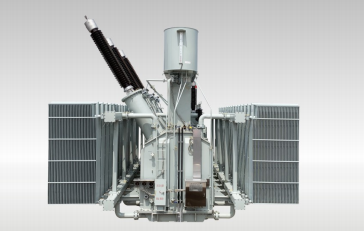
220kV and Below Voltage Level Energy-saving Oil-immersed Power Transformers
FuZhou TianYu Electric Co., Ltd.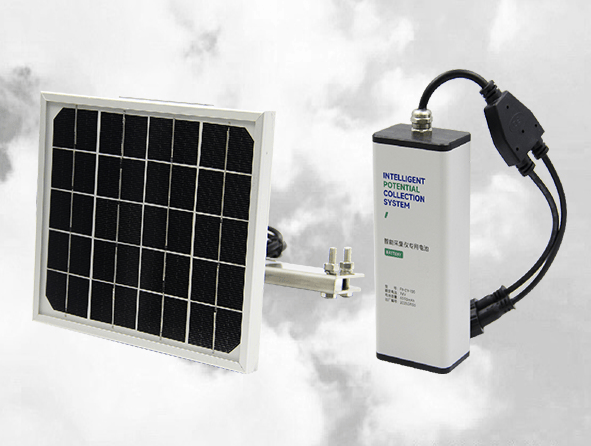
Inductive Power Harvesting Self-Powered Device - Safuneng
SELF ENERGY TECHNOLOGY (SHENZHEN) CO., LTD.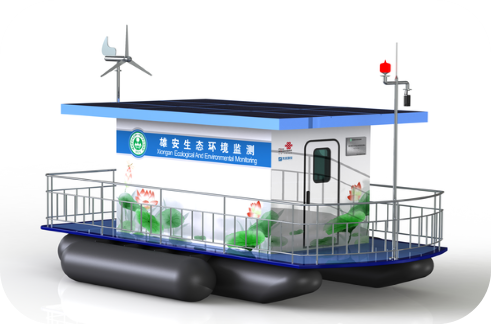
Floating Boat Water Quality Automatic Monitoring System
Hebei Sailhero Environmental Protection High-tech Co., Ltd.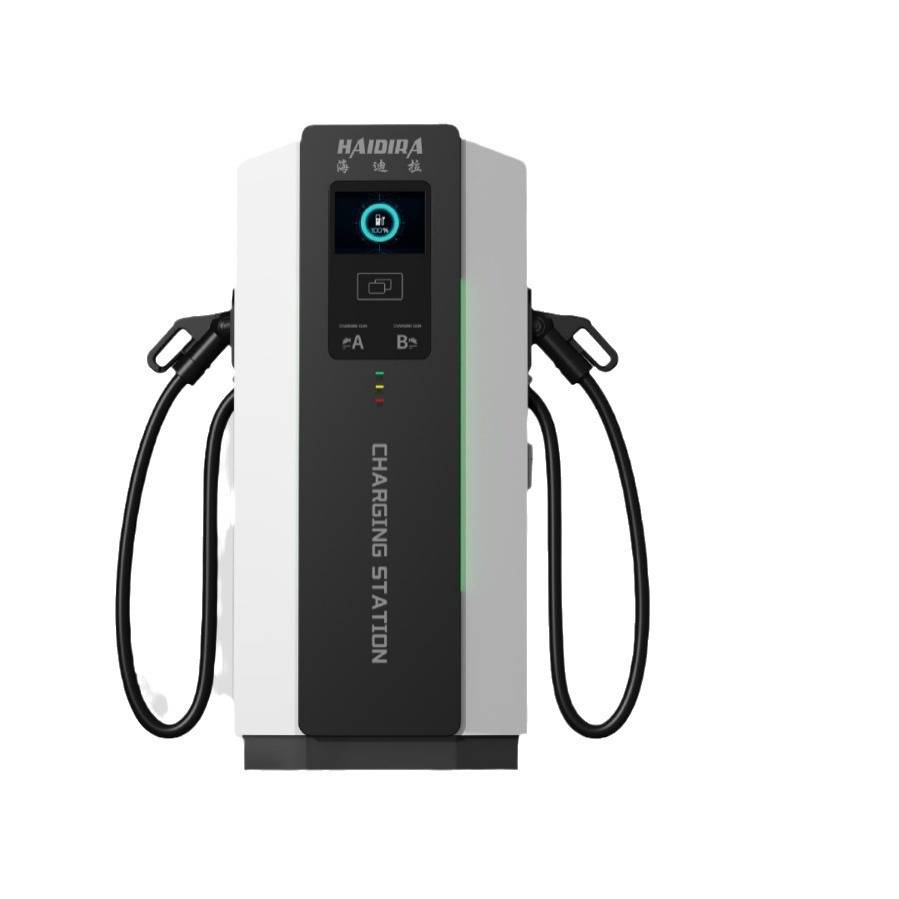
Manufacturer Direct Sales Tesla New Energy Electric Vehicle Universal DC 180kW Dual-gun Charging Pile Commercial Fast Charger
Anhui Haidira Electric Technology Co., Ltd.
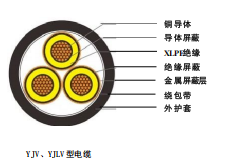
Rated Voltage 6-35kV Cross-linked Polyethylene Insulated Power Cable
TONGDING INTERCONNECTION INFORMATION CO., LTD.
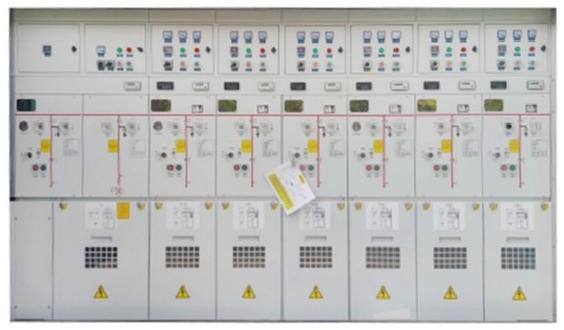
NISELA Series Environmentally Friendly Gas-Insulated Ring Main Unit
XJ DELISHIER ELECTRIC CO., LTD.

Off-Grid Fuel Cell Supercharging Station (180kW Configuration)
Shanghai REFIRE Group Limited