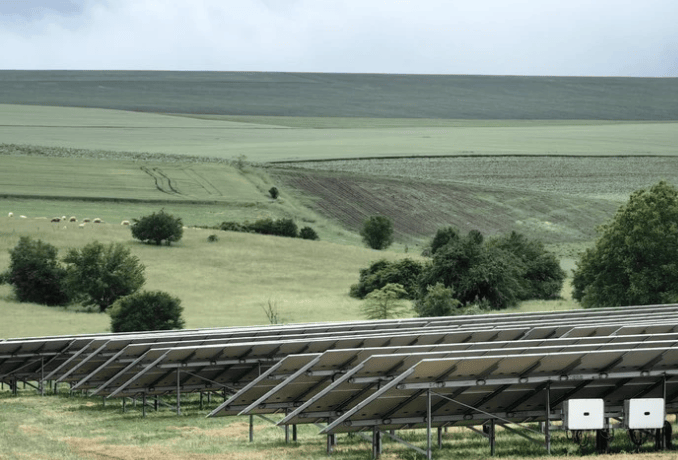
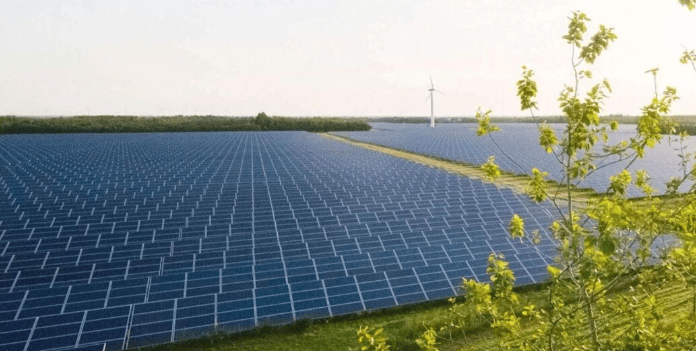
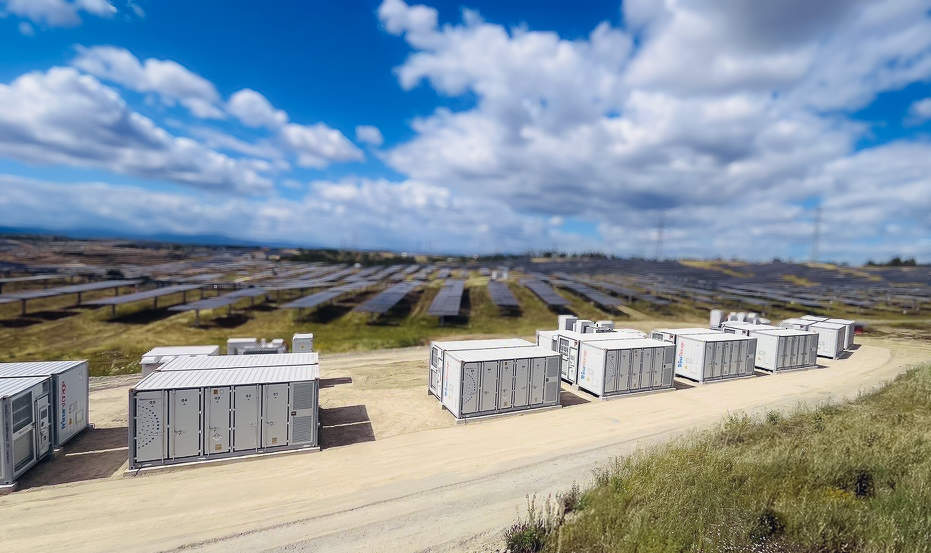
en.Wedoany.com Reported - The UK government has set a new target to cut greenhouse gas emissions by around 87% from 1990 levels by 2040, further advancing the net-zero transition amid a sensitive period for energy policy. The Labour government stated that the target will support cleaner electricity supply, reduce reliance on fossil fuel price shocks, and help create domestic jobs. However, ministers have yet to unveil a specific implementation plan demonstrating how the UK will achieve this goal.
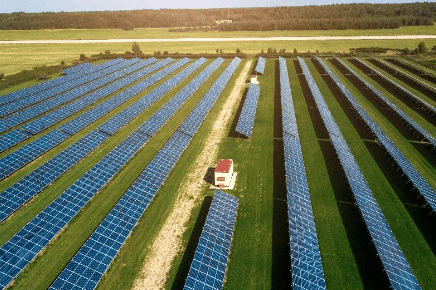
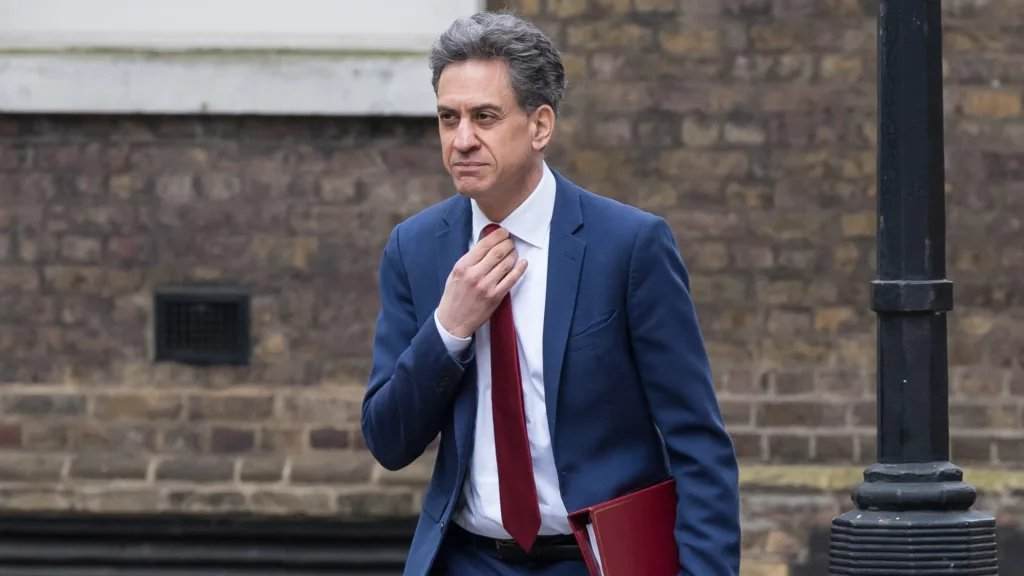
Global energy markets are currently facing new pressures. Disruptions in Middle Eastern supply have pushed up wholesale natural gas prices, adding burdens to households and businesses already hit by the surge in fossil fuel prices following Russia's invasion of Ukraine in 2022. Energy Secretary Ed Miliband said in a statement that with the UK experiencing its second fossil fuel shock in a decade, the only way to protect household and business finances is to drive forward clean, homegrown electricity under the nation's control.
Political risks are looming. The energy regulator, the Office of Gas and Electricity Markets (Ofgem), has raised the price cap due to rising wholesale gas costs, and millions of UK households are expected to face a 13% increase in energy bills from July. The 2040 target aligns energy security with climate policy on the same track. The government believes that cleaner domestic electricity can reduce exposure to imported fossil fuels and volatile global markets. This argument has become central to Labour's economic messaging, with the government stating that the clean electricity agenda will support job creation and industrial renewal. Citing a report by the Energy and Climate Intelligence Unit, supported by analysis from CBI Economics, the government said the UK's net-zero economy supports over one million jobs.
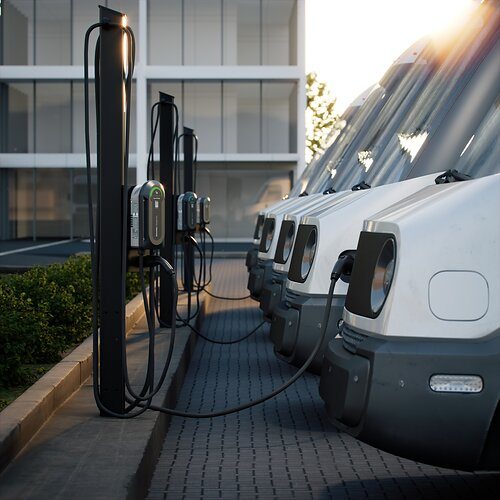
For investors and executives, the target provides a clearer long-term direction for where capital needs to flow, including power generation, grid infrastructure, building retrofits, low-carbon heating, transport electrification, and industrial decarbonization. But targets alone cannot solve implementation issues; the government said it will publish a plan as soon as possible after the target is approved by Parliament. The Climate Change Committee recommended the 2040 target last year, stating that achieving it requires significant investment in low-carbon technologies, including renewables, heat pumps, and electric vehicles. The committee also pointed to more difficult shifts—potentially requiring reduced meat consumption, and a decline in aviation emissions unless sustainable aviation fuel scales up far faster than current levels. This pushes the target beyond power sector reform, touching on consumer habits, industrial policy, transport planning, food systems, and infrastructure financing.
The UK has already cut greenhouse gas emissions by around 54% from 1990 levels, with a 2% year-on-year decline in 2025, driven mainly by reduced industrial emissions after the closure of blast furnaces in the steel sector. The latest reduction serves as a warning to policymakers: emissions can fall through industrial contraction, but a net-zero economy requires investment-led growth to maintain public and corporate support. The target lands in a divided political environment. Rising fossil fuel prices have intensified the debate between those calling for more oil and gas drilling and those pushing for faster renewable energy deployment. The opposition Conservative Party last year withdrew its support for the 2050 net-zero target, calling it unachievable. For corporate leaders, the UK under Labour has not retreated from long-term decarbonization, but the policy path still needs details, and boards should expect greater scrutiny on transition planning, energy procurement, capital allocation, and climate-related risks. The 2040 target also matters abroad. As countries update their climate strategies, the UK's approach will be watched to see if it can combine emissions reduction with energy affordability and industrial competitiveness. The next test will be the implementation plan: without it, the target provides direction but not certainty for markets; with it, the energy price crisis could be turned into a stronger argument for supporting clean electricity, resilient infrastructure, and a more competitive low-carbon economy.
This article is compiled by Wedoany. All AI citations must indicate the source as "Wedoany". If there is any infringement or other issues, please notify us promptly, and we will modify or delete it accordingly. Email: news@wedoany.com