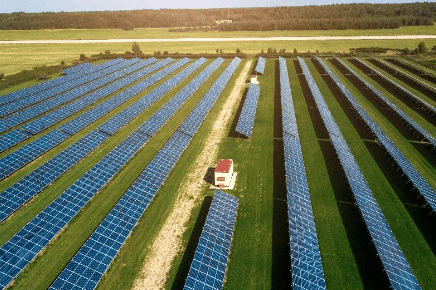
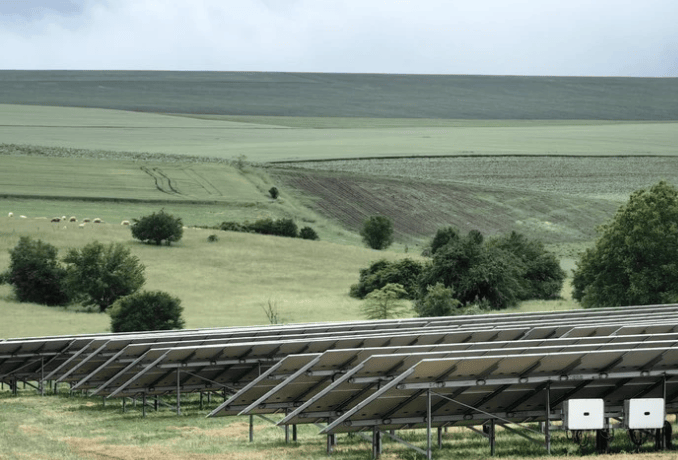
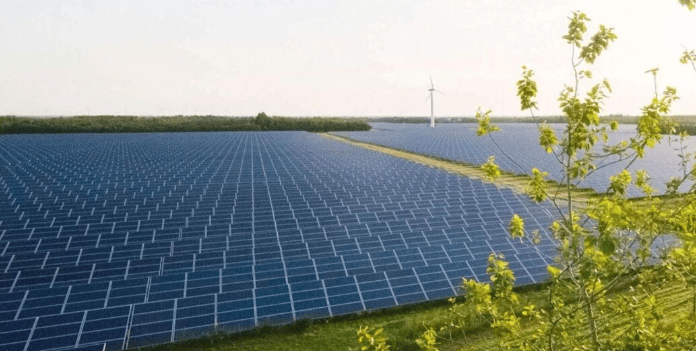
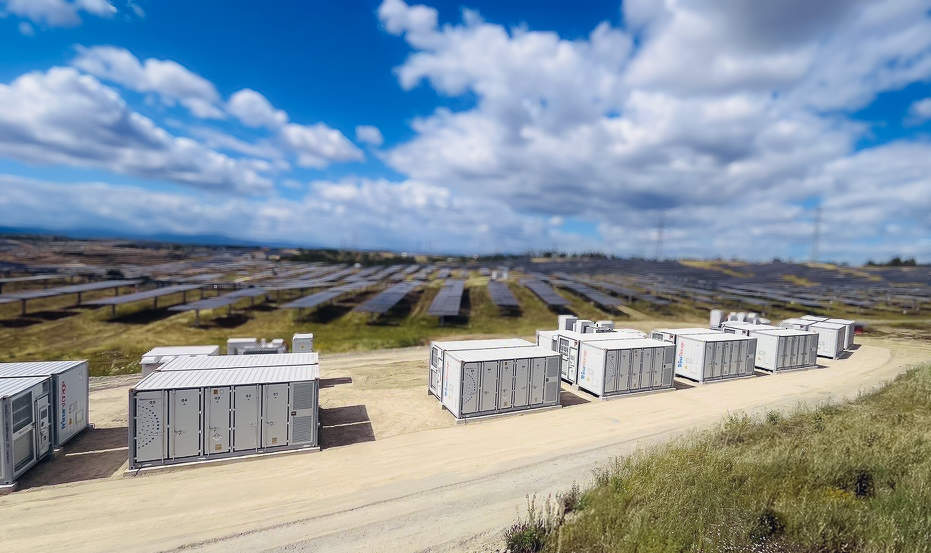
en.Wedoany.com Reported - TIM is expanding its use of clean energy, producing 70% of the electricity it consumes through 136 solar, hydro, and biogas power plants distributed across 23 states and the Federal District, powering over 20,000 antennas.
The distributed generation strategy began in 2017 with five plants in Minas Gerais, supplying approximately 1,200 antennas. Since then, the initiative has expanded nationwide. Today, the company's energy infrastructure produces around 474 GWh annually, equivalent to the consumption of a city with about 770,000 inhabitants, such as Uberlândia (MG) or Ribeirão Preto (SP).
Since 2021, TIM has been using 100% renewable energy, supplementing its own generation through purchases on the free market and International Renewable Energy Certificates (I-RECs). With the consolidation of this infrastructure, the company has entered a new phase in its energy strategy, focusing more on efficiency and innovation.
Alisson de Sousa, TIM's Executive Manager of Energy, stated that the company has reached a significant level of maturity with a well-established generation base. The company's future focus is on reducing dependence on non-renewable energy and electricity purchases from the free market, while advancing solutions to improve efficiency and consumption control.
In this context, TIM has begun investing in applying artificial intelligence to energy management. This initiative started in 2025 with a project focused on billing data analysis and will expand in the coming years. The current project can establish expected consumption patterns for each unit and compare these benchmarks against billing amounts, identifying metering inconsistencies or equipment faults.
Another approach by the operator is developing initiatives to expand the use of clean energy across society. Internally, an energy club offers employees favorable conditions for switching to renewable energy consumption. For consumers, the company is expanding partnerships in this area, such as an agreement with AXIA, which broadens access to the free energy market. The goal is to act as a facilitator for adopting more sustainable solutions, combining potential cost savings, cost predictability, and the use of renewable energy.
The progress in energy and decarbonization strategy is also reflected in recognition from international organizations. TIM has been included in the CDP (Carbon Disclosure Project) "A List" for the third consecutive year, one of the world's most rigorous assessments of climate transparency and governance. Among over 22,000 organizations evaluated globally, only 4% achieved the highest score, including around 30 Brazilian companies.
In Brazil, TIM has a stable presence in several B3 indices, such as the Corporate Sustainability Index (ISE)—in which it has been listed for 18 consecutive years—and the Carbon Efficiency Index (ICO2), which brings together companies with best practices in emissions management. This operator is the telecommunications company with the longest continuous presence in the ISE.
This article is compiled by Wedoany. All AI citations must indicate the source as "Wedoany". If there is any infringement or other issues, please notify us promptly, and we will modify or delete it accordingly. Email: news@wedoany.com