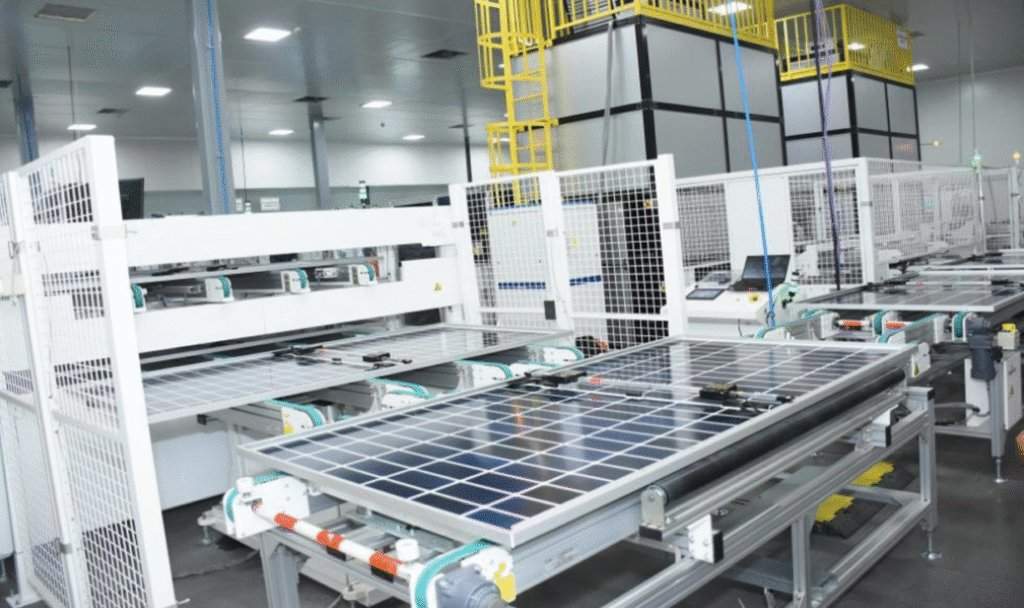
Brazil Power Curtailment Halts Atlas's $1 Billion New Projects
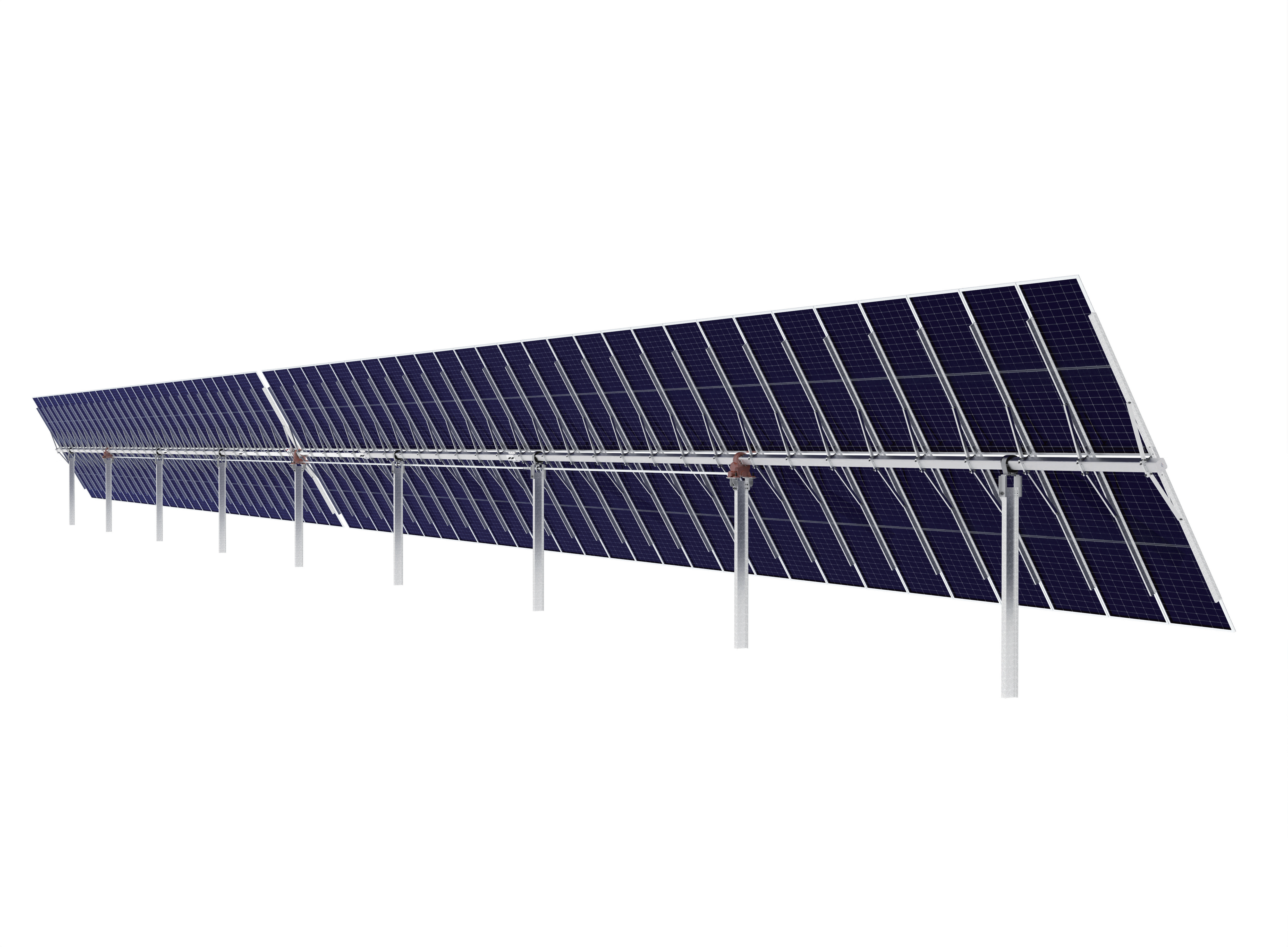
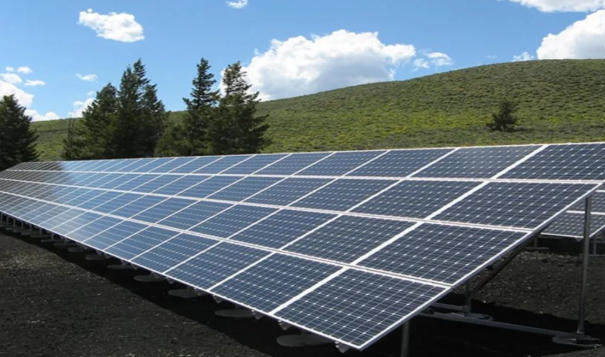
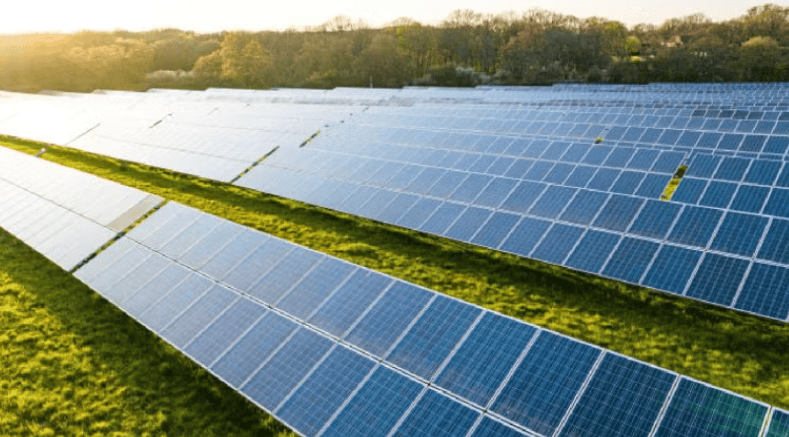
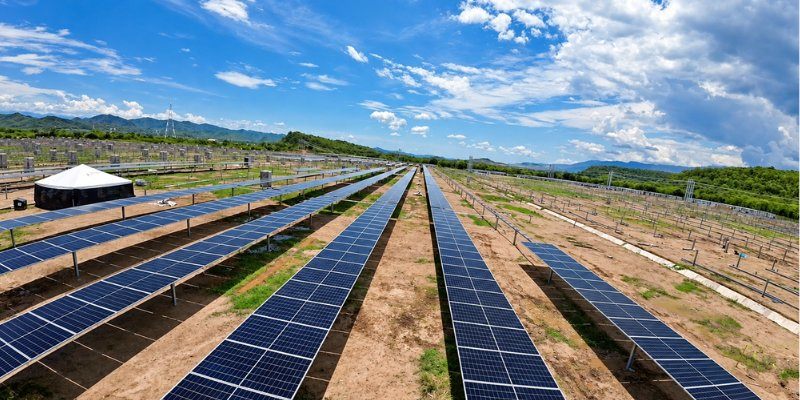
en.Wedoany.com Reported - Atlas Renewable Energy has suspended investments totaling approximately $1 billion in new energy projects in Brazil, due to the country's worsening power curtailment issue—where solar and wind farms are unable to feed electricity into the grid due to operational constraints.
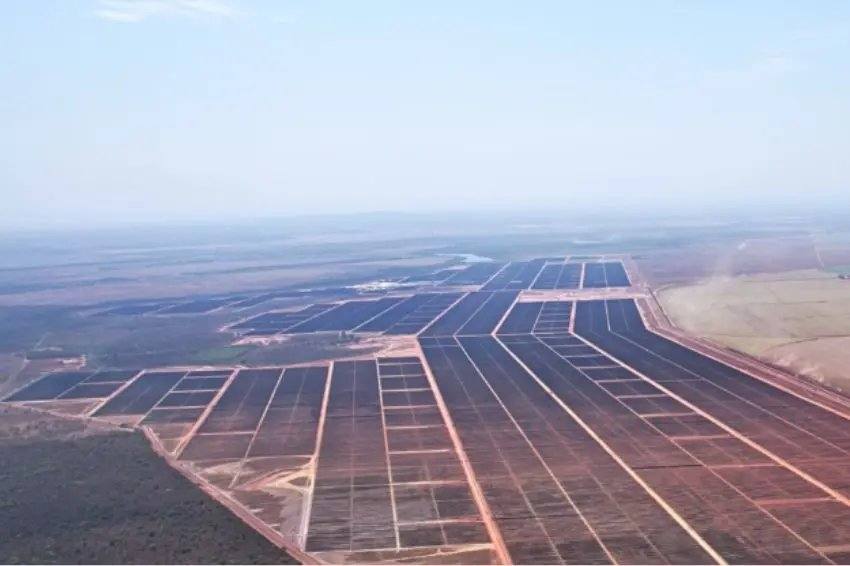
The company, controlled by BlackRock, is one of the largest clean energy generators in South America. Its CEO, Carlos Barrera, told Reuters that approximately 1.5 GW of new projects originally planned for 2025 to 2026 have been shelved. Barrera stated that curtailment levels on the company's operating assets have recently reached 15% to 25%, a level sufficient to alter the economic viability of new investments.
Beyond direct output reductions, the structure of the Brazilian market further amplifies the financial impact on companies. Generators forced offline by dispatch instructions must purchase power on the spot market to fulfill existing contracts, often at prices higher than the originally negotiated rates. Barrera noted that the combination of physical grid constraints and contractual obligations significantly increases project costs.
This issue is not unique to Brazil. Reuters reports that countries such as Australia, Japan, India, and Chile face similar challenges, driven by the common backdrop of renewable energy capacity additions consistently outpacing the expansion of transmission infrastructure. However, in Brazil, the combination of strong growth in photovoltaic power generation and transmission bottlenecks has raised alarms among investors and rating agencies. Last month, Fitch Ratings issued a negative outlook on financing for 11 renewable energy projects in Brazil, stating that curtailment will continue to impact these projects' cash flows, liquidity, and debt service capacity, at least through 2030. Data cited by Fitch shows that average losses related to curtailment have risen from a range of 6% to 12% in 2024 to a range of 7% to 25% in 2025.
Despite freezing new investments, Barrera assessed that the situation will gradually improve in the coming years. Slower expansion of photovoltaic capacity and natural growth in electricity demand are expected to alleviate some of the current congestion in the power system. However, he also pointed out that, given Brazil's political and regulatory agenda, structural adjustments to the market model are unlikely before 2028. In his view, the core issue lies in the persistent mismatch between the rapid advancement of renewable energy and the pace of transmission grid development.
This article is compiled by Wedoany. All AI citations must indicate the source as "Wedoany". If there is any infringement or other issues, please notify us promptly, and we will modify or delete it accordingly. Email: news@wedoany.com
Related Products

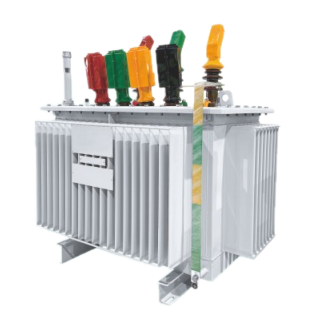
IS(B)□-M·RL Series Oil-immersed 3D Transformer (Planar / 3D Wound Core)
Guangdong Kehua Electric Power Technology Co., Ltd.


Industrial and Commercial Point-Type Gas Detector
Jinan Benan Technology Development Co., Ltd.
Perfluorinated Ionic Membrane-CM-10N Series Membrane
Guizhou Juneng Century Technology Co., Ltd
Mineral-insulated Compact Busway (Fire-resistant Busduct)
Zhuhai Guangle Electric Busway Co., Ltd.