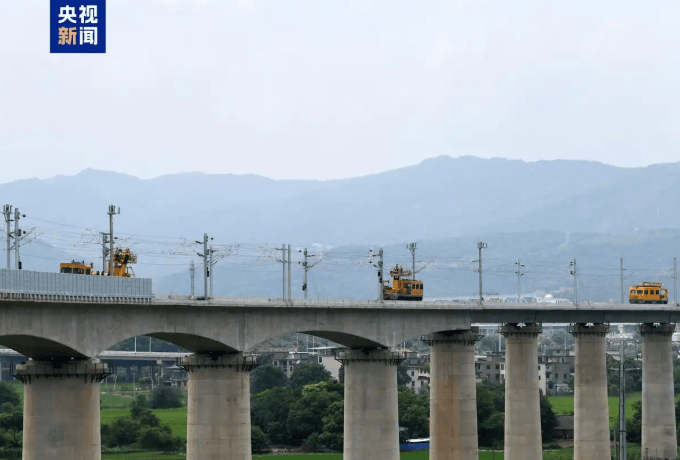
en.Wedoany.com Reported - The latest estimates for the UK's HS2 high-speed rail project show that, based on 2025 prices, its costs have soared to £102.7 billion, and it may not enter service until 2039. This figure is more than double the project's original budget of £32 billion (based on 2011 prices), which equates to approximately £49 billion when adjusted to 2025 prices, even though the initial plan included the now-canceled northern section.
The UK government acknowledges that the remaining time needed to complete HS2 is now roughly the same as when construction began in 2020, highlighting the immense challenges facing the project. For the construction industry, this news is not just about a troubled project but raises broader questions about how the UK plans, manages, and forecasts the delivery of long-term infrastructure projects.
The latest data indicates that about one-third of the cost overruns are attributable to inflation. HS2 Ltd has been criticized for failing to update its inflation estimates frequently enough over the project's lifecycle. For projects spanning decades, inflation forecasts cannot be treated as static. The construction market is constantly evolving, influenced by labor shortages, energy costs, material price fluctuations, supply chain disruptions, and broader economic pressures. Cost assumptions that seem reasonable early in a project can quickly become outdated if baselines are not regularly reviewed and updated.
In recent years, the pandemic, global supply chain disruptions, and energy market volatility have all led to sharp increases in UK construction costs. However, inflation alone does not explain the scale of HS2's cost surge. Delays themselves introduce additional inflation risks; each year the project is extended adds to the cumulative impact of labor, material, and financing costs. Once delivery timelines begin to lengthen, costs do not grow linearly—inflation compounds over time, increasing budget pressure and creating further delivery challenges.
According to the latest forecast from the Building Cost Information Service (BCIS) General Civil Engineering Cost Index, civil engineering costs are expected to rise by 14% over the next five years. While year-on-year forecast increases may seem manageable, the cumulative effect over multi-decade projects can be very significant. Even relatively modest annual inflation rates can produce a pronounced compounding effect in projects spanning decades.
The latest developments with HS2 also raise broader questions about UK governance and long-term infrastructure planning. Major projects frequently face shifts in political priorities, evolving scope requirements, and stop-start decision-making, all of which can significantly undermine delivery certainty and increase cost risks. Although the government has announced plans to simplify certain parts of the project, there are serious concerns about whether HS2's revised budget can be realistically maintained over the next fourteen years.
Meanwhile, the pace of technological change adds another layer of uncertainty. A project conceived decades ago may face questions upon entering service about whether it remains the most efficient transportation solution. This does not diminish the importance of investing in infrastructure capacity, but it reinforces the need for more resilient planning, realistic budgeting, and continuous cost forecasting throughout the lifecycle of major projects. By the time HS2 is fully operational, the project may have been in preparation for approximately 30 years. The challenge for future infrastructure projects lies in ensuring that long-term ambition is matched by long-term discipline in delivery and cost management.
This article is compiled by Wedoany. All AI citations must indicate the source as "Wedoany". If there is any infringement or other issues, please notify us promptly, and we will modify or delete it accordingly. Email: news@wedoany.com