en.Wedoany.com Reported - An international research team has enhanced the migration ability of chloride ions in solid materials by up to 10,000 times by modifying lanthanum oxychloride with the addition of calcium, magnesium, or strontium, laying the foundation for seawater-based chloride ion batteries for grid-scale renewable energy storage. The study, conducted by researchers from Switzerland, Canada, and the United States, aims to explore energy storage technology pathways beyond lithium-ion batteries.
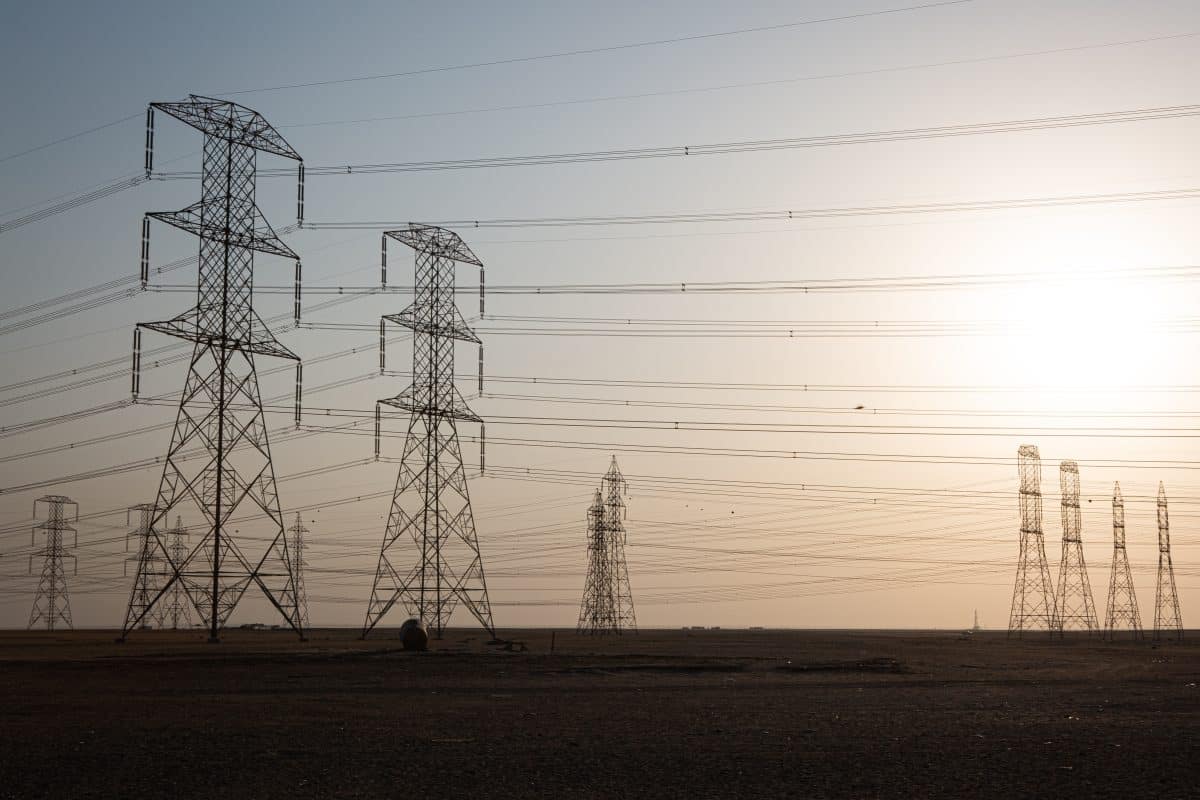
Currently, lithium-ion batteries dominate the energy storage field, but lithium resources face challenges from growing demand and limited supply. Unlike lithium, chloride resources are abundant and can be directly obtained from seawater. Researchers believe that chloride ion batteries could potentially be used in the future to store electricity generated by wind turbines and solar farms, supporting large-scale energy storage systems.
The main technical obstacle facing chloride ion batteries is the slow movement of chloride ions in solid electrolytes. The relatively large size of chloride ions makes it difficult for them to pass through the electrolyte, thereby limiting energy storage performance. By altering the atomic structure of lanthanum oxychloride, the research team created more convenient pathways for chloride ion migration within the material. Experiments showed that calcium modification was the most effective, increasing chloride ion conductivity by up to 10,000 times compared to unmodified materials.
To understand how structural changes improve ion transport, the research team analyzed the material using ultra-bright X-rays from the Canadian Light Source (CLS) at the University of Saskatchewan. The analysis results revealed that the added elements made the crystal structure softer, allowing chloride ions to move more freely within the solid electrolyte.
Sarbajit Banerjee, a professor at ETH Zürich and head of the Battery Science Laboratory at the Paul Scherrer Institute in Switzerland, stated that this research is not about completely replacing lithium-ion batteries, but rather about developing other solutions alongside lithium-ion batteries to meet the future world's enormous demand for hundreds of terawatt-hours of energy storage capacity.
The researchers emphasized that the technology is still in its early stages. The study has not yet demonstrated a complete chloride ion battery but has established a promising electrolyte platform to support future battery development. Jingxiang Cheng, a doctoral student involved in the research, said the team is exploring new directions in the battery field, hoping to use this platform to continue building more possibilities. Banerjee noted that the project aims to lay the foundation for fundamental research and more sustainable battery technologies, enabling them to support large-scale energy storage in the future.
The researchers expressed gratitude for the technical support provided by the Canadian Light Source (CLS) and its VLS-PGM beamline, which provided the necessary measurements for understanding material behavior at the atomic level. The research findings have been published in the journal ACS Applied Energy Materials.
This article is compiled by Wedoany. All AI citations must indicate the source as "Wedoany". If there is any infringement or other issues, please notify us promptly, and we will modify or delete it accordingly. Email: news@wedoany.com