en.Wedoany.com Reported - As industrial enterprises build digital factories and smart manufacturing systems, smart Automation Instruments are becoming important entry points for field data acquisition and equipment status sensing. Compared with traditional instruments, smart instruments provide not only measurements, but also diagnostic information, communication data, operating status and maintenance reminders.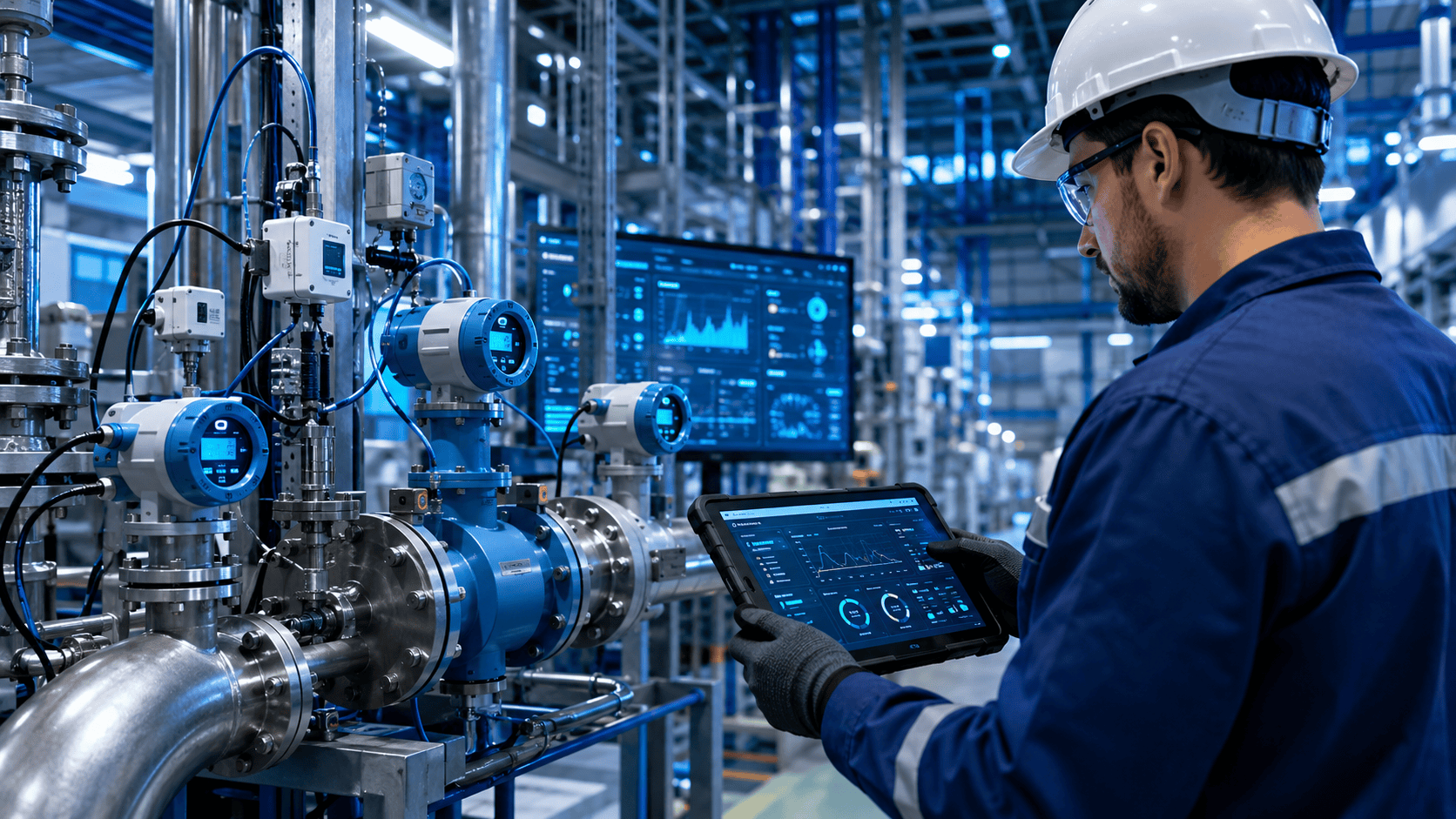
The key advantage is that field devices can move from passive measurement to active feedback. A smart pressure transmitter can report sensor condition and signal quality. A smart flow meter can provide fluid status and fault information. A smart analyzer can record calibration history, reagent status and measurement drift. These data help maintenance teams identify problems before measurement results become unreliable.
Remote diagnostics are especially valuable in large plants and distributed sites. Oil and gas pipelines, wastewater stations, renewable energy sites and chemical parks may have many measuring points across wide areas. If instruments support remote communication and self-diagnosis, operation centers can monitor device condition centrally and reduce unnecessary inspections.
Smart instruments can also support predictive maintenance. By analyzing drift, signal fluctuation, communication abnormality, temperature changes and operating history, systems can identify potential failure trends and schedule calibration, replacement or repair earlier. This approach is more refined than fixed-cycle maintenance and safer than waiting for failure.
However, smart instrument application is not simply equipment replacement. Enterprises need to address communication protocol compatibility, data standards, cybersecurity, power supply and platform integration. If field data cannot be received and analyzed effectively by upper-level systems, intelligent functions cannot create real value.
In the future, the automation instrument industry will place more emphasis on the integration of instruments and platforms. Hardware accuracy remains important, but data capability, diagnostic capability, remote service and software interfaces will become key competitive factors.
Overall, smart automation instruments are helping factories move from manual inspection toward data-driven maintenance. Companies that can make field data more reliable, continuous and manageable will better support industrial digital transformation.
This article is compiled by Wedoany. All AI citations must indicate the source as "Wedoany". If there is any infringement or other issues, please notify us promptly, and we will modify or delete it accordingly. Email: news@wedoany.com