en.Wedoany.com Reported - Under industrial automation upgrading and supply chain security demand, the Automation Instruments industry is developing through localization, intelligence and scenario-based solutions. In the past, users often purchased instruments based on brand, accuracy and price. Today, project owners care more about whether instruments fit specific working conditions, are compatible with control systems and can support long-term maintenance and data services.
Automation instruments include temperature, pressure, flow, level, analysis, actuators and safety detection devices. Each category has different technical difficulties. Flow instruments must match measuring principles with fluid conditions. Analytical instruments require sensitivity and stability. Pressure instruments need low drift and strong protection. Level instruments must adapt to foam, steam, powder and complex vessel structures.
Localization is not only about replacing imported products. It is also about improving adaptation to local operating conditions and service response. Many industrial sites are complex. Users need not only standard instruments, but also selection advice, installation guidance, commissioning support, spare parts supply and fault handling.
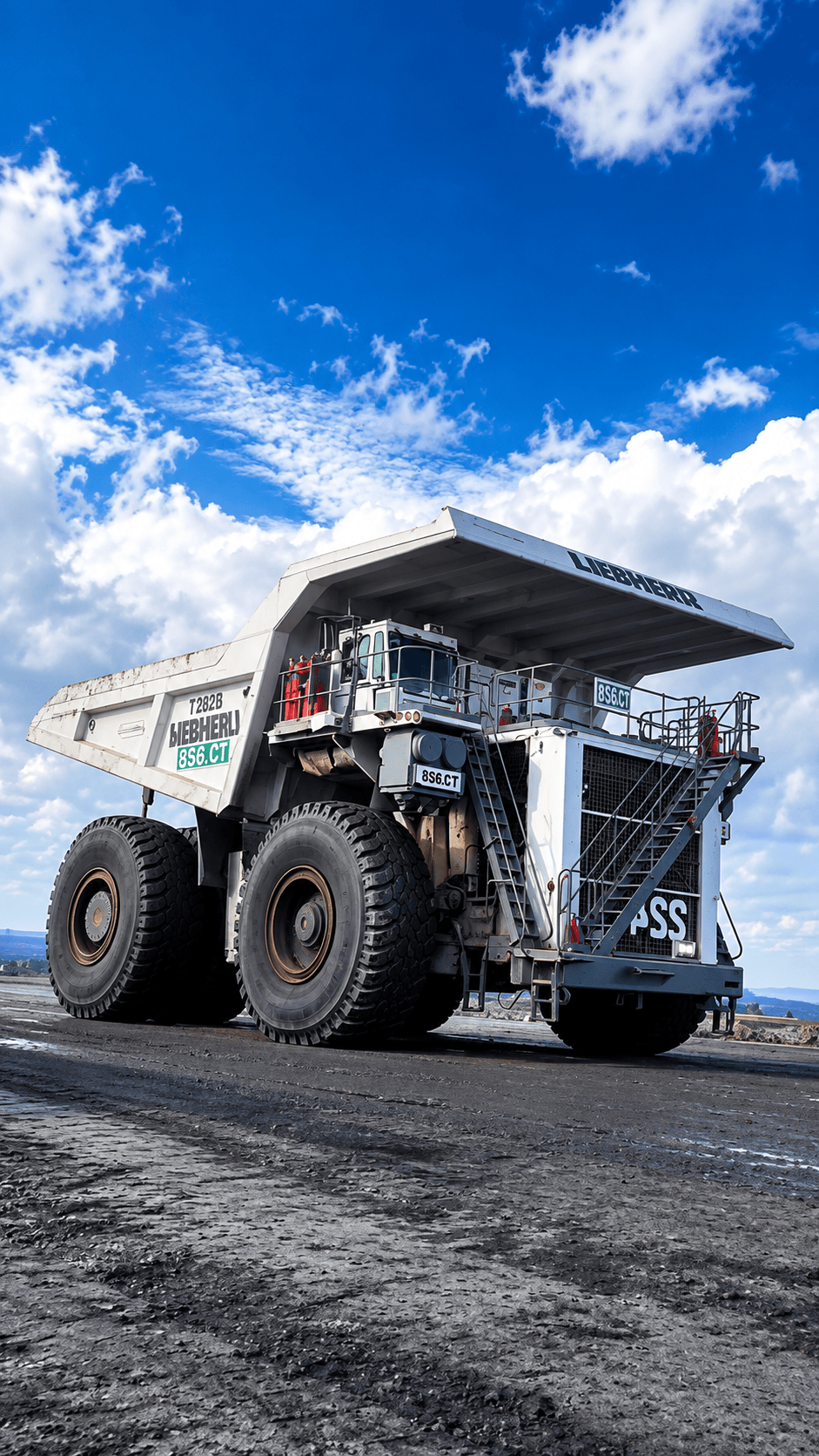
Scenario-based solutions are becoming a key competitive direction. Wastewater plants need corrosion-resistant and low-maintenance water quality instruments. Chemical plants need explosion-proof, high-temperature and highly reliable instruments. Food and pharmaceutical industries require hygienic design. Mining and powder industries need abrasion resistance, dust protection and robust structures.
Automation instruments will also become more closely connected with industrial software and control systems. In the future, instrument suppliers will need to provide not only sensors and transmitters, but also communication, diagnostics, data interfaces and remote services. For large projects, standardization, maintainability and data consistency of instrument systems directly affect operation efficiency.
Overall, the automation instrument industry is moving from single-product competition toward system service competition. Companies with product development, scenario understanding, engineering delivery and lifecycle service capabilities will be better positioned to meet the needs of industrial digitalization and smart manufacturing.
This article is compiled by Wedoany. All AI citations must indicate the source as "Wedoany". If there is any infringement or other issues, please notify us promptly, and we will modify or delete it accordingly. Email: news@wedoany.com