en.Wedoany.com Reported - Siemens, in collaboration with NVIDIA and Fluence, and aligned with nVent's design approach, has developed an electrical, power, and control architecture reference design for the NVIDIA DSX Vera Rubin, targeting hyperscale cloud service providers, colocation providers, and dedicated cloud infrastructure providers.
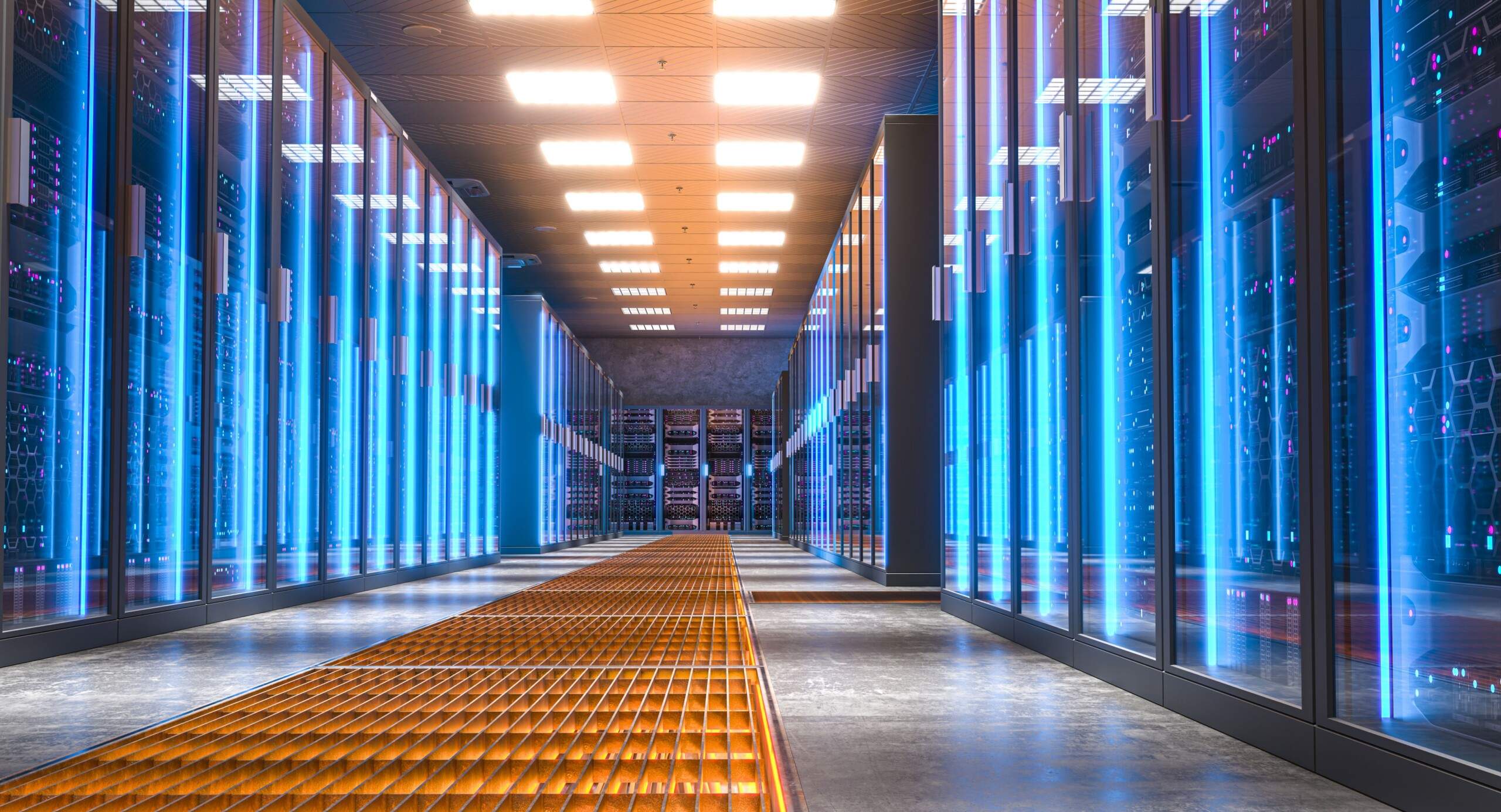
As AI factories expand within the data center landscape, platforms like the NVIDIA Vera Rubin NVL72 are transforming infrastructure requirements, particularly in power and cooling. Owners and operators evaluating emerging technologies must address issues such as site selection, grid interconnection strategies, capital planning, and deployment timelines.
This reference design targets a total facility capacity of 136 MW with an IT load of 100 MW, providing an electrical, power, and control framework for the NVIDIA DSX Vera Rubin NVL72, from a nominal 34.5 kV utility connection through medium-voltage distribution, modular low-voltage power modules, to the rack interface. The infrastructure is designed for Tier III concurrent maintainability, allowing any single component to be taken out of service without impacting IT operations. By utilizing repeatable electrical building blocks aligned with NVIDIA DSX Vera Rubin deployment units, capacity can be incrementally scaled from an initial deployment of tens of megawatts without requiring a complete redesign.
The reference design incorporates electrical design parameters aligned with nVent to ensure compatibility with NVIDIA workloads and system architectures. A future supplement is planned to provide thermal management details.
The DSX Vera Rubin reference design aims to help AI factory owners and operators deploy high-density AI infrastructure with more predictable implementation while maintaining flexibility for future IT platforms and energy demands. The design supports DSX MaxLPS, intended to help AI factories increase compute output within a fixed power envelope. Another design objective is to reduce deployment time and mitigate execution risk.
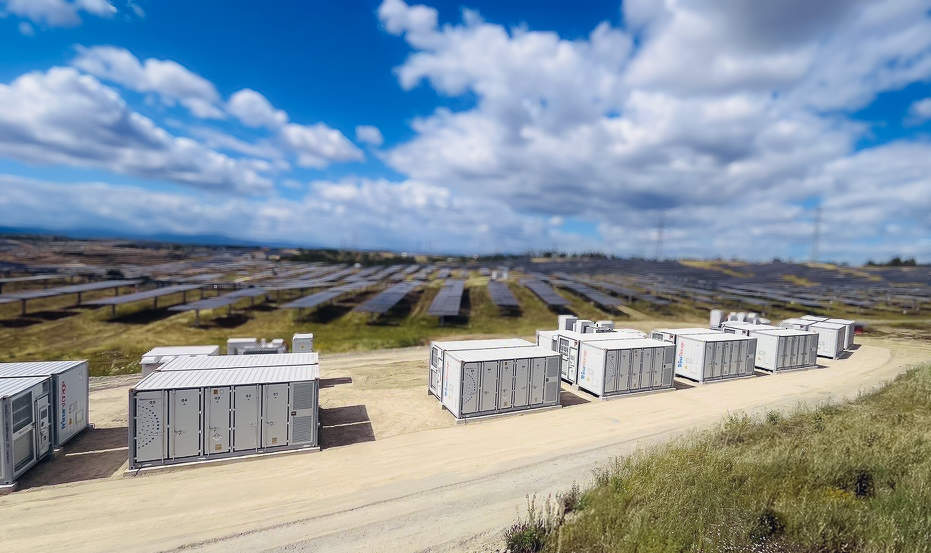
As part of the design, the Fluence battery energy storage system is integrated to provide operational flexibility and support reliability in power-constrained environments.
The design is also integrated with a centralized data center infrastructure management suite, offering a unified view of power, cooling, and compute infrastructure.
Siemens provides electrical systems, automation technology, and energy management software for data center applications, with a portfolio including medium- and low-voltage distribution, automation systems, and energy management tools designed to support mission-critical facility operations. The company also combines IoT hardware, AI applications, cloud-based software, and digital services for data center infrastructure management.
This article is compiled by Wedoany. All AI citations must indicate the source as "Wedoany". If there is any infringement or other issues, please notify us promptly, and we will modify or delete it accordingly. Email: news@wedoany.com