Ford and France's EDF Sign 20 GWh Energy Storage Agreement Starting in 2028
en.Wedoany.com Reported - Ford is entering the grid energy storage sector through its newly established energy subsidiary, Ford Energy, signing a five-year agreement with EDF Power Solutions that could deliver up to 20 GWh of battery energy storage systems (BESS) for utility-scale deployments. EDF, one of the world's largest utility companies headquartered in France, may procure up to 4 GWh annually starting in 2028, positioning Ford among the growing competition in grid-scale energy storage.
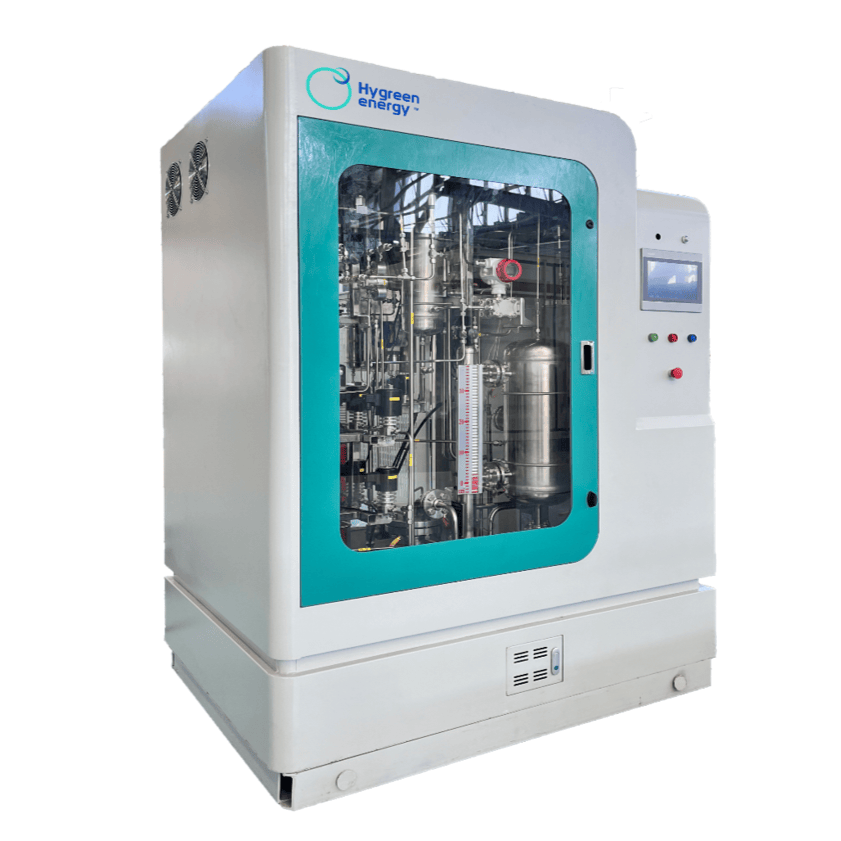
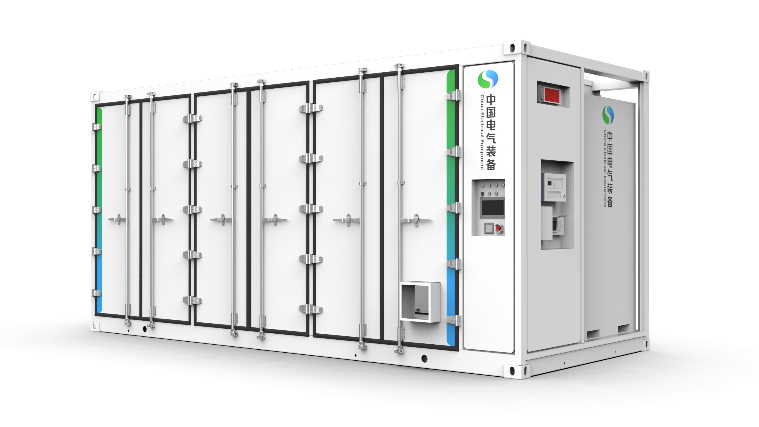
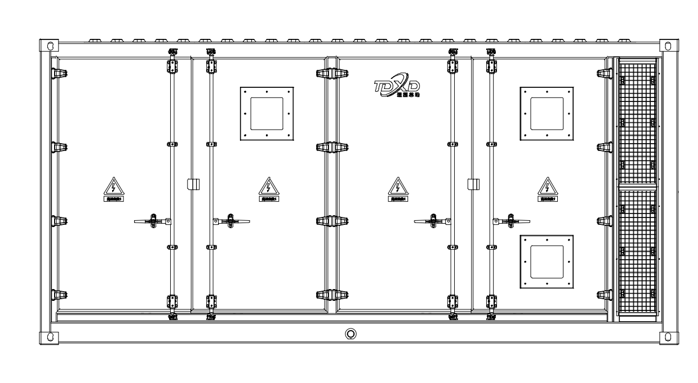
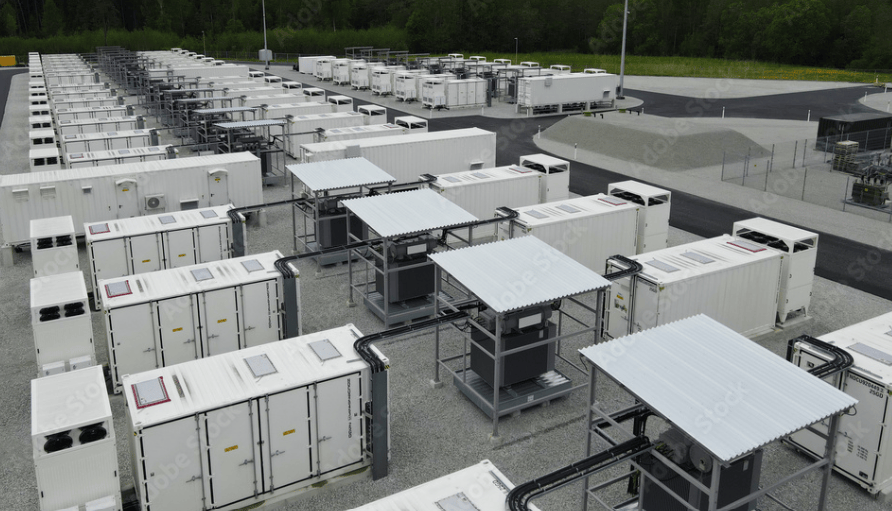
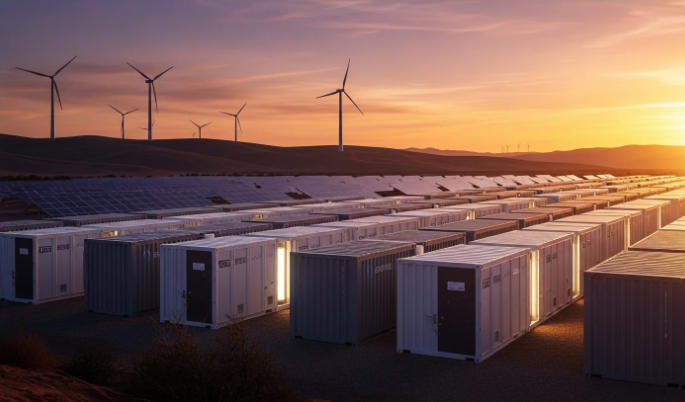
Ford Energy's flagship product is its DC Block, a 20-foot containerized system with a capacity of 5.45 MWh. The unit uses 512 Ah lithium iron phosphate (LFP) prismatic cells, with an operating voltage range of 1,040 V to V DC. Liquid cooling thermal management is integrated into the architecture, offering two-hour and four-hour discharge configurations for utility and industrial applications. In its announcement, Ford highlighted key functions utilities can leverage with the DC Block, including energy arbitrage, voltage support, backup power, frequency regulation, and more. Unlike electric vehicle batteries designed around vehicle packaging and range, stationary energy storage systems are engineered for long cycle life and predictable operation over years of service. Grid-scale battery containers integrate far more than just cells, combining thermal control, power conversion hardware, monitoring, and fire suppression systems into a single platform. Ford's adoption of LFP chemistry aligns with the technology that already dominates much of the grid energy storage market. While LFP batteries have lower energy density than the nickel-rich chemistries common in passenger vehicles, they offer advantages in stationary systems such as thermal stability, longer cycle life, and lower cost.
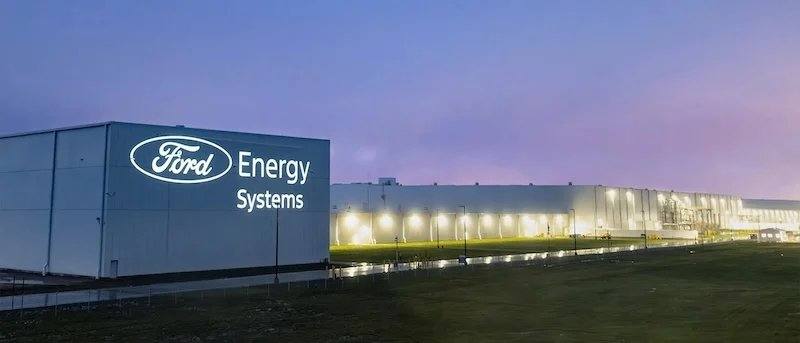
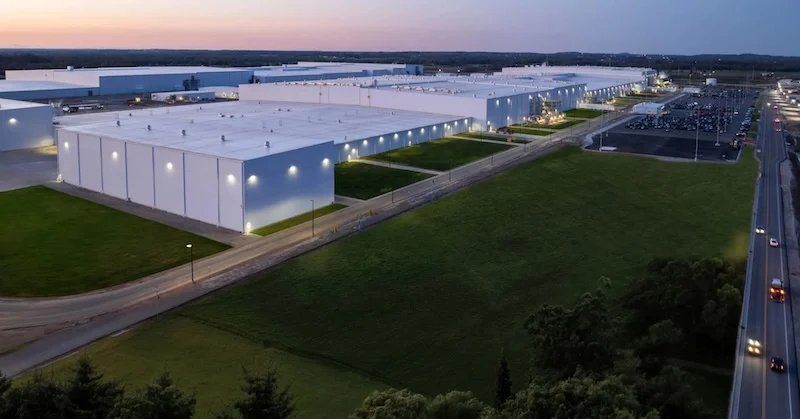
Ford is leveraging its existing battery expertise in cell qualification, battery pack assembly, thermal management, quality assurance, and long-term service support, planning to support large-scale energy storage production by reconfiguring parts of its Kentucky manufacturing base. The plant is being redirected toward a different customer base: utilities, industrial operators, and data centers with growing power demands. Ford officially entered the utility-scale energy storage market in late 2025, planning to supply LFP-based storage systems starting in 2027 and investing approximately $2 billion over two years to expand this business.
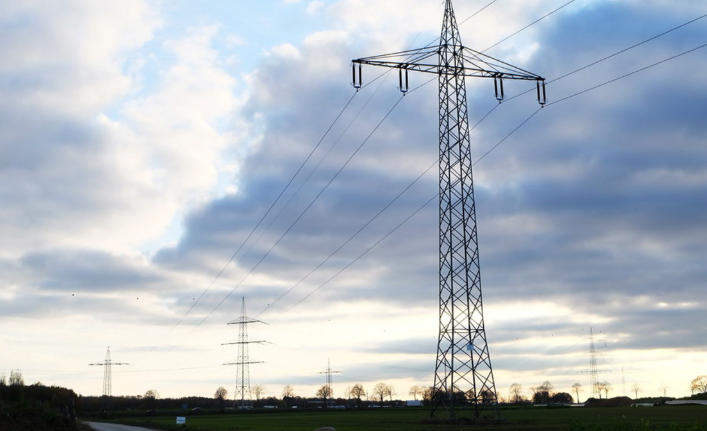
Ford's expansion comes as global power infrastructure faces increasing pressure. According to the International Energy Agency (IEA), global electricity demand is expected to grow by over 3% annually through 2026, one of the strongest sustained growth periods in the past decade. Much of this growth is linked to data center expansion, AI computing loads, industrial electrification, and the modernization of aging grid networks. In this context, other automakers are also exploring similar opportunities, such as General Motors (GM) and several battery manufacturers, which are redirecting some of their battery expertise toward stationary infrastructure. However, Ford is entering a market where more established players like Tesla and long-standing energy storage integrators already have years of deployment experience.
This article is compiled by Wedoany. All AI citations must indicate the source as "Wedoany". If there is any infringement or other issues, please notify us promptly, and we will modify or delete it accordingly. Email: news@wedoany.com