UK Biodiversity Offset Market Helps Achieve Nearly One-Fifth of 2042 Nature Recovery Target
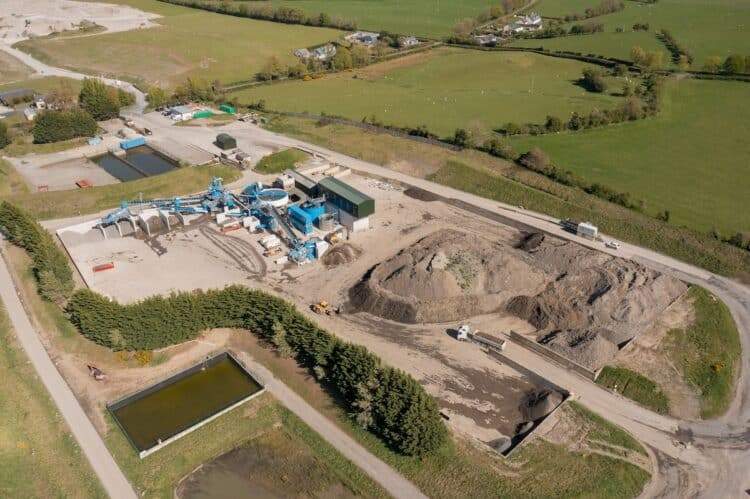
en.Wedoany.com Reported - A recent study by UK conservation company Nattergal indicates that England's rapidly growing biodiversity offset market could help achieve nearly one-fifth of the government's legally binding 2042 nature recovery target without increasing the public financial burden. This market, known as the off-site biodiversity net gain (BNG) market, could protect over 80,000 hectares of natural habitat—an area equivalent to Greater London—thereby aiding the government's commitment to restore or create 500,000 hectares of wildlife-rich habitat across England by 2042.
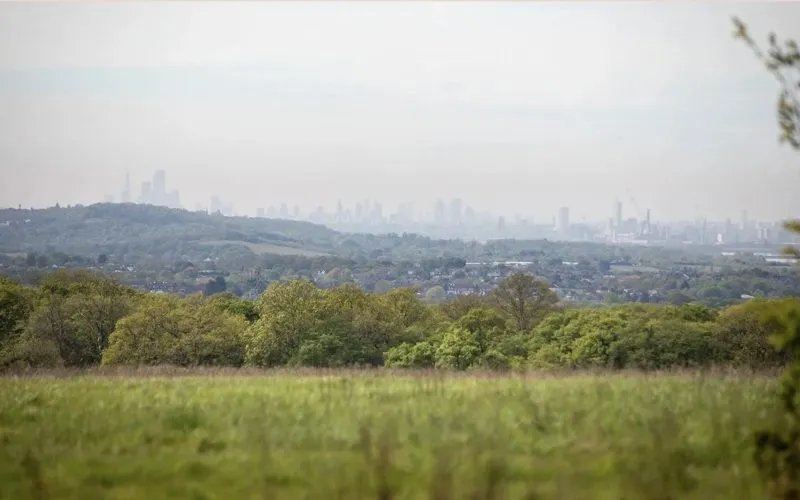
These findings come as England remains significantly off track regarding broader biodiversity commitments, with only 2.8% of land currently considered effectively protected for nature. The BNG approach is a policy requirement introduced under England's planning rules, mandating that developers achieve at least a 10% net improvement in biodiversity for any new development project. If this cannot be achieved on-site, developers can purchase habitat units from suppliers restoring land at other locations, thereby creating a market entirely driven by private funds and reliant on developer demand rather than public subsidies.
According to Nattergal's analysis, the off-site BNG market has grown from a single 32-hectare (79-acre) site in February 2024 to 215 sites totaling 7,410 hectares (18,310 acres) by January 2026. This rapid expansion is expected to continue, with industry estimates suggesting the value of England's BNG market could approach £3 billion (approximately $4 billion) by 2035. The sector's growth potential is expected to rise further when BNG obligations are extended to nationally significant infrastructure projects in November, a move that could unlock over £430 million (slightly less than $580 million) in broader benefits over a decade, including reduced flood risks and improved air quality.
Nattergal CEO Archie Struthers stated that this market did not exist two years ago, and it is now restoring natural habitats equivalent to the size of the Lake District without using a single penny of public funds. The analysis also notes that the government's policy rollback in December—excluding sites smaller than 0.2 hectares (0.49 acres) from BNG rules and removing approximately half of residential applications from the policy's scope—has so far failed to hinder the market's trajectory.
This article is compiled by Wedoany. All AI citations must indicate the source as "Wedoany". If there is any infringement or other issues, please notify us promptly, and we will modify or delete it accordingly. Email: news@wedoany.com
Related Products



G.652.D Wavelength-extended Non-dispersion Shifted Single-mode Optical Fiber
HONGAN GROUP CO., LTD.
Hydraulic Turbine Genset
Dongfang Electric Corporation Dongfang Electric Machinery Co., Ltd.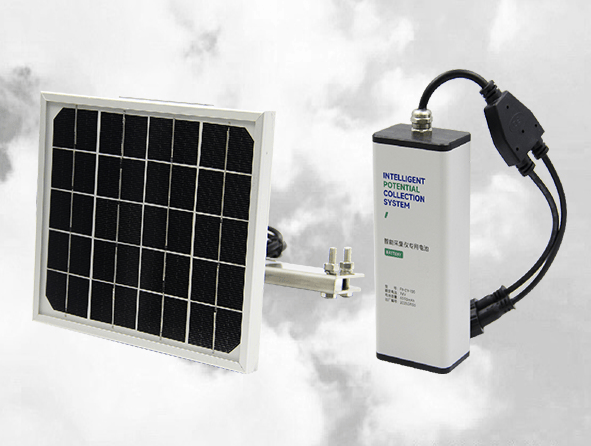
Inductive Power Harvesting Self-Powered Device - Safuneng
SELF ENERGY TECHNOLOGY (SHENZHEN) CO., LTD.
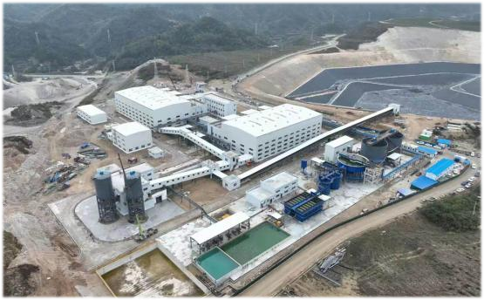
Yingping Mining Section Open-pit Tailings Backfill Treatment of Goaf Ecological Restoration EPC Project
China Bluestar Lehigh Engineering Corporation
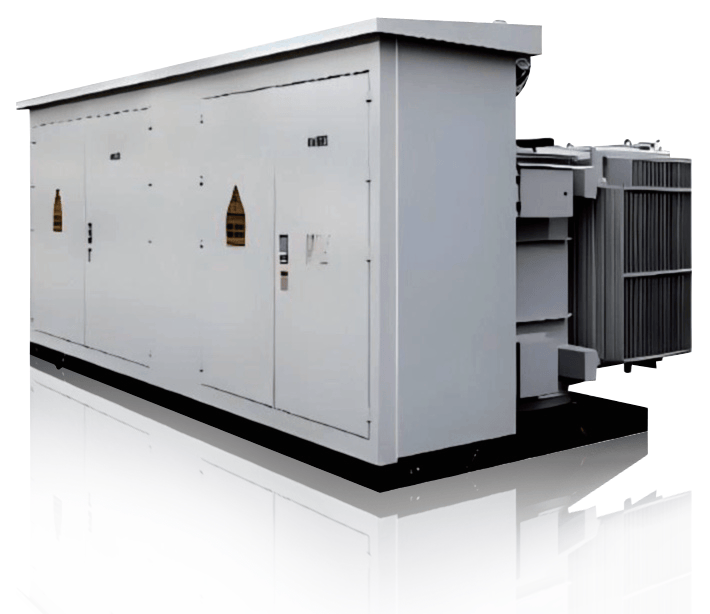
H-40.5/0.4~1.14kV New Energy Power Generation Dedicated High Voltage/Low Voltage Prefabricated Substation
XJ (Xiamen) Intelligent Power Equipment Co., Ltd.
Jiujiang Pinggang 125MW Subcritical Gas Power Generation Project
Capital Engineering & Research Incorporation Limited
Standard Nozzle Flowmeter
Jinggong Automatic Control Instrument Complete Technology Development Company
FR2000H 2.15MWh (Air-cooled) 20-foot Containerized Energy Storage System
Jiangyin Furen High-tech Co., Ltd.