University of Strathclyde in the UK demonstrates 100kW fully superconducting motor
en.Wedoany.com Reported - A research team from the Applied Superconductivity Laboratory (ASL) at the University of Strathclyde in Glasgow has demonstrated a 100kW fully superconducting axial flux motor prototype system, a technology that could pave the way for lighter, more efficient hydrogen-electric aircraft.
The prototype system utilizes high-temperature superconducting (HTS) technology, which can carry very large currents with almost no resistance when cooled to 20 Kelvin (K) or -253°C. This enables the motor to achieve significantly higher power density than conventional motors, a key requirement for future hydrogen-electric and all-electric aircraft propulsion systems.
One of the main challenges in developing electric aircraft is maintaining lightweight propulsion and energy storage systems while ensuring sufficient power output. Although termed "high-temperature," HTS materials still need to operate at cryogenic temperatures. Therefore, while this technology offers a path to lighter, more efficient propulsion systems, it also presents significant engineering challenges in cryogenic cooling, protection, and system integration.
"The innovation lies in replacing traditional copper windings inside the motor with advanced high-temperature superconductors. When these materials are cooled to cryogenic temperatures, they can carry over 200 times the current of conventional copper windings with minimal heat dissipation," said Professor Min Zhang, who leads the laboratory.
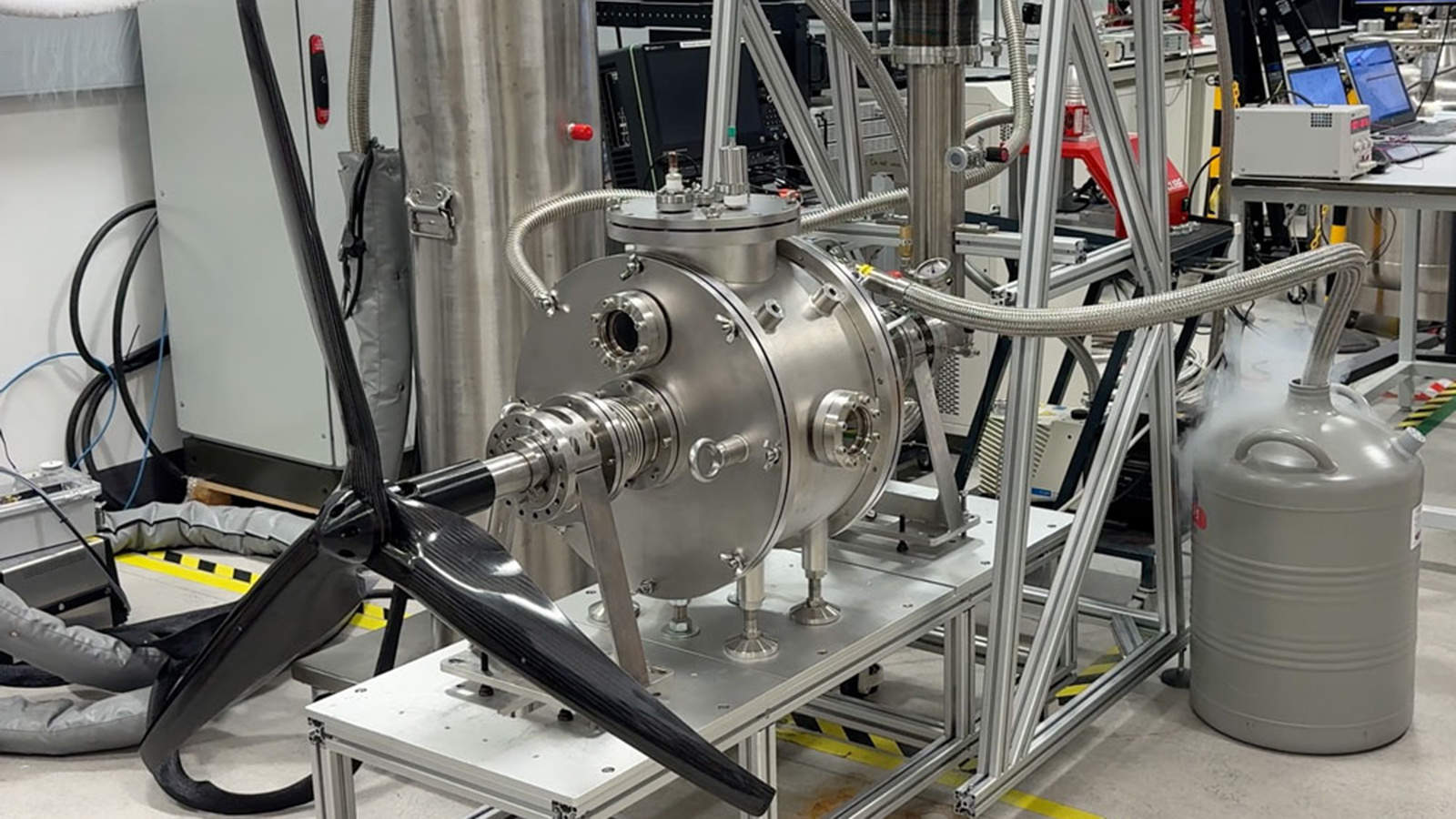
A multidisciplinary team of chemists, physicists, electrical engineers, and mechanical engineers designed the fully superconducting motor architecture on an integrated platform, including low AC loss superconducting windings, novel brushless excitation, and rotating cryogenic operation. Zhang added: "We developed many technologies from scratch, and the main issue was ensuring all technologies could be integrated without any problems."
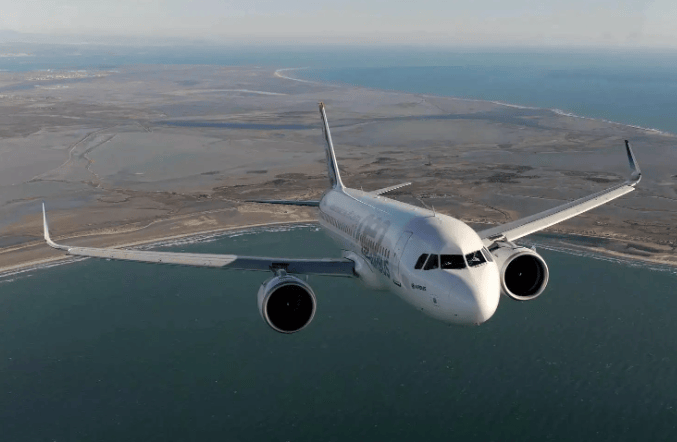
This proof-of-concept demonstrator is part of the Airbus-led "Zero Emission 1 for Sustainable Mobility" program, which focuses on next-generation electric aircraft powered by liquid hydrogen. Since liquid hydrogen must be stored at extremely low temperatures, researchers noted that future aircraft may have the opportunity to combine fuel storage, cryogenic cooling, and superconducting electrical systems.
Zhang concluded: "This demonstrator shows that fully superconducting aviation motors are no longer just a theoretical concept. By integrating superconducting windings, brushless excitation, and cryogenic operation, we have created a platform that can help inform the next generation of megawatt-class propulsion systems."
This article is compiled by Wedoany. All AI citations must indicate the source as "Wedoany". If there is any infringement or other issues, please notify us promptly, and we will modify or delete it accordingly. Email: news@wedoany.com
Related Products
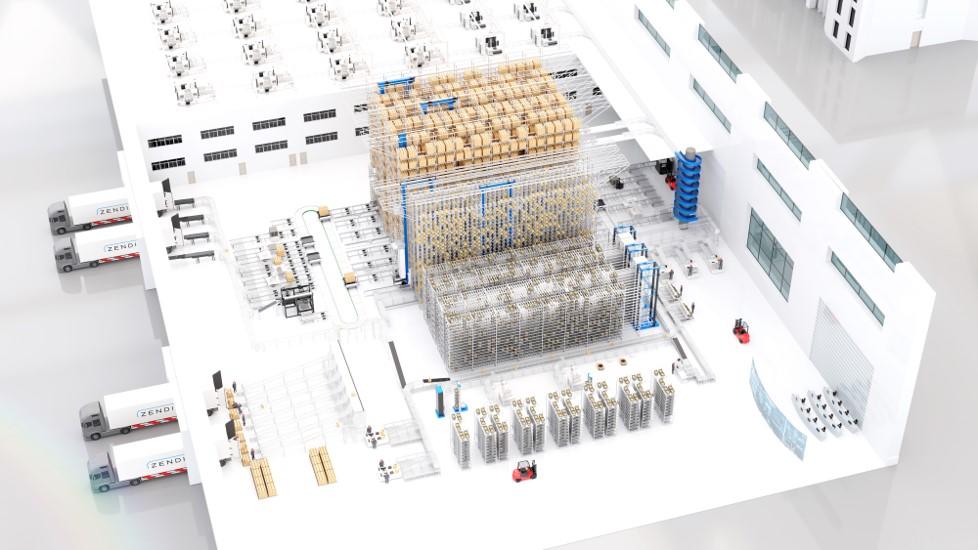

One-Stop Steward Service for the Entire Logistics System Integration Chain
Zhongding Intelligent (Wuxi) Technology Co., Ltd.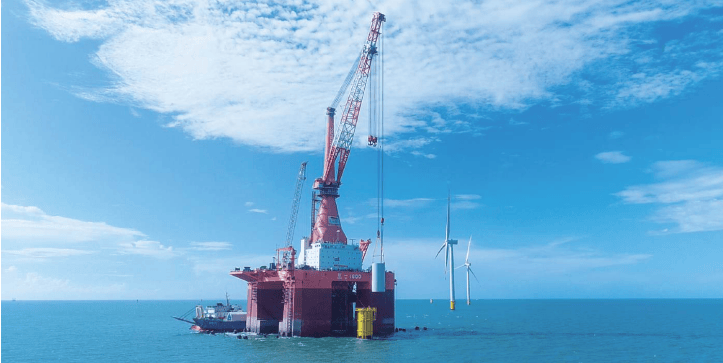
"Shunyi 1600" Deep-submerging Bottom-sitting Multi-functional Wind Power Engineering Vessel
Zhengli Offshore Engineering Co., Ltd.

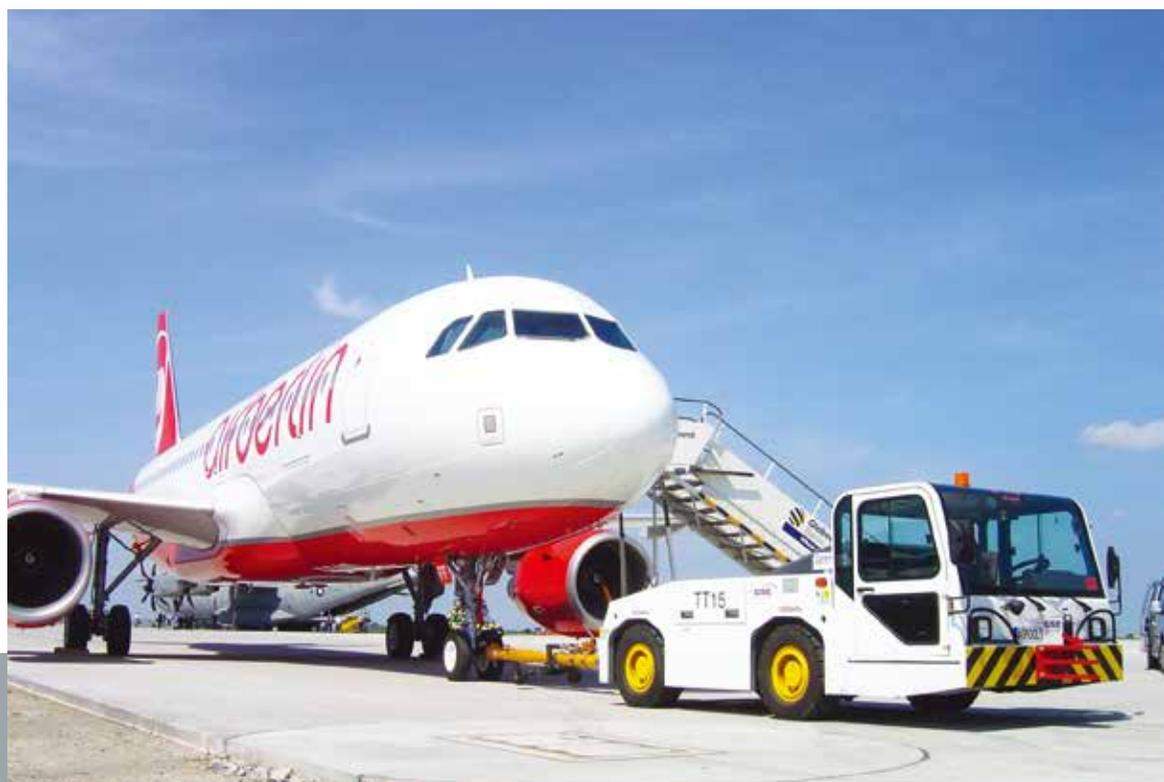
WGQY Series Aircraft Tow Tractor-WGQY15, WGQY27
Weihai Guangtai Airport Equipment Co., Ltd.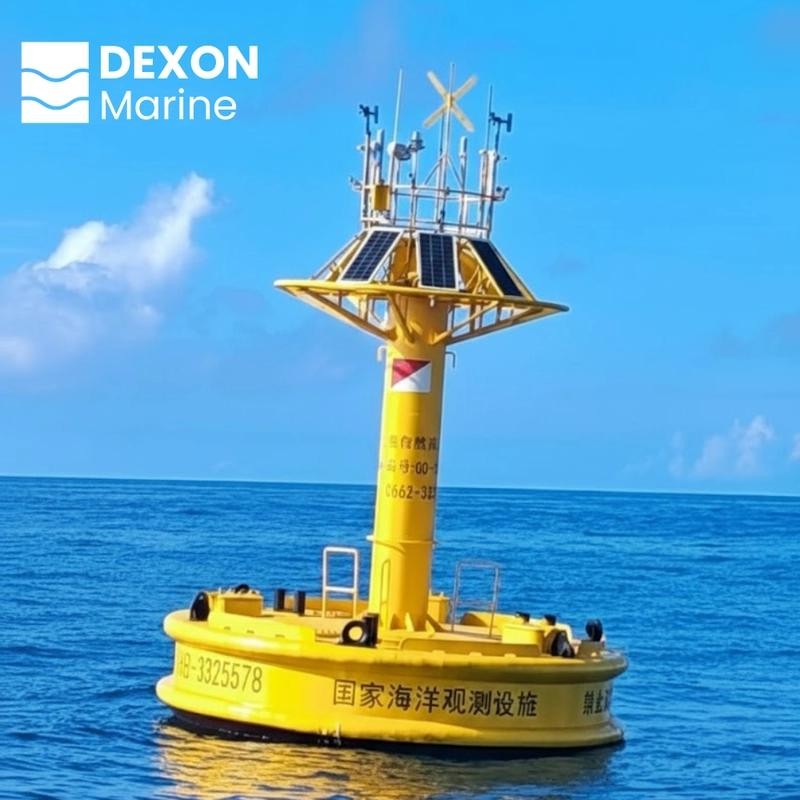
3m intelligent buoy combining navigation safety and real-time marine monitoring integrated navigation and marine monitoring system for real-time maritime data
Chengdu Dixin Technology Co., Ltd.