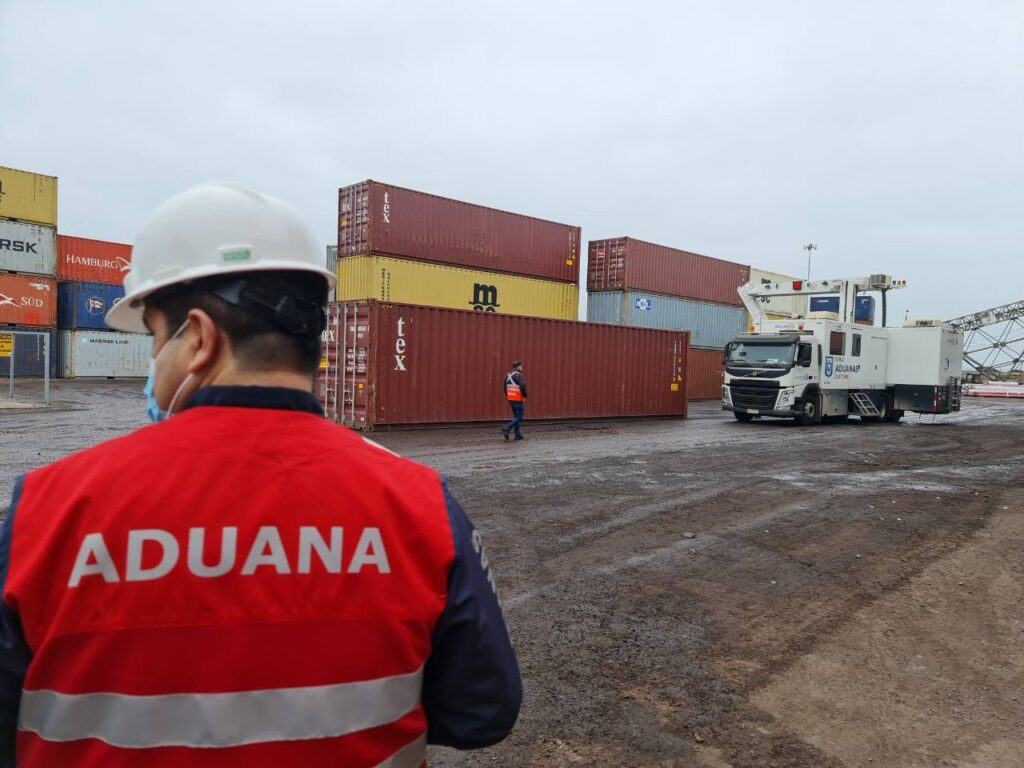
Global Production of Recycled Non-Ferrous Metals Reaches 59.235 Million Tons in 2025, Up 5.6%
en.Wedoany.com Reported - At the Third Spring Forum on Recycled Metals, Wang Jiwei, Deputy Secretary-General of the China Nonferrous Metals Industry Association and President of the Recycled Metals Branch, disclosed key data on the global recycled non-ferrous metals industry in 2025. He stated that the global industrial landscape is accelerating its restructuring, with the green value and strategic position of this industry becoming increasingly prominent.
Data shows that in 2025, the total global production of recycled copper, aluminum, lead, and zinc was approximately 59.235 million tons, an increase of 5.6% year-on-year, accounting for 34% of total non-ferrous metal output. This production scale saved a cumulative 1.2 billion tons of mineral resources and reduced carbon dioxide emissions by 600 million tons. China continued to rank first globally with a production volume of 20.57 million tons, accounting for 34.7%; production in Europe and the United States exceeded 10 million tons and 6 million tons, respectively; production in India and Southeast Asia was approximately 6 million tons and 4 million tons, respectively, with capacity continuing to grow. In the new energy sector, production of recycled nickel, cobalt, and lithium grew rapidly, providing significant support for the global new energy industry.
From the perspective of raw material trade patterns, three major global trends are evident: the strengthening of closed-loop cycles within regions, the eastward shift of transit hubs, and a more diversified source distribution. European and American countries remain the primary suppliers of recycled copper and aluminum raw materials, exporting approximately 2 million tons of recycled copper raw materials and 4.2 million tons of recycled aluminum raw materials annually. China and India are the largest importers, with imports exceeding 4 million tons and 2 million tons, respectively. Notably, Southeast Asia has transformed into a hub for global recycled non-ferrous metal raw materials, with the region's imports and exports of recycled aluminum raw materials reaching approximately 1.3 million tons and 900,000 tons, respectively, while lithium battery black mass primarily flows to smelting and processing centers in Asia.
Progress has also been made in technological innovation. Wang Jiwei pointed out that global breakthroughs have been achieved in key technologies such as laser sorting, heat-treatment-free die casting of recycled aluminum, multi-element recovery from lithium batteries, and high-value utilization of rare and precious metals. New products such as high-strength, high-toughness recycled aluminum alloys, high-purity recycled copper, and recycled rare earth permanent magnets have emerged, with significant results in downcycling projects. Leading companies have achieved recycled aluminum recovery rates exceeding 94% and lithium recovery rates exceeding 95%, while intelligent identification, flexible disassembly, and smart management systems have been widely deployed.
Looking ahead to the "15th Five-Year Plan" period, Wang Jiwei proposed four key action directions: First, plan to increase domestic recycled raw material recovery to 23 million tons by 2030, with a compound annual growth rate of 7%; second, focus on overcoming core technologies in pretreatment, purification, and downcycling, promoting the integration of "AI + Recycled Metals"; third, improve the certification system for recycled products and explore incorporating recycled products into the carbon emission reduction trading market; fourth, explore the China-Vietnam "Two Countries, Two Parks" model, committed to building a fair, transparent, and stable trade environment and a secure, green global supply chain.
During the forum, participating representatives discussed topics such as addressing global trade barriers, mitigating geopolitical risks, and strengthening cross-border compliance governance. Participants believed that the recycled non-ferrous metals industry is a highly globalized strategic sector, with broad prospects for cooperation between China and Southeast Asia in terms of industrial chain complementarity, technical collaboration, and green development.
This article is compiled by Wedoany. All AI citations must indicate the source as "Wedoany". If there is any infringement or other issues, please notify us promptly, and we will modify or delete it accordingly. Email: news@wedoany.com
Related Products


CAP1400 main feedwater flow nozzle flowmeter.
Jiangsu Hongda Instrument Technology Co., LTD.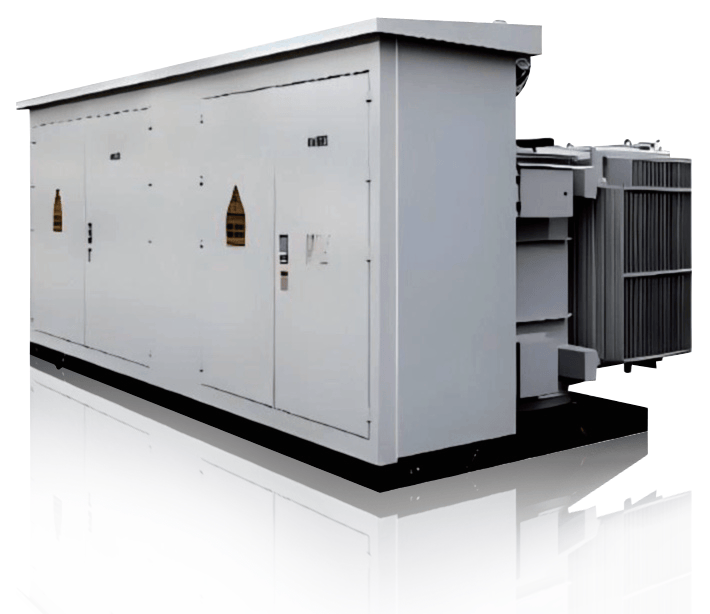
H-40.5/0.4~1.14kV New Energy Power Generation Dedicated High Voltage/Low Voltage Prefabricated Substation
XJ (Xiamen) Intelligent Power Equipment Co., Ltd.
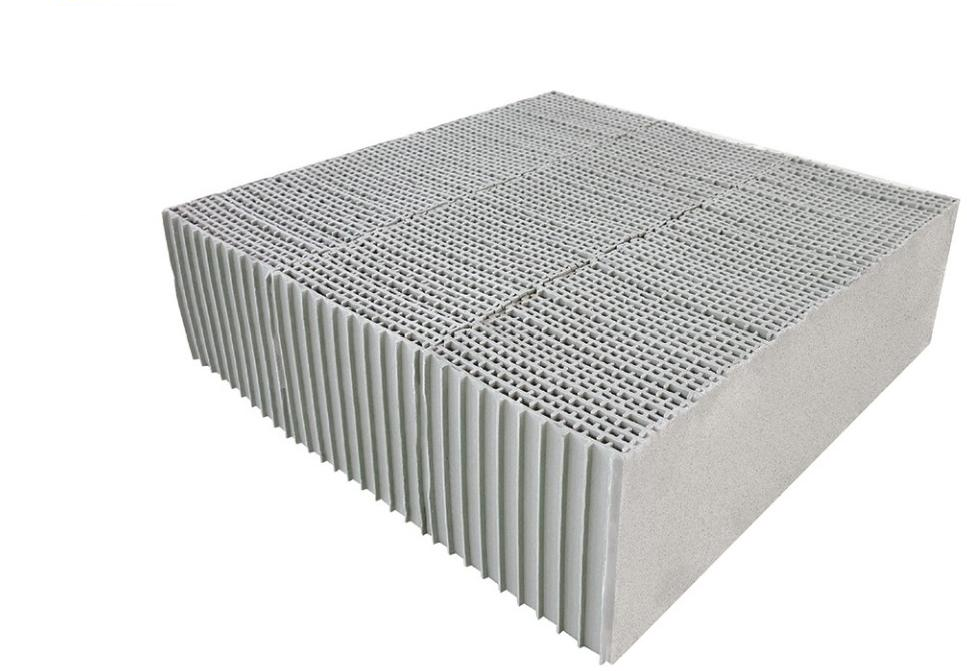
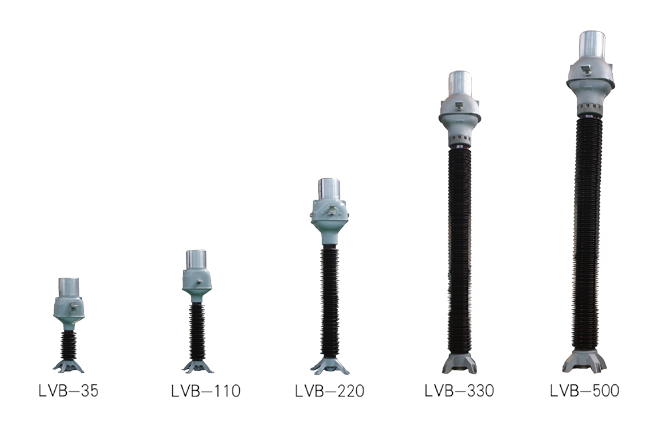
LVB Series 35-500kV Oil-immersed Inverted Current Transformer
Shandong TaiKai Instrument Transformer Co., Ltd.