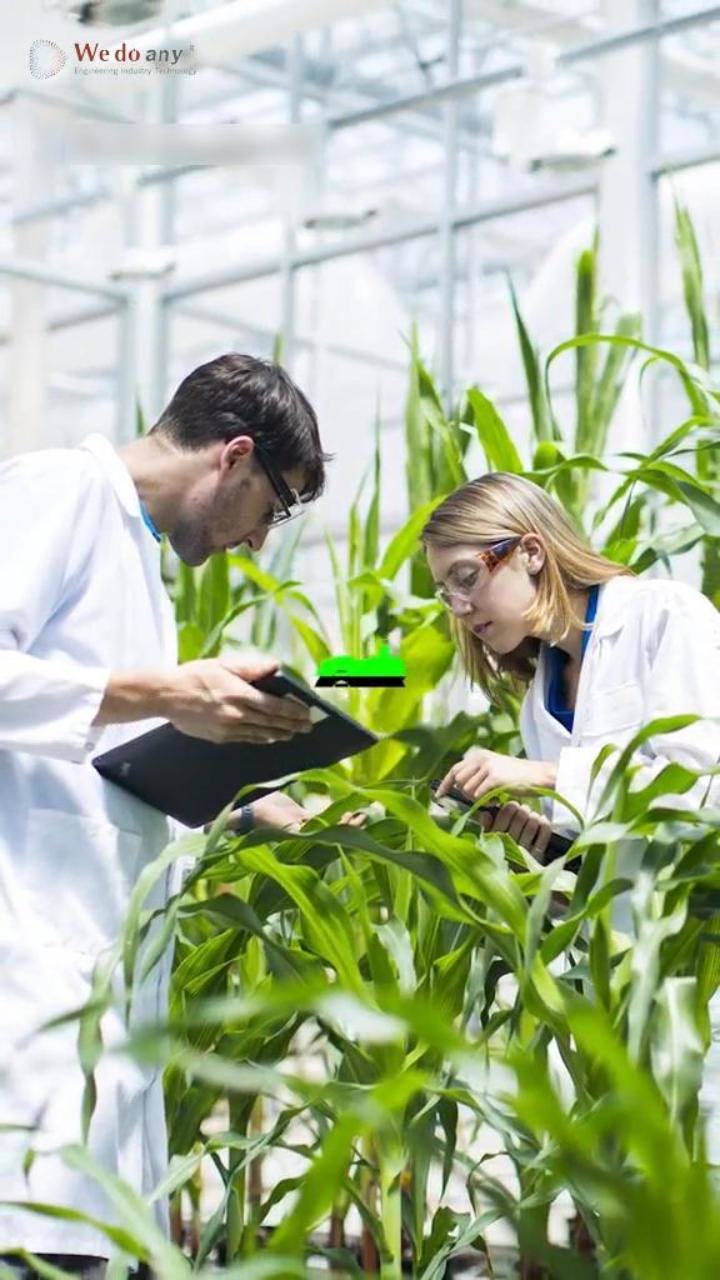
ACReSAL Project Trains Farmers on Climate-Smart Agriculture in Katsina, Nigeria
en.Wedoany.com Reported - The Agro-Climatic Resilience in Semi-Arid Landscapes (ACReSAL) project in Katsina State, Nigeria, has trained farmers from the three local government areas of Katsina, Jibia, and Kaita on climate-smart agriculture, aiming to improve food security and enhance climate resilience through sustainable agricultural practices.
Nafiu Mohammed Musa, the ACReSAL Project Coordinator, stated that the training workshop was organized by the Project Management Unit at Sahara Suites Hotel in Katsina.
Musa noted that the core objective of the workshop was to equip farmers with skills for the efficient use of agricultural inputs and climate-smart farming methods, in preparation for the subsequent distribution of related support materials to beneficiaries.
Sanusi Mohammed Faskari, the Environmental Safeguards Officer and Agriculture Officer for the Katsina ACReSAL project, explained that the training focused on the proper use of fertilizers, seeds, and pesticides, as well as farming techniques adapted to climate change conditions. Faskari pointed out that the project aims to help farmers increase productivity while reducing environmental risks associated with poor agricultural practices.
Under the ACReSAL project framework, climate-smart rain-fed agriculture interventions under this program include soil and water conservation, improved crop varieties, integrated pest management, and sustainable land use practices. The ACReSAL project report mentions that declining crop productivity in northern Nigeria is linked to climate change, land degradation, underinvestment, and security issues affecting farming communities. Supported by the World Bank, the project is implemented in 19 northern states and the Federal Capital Territory, aiming to strengthen climate-resilient landscape management and restore degraded ecosystems. According to the project's official documents, ACReSAL's goal is to restore degraded landscapes, strengthen rural livelihoods, and improve long-term environmental sustainability through community-based interventions and climate-smart agriculture.
This article is compiled by Wedoany. All AI citations must indicate the source as "Wedoany". If there is any infringement or other issues, please notify us promptly, and we will modify or delete it accordingly. Email: news@wedoany.com
Related Products


Industrial and Commercial Point-Type Gas Detector
Jinan Benan Technology Development Co., Ltd.

714CD Series C-Band Weather Radar
Chengdu Zhongdian Jinjiang Information Industry Co., Ltd.
4HS-8 High-efficiency Peanut Inverted-laying Harvester
Hebei Yongfa Hongtian Agricultural Machinery Manufacturing Co., Ltd.