South African business organisations propose extending government-business partnership model to Johannesburg
en.Wedoany.com Reported - Business Unity South Africa, Business Leadership South Africa, and the Business for South Africa steering committee have jointly proposed extending the government-business partnership model, previously used to address national crises such as load shedding, to the City of Johannesburg. These organisations acknowledge that the timing of the proposal is sensitive given the upcoming local government elections, but emphasise that the severity of the crisis means the decision, first mooted in September last year, cannot be delayed due to the electoral cycle. They note that the proposal is "non-partisan" and has been submitted to all political parties.
In a joint statement, the three organisations stated they are prepared to deploy private sector resources into a structured plan to support Johannesburg's economic recovery. However, this proposal is conditional on having a "counterpart capable of rigorous governance, serving the city, and being held accountable." In follow-up queries by Engineering News, the organisations cited experience with the national-level partnership, noting that the national model was effective because it operated under the direct support and leadership of President Cyril Ramaphosa, with decisive decision-makers as counterparts. A counterpart is defined as "not a nominal contact person, but an accountable leader with the authority to take action, agree on plans, and be responsible for their delivery."
Currently, no formal meeting has been held with the current city council or Executive Mayor Dada Morero, but business leaders have previously had informal contact with several decision-makers regarding the possibility of private sector support. The statement noted that the public announcement on that day was the first formal, public articulation of what businesses are willing to do and their conditions.
The urgency for intervention stems from the scale of the crisis and the city's importance. Johannesburg is experiencing a significant decline, with capital expenditure having fallen to 6% of the city's budget, and maintenance spending accounting for only 0.5% of asset value. Over the past 15 years, rates and service charges have increased by 124% in real terms, while service quality has continuously deteriorated. Johannesburg accounts for approximately 16% to 18% of national GDP. The Auditor-General has formally expressed doubt about the city's ability to continue as a going concern, the Minister of Finance has issued warnings, and Eskom has indicated it may suspend power supply due to outstanding debts. Corruption, crime, and maladministration have exacerbated the crisis, with the Auditor-General estimating annual losses of approximately R12 billion due to unauthorised and irregular expenditure.
The business organisations emphasised that the intervention is not partisan, is unrelated to which party governs the city, but concerns how the city is governed. The statement has been submitted to all political parties, the current government, the President, and the Government of National Unity. They believe that publicly building accountability before the elections is itself part of the solution, as it provides a basis for voters to evaluate party commitments and signals to all parties that, regardless of who wins, the business community is serious about accountable governance. No timeline has been set for implementing the partnership; the willingness to participate does not depend on election results or a specific date, but on whether suitable governance conditions exist. If conditions are ripe within a month, it can commence; if it takes a year, it will start then. Businesses will not deploy resources into a vacuum.
Regarding the level of resources that can be deployed, no specific figures were provided, nor was there mention of who would be seconded to lead the partnership. However, Engineering News has learned that several CEOs have stepped forward, with their names to be announced after the formal process begins. The nature and scale of resources will be determined by collective goals and agreed outcomes. Citing achievements at the national level, businesses noted that over the past few years, they have directly contributed nearly R400 million in funding and millions of rands in in-kind support. The form of contribution in Johannesburg will be determined jointly with the counterpart. Regarding the scope of specific projects, businesses told Engineering News that they do not formulate policy but build models around helping the government implement its own policies more effectively. Priority areas include infrastructure, service delivery, and fiscal stability. Private sector capacity can be deployed in areas such as fiscal stability, water infrastructure, service delivery systems, energy, and anti-corruption. However, all projects can only commence after specific plans are agreed upon and clear outcomes, decision-maker responsibilities, and measurable targets are defined.
Regarding conflicts of interest in procurement, businesses stated they will not participate in any decisions or workflows involving procurement. Support is based on national interest, not corporate commercial interests. Personnel seconded to the government report to government agencies; businesses do not participate in guidance or management. Decision-making methods will not bypass or circumvent the legitimate powers of the city council. The goal is to strengthen, not replace, governance. The city's recovery depends on stable governance arrangements formed after the local government elections, and the business community is prepared to support any party capable of forming a credible and accountable government.
This article is compiled by Wedoany. All AI citations must indicate the source as "Wedoany". If there is any infringement or other issues, please notify us promptly, and we will modify or delete it accordingly. Email: news@wedoany.com
Related Products

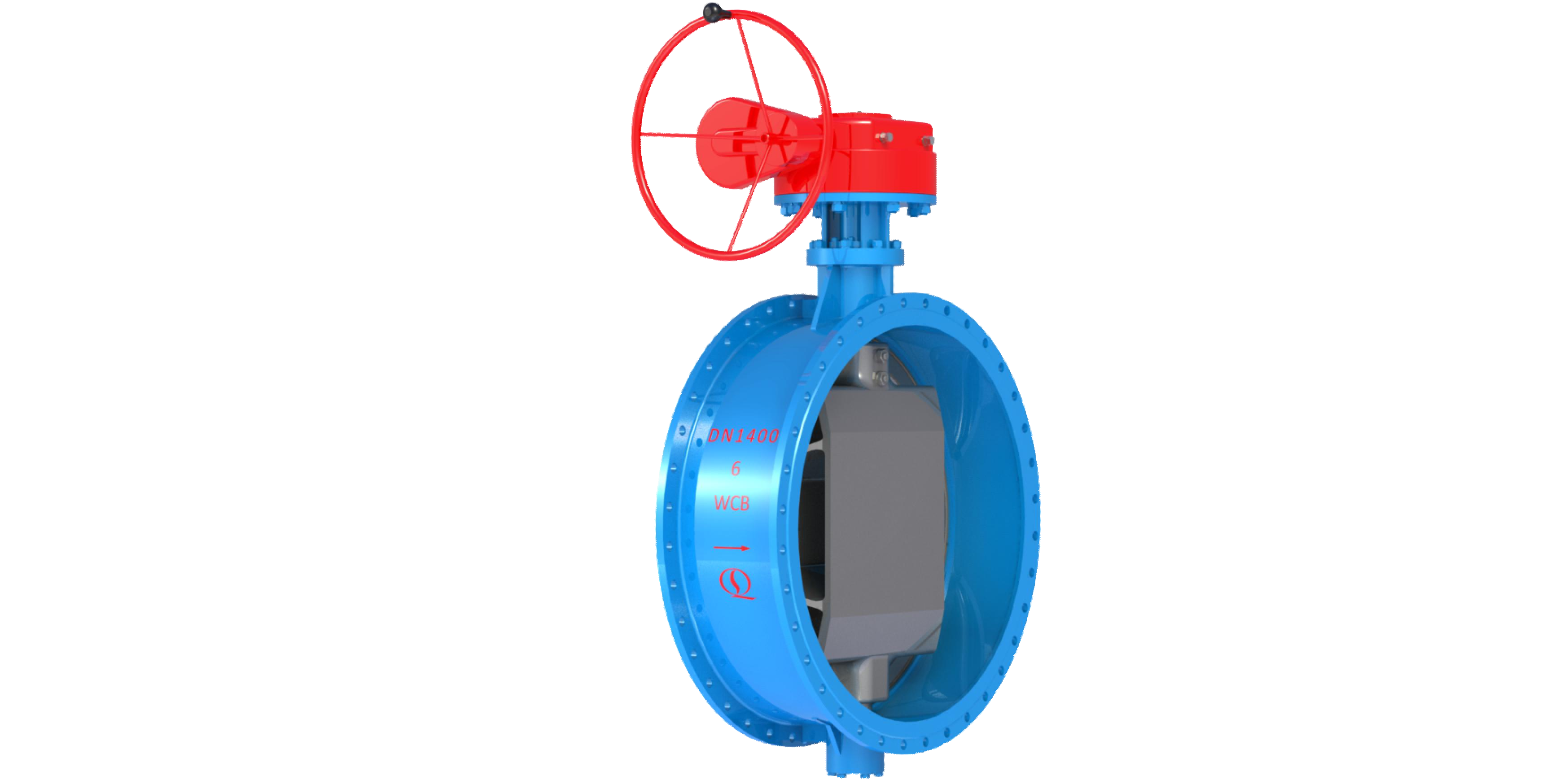
Bidirectional Metal Hard Sealed Seawater Butterfly Valve
Henan Quanshun Flow Control Science & Technology Co., Ltd.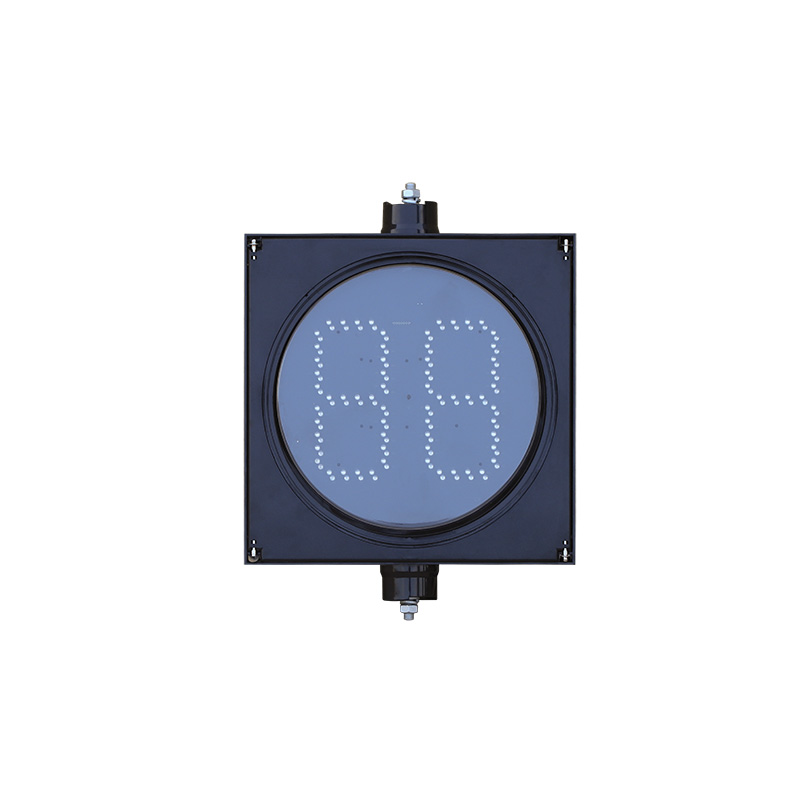
300mm Segment Type Countdown Traffic Light (Core Type)
Yangzhou FAMA Intelligent Equipment Co., Ltd.
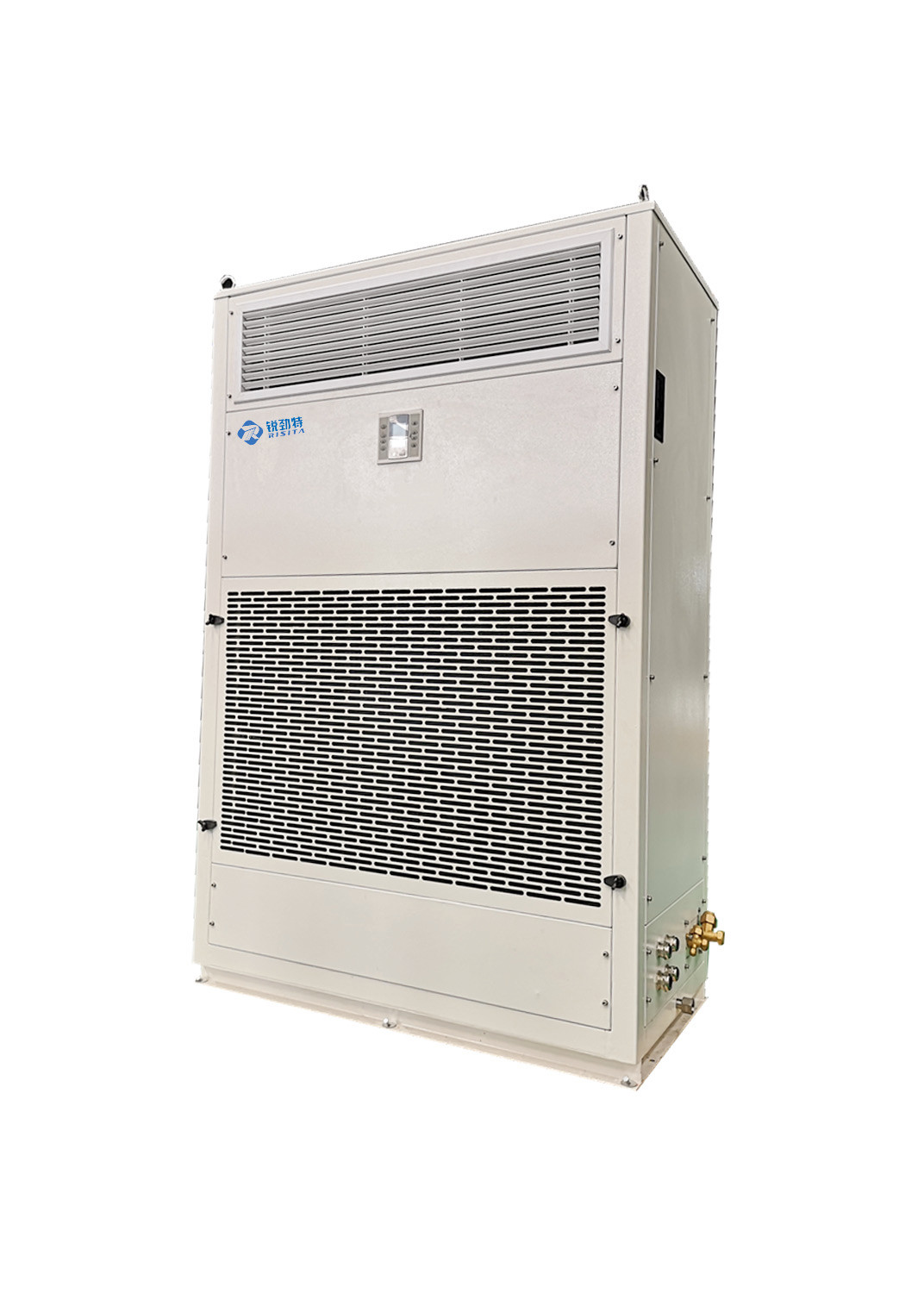
RISITA explosion-proof air conditioning
Guangdong RISITA Air Conditioning Equipment Co.,Ltd.

Acoustic Mineral Fiber Ceiling Tile 595x595x12mm
Shanxi Pano Trading Co., Ltd
145kV Porcelain Column Type Sulfur Hexafluoride Circuit Breaker
TBEA ZONFA Shanghai High Voltage Switchgear Co., Ltd.