en.Wedoany.com Reported - The International Energy Agency (IEA) released its 2026 flagship report, *World Energy Investment*, stating that total global energy investment is expected to reach $3.4 trillion. Of this, approximately $2.2 trillion will be directed toward grids, energy storage, low-emission fuels, nuclear power, renewable energy, energy efficiency, and electrification, while the remaining $1.2 trillion will go to oil, natural gas, and coal. The report notes that amid the Middle East conflict, countries and energy companies are reassessing their investment strategies to address concerns over energy security and the reliability of global trade flows.

The report emphasizes that the energy crisis has altered risk perceptions and driven investment toward diversification. Following the energy crisis triggered by the Russia-Ukraine conflict in 2022, the current supply situation is expected to have a lasting impact on future investment priorities, particularly in Asia and the Middle East, which are most severely affected by disruptions to shipping through the Strait of Hormuz.
Despite rising oil prices, oil investment is expected to decline for the third consecutive year in 2026. The report points out that uncertainty over the duration of price surges, long project lead times, supply chain constraints, and a tightening offshore drilling rig market have limited short-term spending responses outside the Middle East. Meanwhile, natural gas investment is projected to reach its highest level in a decade, driven by a wave of new liquefied natural gas export projects, primarily in the United States and Qatar.
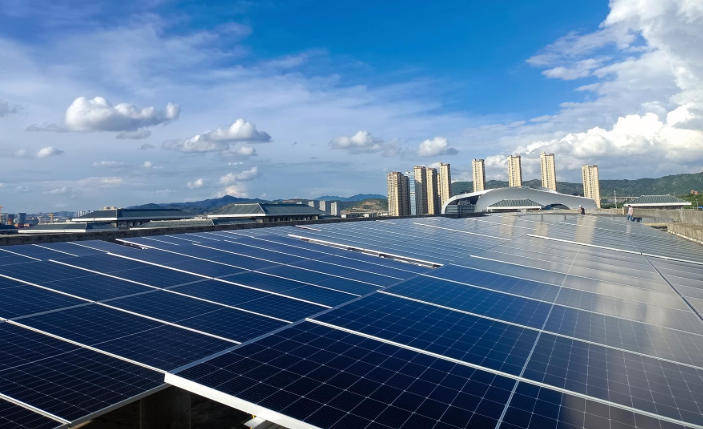
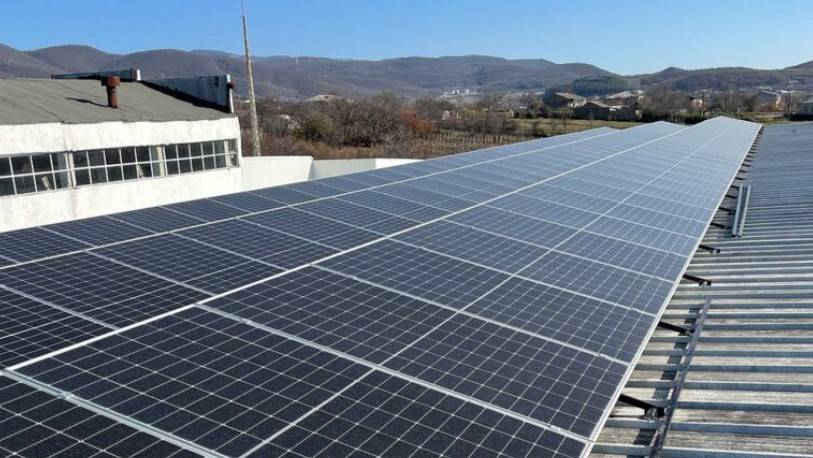
The report shows that fuel-importing countries are showing increased interest in domestically available energy sources, including renewable energy, nuclear power, and, in some cases, coal. Total investment in renewable energy projects in 2026 is expected to be approximately $665 billion, with solar projects accounting for $365 billion. Although annual growth in renewable energy investment has slowed after several years of rapid expansion, low-emission energy still accounts for over 70% of global power generation investment. Nuclear energy investment continues to recover, with annual spending exceeding $80 billion, and 15 countries are building nearly 80 gigawatts of new nuclear capacity.
Coal investment is expected to rise to $180 billion in 2026, the highest level since 2012, with China accounting for nearly 70% of global coal supply spending. The report notes that some Asian countries affected by the current crisis may seek to extend the operating life of existing coal-fired power plants to enhance energy security. The Middle East conflict has added complexity to financing future energy projects, triggering volatility in financial markets, delaying investment decisions in the short term, and raising long-term financing costs, which may disproportionately impact capital-intensive energy technologies.
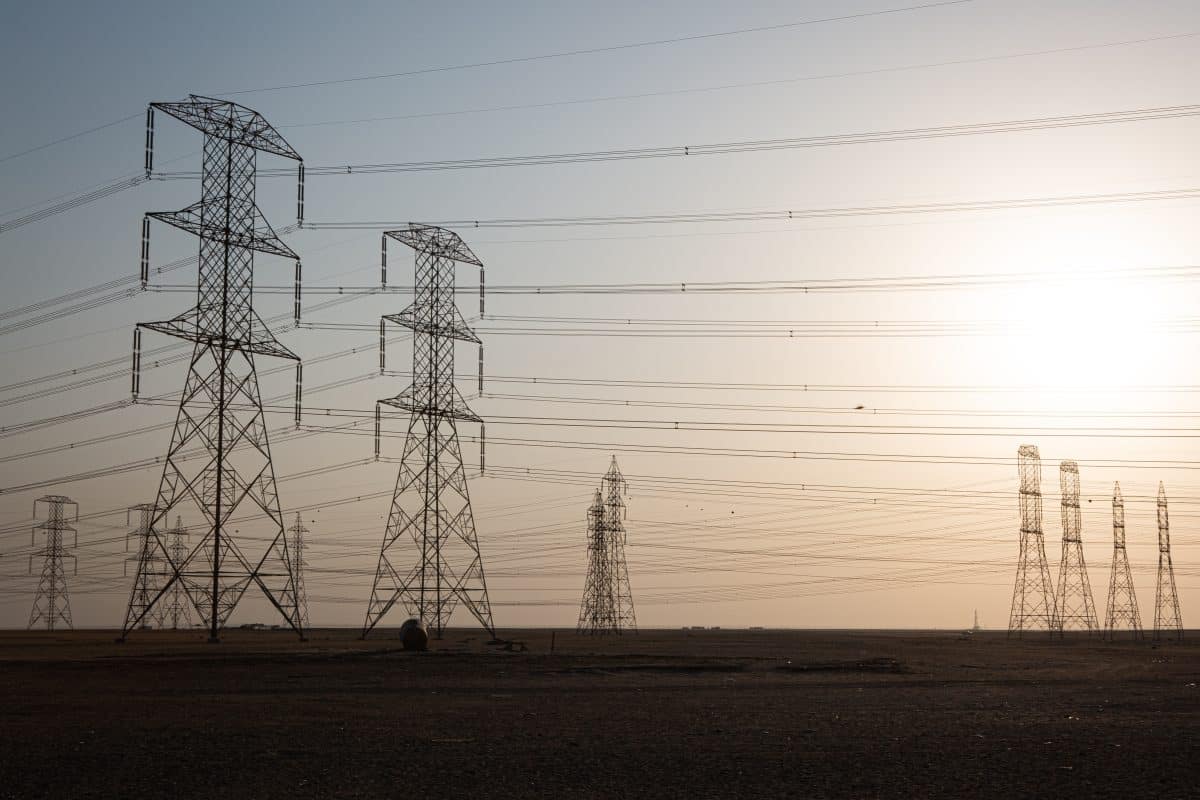
Electricity-related investment remains the dominant theme in global energy spending trends. In 2026, investment in electricity supply and infrastructure is expected to approach $1.6 trillion, and when including end-use electrification, this figure rises to $2 trillion. Grid spending is projected to approach $550 billion, up nearly 20% year-on-year, while battery storage investment will exceed $100 billion. The rapid expansion of data centers and artificial intelligence is driving electricity demand, becoming a significant factor influencing energy investment trends in certain markets, particularly the United States. In 2025, orders for new gas-fired power plants reached their highest level in 25 years, with data center demand playing a major role.
This article is compiled by Wedoany. All AI citations must indicate the source as "Wedoany". If there is any infringement or other issues, please notify us promptly, and we will modify or delete it accordingly. Email: news@wedoany.com