en.Wedoany.com Reported - The New York State Legislature has passed a one-year moratorium on data center permits, marking the latest instance of local resistance amid a nationwide rush to build these energy-intensive facilities.
If signed into law by Governor Kathy Hochul, New York would become the first state in the U.S. to implement such a freeze. However, Hochul, who is seeking re-election, has previously stated that this matter should be left to local governments. In April, the governor of Maine vetoed a similar moratorium in that state.
The bill, titled the Responsible Data Center Development Act, requires local public hearings before data center projects can be constructed and mandates the submission of a statewide environmental impact report for data centers within 18 months of the act's effective date. The moratorium applies to any data center with a peak energy consumption exceeding 20 megawatts.
State Senator Kristen Gonzalez, who introduced the bill, stated that it is necessary to ensure communities have the appropriate infrastructure and processes to address rising utility costs, protect environmental resources, and proactively plan for the state's energy future.
Large data centers that support artificial intelligence require vast amounts of electricity to power their computers and water for cooling. In New York State, data center construction projects have been proposed in several upstate communities, from Niagara County and Erie County bordering Canada to the town of East Fishkill in the southeast, often located in rural areas.
Gay Nicholson, a representative of the nonprofit organization "Sustainable Finger Lakes," which opposes the construction of a large data center in the town of Lansing, stated that the burden of rigorous analysis and defense of projects should not be imposed on volunteer planning board members, and that state-level intervention is needed.
The bill has also faced opposition from industry groups. Khara Boender, State Policy Director for the Data Center Coalition, pointed out that a statewide data center moratorium would hinder investment, harm New York's economy, and signal that the state is closed for business. Ken Pokalsky, Vice President of the Business Council of New York State, stated in a memo that the bill's "broad and unworkable mandates would result in significant negative economic development impacts." Multiple data center developers operating in the state did not respond to requests for comment.
Ed Nadeau, President of the New York State Pipe Trades Association, expressed concern that the 12-month moratorium would lead to job losses in construction but did not oppose other aspects of the bill. He noted that union workers have been trained for years to build and maintain such facilities, making the moratorium senseless.
In response to concerns about job losses, Senator Gonzalez countered that the capital expenditure for building and operating data centers is very high compared to the number of jobs created. According to the state media outlet New York Focus, a $77 million subsidy for a data center near the New York-New Jersey border created only one permanent job. She emphasized the need to ensure more construction opportunities for the building industry, and that the bill also includes exploration for improving the power grid, which will generate future employment.
The town of Oneonta in central New York is one of the areas that has implemented its own moratorium. Town Supervisor William Rivera stated that he learned of a proposed local data center project last year, where the tech company Eco-Yotta Inc. sought to rezone over 150 acres of pristine farmland for data center use. Last month, the town passed a 12-month moratorium on data center development.
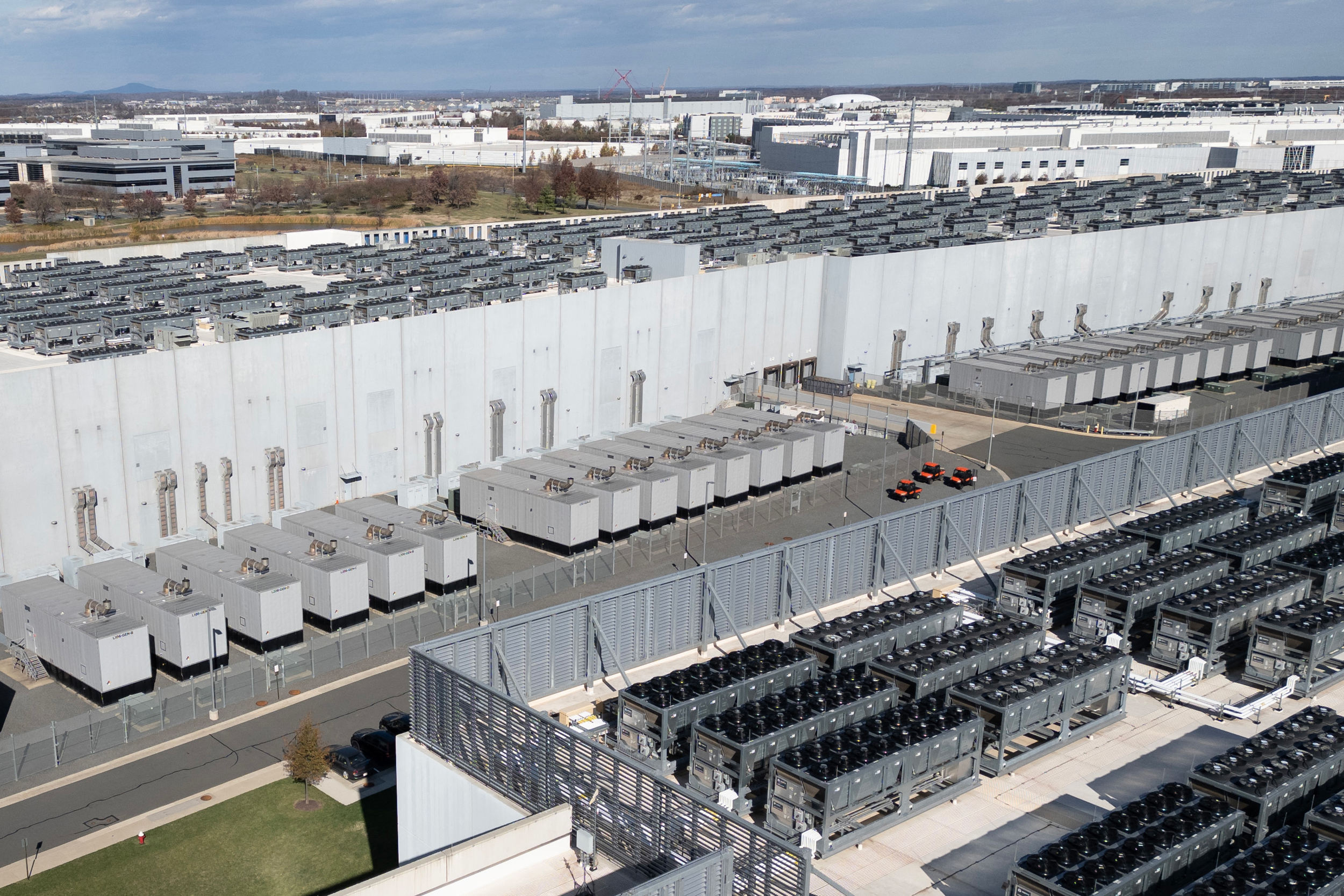
Rivera, who drafted the moratorium policy, stated that large companies can no longer quietly submit harmful applications behind the backs of working people. However, many local governments and residents still struggle to obtain full information about data centers and their impacts. Historically, developers have been extremely reluctant to share energy and water usage information, sometimes even requiring local officials to sign non-disclosure agreements. The newly passed state legislation will force developers to be more transparent about resource usage and require them to strive for "energy efficiency goals," such as recovering waste heat.
New York's grid operator has stated that data center projects will increase pressure on the power grid and make it more difficult to phase out aging gas-fired power plants. Currently, U.S. data centers often rely on highly polluting diesel generators for backup power, and some operate their own gas-fired power plants. The new bill requires existing data centers to disclose greenhouse gas emission data for the environmental impact report and gradually use more renewable energy, with renewables needing to account for one-third of their energy consumption starting in 2030. Bridge Rauch, an environmental justice organizer for the Clean Air Coalition of Western New York, stated that modern hyperscale data centers are an emerging and unregulated industrial sector, and communities and the state need time to develop local and state-level regulations.
This article is compiled by Wedoany. All AI citations must indicate the source as "Wedoany". If there is any infringement or other issues, please notify us promptly, and we will modify or delete it accordingly. Email: news@wedoany.com