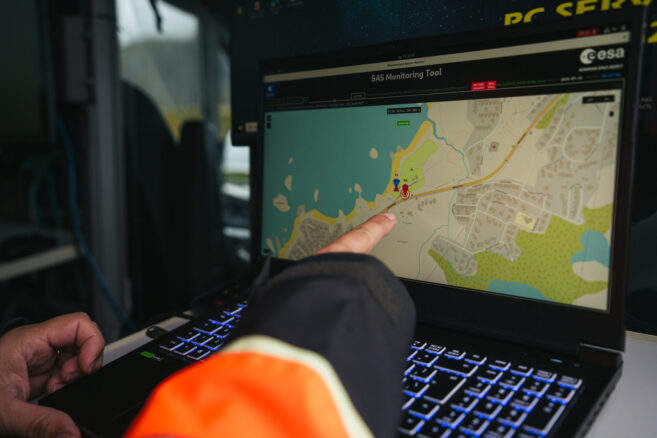
Starlink's five-year average download speed in the US increases by 78.6%, may hit a ceiling in 2026
en.Wedoany.com Reported - SpaceX's Starlink satellite internet service has significantly improved its performance over the past five years, but the latest test data suggests that as the network matures, the growth in download speeds may be hitting a ceiling. Since 2022, Starlink has transitioned from an early proof-of-concept to a mature network, with substantial progress in both connection speed and stability.
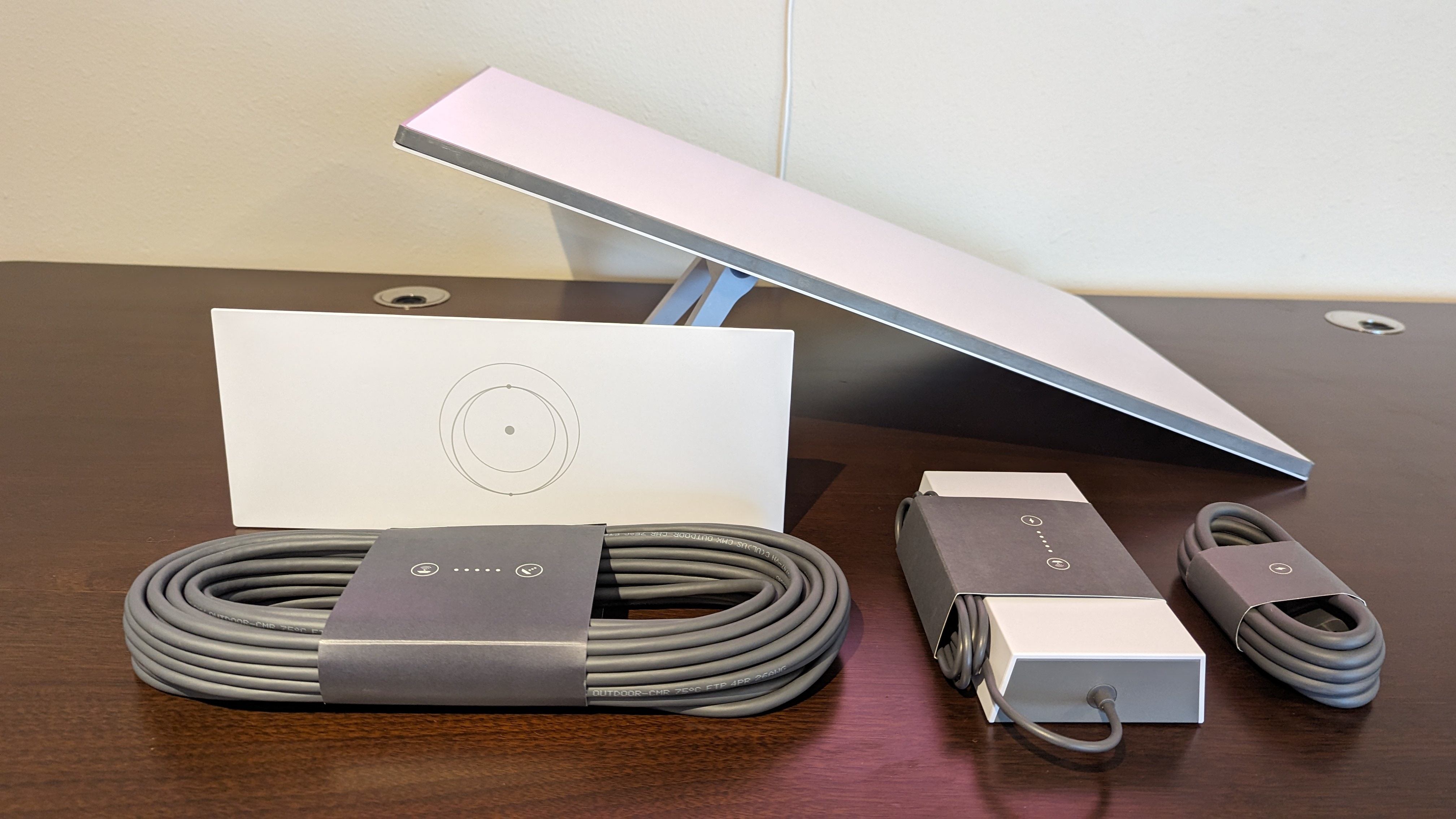
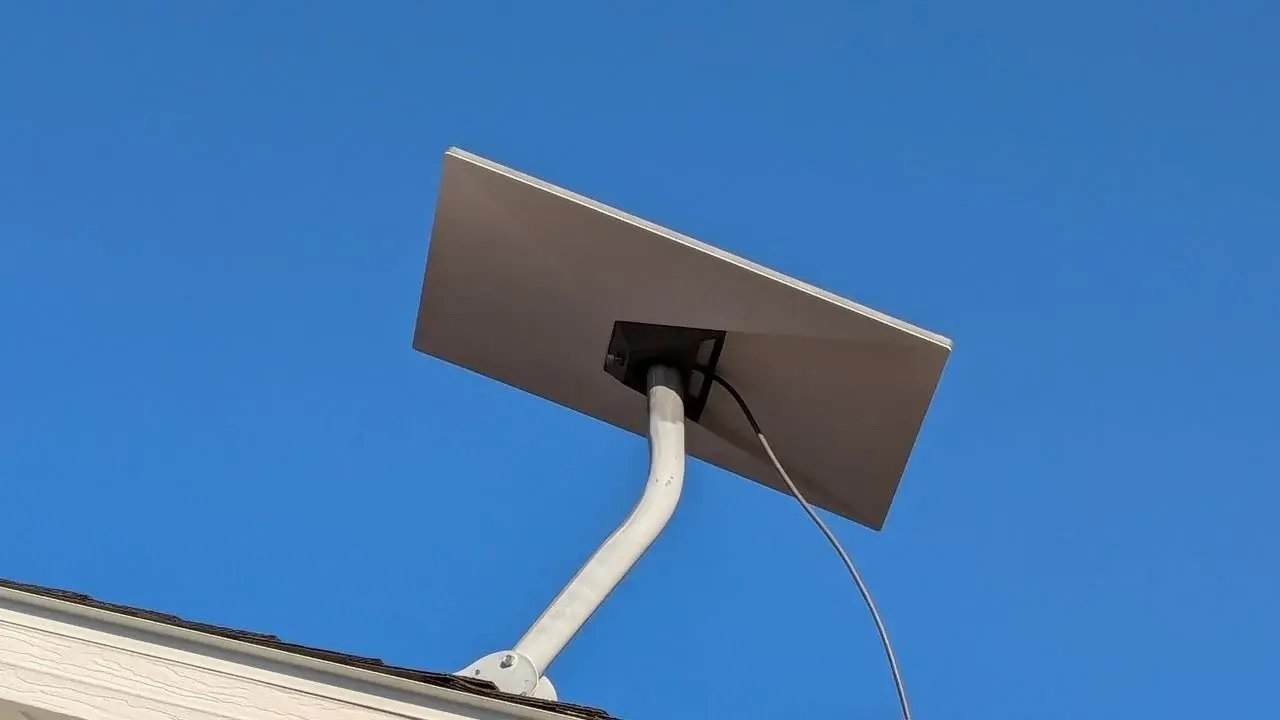
On the hardware front, Starlink antennas have evolved from V2 to V4. The new antennas and accompanying routers feature better design, waterproofing, Wi-Fi 6 technology, and improved wireless coverage. In 2025, the portable Starlink Mini, designed for travel and roaming use, was officially launched.
In terms of service options, Starlink has introduced a tiered pricing system, including plans such as Residential Max ($130/month), Residential 200 ($85/month), and Residential 100 ($55/month), offering users more choices.
Based on long-term test data, Starlink's performance has improved year over year. In 2022, the average download speed was 89 Mbps, upload speed exceeded 20 Mbps, and latency was 60 milliseconds. In 2023, download speed increased to 130 Mbps, upload speed was 15 Mbps, and latency dropped to 50 milliseconds. In 2024, tests using the V2 antenna showed an average download speed of 113 Mbps; later that year, switching to the V4 antenna boosted the average download speed to 150 Mbps, with a peak of 325 Mbps and latency dropping below 30 milliseconds. In 2025, the average download speed was 177 Mbps, with a peak of 315 Mbps, low speeds consistently above 50 Mbps, upload speeds nearing 30 Mbps, and latency dropping to 22.36 milliseconds.
The latest test results from 2026 reveal new trends. Over a 13-day test period, the daily average download speed ranged between 145 Mbps and 170 Mbps, below the typical 400 Mbps advertised for the Residential Max plan. The highest download speed reached 265 Mbps. The test data indicates strong service consistency, with most results concentrated between 130 Mbps and 220 Mbps, and the most common range being 200 Mbps to 210 Mbps. Only one low-speed reading fell below 50 Mbps, at 49.93 Mbps, a significant improvement from the low of 5 Mbps in 2022.
Upload speed improvements were more pronounced, with most results ranging between 20 Mbps and 80 Mbps, and the average significantly higher than in 2025. In terms of latency, over 67% of measurements were below 20 milliseconds, and 96% were below 30 milliseconds. This consistency indicates a stable service capable of supporting real-time video conferencing, online gaming, and even high-frequency trading. However, due to Starlink's low Earth orbit (LEO) satellites being approximately 340 miles from ground antennas, signal transmission incurs a physical latency bottleneck of about 7 to 10 milliseconds.
Looking at long-term trends, since the start of testing, Starlink's average download speed has increased by 78.6%, from 89 Mbps to 160 Mbps. Upload speeds have nearly quadrupled. Average latency has dropped from 60 milliseconds in 2022 to 21.5 milliseconds in 2026, reflecting the network's continued maturation.
As the June IPO approaches, Starlink's commercial value is also shifting. SpaceX's S-1 filing, made public on May 20, shows that Starlink now accounts for over 60% of the company's total revenue. The new tiered pricing system means that the value users purchase is no longer just raw speed, but also network priority during peak hours. Prices for the top tier have increased, but more affordable options have also been introduced.
Although nearly all tiers offer better latency and speed than traditional DSL, test results also reveal a gap between advertised and actual speeds. In the new reality of user growth and network congestion, the additional $45 per month for the Residential Max plan is more about securing service priority than purely higher download speeds.
In terms of competition, Starlink faces potential challenges from new rivals such as Amazon Leo (formerly Kuiper). Currently, Starlink is still recommended as a viable option for areas lacking cable or fiber access, especially where DSL connections are severely limited. For users seeking stability with speeds better than DSL, the lower-tier Residential 100 or 200 plans may offer better value for money.

This article is compiled by Wedoany. All AI citations must indicate the source as "Wedoany". If there is any infringement or other issues, please notify us promptly, and we will modify or delete it accordingly. Email: news@wedoany.com
Related Products



Mine Explosion-proof and Intrinsically Safe Industrial Ethernet Ring Network (10 Gigabit/Gigabit)
Chongqing Mas Sci&Tech Co., Ltd.
Comprehensive Mining Automation Control System
Beijing Tianma Intelligent Control Technology Co., Ltd.



Automatic Aiming Laser Remote Obstacle Removal Robot
Pinggao Group Weihai High-Voltage Apparatus Co., Ltd.


MUX Series Communication Interface Device for Security and Stability Control System
Nanjing NR Electric Co., Ltd.