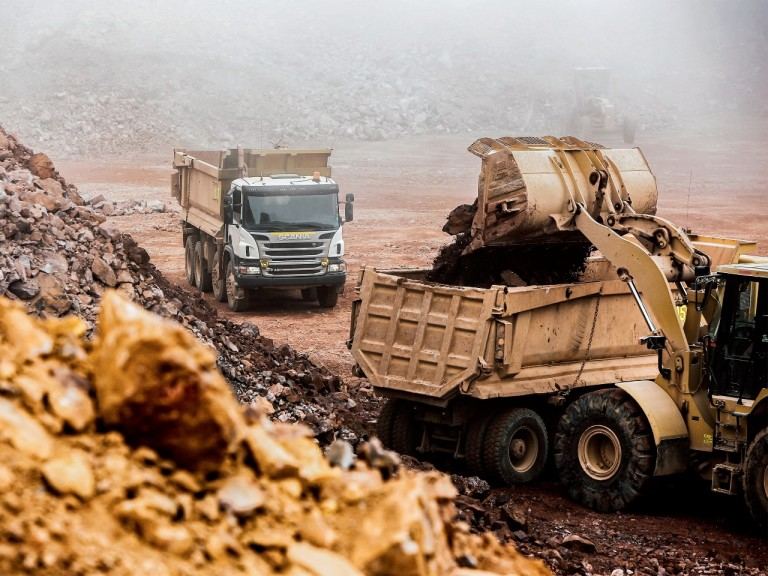
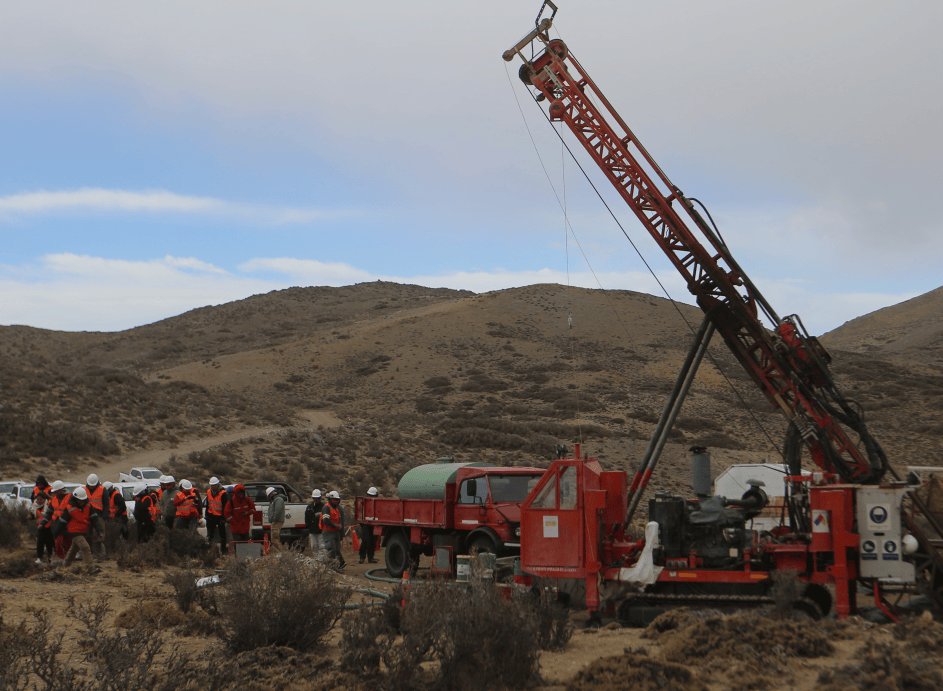
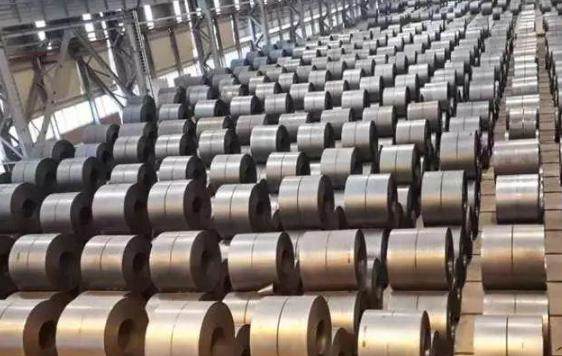
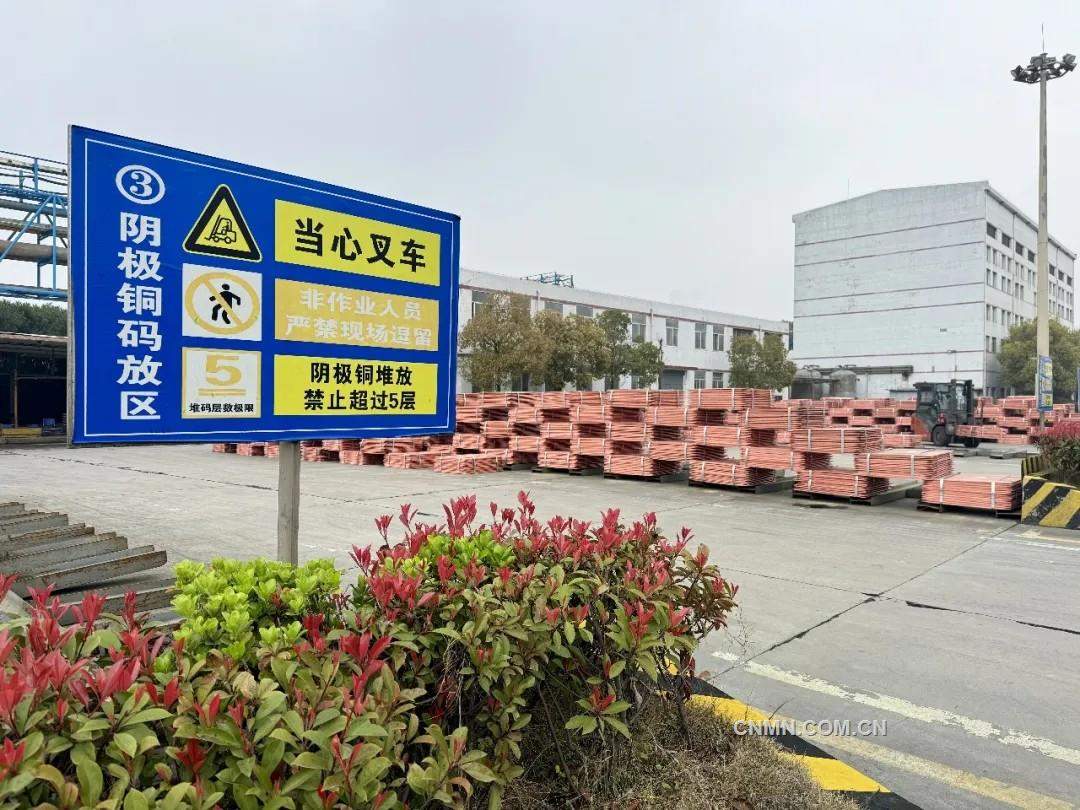
en.Wedoany.com Reported - Canadian miner Fortune Minerals (TSX: FT; OTC: FTMDF) plans to release an updated feasibility study for its Nico cobalt-gold-bismuth project next month. The project, expected to begin construction in 2027, could become the next major mine in the Northwest Territories. CEO Robin Goad said all land and water permits for the Northwest Territories are expected within two to three months, while approvals for a proposed hydrometallurgical plant in Alberta will progress next year. The Nico mine is located on Tłı̨chǫ territory, about 160 km northwest of Yellowknife and 50 km north of Whatì, where the road currently ends.
In a May 21 report paid for by Fortune, Fundamental Research analysts noted that Fortune has entered a critical phase, supported by strong momentum in the critical metals market, continued improvement in project fundamentals, and government emphasis on non-China critical minerals supply chains. Recent operational, financing, and permitting progress has enhanced the company's outlook, with upcoming catalysts including the updated feasibility study and permitting milestones. As the Northwest Territories seeks new mines to offset a decline in the diamond industry, Nico has become one of the region's most advanced development projects. In 2024, it became one of the first Canadian projects to receive support under Title III of the U.S. Defense Production Act. According to the Critical Minerals Institute, between 2023 and 2026, the U.S. government provided approximately US$26.2 billion (C$36.4 billion) in funding to 33 publicly listed critical minerals companies globally.
"For us, the biggest issue is funding," Goad told The Northern Miner. "We're pretty much at the finish line. Once the government-supported work is done, front-end engineering design and permits are in place, we move into construction. Can we raise project financing? That's the biggest hurdle." Fortune's Toronto-listed shares have tripled over the past 12 months, trading at about C$0.19 on Thursday, giving the company a market capitalization of C$124.7 million.
Based on a 2014 feasibility study, the Nico project has proven and probable reserves of 33.1 million tonnes grading 1.03 grams per tonne gold, 0.11% cobalt, 0.14% bismuth, and 0.04% copper, containing 1.11 million ounces of gold, 82.3 million pounds of cobalt, 102.1 million pounds of bismuth, and 27.2 million pounds of copper.
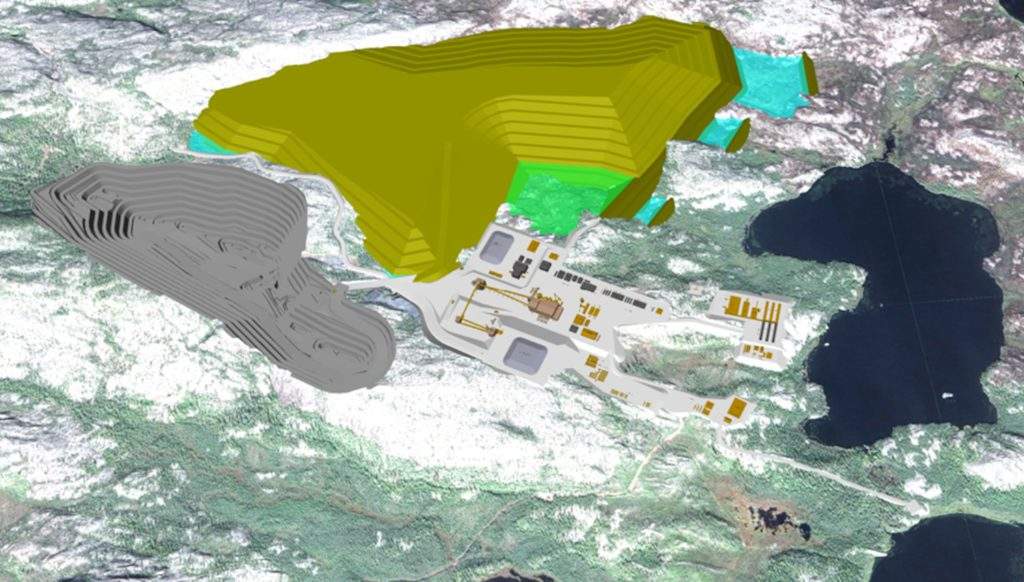
The report showed a post-tax net present value (discounted at 7%) of C$224 million for the Nico project, with an internal rate of return of 15.1% and initial capital costs of C$589 million. Goad said that at current levels, this cost is estimated to inflate to about C$1 billion. The company aims to produce approximately 8,780 tonnes of cobalt sulfate, 47,000 ounces of gold, 1,700 tonnes of bismuth products, and 500 tonnes of cement copper over a 20-year mine life. Goad noted that cobalt is a key raw material for lithium-ion rechargeable batteries, and governments are pushing to secure domestic supply chains for the energy transition and defense sectors. Fortune said it has built 2 km of underground workings during trial mining and plans to use these to supplement open-pit operations with high-grade material in the early years of the mine. Goad said the goal is cash flow, as vertically integrating the mine and downstream processing plant "doubles the capital cost" and burdens the project with more debt.
Project costs are not the only funding challenge Goad faces. In 2019, the City of Corman Park in central Saskatchewan rejected a zoning change, scuttling Fortune's first refinery plans. Goad said the company relocated its downstream plans to the "industrial heartland" near Edmonton, Alberta, an area already zoned for heavy industry. He believes existing plants, proximity to process reagent supplies, and a favorable "industrial culture" reduce risk. "After the Saskatchewan zoning rejection caused significant losses to the company, Alberta is a superior jurisdiction for the refinery." Goad estimated the Saskatchewan setback cost Fortune about five years, with direct losses potentially between US$5 million and US$10 million.
A shift in political winds has brought Fortune a turnaround. The focus on critical minerals in Ottawa and Washington has secured Fortune over C$17.5 million (about US$12.5 million) in non-dilutive grants and loans from Canadian and U.S. programs, including US$6.38 million from the U.S. Department of Defense, C$8.21 million from Ottawa, and a C$3.8 million loan from Prosper NWT—a public agency that helps northern businesses grow through financing and support. "In my 40-year career, for the first time, the government is actually writing us checks," Goad said. Fortune is working to convert this policy momentum into two near-term financing decisions. The company, together with the Tłı̨chǫ government, has applied to Ottawa's Critical Minerals Infrastructure Fund for up to C$50 million to build the final 50 km access road to the Nico mine site, for which the company received a permit last month. Goad said Fortune discovered Nico in 1996 and has invested about C$150 million to advance the project to date.
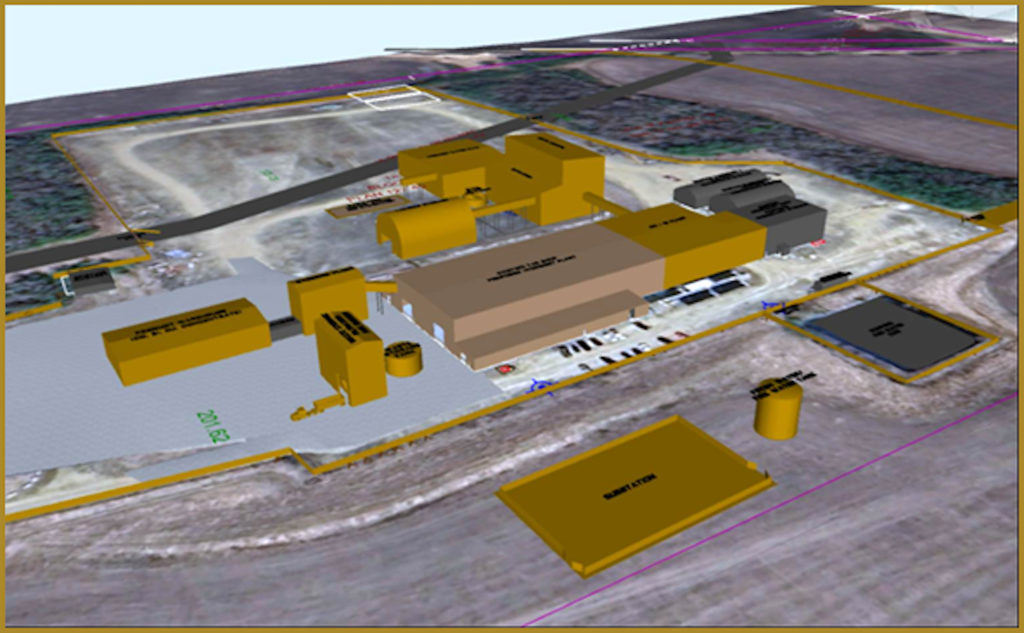
The updated plan calls for trucking concentrate about 400 km south to the town of Enterprise in the Northwest Territories, then transferring to rail for about 1,000 km into Alberta. This logistics approach is based on the concentrator's low "yield"—processing 4,650 tonnes of ore per day to extract saleable metals from about 180 tonnes of concentrate, roughly 4% of the ore feed.
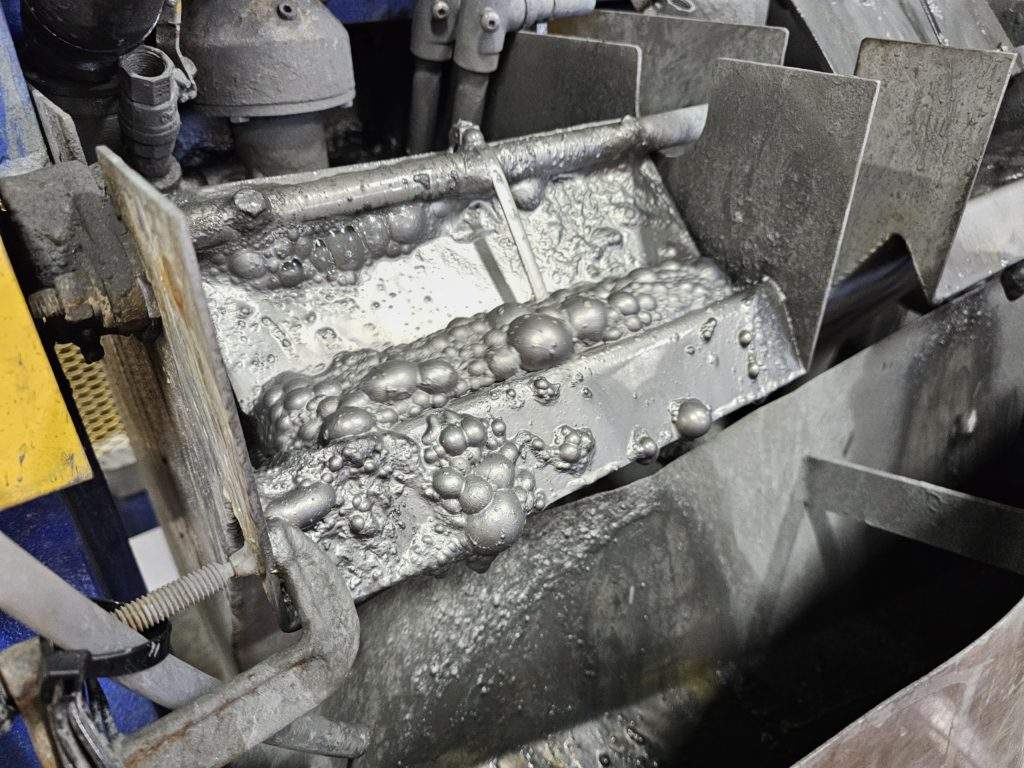
"It doesn't make sense to build a hydrometallurgical facility in the remote north without reagents," Goad said. He believes the small concentrate stream makes processing in the south more profitable. Fortune positions Nico as one of the few near-term development options in a region where the diamond era is winding down. Goad said mining once accounted for 45% of the Northwest Territories' GDP. With the closure of the Diavik diamond mine in March, few projects of comparable scale remain. Fortune recently also responded to a request from the U.S. Defense Industrial Base Consortium for bismuth projects under the U.S. Department of War program. Goad said success in any of these applications could reduce the capital needed for vertical integration. Bismuth has now become central to Fortune's government lobbying. Goad noted that export restrictions by market leader China have sent the once-quiet market into price shock: Chinese export cuts have driven bismuth prices above US$40 per pound, compared to historical norms of about US$7 per pound, stabilizing above US$20 per pound in recent weeks. The metal is closely tied to defense applications and electronics supply chains. "You can't build AI data centers without bismuth solder paste," Goad said.
This article is compiled by Wedoany. All AI citations must indicate the source as "Wedoany". If there is any infringement or other issues, please notify us promptly, and we will modify or delete it accordingly. Email: news@wedoany.com