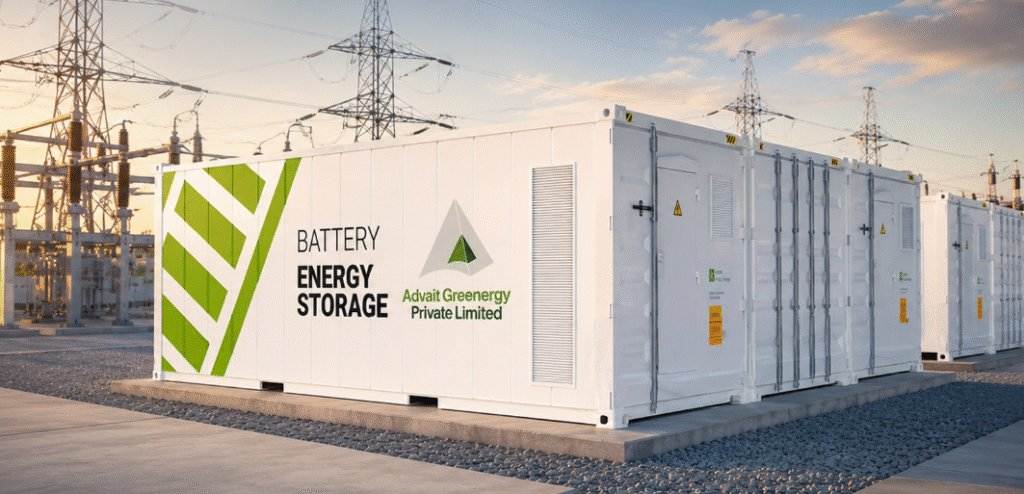
en.Wedoany.com Reported - Wake Electric, a North Carolina electric cooperative, has validated the value of battery energy storage microgrids in enhancing power resilience, supporting renewable energy, and meeting peak demand through deployment. In July 2022, a severe storm caused power outages lasting over seven hours for thousands of its nearly 60,000 customers, but the Eagle Chase community, equipped with a 1-megawatt Tesla battery pack and a propane generator, experienced an outage of less than 58 milliseconds due to its independent microgrid configuration.
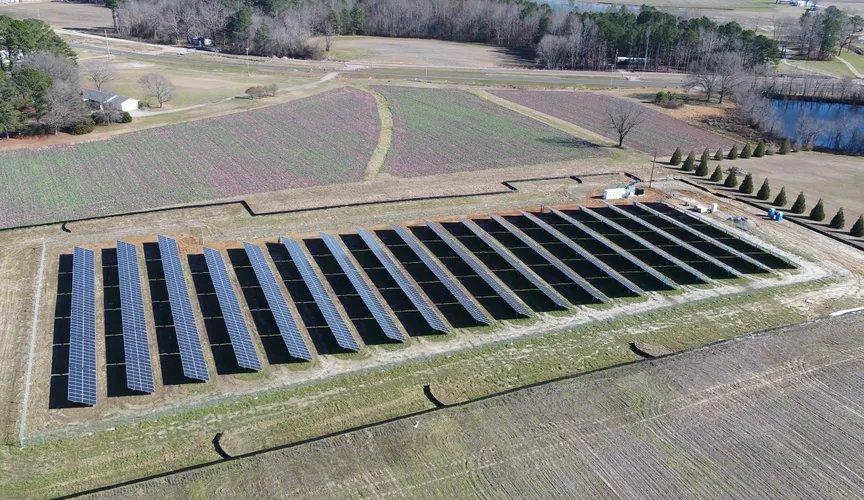
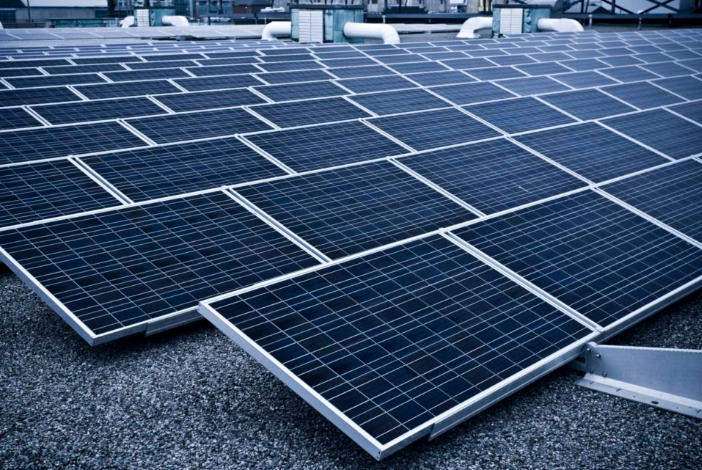
Don Bowman, Senior Vice President and Assistant General Manager of Wake Electric, stated that the Eagle Chase community case demonstrates three key advantages of battery storage: providing resilience, improving the reliability of renewable energy, and addressing peak demand. The cooperative has three such energy storage systems within its service territory. In addition to Eagle Chase, these include a 1-megawatt-hour battery paired with a 500-kilowatt solar plant in Wake Forest, and a 5-megawatt battery at the cooperative's main substation.
Rob Greskowiak, Chief Commercial Officer of energy storage developer Lightshift Energy, noted that these battery systems can save costs for users while enhancing resilience and reliability, with economic viability as the core driver. Many remote areas served by cooperatives in North Carolina, from rugged mountains to vulnerable islands, are highly susceptible to power outages caused by extreme weather.
About a decade ago, Tideland Electric Member Corp. established the state's first cooperative-operated microgrid on Ocracoke Island, equipped with 62 solar panels, a battery pack, and a diesel generator. In the summer of 2017, after a construction accident disrupted the main transmission line, the microgrid successfully maintained power supply for island residents. Heidi Smith, manager of Tideland, confirmed at the time the role of solar power and Tesla batteries in sustaining system operation.
Currently, multiple cooperative energy storage systems in North Carolina are managed by North Carolina Electric Membership Corp., with their benefits and costs shared among cooperatives and millions of customers. Hall, the company's head, described the distributed energy resource management system they have built as among the most innovative and capable in the nation.
Notably, while advancing clean energy, the state's cooperatives are also participating in projects related to traditional energy. North Carolina Electric Membership Corp. is collaborating with Duke to build a new large-scale natural gas power plant in Person County and already directly owns two single-cycle natural gas peaker plants. Additionally, the company has submitted a bid to the Federal Energy Regulatory Commission that, if approved, could upend the payment method for transmission upgrades and hinder new solar projects from connecting to the grid. Greskowiak reiterated that the proliferation of battery storage in the region is primarily driven by its growing economic viability, rather than purely sustainability or clean energy goals.
This article is compiled by Wedoany. All AI citations must indicate the source as "Wedoany". If there is any infringement or other issues, please notify us promptly, and we will modify or delete it accordingly. Email: news@wedoany.com