
2026 U.S. Energy System Domestic Stability, Pricing Shifts to Global Markets
en.Wedoany.com Reported - Latest data shows the U.S. energy system remains balanced, with domestic production maintaining high levels while consumption holds steady. This trend has been confirmed by three consecutive years of data.
On the surface, the U.S. energy system appears calm. This state has not changed since the dataset was first interpreted in early May. What has changed is a clearer understanding of the market's current stability.
Three consecutive cycles of the Monthly Energy Review (May 2024, May 2025, and the current May 2026 data) present a consistent and unmistakable pattern. U.S. primary energy production continues to grow, but consumption has not kept pace. The gap between the two has shifted from temporary to structural.
In 2024, U.S. primary energy production was approximately 103 quadrillion British thermal units, with total consumption around 94 quadrillion British thermal units. The following year, driven by record production of natural gas, crude oil, and natural gas liquids, output rose to about 107 quadrillion British thermal units, but consumption increased only slightly. The latest 2026 data further reinforces this relationship: the U.S. produces more energy than it consumes, and this trend is persistent.
The market imbalance has not led to a domestic supply glut, as the system has found a way to self-clear. Over the past decade, the U.S. has transformed from a net energy importer to a sustained net exporter. In 2024, energy exports exceeded 30 quadrillion British thermal units, with net exports of about 9 quadrillion British thermal units, setting a record. This trend continued into 2025 and the current data. Exports are no longer opportunistic but a necessary component of system operation.
This characteristic is particularly pronounced in the natural gas sector. In 2025, U.S. natural gas production reached record levels, averaging approximately 118.5 billion cubic feet per day. Meanwhile, the U.S. has become the world's leading exporter of liquefied natural gas, with LNG exports ranging from 12 to 14 billion cubic feet per day and still growing. When including pipeline exports, about one-quarter of total U.S. production is entering global markets.
This is the decisive structural shift reflected in the MER data. The U.S. energy system no longer clears internally but externally. Prices, especially natural gas prices, are no longer determined solely by domestic supply and demand but are influenced by global marginal buyers.
The implications of this shift are not always intuitive. From the data, U.S. natural gas supply is abundant, with high production, ample reserves, and ongoing infrastructure expansion. Under a purely domestic framework, such abundance should lower downstream costs, but that is not the case.
In 2026, fertilizer prices have risen again, and this disconnect is noteworthy. Nitrogen fertilizers such as ammonia and urea are derived from natural gas. In a system with abundant natural gas, fertilizer costs should theoretically be suppressed, but the reality is driven by forces outside the U.S. Global supply tightness has tightened the fertilizer market. Export restrictions from major producing countries, particularly China, have limited supply; sanctions against Russia and Belarus continue to reshape trade flows; and geopolitical instability in the Middle East has constrained transportation through key routes such as the Strait of Hormuz. These factors have disrupted effective supply and pushed up global costs, even as domestic input conditions remain favorable.
The result is a pricing disconnect. U.S. natural gas is abundant, but fertilizer pricing depends on global marginal costs. That margin is determined by constrained supply, high costs in other regions, and trade frictions largely unrelated to domestic production levels. The system is energy-rich but not insulated from global pricing.
This dynamic is now clashing with policy expectations. The U.S. President recently directed the Department of Agriculture to address rising fertilizer prices, treating it as a domestic cost issue that can be corrected through internal policy actions. But the answer revealed by the MER data is this: the system operates as designed, but within a global market structure that limits domestic control over downstream pricing.
This tension is unlikely to be easily resolved. The U.S. can influence production at the margin, encourage capacity, and adjust trade mechanisms, but it cannot directly control global fertilizer supply, foreign export policies, or the geopolitical disruptions that shape pricing. The system's strength—its ability to produce surplus energy—does not automatically translate into price stability for derivatives of that energy in global trade.
The three-year span of MER data shows that demand has not surged, and supply has not contracted. Coal continues its structural decline, while natural gas, liquid fuels, and renewables keep expanding, and exports continue to absorb the surplus. The system's stability stems from its operation exactly as rebuilt over the past decade.
However, it is increasingly clear that this stability comes with a trade-off. The U.S. has achieved internal balance by integrating into global markets, and this integration brings efficiency and scale but also introduces volatility from outside the system. The revelation of the latest MER is not that conditions are changing, but that they are not. The system remains energy-abundant, export-dependent, and globally priced. Domestic abundance does not guarantee domestic pricing outcomes, and no amount of internal adjustment can fully detach the system from external realities.
In short, the U.S. energy system is stable domestically, but it is no longer priced domestically.
This article is compiled by Wedoany. All AI citations must indicate the source as "Wedoany". If there is any infringement or other issues, please notify us promptly, and we will modify or delete it accordingly. Email: news@wedoany.com
Related Products



0.66kV Power Supply Instrument Transformer
Guangdong Sihui Instrument Transformer Works Co., Ltd.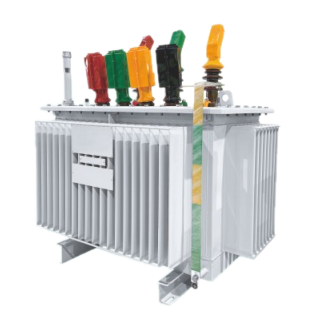
IS(B)□-M·RL Series Oil-immersed 3D Transformer (Planar / 3D Wound Core)
Guangdong Kehua Electric Power Technology Co., Ltd.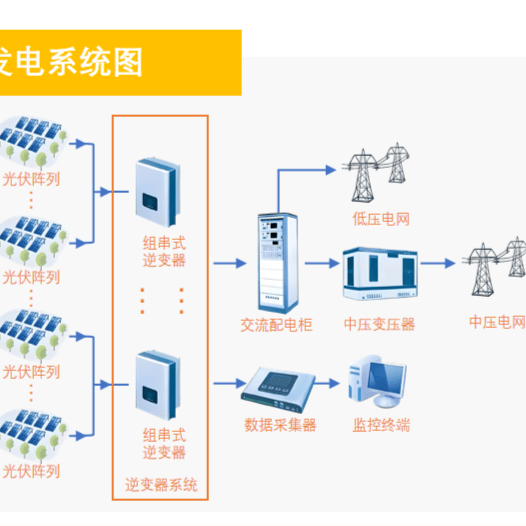
Photovoltaic and Wind Power Generation Technology
Beijing Boqi Electric Power SCI-TECH Co., Ltd.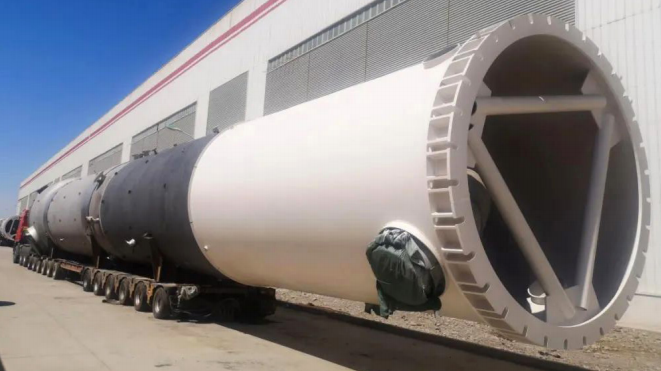
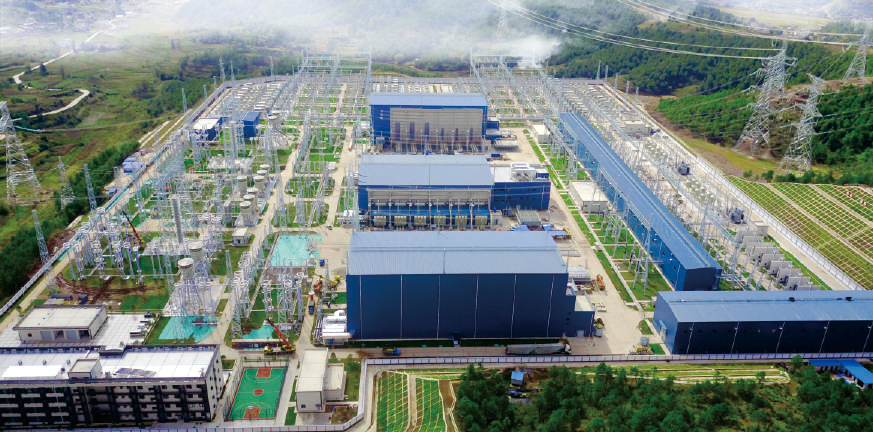
High-voltage Direct Current (HVDC) Transmission System Research and Integrated Design
XI'AN XD POWER SYSTEMS CO., LTD.
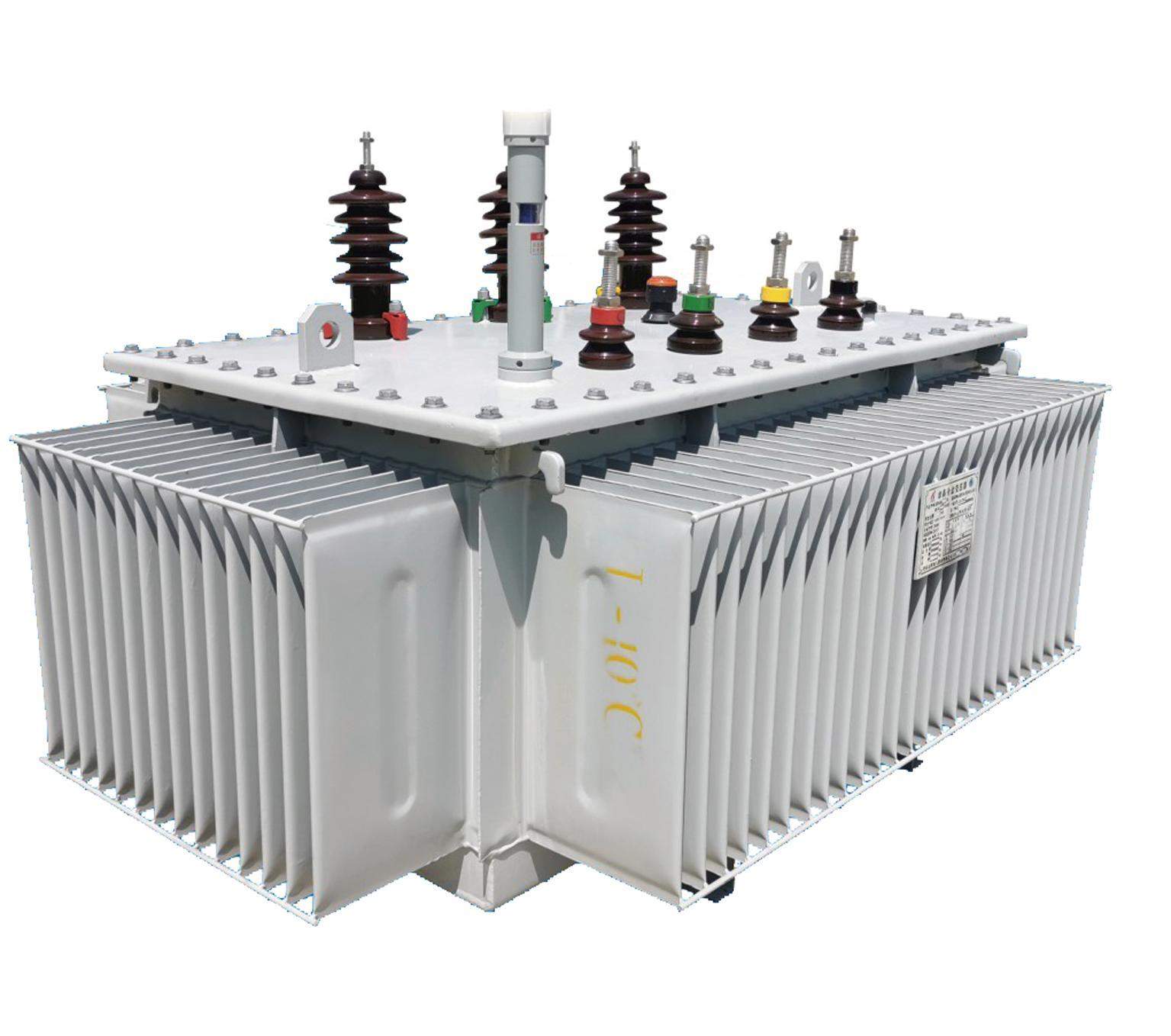
S(B)H15 Type (Energy Efficiency Level 3) Oil-Immersed Amorphous Alloy Core Distribution Transformer
Henan Longxiang Electric Co., Ltd.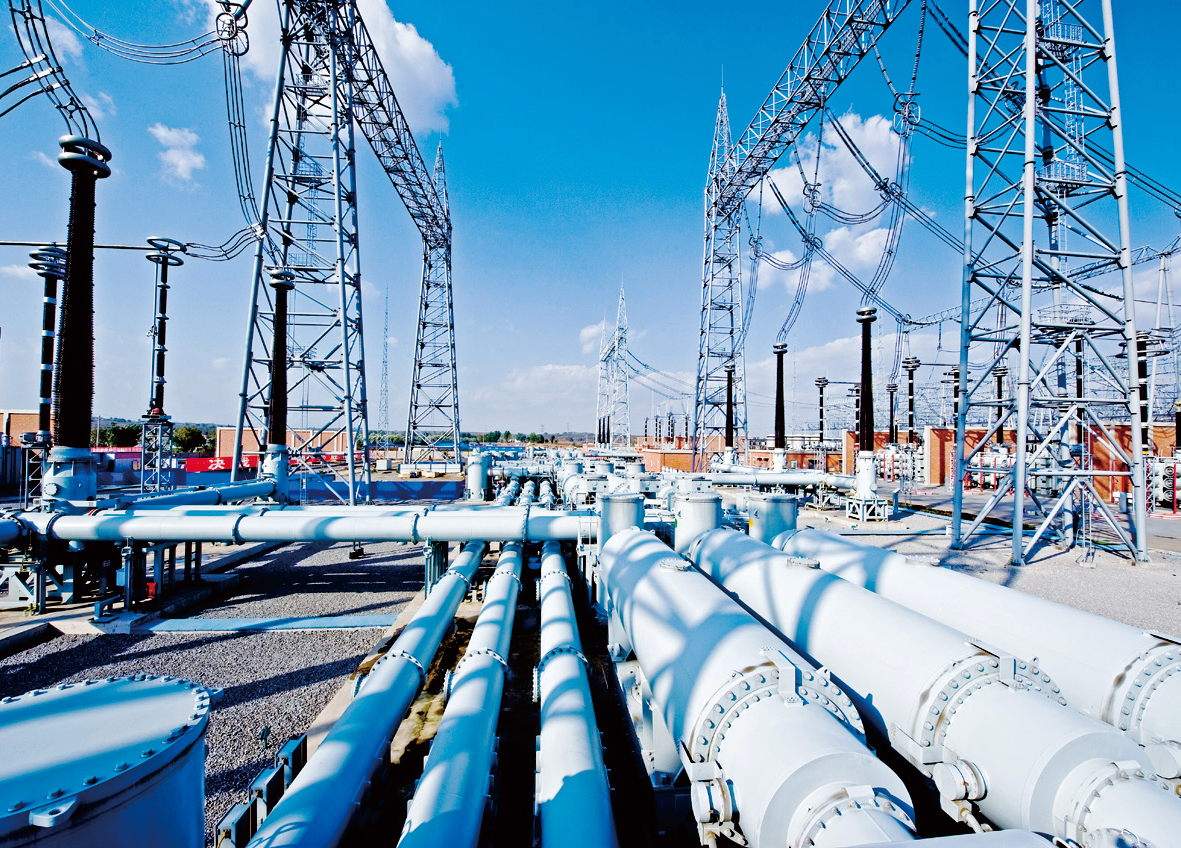
40.5kV-1100kV Gas Insulated Metal-Enclosed Switchgear (GIS)
Henan Pinggao Electric Co., Ltd.
Standard Nozzle Flowmeter
Jinggong Automatic Control Instrument Complete Technology Development Company
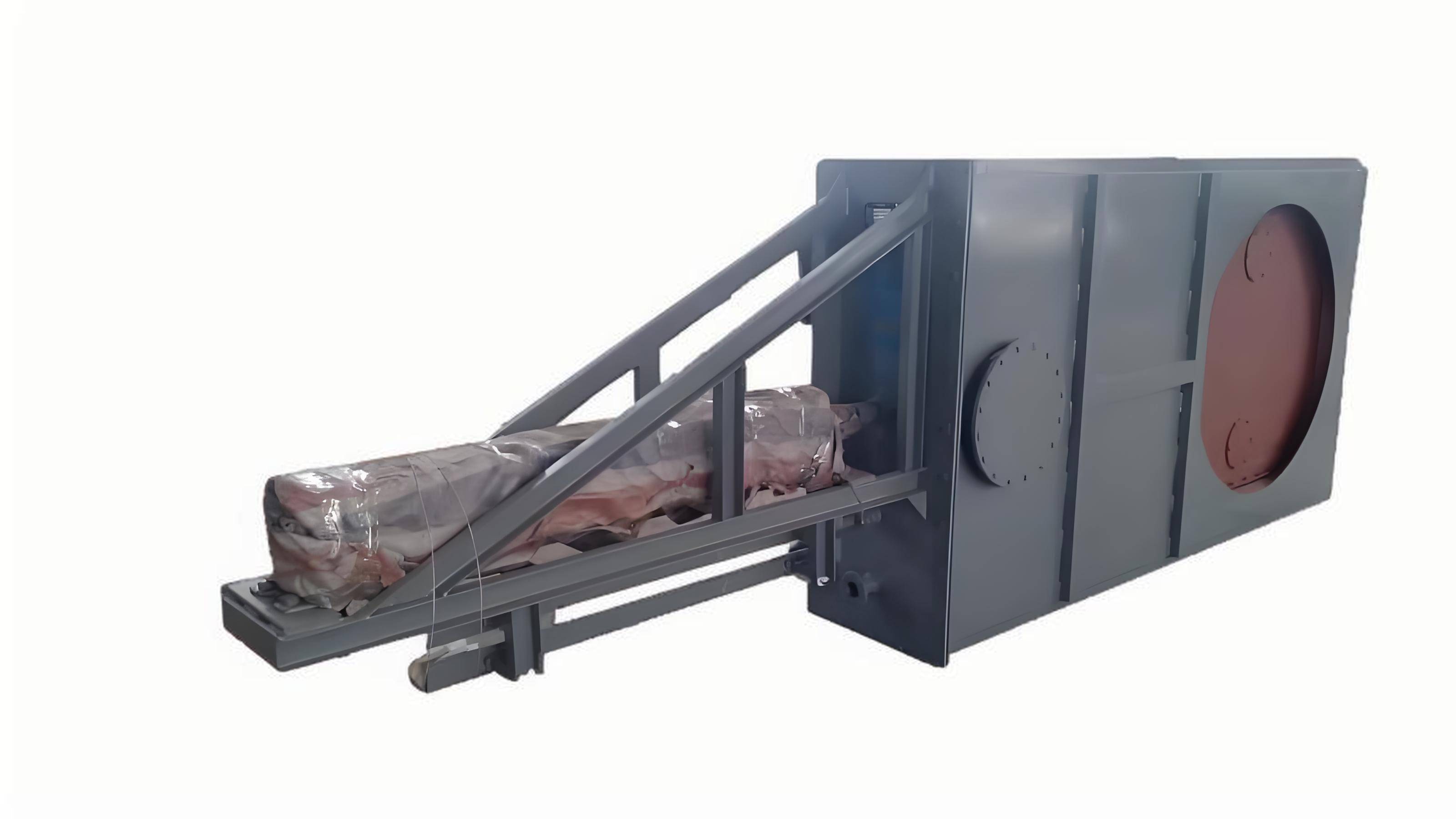
Double-slide Triple-sealed Hot Air Isolation Door
Xi'an Yingchuan Electric Power Equipment Co., Ltd.






