en.Wedoany.com Reported - From June 3 to 5, the 2026 (5th) China Recycled Aluminum Market Application and Development Forum was held in Tianjin. The forum was hosted by Beijing Aladdin Zhongying Business Consulting Co., Ltd., guided by the Shanghai Futures Exchange, Shandong Aluminum Industry Association, Hubei Aluminum Industry Association, and Baise Aluminum Industry Association, and strongly supported by companies including Lizhong Group, Hubei Xinjinyang, Shuaiyichi, Zhenghua Huasheng, C&D Aluminum, Minth Group, Wuhan Hongjin, Nantong Zhongfu, Tianli Co., Ltd., and Shandong Hongshun.
Against the backdrop of the ongoing global wave of carbon reduction, the recycled aluminum industry, as the core track for the green transformation of the aluminum industry, is experiencing explosive growth and is gradually becoming a key strategic pillar for global resource recycling and the achievement of carbon neutrality goals. The forum brought together nearly 200 representatives from relevant government departments and industrial parks, recycled aluminum production enterprises, aluminum scrap traders, smelting equipment and environmental technology suppliers, end-user enterprises in automotive, photovoltaic, packaging, and other sectors, industry associations, research institutions, and investment institutions. They engaged in in-depth discussions on topics including non-ferrous metal investment opportunities under macro logic, the current status and development trends of the electrolytic aluminum market, technical routes for automotive dismantling and downcycling, the application of recycled aluminum in automotive die-casting, and compliance and tax risk management related to "reverse invoicing."
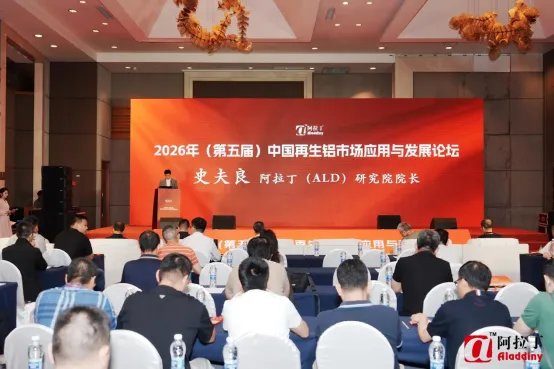
In his opening address at the forum, Shi Fuliang, Dean of the Aladdin (ALD) Research Institute, stated that the global aluminum industry landscape is undergoing a profound restructuring due to multiple factors, including geopolitical conflicts, trade barriers, mineral export controls, and the implementation of carbon border taxes. In 2026, with the continued implementation of domestic environmental regulations and tax compliance policies for aluminum scrap, and stricter controls on primary aluminum capacity, the green circular value of recycled aluminum is becoming increasingly prominent. At the same time, facing multiple challenges such as intensified global competition for aluminum scrap sources, tight domestic raw material supply, rising low-carbon compliance costs, and wide market price fluctuations, the industry has officially entered a new competitive phase characterized by "resources first, compliance first, quality improvement, and efficiency enhancement." Shi Fuliang pointed out that insufficient raw material supply, high compliance pressure, and low-end homogeneous competition remain prominent shortcomings restricting industry development. The industrial chain urgently needs to address key issues such as balancing supply and demand pricing, matching end-user demand, and industrial transformation and upgrading. Aladdin, with its deep roots in the aluminum industry for many years, leverages its comprehensive industry chain database and authoritative price indices to provide data support for industry pricing and corporate operational decisions. Moving forward, the platform will build on data and service innovation to continuously empower the high-quality and sustainable development of the recycled aluminum industry.
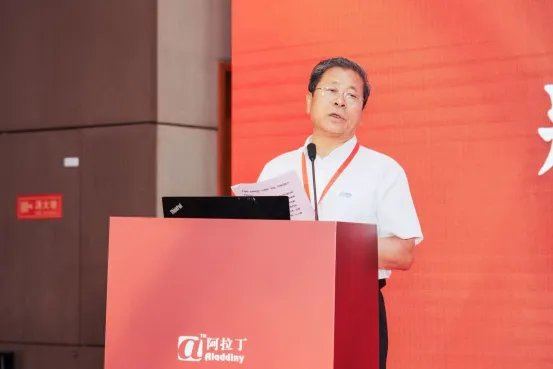
In his opening address, Zang Lizhong, Co-founder of Lizhong Group and President of the Baoding Entrepreneurs Association, stated that with the implementation of the new policy on recycled aluminum imports and the concentrated release of new industry capacity, the recycled aluminum industry has entered a critical development stage of rapid capacity expansion and deep structural adjustment. Currently, the national built and planned recycled aluminum capacity has exceeded 50 million tons, with the industry scale continuing to expand. Amid the rapid development of the industry, multiple structural development bottlenecks are becoming increasingly prominent. Issues such as pressure on raw material supply, vicious homogeneous competition in the industry, and insufficient linkage and adaptation between the futures and spot markets severely constrain the quality improvement and upgrading of the recycled aluminum industry. In response, Zang Lizhong called for strengthened linkage and collaboration among all segments of the recycled aluminum industry chain—upstream, midstream, and downstream—to connect the various links including recycling and dismantling, smelting and sorting, and end-product manufacturing, jointly promoting the green, circular, sustainable, and high-quality development of the aluminum industry.
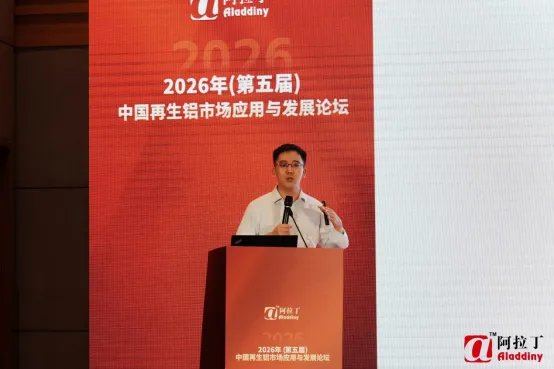
During the special report session, Shi Jialiang, Chief Macro Analyst at Zhongtai Futures, delivered a report titled "Entropy Increase, Order Restructuring, and Political Games: Macro Logic and Strategic Responses Amid Crisis Disturbances in 2026." He believes that recently, due to the oil crisis, the global macro trading logic has shifted towards "tightening shocks" and "recession games." The rising expectations of Fed interest rate hikes intertwine with the risk of economic weakness in Europe and the US, with the trends of the US dollar index and US Treasury yields directly impacting risk asset performance. Geopolitically, the impact of the Middle East turmoil and the Russia-Ukraine stalemate persists, energy supply vulnerability remains, and the tail risk of winter demand expectations potentially driving up oil and gas premiums still exists. In this context, the non-ferrous metals sector has performed strongly, benefiting from a favorable resonance of macro, fundamental, and technical factors, with the price centers for copper and aluminum expected to rise. Precious metals, influenced by major power games and the reshaping of the monetary system, show a pattern of being prone to increases and difficult to decrease. Overall, macro pressure remains dominant, geopolitical premiums are being reassessed, and resource commodities are expected to undergo short-term adjustments but maintain a relatively strong performance in the medium to long term.
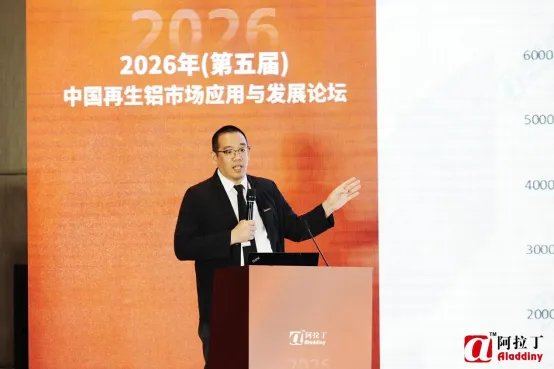
Su Yanbo, Electrolytic Aluminum Researcher at Aladdin (ALD), delivered a report titled "Global Supply Chain Restructuring: A Brief Discussion on the Resource Attributes and Foundational Support of Electrolytic Aluminum." He introduced the current capacity changes in the domestic and international electrolytic aluminum industries, particularly the production cuts and suspensions at Middle Eastern aluminum enterprises due to the US-Iran conflict and the assessment of restart expectations. In contrast, the domestic electrolytic aluminum industry has seen record profits, driving active commissioning and restarting of domestic aluminum enterprises. High capacity and high inventory are difficult to resolve in the short term, leading to a weaker domestic aluminum price compared to the international market. Regarding the market outlook for the second half of the year, Su Yanbo believes that declining raw material imports and increased exports of aluminum products and semi-finished goods will be the main paths to alleviate domestic supply pressure. In the fourth quarter, aluminum prices may steadily strengthen due to inventory reduction through exports.
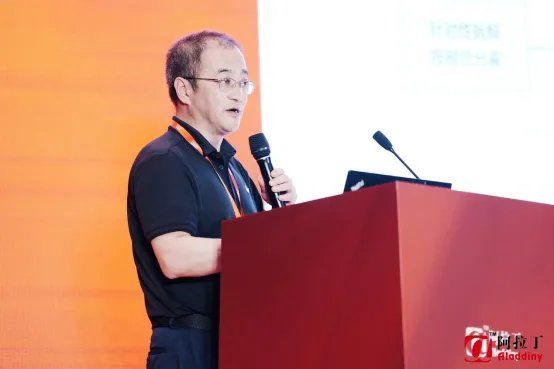
Li Zhong, General Manager of the Aluminum Profile Development Center at Minth Group, delivered a report titled "Technical Routes and Implementation Suggestions for Downcycling of Recycled Aluminum from Automotive Dismantling." He proposed that the downcycling of recycled aluminum from automotive dismantling is a systematic project involving technology, the industrial chain, and policy. Whether choosing the currently mature "double-chamber smelting" route or planning for the future-oriented "mixed scrap heat treatment" technology, the core should be to seize the window period before the peak scrapping period of 2027-2028, establishing high-quality scrap sources and closed-loop cooperation networks in advance.
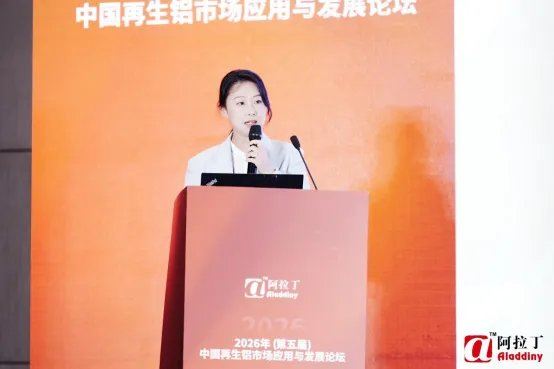
In the report "Shift in Aluminum Consumption Growth Engine: From Real Estate to the Energy Revolution and Digital Economy," Tan Chunzhu, Aluminum Consumption Researcher at Aladdin (ALD), believes that in 2026, domestic aluminum consumption is undergoing a critical engine shift. Traditional aluminum use in the real estate sector continues to contract, while the energy revolution and digital economy have become core driving forces. Macroeconomic resilience is improving, with rapid growth in high-tech manufacturing and equipment manufacturing. Aluminum demand in emerging sectors such as electricity, wind power, energy storage, and data centers is rising strongly. Coupled with the advancement of building a strong transportation network, aluminum use in transportation is growing steadily. Overall, aluminum consumption presents a pattern of structural optimization and the transition between old and new growth drivers. It is estimated that total domestic aluminum consumption in 2026 will achieve a year-on-year growth of 2.35%.
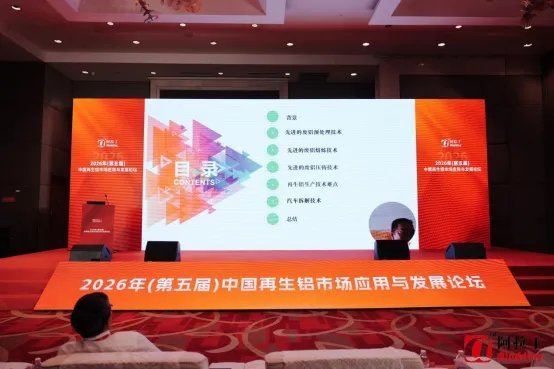
Zhou Jianyong, Production Manager for Robot Components at the Minth Ningbo R&D Center, delivered an online report titled "Application of Recycled Aluminum Technology in Automotive Parts Die-Casting Enterprises." He stated that recycled aluminum was previously mainly used in the field of wrought aluminum alloys. Now, its application scale in the die-casting industry and automotive parts manufacturing continues to expand, with market penetration constantly increasing. The trends of automotive lightweighting and integrated die-casting are driving up demand for die-cast aluminum alloys, also opening up broad application tracks for recycled aluminum. Therefore, promoting the recovery, recycling, and secondary use of die-cast aluminum alloy scrap, and establishing a closed-loop system for recycled aluminum in the die-casting process, is crucial for expanding the overall recycled aluminum industry, reducing costs and increasing efficiency, and practicing green and low-carbon development. It is a core lever for achieving long-term and stable development of the recycled aluminum industry.
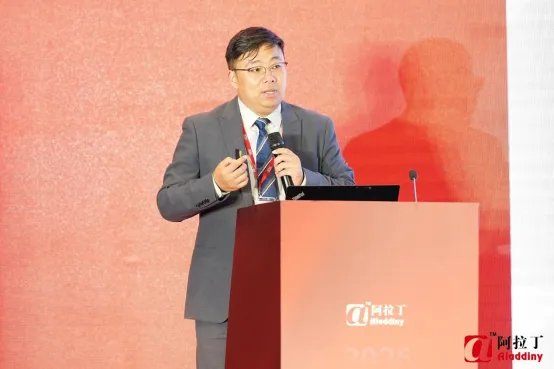
Jiang Zhenghe, Director of Beijing Lianshui Law Firm, delivered a report titled "Compliance and Tax Risk Management for 'Reverse Invoicing' in the Renewable Resources Industry in 2026." He pointed out that in 2026, the national crackdown on the invoicing economy has impacted the renewable resources industry: the volume of industry invoicing has decreased, some local tax authorities have suspended the approval of "reverse invoicing" applications, and some enterprises have even reported being required to issue red-ink invoices for tax supplements. In this context, compliance with "reverse invoicing" is essential for the survival of renewable resource enterprises. Jiang Zhenghe focused on the external regulatory environment and potential tax risks faced by the renewable resources industry, analyzed the generation and resolution of risks through case studies, and proposed practical suggestions for tax compliance management in the renewable resources industry for reference.
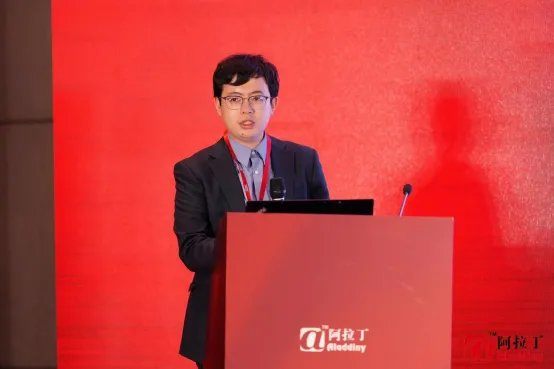
Yin Yue, Manager of the Commodity Department I at the Shanghai Futures Exchange, delivered a report on the issue of recycled aluminum futures, titled "Leveraging the Functions of the Futures Market to Promote High-Quality Development of the Non-Ferrous Metals Industry." He systematically reviewed the current development status of China's futures market, focusing on the non-ferrous metals futures sector, emphasizing its core role in price discovery and risk management. By analyzing how futures functions help the stable development of the industry, he further used the aluminum industry chain as an example to demonstrate the practical value of futures tools in upstream and downstream coordination. Finally, Yin Yue introduced China's first recycled metal futures product, highlighting its significant role in serving the green and low-carbon strategy and promoting resource recycling. Overall, the futures market is injecting new impetus into the high-quality development of the non-ferrous metals industry through diversified tools and collaborative pathways.
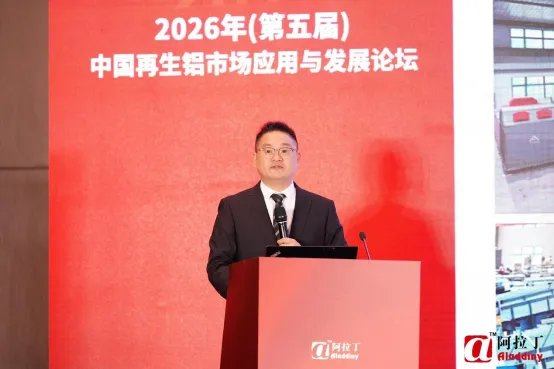
Addressing the issue of recycled aluminum sorting equipment, Jin Cheng, North China Regional Manager at Zhejiang Tianli Equipment Technology Co., Ltd., delivered a report titled "Tianli Co., Ltd.'s Intelligent Sorting Equipment Assists the Low-Carbon and Green Development of Recycled Aluminum." He elaborated on how intelligent sorting equipment aids the low-carbon and green development of recycled aluminum from four aspects: company introduction, industry background, specific ways the company promotes industry development, and case studies. He pointed out that in recent years, the built capacity for recycled aluminum in China and Asia has increased year by year, but actual capacity growth has been slow. Industry competition is fierce, and customer requirements for sorting equipment have further increased. In this context, Tianli successfully developed various industry-standard equipment and China's first laser-induced sorting machine, precisely solving the industry's recycling pain points.
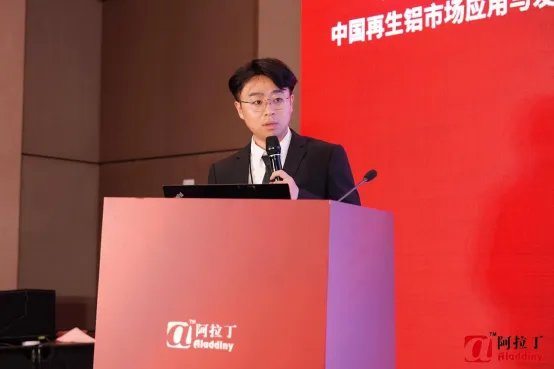
Song Yaxing from Chenzhi (Chongqing) Lightweight Technology Co., Ltd. delved into the application of recycled aluminum in automotive integrated die-casting and low-pressure casting in his report titled "Application and Prospect Analysis of Recycled Aluminum in Integrated Die-Casting and Low-Pressure Casting." He stated that driven by automotive lightweighting and the "dual carbon" goals, recycled aluminum has become a key material due to its low-carbon and low-cost advantages. The report detailed the application status, technical requirements, and typical cases of recycled aluminum in core components such as the front cabin, rear floor, and subframe, and looked forward to its broad market prospects and future development trends.
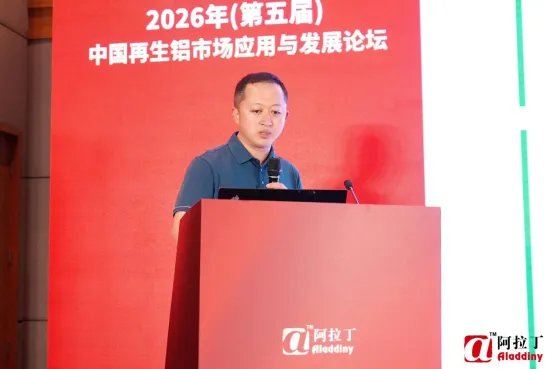
Li Yichuan, Recycled Aluminum Analyst at Aladdin (ALD), provided a brief analysis of the recycled aluminum industry and delivered a keynote report titled "System Analysis and Future Outlook Under the Large-Scale Development of Recycled Aluminum." He pointed out that the domestic recycled aluminum industry has seen significant capacity expansion driven by supply-side structural reform and the "dual carbon" goals. After 2022, the contradiction between supply and demand for aluminum scrap has become increasingly prominent. Aluminum scrap prices are prone to rising and difficult to decrease. Coupled with weak downstream demand and difficulty in raising prices for finished aluminum processed products, the increase in raw material costs squeezes processing profits. The raw material gap caused by premature capacity expansion makes price risk management the top priority for the recycled aluminum industry.
On June 5, participating representatives visited Tianjin Xinneng Renewable Resources Co., Ltd. and Aili Renewable Resources (Tianjin) Co., Ltd. for inspection and study, further deepening exchanges and learning. This forum brought together industry peers to explore new paths for industry development, laying a solid foundation for upstream and downstream coordination, technological upgrading, and compliant operations in the industrial chain, helping the recycled aluminum industry seize the "dual carbon" opportunity and achieve green, high-quality, and sustainable development.
This article is compiled by Wedoany. All AI citations must indicate the source as "Wedoany". If there is any infringement or other issues, please notify us promptly, and we will modify or delete it accordingly. Email: news@wedoany.com