Boeing 777X Delays Exceed $15 Billion in Cost Overruns, 737 MAX Also Postponed
en.Wedoany.com Reported - Boeing's reputation has suffered due to multiple project delays, forcing airlines to adjust their fleet plans. The 777X, originally scheduled to enter service in 2020, has now been pushed back to a first delivery in 2027. Boeing has incurred approximately $15 billion in cumulative costs for the program, including a $4.9 billion pretax writedown announced at the end of 2025 due to certification delays. Among the 737 MAX models, the uncertified MAX 7 and MAX 10 still face technical hurdles, with deliveries potentially delayed until 2027, leading airlines to extend the service life of older aircraft, postpone the launch of premium products, and alter route planning.
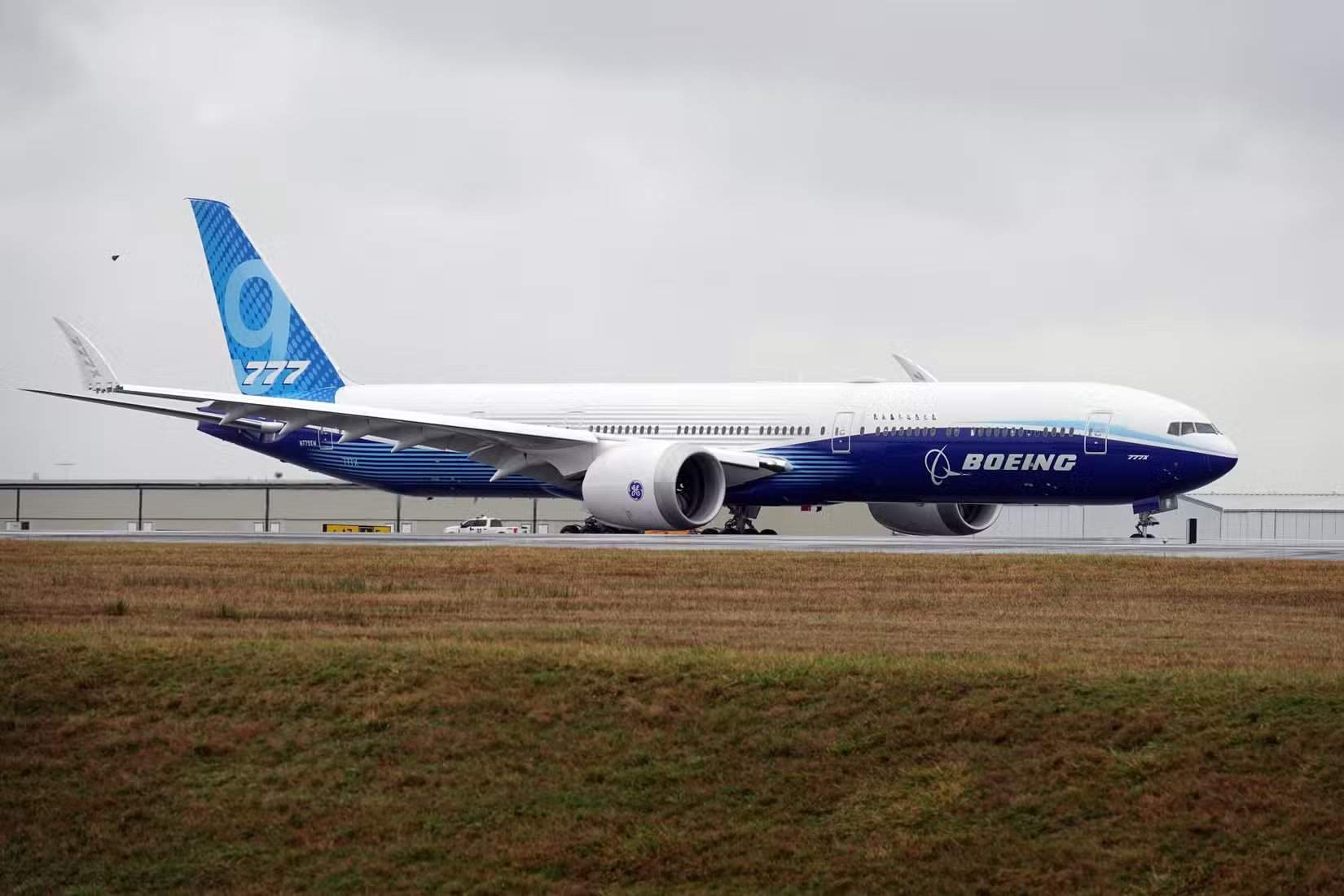
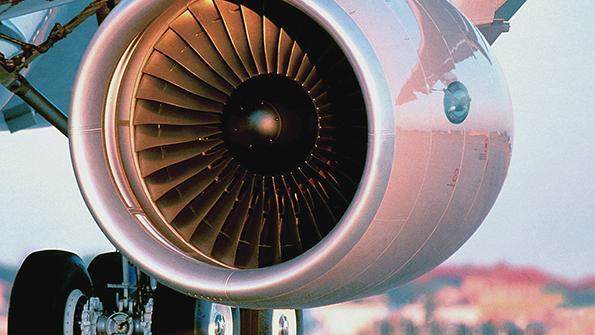
The 777X was designed as Boeing's flagship long-range aircraft, featuring folding wingtips, new composite wings, and GE9X engines, aiming to compete with the Airbus A350 series. The project was expected to enter service in 2020 at launch, but the timeline has collapsed. By the end of 2025, Boeing had pushed the expected first delivery of the Boeing 777-9 to 2027, a delay of seven years, resulting in cumulative cost overruns of approximately $15 billion. Reasons for the delay include significantly heightened certification scrutiny by the Federal Aviation Administration (FAA) following the 737 MAX crashes, issues with the GE9X engine, and supply chain instability during the pandemic. In 2026, Boeing resumed 777X certification activities, conducting Type Inspection Authorization (TIA) flight tests with the FAA, but airlines have already restructured their fleets based on the assumption that the aircraft would not be delivered on time. Launch customer Lufthansa continues to operate older Airbus A340 and Boeing 747 aircraft, while Emirates has repeatedly expressed disappointment with the delivery timeline.
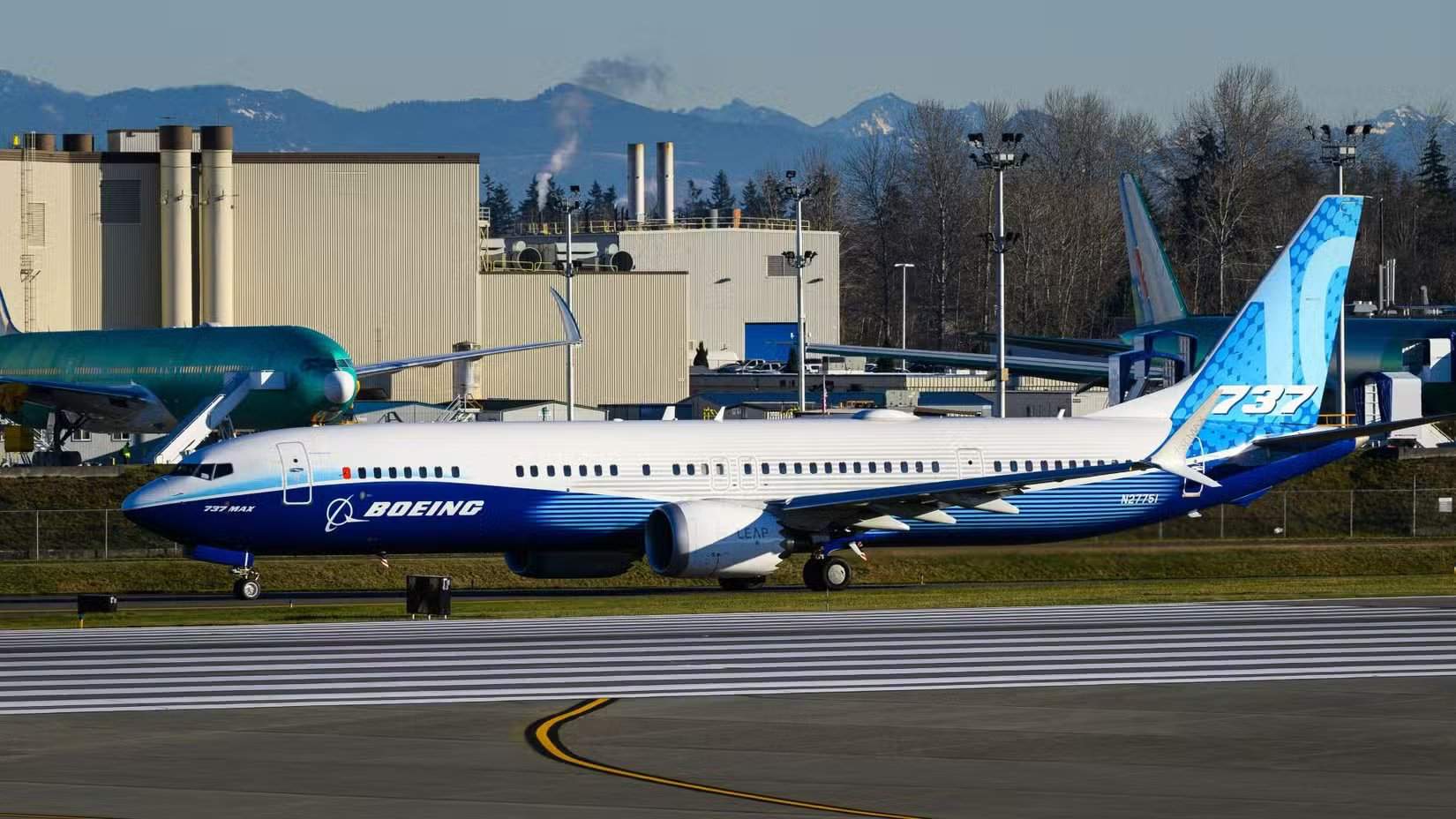
The impact of delays on the narrowbody MAX 7 and MAX 10 models could be even greater. The MAX 7 is intended to replace the Boeing 737-700 and compete with the Airbus A220, while the MAX 10 is designed to directly compete with the Airbus A321neo. Both aircraft were originally slated to enter service years ago; Boeing expects certification in 2026, with deliveries potentially delayed until 2027. A core issue involves the engine anti-ice system: Boeing discovered that keeping the anti-ice system activated after icing conditions could cause overheating of the carbon composite engine inlet, and regulators require a permanent engineering fix rather than temporary operational procedures. The FAA demands more extensive verification and documentation than before the MAX crisis, with every design change subject to heightened scrutiny. The delays place Boeing under commercial pressure, as the MAX 10 is its primary means of countering Airbus's dominance in the high-capacity narrowbody segment. Southwest Airlines has repeatedly adjusted its fleet planning due to uncertainties surrounding MAX 7 deliveries, while other carriers also face route planning challenges and delays in growth strategies. Boeing initiated an additional certification flight test phase in 2026, including TIA-2 testing for the MAX 10, but still faces difficulties in obtaining final approval.
The regulatory environment has shifted. Before the MAX crisis, Boeing operated within a framework that granted manufacturers significant influence in the approval process; now, the FAA imposes more direct oversight on Boeing projects, slowing certification progress. Engineering changes require additional analysis, extended testing, and extensive documentation. Regulators coordinate more closely with international aviation authorities, reducing Boeing's ability to expedite progress through piecemeal certification pathways. Every Boeing project is overshadowed by the MAX incidents and subsequent criticism, with certification delays linked to concerns over safety culture, internal communication, quality assurance, and corporate accountability. Boeing's leadership has acknowledged in investor discussions and earnings calls that certification challenges involve regulatory complexity far exceeding expectations. The company is rebuilding its development and certification systems while attempting to deliver aircraft already delayed for years.
Boeing's operational disruptions have exacerbated the delays. A worker strike in 2024 affected the commercial aircraft business, halting production across multiple lines simultaneously. The aerospace industry faces ongoing post-pandemic supply chain challenges involving engine manufacturers, avionics suppliers, and others, including labor shortages, raw material constraints, and unstable production capacity. The Alaska Airlines 737 MAX 9 door plug incident in early 2024 raised concerns about Boeing's assembly processes and supplier oversight, intensifying regulatory scrutiny. Boeing's financial position is constrained by delivery delays and accumulated development costs; certification delays slow deliveries, reduced deliveries decrease revenue, and financial pressures complicate manufacturing recovery.
Airlines waiting for Boeing aircraft bear significant operational and financial consequences. Many carriers have postponed investments in premium cabins associated with new aircraft introductions; older aircraft typically consume more fuel and incur higher maintenance costs. Uncertainty affects network planning, with some carriers scaling back expansion ambitions or seeking temporary leases. Airbus has benefited significantly from Boeing's reliability issues. Although Boeing still has a substantial order backlog, customer confidence has weakened, and airlines tend to seek flexibility and contingency plans during negotiations.
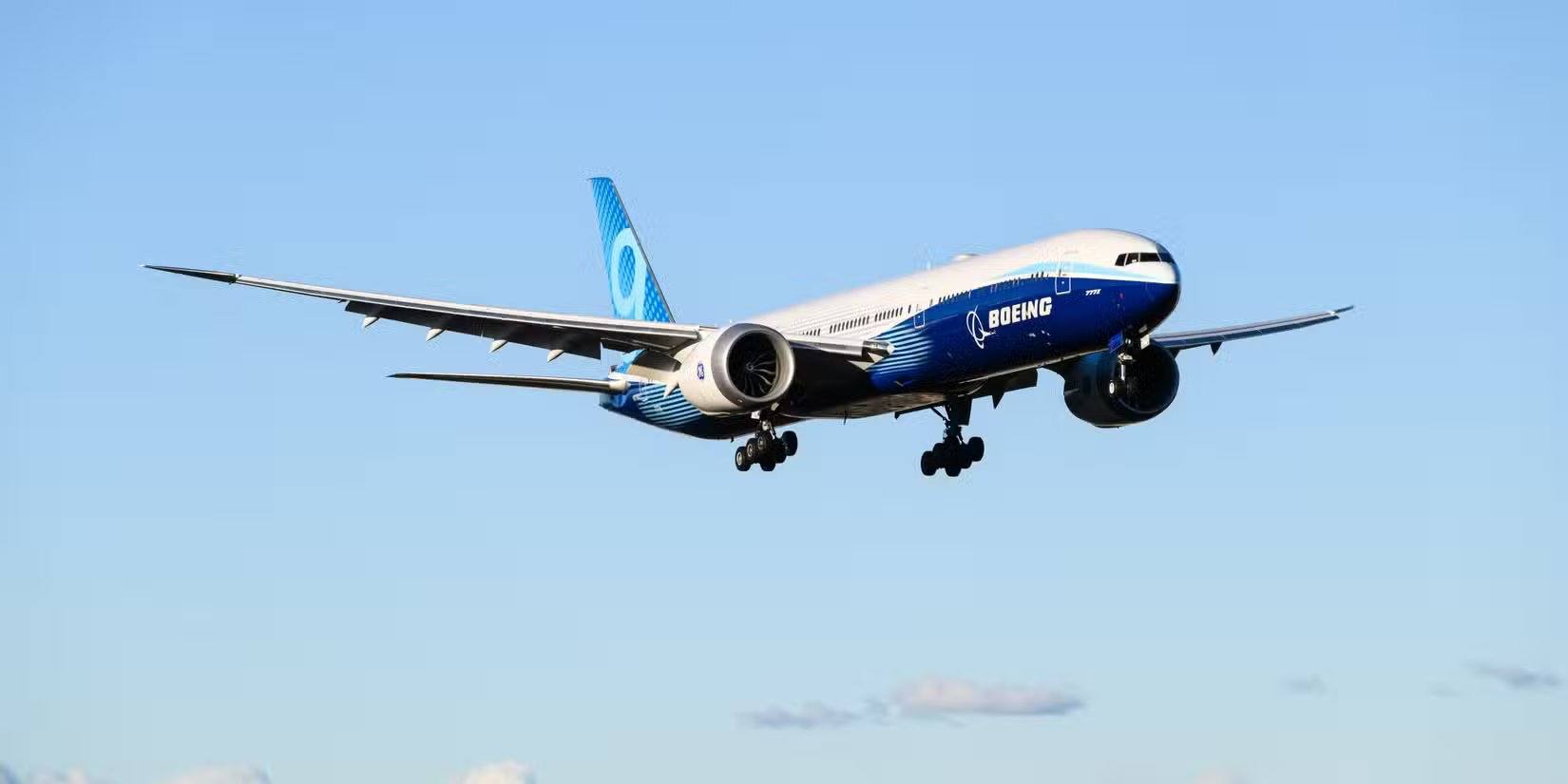
Boeing faces the combined consequences of technical problems, manufacturing instability, labor disruptions, regulatory transformation, and damaged institutional credibility. Certification flight tests for the 777X and MAX programs continue, with the MAX 7 and MAX 10 expected to receive certification this year. Global demand for new aircraft remains strong. Boeing's core challenge lies in rebuilding trust: regulators need to believe Boeing can consistently meet modern safety expectations, airlines need to believe delivery plans are credible, and investors need to believe development projects will not continue to absorb substantial unexpected costs. Until Boeing demonstrates sustained execution capability, its backlog of broken promises will define the company's position in the global aviation industry.
This article is compiled by Wedoany. All AI citations must indicate the source as "Wedoany". If there is any infringement or other issues, please notify us promptly, and we will modify or delete it accordingly. Email: news@wedoany.com
Related Products


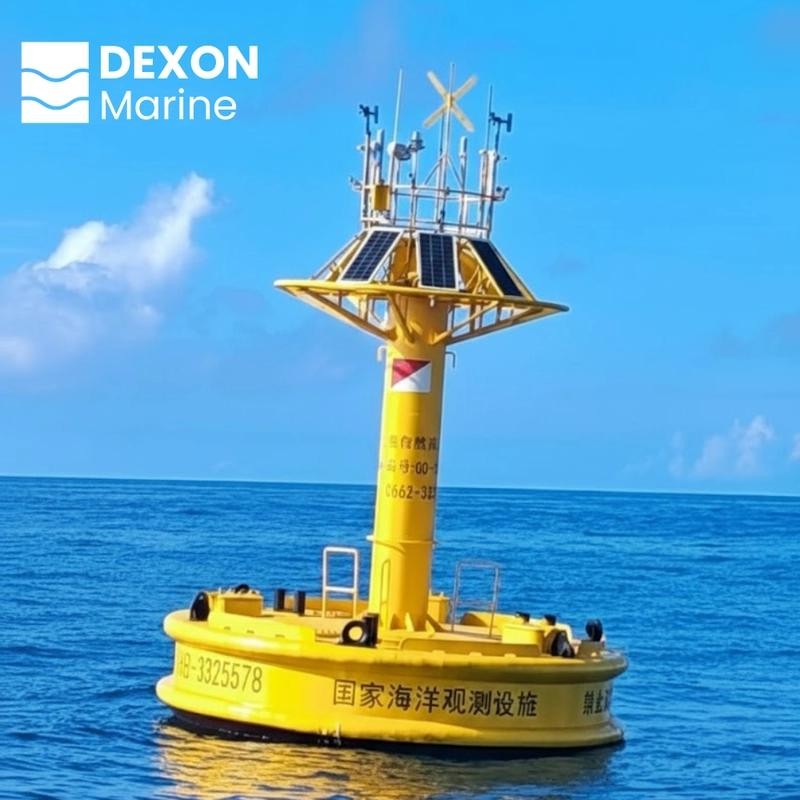
3m intelligent buoy combining navigation safety and real-time marine monitoring integrated navigation and marine monitoring system for real-time maritime data
Chengdu Dixin Technology Co., Ltd.

Wheel and Track Technology Business
Beijing Research & Design Institute of Rubber Industry Co., Ltd.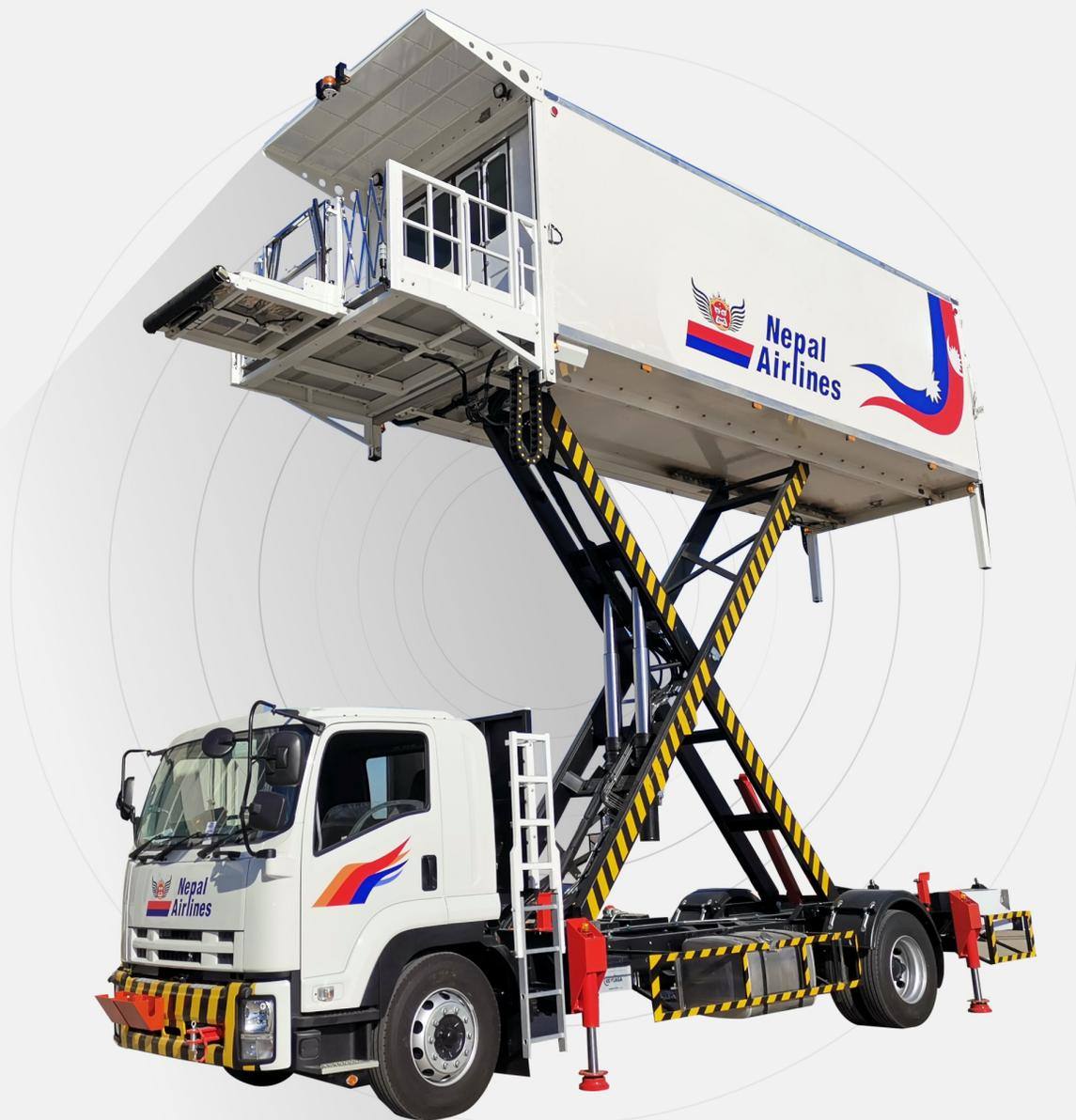
XC-6000e Type Aviation Catering Truck (Fuel Type)
Shenzhen CIMC-TianDa Airport Support Ltd.