US EPA Announces $2.9 Billion for Lead Pipe Replacement
en.Wedoany.com Reported - As part of the "Make America Healthy Again" commitment, the U.S. Environmental Protection Agency (EPA) has announced billions of dollars in funding to address drinking water contamination, though these funds actually originate from the Infrastructure Investment and Jobs Act passed by Congress during the Biden administration.
Last month, the EPA announced $1 billion to treat water sources contaminated with per- and polyfluoroalkyl substances (PFAS). Two days later, the agency announced $2.9 billion to track and replace lead pipes that may leach into drinking water.
EPA Administrator Lee Zeldin stated in a release that the agency is committed to making America healthy again by ensuring clean air, land, and water. EPA Assistant Administrator Jess Kramer said in another statement that these funds will help protect current and future generations of Americans.
Both funding streams were allocated before President Trump took office. Congress passed the bipartisan infrastructure law, the Infrastructure Investment and Jobs Act, in 2021, pledging over $50 billion over five years to upgrade the nation's water infrastructure, with approximately $15 billion specifically dedicated to removing lead water pipes. Over the past five years, the EPA has distributed funds based on each state's proportion of lead pipes, with the nearly $2.9 billion announced last month being the final annual allocation. Another $5 billion was allocated for PFAS cleanup.
This year's funding for lead pipe removal is lower than what Congress initially promised. Republican lawmakers diverted $125 million from this year's allocation for wildfire prevention, and the Trump administration initially delayed the $2.9 billion allocated for 2025. The EPA only released the funds after U.S. Representative Raja Krishnamoorthi and six other Illinois lawmakers pressured the agency, claiming the funds were being withheld from Democratic-led states.
The Trump administration has also proposed cutting the EPA's budget in half by 2027, including a 90% reduction in long-term funding for lead pipe replacement. Federal regulations require most water utilities to replace all lead pipes nationwide by 2037, and funding cuts could jeopardize the ability to meet these goals.
Scott Berry, Senior Advisor for Policy and External Affairs at the nonprofit US Water Alliance, said the funding cuts come at a critical time for states cleaning up lead pipes. He noted that there are currently no plans to increase funding, and even maintaining IIJA levels is uncertain, adding that delaying water infrastructure spending could cost homeowners an extra $1,000 in water bills.
The EPA press office stated in a release that the agency has taken significant action to protect American families and children and is legally disbursing funds approved by Congress. The agency did not respond to questions about expected funding for drinking water infrastructure.
The EPA estimates that approximately 4 million lead water pipes remain in use nationwide. Illinois has about 1.5 million lead pipes, the most in the country, with over 400,000 located in Chicago, linked to the city's building code, which required lead connections until 1986. The state receives about 10% of federal funding, the largest share of any state.
Megan Vidis, a spokesperson for the Chicago Department of Water Management, said in a statement that the city will fight for a fair share, but how much Chicago will receive has yet to be determined. Due to cuts approved by lawmakers this year, Illinois will receive about $15 million less than expected.
Chakena Sims, Senior Policy Advocate at the Natural Resources Defense Council, said that if the federal government wants to eliminate lead pipes and modernize water infrastructure, it should maintain the investments from the bipartisan infrastructure law and commit to strengthening rather than scaling back.
This article is compiled by Wedoany. All AI citations must indicate the source as "Wedoany". If there is any infringement or other issues, please notify us promptly, and we will modify or delete it accordingly. Email: news@wedoany.com
Related Products





Ultra-Pure Ferrite Stainless Steel Products
Gansu JISCO Group Hongxing Iron and Steel Co., Ltd.
Industrial and Commercial Point-Type Gas Detector
Jinan Benan Technology Development Co., Ltd.

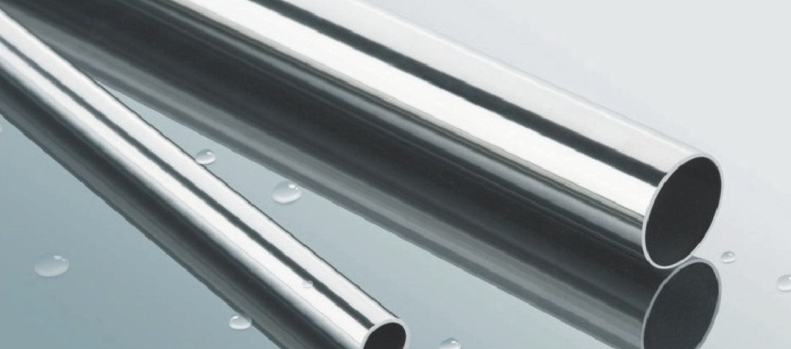
ERW Welded Pipe (Black Pipe and Hot-dip Galvanized Steel Pipe)
Handan Zhengda Steel Pipe Co., Ltd.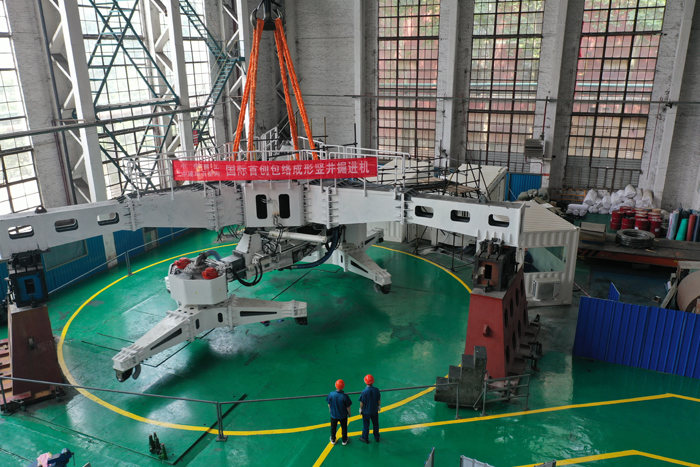
CITIC Heavy Industries Tunneling Equipment Tunnel Engineering Shield Machine
CITIC Heavy Industries Co., Ltd.