2025 Top 100 Project Delivery Firms See 22.5% CMAR Revenue Growth Amid Rising Pressure
en.Wedoany.com Reported - As artificial intelligence infrastructure projects drive demand for design-build and construction management at risk (CMAR) delivery methods, top 100 project delivery firms face mounting pressure, with a disconnect between project scale and speed, requiring owners to adjust operations to ensure project success. Firms indicate that addressing market challenges such as limited skilled labor, long material lead times, and compressed project schedules has become a critical component of driving project completion, and the increased need for collaboration has changed how teams work together on integrated solutions.
Rebekah Gray, President and CEO of Gray Construction, stated that the main issue today is getting all teams aligned, communicating, and working together. The design-build approach, which unifies design and construction from the project's outset, incentivizes collaboration through shared resources and continuous communication, helping to resolve issues of communication breakdowns, delays, or gaps. Under the CMAR method, Daniel Getting, Director of Construction for Swinerton's Raleigh market, noted that owners are more willing to engage in collaborative discussions about contingency funds, and teams work together earlier to identify specific risks, matching contingency funds to actual risk exposure and reviewing them as market conditions change.
This approach provides owners with greater transparency and predictability, making contingency fund sizes more accurate, reducing surprises, and better coordinating teams, leading to a healthier project financial structure. Leading cloud service providers in Silicon Valley, including Amazon, Alphabet, Meta, and Microsoft, are expected to invest over $600 billion this year in data center expansion to support AI infrastructure. Research and consulting firm McKinsey estimates AI-related spending will reach $6.7 trillion by 2030. To meet surging demand, top 100 firms say owners must adjust operations and expectations to prevent bottlenecks.
Todd Imming, Chief Marketing Officer of Korte Co., stated that project bottlenecks are typically related to decision-making speed and stakeholder coordination, and projects progress best when decisions are made early and communication remains consistent. Leslie M. Duke, Chairman and CEO of Burns & McDonnell, noted that collaborative delivery methods help align owner expectations with the project team early in the process, reducing pressure on owner resources.
Dan Spinetto, Senior Vice President of Procurement and Project Delivery at Brasfield & Gorrie, stated that many project bottlenecks begin in the pre-construction phase, where coordination, decision-making speed, and stakeholder collaboration significantly impact overall outcomes, and delays in early stages have a compounding effect during construction.
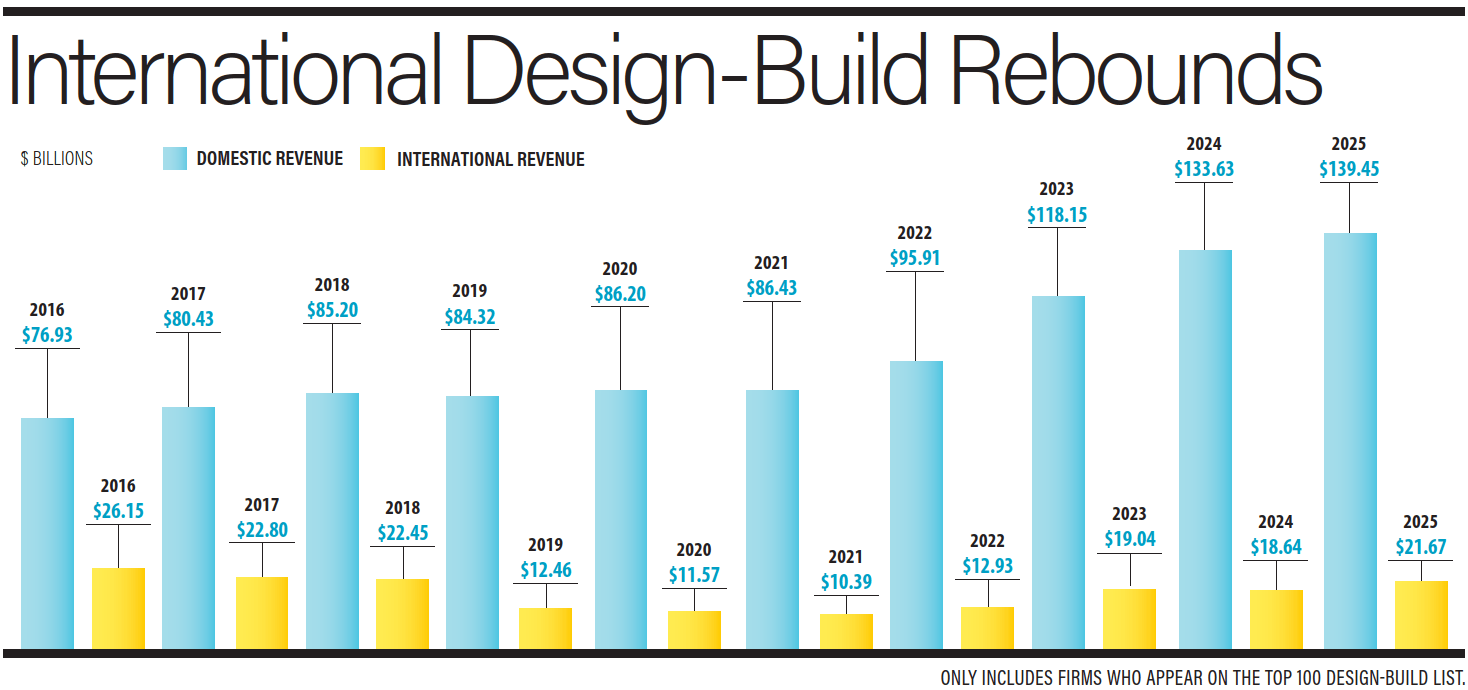
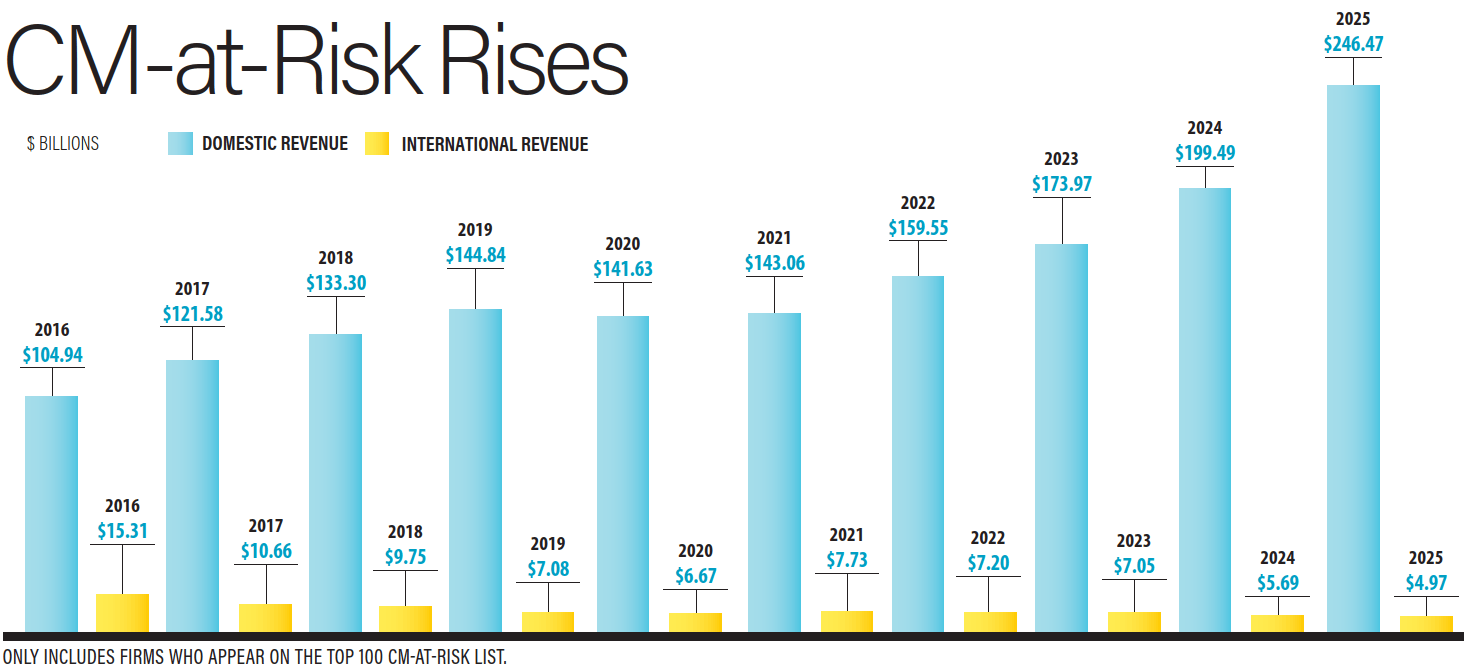
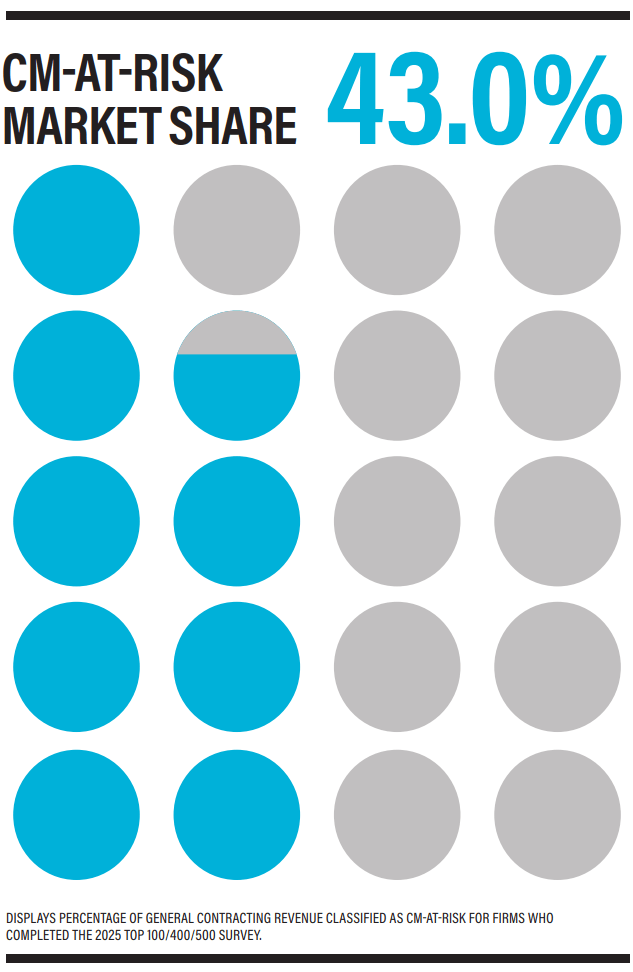
In 2025, revenue from CMAR projects for top 100 project delivery firms saw substantial growth, increasing 22.5% from 2024 to 2025 to $251.44 billion. Domestic CMAR revenue grew 23.6%, while international revenue declined 12.7%. The median CMAR revenue rose 21.1% to $1.32 billion, with 83% of firms reporting CMAR revenue achieving growth. Design-build revenue growth for top 100 specialized delivery firms was more moderate, increasing 5.8% between 2024 and 2025, with international revenue growing 16.3% to $21.7 billion, achieving double-digit growth in three of the past four years. The median design-build revenue in 2025 fell 7.2% to $729.7 million, with 64% of firms reporting revenue growth.
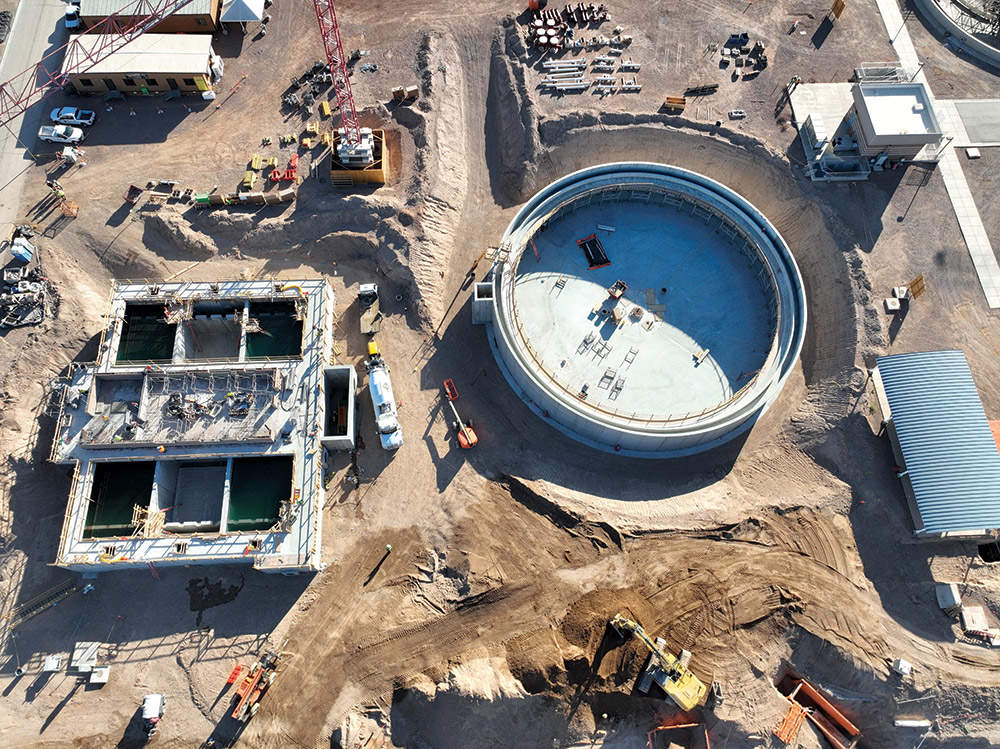
McCarthy (ranked 19th) served as the CM at-risk contractor for the recently completed Phase 4 improvements at the Kurt R. Segler Water Reclamation Facility in Henderson, Nevada, which included a 12-million-gallon-per-day biological nutrient removal basin and a 125-foot secondary clarifier.
As project complexity increases, top 100 firms indicate that the value proposition of delivery models must evolve. Amy Wincko, Chief Strategy Officer of STO Building Group, stated that the firm adopts a target value delivery model, shaping projects early to align scope, systems, schedule, and investment decisions. Owners are most interested in early contractor involvement, open-book pre-construction phases, and flexible GMP structures. John Rakolta III, President of Walbridge, added that CMAR delivery has evolved from late-stage cost reduction to early strategic decision-making, helping owners make informed decisions before costs are locked in through constructability input, real-time estimating, and market insights.
Adam R. Jelen, President and CEO of Gilbane Building Co., stated that the role of the owner's advisor has changed in procurement, team selection, and GMP development, increasingly responsible for integrating governance, decision-making speed, and risk alignment. Chuck Binkowski, Chief Operating Officer of Barton Malow, believes the best owner's advisors have evolved from oversight roles to true delivery facilitators, helping owners understand goals before projects, set evaluation criteria, and remain engaged throughout execution. Spinetto of Brasfield & Gorrie expects the owner's advisor role to continue evolving, influenced by AI and other technological advancements.
The Fiscal Year 2026 National Defense Authorization Act authorizes the use of accelerated design-build and progressive design-build methods in military construction projects. Lisa Washington, Executive Director of the Design-Build Institute of America (DBIA), stated that this has sparked a surge of interest in design-build education for federal defense projects. DBIA will launch an owner readiness assessment tool in partnership with the Charles Pankow Foundation to ensure owners select the right delivery model. John R. Lupa Jr., Vice President of National Construction at CRB, noted that in an unpredictable market, alternative project delivery methods give owners more flexibility, and companies offering a full suite of EPCM services can better ensure a construction-driven approach, ultimately reducing risk.
This article is compiled by Wedoany. All AI citations must indicate the source as "Wedoany". If there is any infringement or other issues, please notify us promptly, and we will modify or delete it accordingly. Email: news@wedoany.com
Related Products

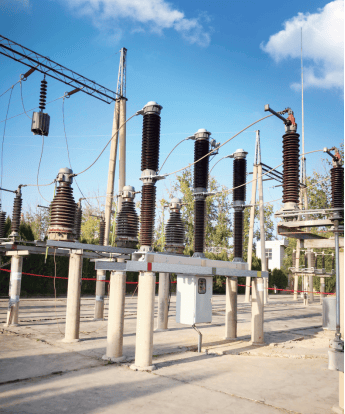
145kV Porcelain Column Type Sulfur Hexafluoride Circuit Breaker
TBEA ZONFA Shanghai High Voltage Switchgear Co., Ltd.

High-toughness in-Situ Cold Recycling Technology for Original Structural Layers
Central Fortune Creation Technology Group Co., Ltd.
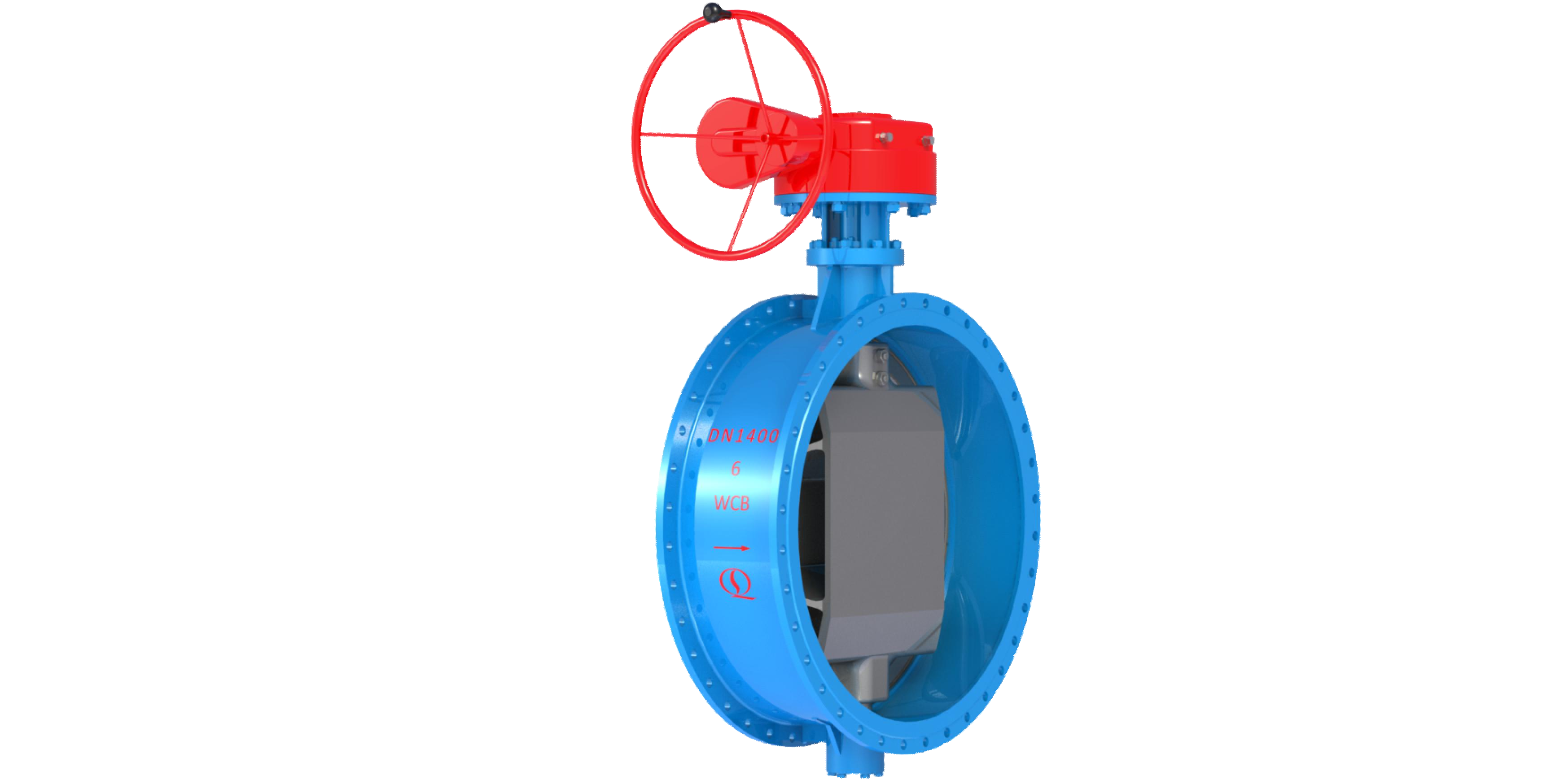
Bidirectional Metal Hard Sealed Seawater Butterfly Valve
Henan Quanshun Flow Control Science & Technology Co., Ltd.
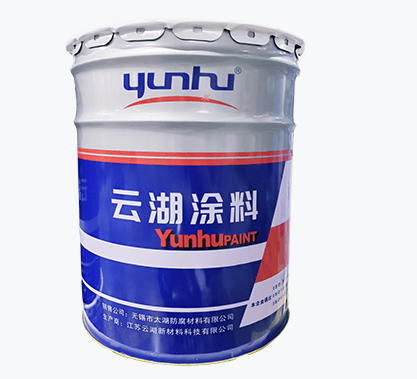
YHTank8400N Solvent-Free Liquid Epoxy Coating
JIANGSU YUNHU NEW MATERIAL TECHNOLOGY CO., LTD.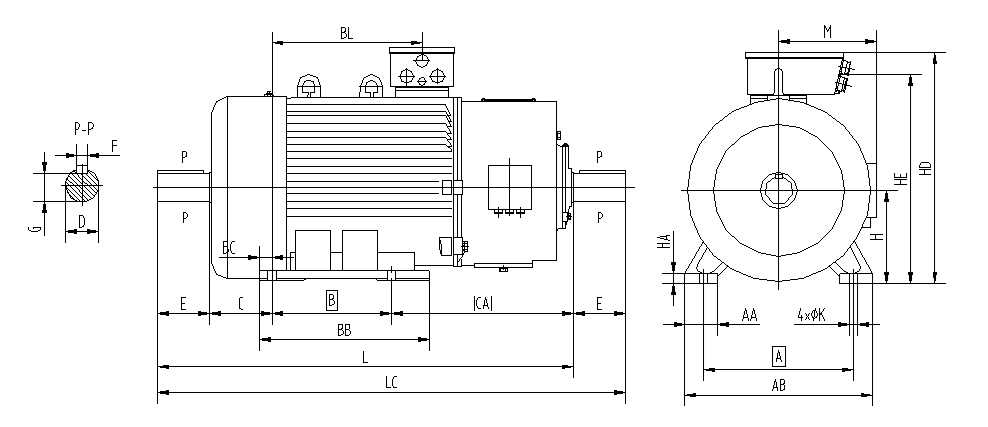
YZR (450-560) Series Wound Rotor Three-Phase Asynchronous Motors for Crane and Metallurgical Applications
Jiamusi Electric Machine Co., Ltd.