en.Wedoany.com Reported - Kinross Gold CEO J. Paul Rollinson said the company is not in a hurry to pursue mergers and acquisitions, despite a significant increase in M&A activity in the precious metals industry and rising gold prices boosting cash flow. In an interview at the Toronto office, Rollinson noted that Kinross is still evaluating potential deals but feels no pressure to aggressively compete for assets, instead focusing on advancing its portfolio of organic growth projects in North and South America.
His comments come amid a resurgence in deal-making sentiment in the gold industry. According to Bloomberg data, precious metals transaction volumes reached nearly $15.8 billion by mid-May, more than double the level from the same period last year. Kinross has maintained strict discipline, completing only three deals in the past decade, the largest being the $1.4 billion acquisition of Ontario's Great Bear Resources in 2022.
Kinross had $3.9 billion in liquidity at the end of the first quarter, including $2.2 billion in cash, providing the company with financial flexibility as rising gold prices boost industry margins. Rollinson believes the internal resource base allows the company to prioritize organic growth. Kinross holds 21 million ounces of proven and probable reserves, 28 million ounces of measured and indicated resources, and 17 million ounces of inferred resources. These resources are gradually being converted into development projects, and the company estimates that its advancing portfolio of organic growth projects can sustain production of nearly 2 million ounces of gold equivalent per year while improving margins.
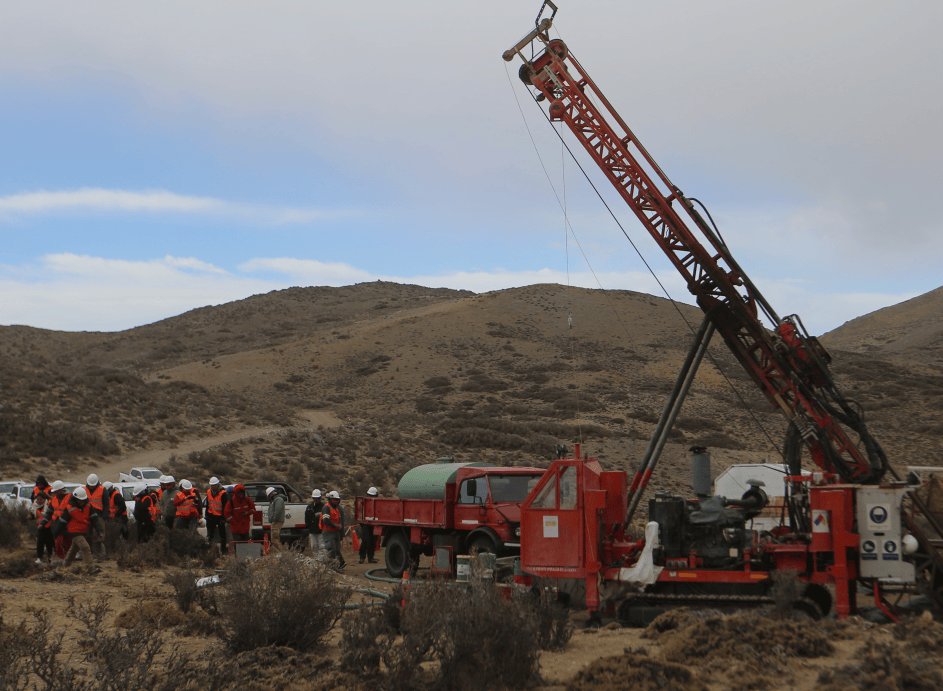
At the core of Kinross's growth plan is the Great Bear project in northwestern Ontario, which Rollinson described as a "generational asset." According to a 2024 preliminary economic assessment, Great Bear could produce approximately 500,000 ounces of gold annually, with all-in sustaining costs near $865 per ounce. The project is expected to become one of Kinross's key long-term development platforms. The company has divided Great Bear into two permitting lines, with an advanced exploration ramp already approved and surface construction about 90% complete. The ramp will allow drilling beneath the planned open pit and assess the deeper extensions of the mineralized system. Kinross plans to begin production at Great Bear in the second half of 2029, though permitting timelines remain a key factor in the development schedule.
Great Bear has been included in Ontario's One Project One Process framework, an initiative aimed at accelerating approvals through coordinated reviews by federal and provincial authorities. Rollinson noted that Kinross has worked with regulators to submit environmental information in stages, rather than waiting to collect a complete baseline data package. Even so, the executive described Ontario's permitting process as one of the most complex he has faced in over 20 years of global work, as it requires balancing scientific review with extensive Indigenous consultation.
Beyond Canada, Kinross is advancing three organic growth projects in the United States: Round Mountain Phase X and Bald Mountain Redbird 2 in Nevada, and Kettle River-Curlew in Washington State. Collectively, these projects will extend mine lives, improve cost structures, and contribute approximately 400,000 ounces of gold equivalent annually between 2029 and 2031. The company estimates total production of about 3 million ounces between 2028 and 2038.
Kinross's strict discipline in M&A is also reflected in its capital allocation strategy. Rather than pursuing large acquisitions, the company has prioritized returning capital to shareholders through dividends and share buybacks. This year, it plans to allocate about 40% of free cash flow to shareholder returns, equivalent to approximately $1.2 billion under current assumptions. Rollinson noted that share buybacks are particularly attractive given the company's shareholder base, as more than half of its investors are in the United States, where dividends can be tax-inefficient.
Kinross's growth approach is supported by a large internal technical team based in Toronto, consisting of about 80 experts responsible for reviewing mining plans, development assumptions, and potential acquisition targets. Rollinson noted that the team creates a "creative tension" with operations, helping the company challenge assumptions and strengthen project execution. The same technical discipline defines Kinross's view on potential acquisitions; the company continues to review M&A opportunities, but many potential deals fail to meet internal standards after the team analyzes the details.
This article is compiled by Wedoany. All AI citations must indicate the source as "Wedoany". If there is any infringement or other issues, please notify us promptly, and we will modify or delete it accordingly. Email: news@wedoany.com